



Samsung Galaxy Z Flip 8 vs. Galaxy Z Flip 7: Table of Contents
It’s that time of the year again. Samsung has just announced a new Flip phone, the Flip 8, and it’s currently up for pre-orders. This year, the phone is more expensive than it was last year in India. Samsung tries to justify the higher asking price with a couple of improvements in the clamshell’s design, chipset, and software features, but that is about it.
The Flip 8, at least on paper, doesn’t look very different from the Flip 7 (review). Let’s compare both the phones, break down all the aspects, and see if the Flip 8 is worth an upgrade for Flip 7 users, or whether the Flip 7 is a better first-time Flip phone buy for people.
Also Read: Samsung Galaxy Z Fold 8 Ultra vs. Z Fold 7: The Definitive Foldable Flagship Comparison For India

Galaxy Z Flip 8 vs. Galaxy Z Flip 7: Design
| Galaxy Z Flip 8 | Galaxy Z Flip 7 | |
| Dimensions (unfolded) | 166.9 × 75.4 × 6.1mm | 166.7 × 75.2 × 6.5mm |
| Dimensions (folded) | 85.7 × 75.4 × 13.1mm | 85.5 × 75.2 × 13.7mm |
| Weight | 180g | 188g |
| Build | Plastic front (unfolded), Gorilla Glass Victus 2 back, Armor aluminum frame | Plastic front (unfolded), Gorilla Glass Victus 2 back, Armor aluminum frame |
| IP rating | IP48 | IP48 |
| SIM | Nano-SIM + eSIM + eSIM (max 2 at a time) | Nano-SIM + eSIM + eSIM (max 2 at a time) |
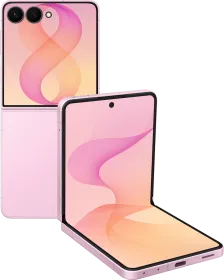
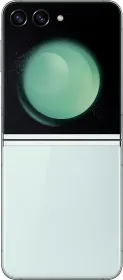
| Colors | Graphite, Cream, Pink, Mint | Blue Shadow, Jet Black, Coral Red, Mint |
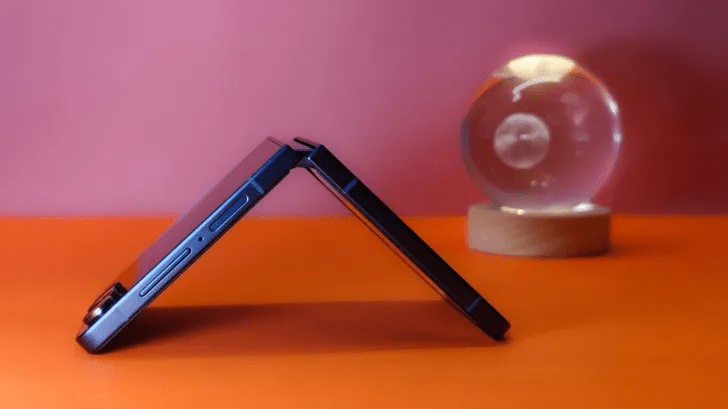
The Flip 8 is slimmer (both folded and unfolded) and lighter than the Flip 7. It’s not one of those drastic differences, but it’s still worth talking about. Slimmer phones usually offer a higher sense of perceived premiumness and a better in-hand feel, which is the reason why the entire smartphone industry is running after them.
Samsung isn’t creating a fuss about it, but it has been shaving off the width and the weight of its smartphones for a while, and it’s commendable.

On the Flip 8, Samsung has achieved this using the new Flex Titanium hinge structure, which is both lighter and more durable than the previous generation.
However, that’s where this section of the comparison ends. Beyond the dimensions and the weight, both the Flip 8 and the Flip 7 use the same back glass and frame material, have the same IP48 ingress protection rating, and the same overall design (FlexWindow cover screen with two cameras, punch-hole inner screen, and relatively thicker bezels than modern flagships).
Also Read: Moto Edge 70 Max vs. vivo X200T: Which Is The Better ₹60,000 Premium Mid-Range Android Phone?
Galaxy Z Flip 8 vs. Galaxy Z Flip 7: Display
| Galaxy Z Flip 8 | Galaxy Z Flip 7 | |
| Main display size | 6.9 inches | 6.9 inches |
| Main display type | Foldable Dynamic LTPO AMOLED 2X | Foldable Dynamic LTPO AMOLED 2X |
| Main display resolution | 1080 × 2520 pixels, 21:9 (~400ppi) | 1080 × 2520 pixels, 21:9 (~397ppi) |
| Main display refresh rate | 120Hz | 120Hz |
| Main display brightness | 2,600 nits peak | 2,600 nits peak |
| Main display protection | Mohs level 1 | Mohs level 1 |
| Cover display size | 4.1 inches | 4.1 inches |
| Cover display type | Super AMOLED | Super AMOLED |
| Cover display resolution | 948 × 1048 pixels, 342ppi | 948 × 1048 pixels, 342ppi |
| Cover display refresh rate | 120Hz | 120Hz |
| Cover display brightness | 2,600 nits peak | 2,600 nits peak |
| Cover display protection | Gorilla Glass Victus 2 | Gorilla Glass Victus 2 |
While the Fold 8 Ultra gets a better inner display with more resolution and a higher peak brightness, the Flip 8 retains the same screens as the Flip 7.

Both the cover screen and the inner screen maintain the same refresh rates, peak brightness, and resolution (except a negligible increase in the overall resolution of the Flip 8’s main display).
What has changed, however, is that the crease on the Flip 8 is much less noticeable than the one on the Flip 7, thanks to the Flex Titanium hinge structure.
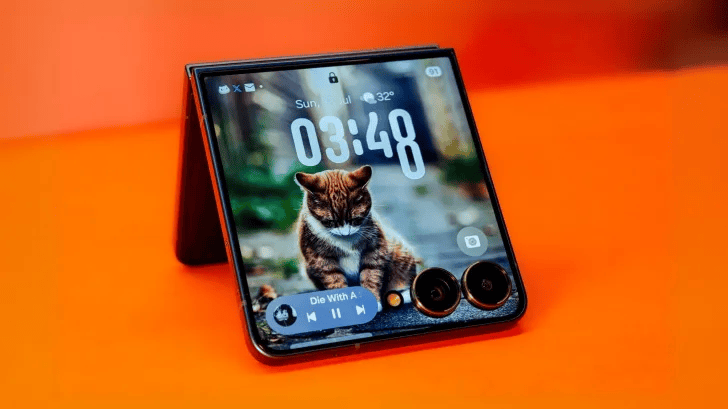
Basically, the crease groove, which reflects light differently than the rest of the screen, is much less obtrusive than on the Flip 7. The difference, I’d say, should be even more evident than for Flip 5 or Flip 6 users.
Also Read: 5 Nothing Phone (4b) Alternatives That Make More Sense Right Now
Galaxy Z Flip 8 vs. Galaxy Z Flip 7: Performance
| Galaxy Z Flip 8 | Galaxy Z Flip 7 | |
| Chipset (India) | Exynos 2600 (2nm) | Exynos 2500 (3nm) |
| CPU | Deca-core (1×3.80GHz C1-Ultra + 3×3.25GHz C1-Pro + 6×2.75GHz C1-Pro) | Deca-core (1×3.3GHz Cortex-X5 + 2×2.74GHz Cortex-A725 + 5×2.36GHz Cortex-A725 + 2×1.8GHz Cortex-A520) |
| GPU | Xclipse 960 | Xclipse 950 |
| RAM | 12GB | 12GB |
| Storage options | 256GB, 512GB | 256GB, 512GB |
| Storage type | UFS 4.x | UFS 4.0 |
This is one of the most stark differences between the Flip 8 and the Flip 7. The Flip 8, like the Galaxy S26 (review) I reviewed earlier this year, features the first 2nm chipset on a smartphone: the Exynos 2600. The Flip 7, on the other hand, shipped with the Exynos 2500 chip.
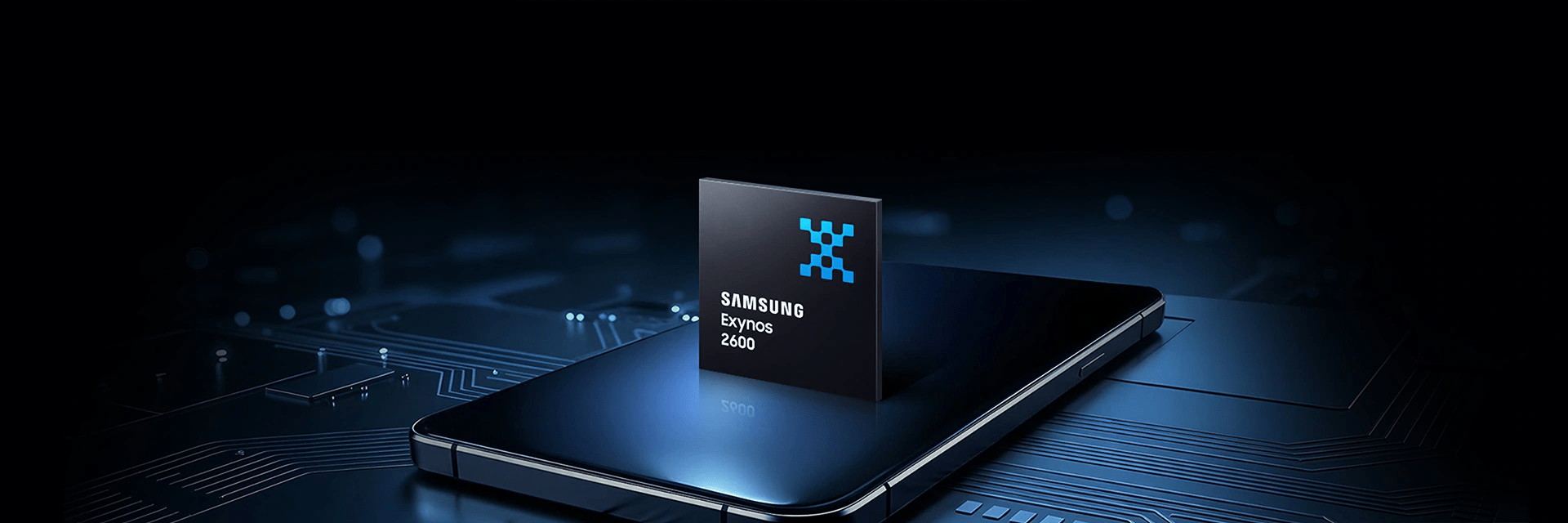
Before proceeding, I’d like to add some context and point out something that I don’t like. The Flip is around ₹15,000 more expensive in India compared to US pricing, and yet somehow the more affordable US version sports the Snapdragon 8 Elite Gen 5 for Galaxy chip. Asian countries, on the other hand, can only get the Flip 8 with the Exynos 2600 chip.
Also Read: XPS 13 (2026) vs. MacBook Neo: Can Dell Challenge Apple’s Affordable Laptop Dominance?
I’m not comparing these chips: that is beyond the scope of this comparison. Coming back to this comparison, though, the Exynos 2600 provides some serious CPU and GPU upgrades compared to the Exynos 2500. Setting aside the better and more efficient fabrication technology, the Exynos 2600’s CPU is much more capable.
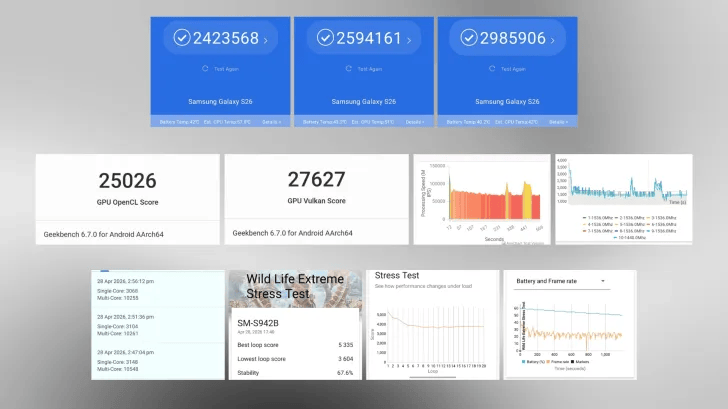
I’ve tested the chipset on the Galaxy S26, where it scored 3,061 and 10,064 points in the single-core and multi-core GeekBench 6 CPU tests, which is around 30% and 28% faster than the Exynos 2500 on the Flip 7.
Now, I know how manufacturers limit the peak performance capabilities of a chipset on foldables for maintaining optimal operational temperature and battery life, but that doesn’t undermine the CPU gains between the two chips. The GPU gains tell a similar story.
Also Read: Motorola Razr Fold vs. Samsung Galaxy Z Fold7: The Definitive Premium Book-Style Foldable Comparison
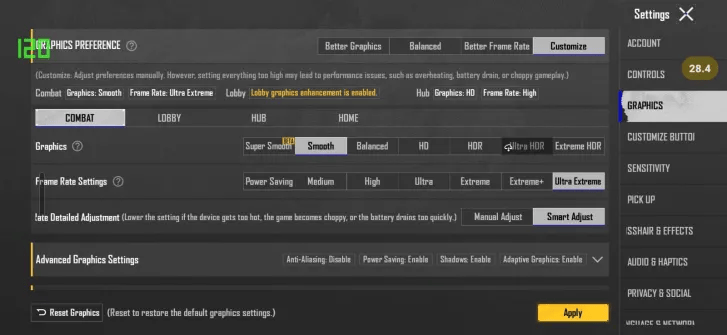
Exynos 2600 chips with the Xclipse 960 GPU, which leverages AMD’s newer RDNA4 mobile assets. This results in substantially higher Geekbench 6 GPU scores (around 50%). In fact, the GPU also offers improved ray tracing. On the Galaxy S26, I was able to run BGMI in 120 fps at the Smooth graphics settings, getting an average frame rate of around 113-115 fps.
On the hardware level, the Exynos 2600 is paired with a Heat Path Block (HPB). While the Xclipse 950 frequently throttles and drops frames during long gaming sessions due to heat, the Xclipse 960 maintains peak graphical performance over extended periods.
Moreover, the new chip on the Flip 8 should provide a significantly better experience, whether it’s loading apps, switching between them, running video games, or doing all kinds of other tasks you throw at it.

Galaxy Z Flip 8 vs. Galaxy Z Flip 7: Software
| Galaxy Z Flip 8 | Galaxy Z Flip 7 | |
| OS at launch | Android 17, One UI 9 | Android 16, One UI 8 |
| OS upgrades | 7 major Android upgrades | 7 major Android upgrades |
| Security updates until | July 31, 2033 | July 2032 |
| Samsung DeX | Yes | Yes |
| Galaxy AI | Yes | Yes |
The primary software difference is that the Flip 8 launches with One UI 9 on Android 17, while the Flip 7 shipped with One UI 8 on Android 16.
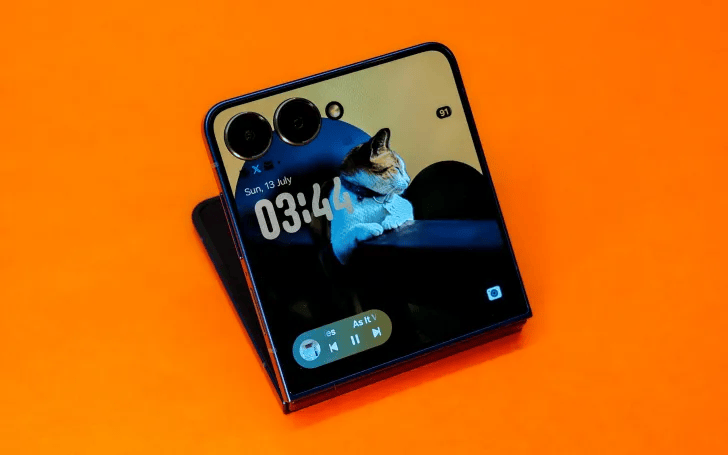
On the Flip 7, the FlexWindow cover screen is useful but deliberately limited. It can mostly run widgets, a handful of approved apps, and features that required Good Lock to truly unlock.
The Flip 8 changes that approach entirely. You now get a native app drawer, a full notification shade, quick settings toggles, and a recent apps menu. All directly on the cover screen, without any workarounds.
Out of the box, 16 optimized apps work natively on the outer display, making the Flip 8 far more useful as a folded device than its predecessor ever was.
Also Read: vivo X300 FE vs iPhone 17 & Samsung S26: The Compact Flagship Battle Set to Get a New Leader

Galaxy AI gets a meaningful upgrade as well. One UI 9 shifts from reactive AI tools to proactive ones, using Gemini Intelligence integration to anticipate shortcuts and chain multiple tasks into single steps directly on the FlexWindow.
The Flip 7 will eventually receive some of these features via updates, but the Flip 8 benefits from the Exynos 2600’s more capable NPU to run advanced, agentic AI tasks on-device, faster and more independently than the Flip 7 can manage.

Now Brief, Samsung’s personalized morning briefing, also gets a refresh. It ties together your calendar, weather, and workout summaries with deeper contextual awareness than the Flip 7’s version.
Also Read: OnePlus Nord 6 vs. Nothing Phone (4a): Will You Choose Performance Or Personality?
Galaxy Z Flip 8 vs. Galaxy Z Flip 7: Cameras
| Galaxy Z Flip 8 | Galaxy Z Flip 7 | |
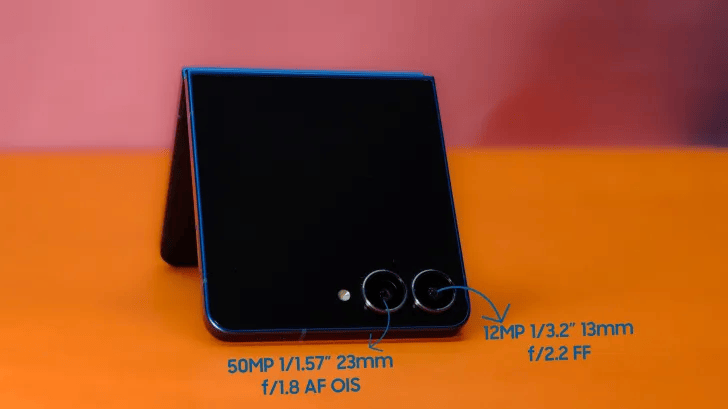
| Main camera | 50MP, f/1.8, 23mm, 1/1.57″, 1.0µm, dual pixel PDAF, OIS | 50MP, f/1.8, 23mm, 1/1.57″, 1.0µm, dual pixel PDAF, OIS |
| Ultrawide camera | 12MP, f/2.2, 13mm, 123°, 1/3.2″, 1.12µm | 12MP, f/2.2, 13mm, 123°, 1/3.2″, 1.12µm |
| Rear video | 4K@30/60fps, 1080p@60/120/240fps, HDR10+ | 4K@30/60fps, 1080p@60/120/240fps, HDR10+ |
| Selfie camera | 10MP, f/2.2, 23mm, 1.12µm | 10MP, f/2.2, 23mm, 1/3.0″, 1.22µm |
| Selfie video | 4K@30/60fps | 4K@30/60fps |
| Flash | Yes | Yes |
| Optical zoom | Optical quality 2x (Adaptive Pixel sensor) | Optical quality 2x (Adaptive Pixel sensor) |
| Digital zoom | Up to 10x | Up to 10x |
Here’s the honest truth about the camera comparison: the hardware is completely unchanged. What does change is everything that happens after the shutter closes.

The Flip 8’s upgraded ProVisual Engine, running on the Exynos 2600’s more powerful NPU, delivers faster multi-frame noise reduction, sharper edge detection in Portrait Mode, and richer HDR processing in high-contrast outdoor scenes. The difference should show up in your photos, particularly in mixed lighting and low-light conditions.
Enhanced Nightography on the Flip 8 reduces motion blur and grain noticeably faster than the Flip 7 can manage. Super Steady Horizontal Lock is a new addition worth calling out. For anyone who shoots video regularly while moving, that’s a practical, real-world improvement.
Galaxy AI’s Photo Assist also gets a meaningful bump. Generative fill on the Flip 8 works at higher resolution and processes faster. Background reconstruction after object removal is more realistic and takes noticeably less time than on the Flip 7.
Galaxy Z Flip 8 vs. Galaxy Z Flip 7: Battery & Charging
| Galaxy Z Flip 8 | Galaxy Z Flip 7 | |
| Battery capacity | 4,300mAh | 4,300mAh |
| Battery type | Li-Ion | Li-Ion |
| Wired charging | 25W, QC 2.0 | 25W, QC 2.0 |
| Wired charging speed | 55% in 30 min | 50% in 30 min |
| Wireless charging | 15W | 15W |
| Reverse wireless | 4.5W | 4.5W |
| Claimed video playback | Up to 31 hours (wireless) | Up to 31 hours (wireless) |
The battery capacity is identical on both phones, 4,300mAh, and the charging specs on paper are the same too: 25W wired, 15W wireless, 4.5W reverse. Despite pre-launch expectations of a 45W upgrade, Samsung didn’t change the peak wired charging speed on the Flip 8.
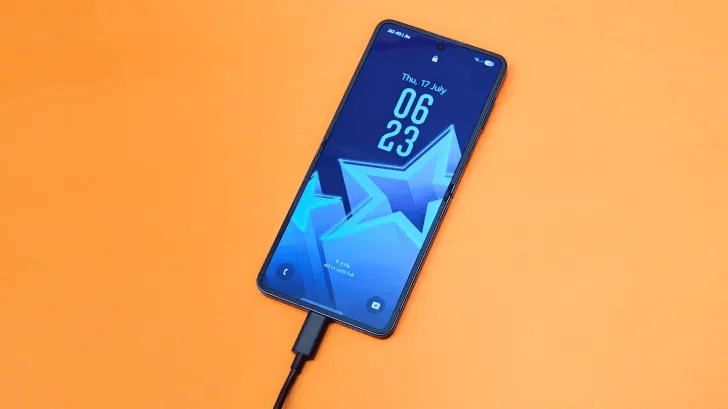
What does change is efficiency. The Exynos 2600’s 2nm architecture should draw significantly less power during everyday tasks than the 3nm Exynos 2500 inside the Flip 7. On the charging side, the Flip 8’s new chip and improved internal heat paths keep the phone cooler while plugged in, resulting in sustained 25W charging.
Also Read: iPhone 17e vs iPhone 16: The New iPhone Might Be Better For Most Users (But Not All)
Galaxy Z Flip 8 vs. Galaxy Z Flip 7: Pricing
| Variant | Galaxy Z Flip 8 | Galaxy Z Flip 7 |
| 256GB / 12GB RAM | ₹1,24,999 | ₹1,09,999 |
| 512GB / 12GB RAM | ₹1,44,999 | ₹1,19,999 |
Galaxy Z Flip 8 vs. Galaxy Z Flip 7: Verdict
Galaxy Z Flip 8

The Galaxy Z Flip 8 is the most complete flip phone Samsung has made to date. The Exynos 2600 brings meaningful CPU and GPU gains over its predecessor, the cover screen finally works like a proper smartphone display rather than a glorified widget board, and the new Flex Titanium hinge makes the phone slimmer, lighter, and produces a less obtrusive inner crease.
These aren’t incremental refinements, they’re genuine quality-of-life improvements that you’ll notice within the first few days of daily use.

If you’re upgrading from the Flip 5 or older, the Flip 8 is an easy recommendation. If you’re a Flip 7 owner, the decision is harder, but the cover screen overhaul alone may be enough to tip the scales.
| Who Should Buy It | Who Should Skip It |
| Flip 5 or older users: the generational leap is substantial across every front | Flip 7 owners on a tight budget: the ₹15,000 premium is real, and the core hardware changes are limited |
| Buyers who want the most capable cover screen experience on a flip phone right now | Those who don’t use the cover screen much: you won’t feel the One UI 9 difference |
| Gamers and power users who need sustained GPU performance without thermal throttling | Camera enthusiasts: the hardware sensors are identical to the Flip 7 |
| Anyone buying their first Samsung flip phone in 2026 | Buyers who were hoping for faster wired charging: 25W remains the ceiling |

Galaxy Z Flip 7
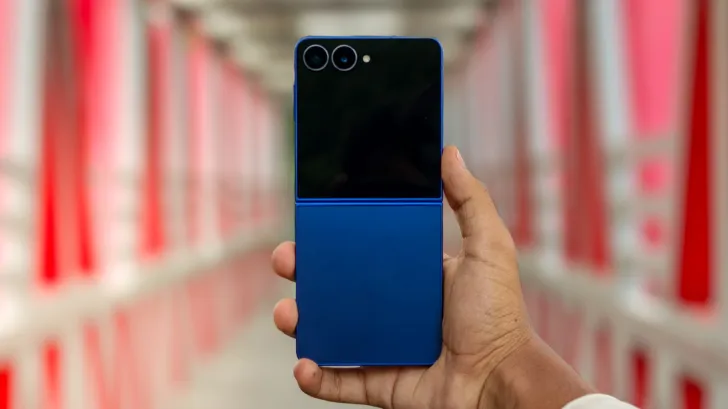
The Galaxy Z Flip 7 is still a capable, well-rounded flip phone, and at ₹1,09,999, it makes a reasonable case for itself against the Flip 8’s ₹1,24,999 ask. The camera hardware is identical, the display specs are virtually the same, and the battery capacity is unchanged. For most everyday users, calling, messaging, social media, occasional photography, the Flip 7 holds its ground.
The ₹15,000 you save is real money. Whether it’s worth spending depends entirely on how much you’ll use the cover screen and how long you plan to keep the phone.
| Who Should Buy It | Who Should Skip It |
| Budget-conscious buyers who want a premium flip experience without stretching to ₹1,24,999 | First-time flip phone buyers: for ₹15,000 more, the Flip 8 is a substantially better product |
| Users who don’t rely heavily on the cover screen for daily tasks | Those who play demanding games regularly; the Xclipse 950 throttles under sustained load |
| Those upgrading from the Flip 4 or older who want a meaningful jump at a lower price | Buyers who want the latest Android, the Flip 7 will get One UI 9 eventually, but not at launch |
| Buyers who prioritize color options: Coral Red and Blue Shadow aren’t available on the Flip 8 | Long-term holders: the Flip 8’s 2nm chip will age more gracefully over a 3-4 year ownership cycle |
You can follow Smartprix on Twitter, Facebook, Instagram, and Google News. Visit smartprix.com for the latest tech and auto news, reviews, and guides.