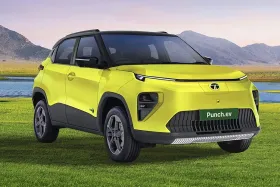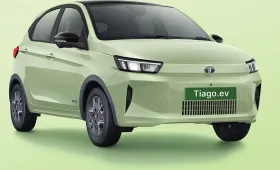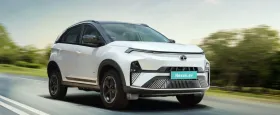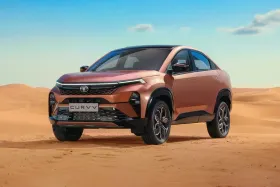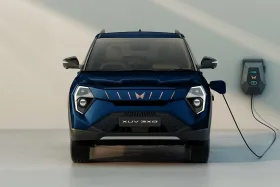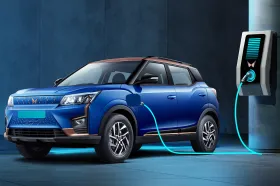


Tata recently launched the facelift of its popular EV, the Tata Punch EV. The new Punch EV was launched as a refresh of the entire Tata Punch lineup, where the car also unveiled the new Tata Punch ICE a few days before the Punch EV. The Tata Punch EV facelift has been launched at a starting price of ₹6.49 lakh (ex-showroom) with Battery As A Service (BaaS) subscription, where buyers will further pay Tata a subscription fee of ₹2.6 per kilometer. Without BaaS, the new Tata Punch EV starts at a price of ₹9.69 lakh (ex-showroom).

While we have covered all the updates on the facelifted Tata Punch EV in an earlier article, this time around Tata has done something completely new and unique with the Punch EV. This not only enhances the car’s performance, it also helps the brand keep the cost of the car in check. The updated Tata Punch EV uses something called a 6-in-1 electric drivetrain. This is the first time Tata has used this setup in its EV in India. The reason behind this is to make the Tata Punch EV cheaper, lighter, and more efficient than before. But what is a 6-in-1 electric powertrain? Let’s explain.
ALSO READ: India’s 10 Most Popular Cars And What They Offer — February 2026 Rankings
Generally, electric cars use a 3-in-1 unit electric powertrain that includes the electric motor, gearbox (reduction gear), and the inverter that converts DC battery power to AC for the motor. With the Punch EV’s latest version, Tata has taken this a step further. The new tech integrates six key parts into one:
- Electric motor
- Reduction gear
- Inverter
- DC-DC converter (which steps down high voltage to lower voltage for accessories)
- Power Distribution Unit
- On-board charger
Because all these items are packaged together, the overall size of the electric drivetrain is close to half of what it was before, and it weighs 28 percent less. Tata says this also cuts down on electrical wiring and the number of semiconductor chips needed. That helps reduce cost and improves efficiency. The drivetrain package is about 6 percent more efficient overall, and because there are fewer separate parts and connections, it will also be more reliable in the long run. Putting all the abovementioned elements into one unit also makes the Punch EV cheaper to produce. That, Tata says, helped them bring the retail price down as compared to the pre-facelift Punch EV.

ALSO READ: Tata Motors Sold 63,331 Cars In February: EVs, Commercial Vehicles Add To The Push
In an article on Autocar India, it has also been said that these kinds of integrated drivetrains are likely to be added in other EVs as well. However, it also notes one downside: if the whole 6-in-1 unit needs servicing or replacement, it will cost more since multiple parts are integrated and will have to be taken apart and checked. That is a longer, more tedious process as compared to fixing individual components separately.
However, in the case of the Tata Punch EV, the 6-in-1 drivetrain is not just a technical upgrade. It is a structural shift in how the car’s core electric system is designed and packaged. It shows commitment from Tata towards EVs where the brand is not only assembling electric cars but also actively engaging in R&D to regularly refine and evolve its EV tech.

This kind of engineering approach could help Tata keep costs under control while improving performance and efficiency across its range of electric cars. For a price-sensitive market like India, this is crucial to drive sales.
ALSO READ: Next-Gen Toyota Fortuner: Everything We Know So Far
Overall, the Tata Punch EV facelift’s 6-in-1 drivetrain is about integration, efficiency, and cost effectiveness. It reduces the car’s size, reduces the weight, reduces the amount of wiring required to put the car together, and reduces the number of components that are needed to assemble a car. At the same time, it improves the overall efficiency and simplifies manufacturing, which is a win-win situation for both the brand and the users.
You can follow Smartprix on Twitter, Facebook, Instagram, and Google News. Visit smartprix.com for the latest tech and auto news, reviews, and guides.