


TL; DR
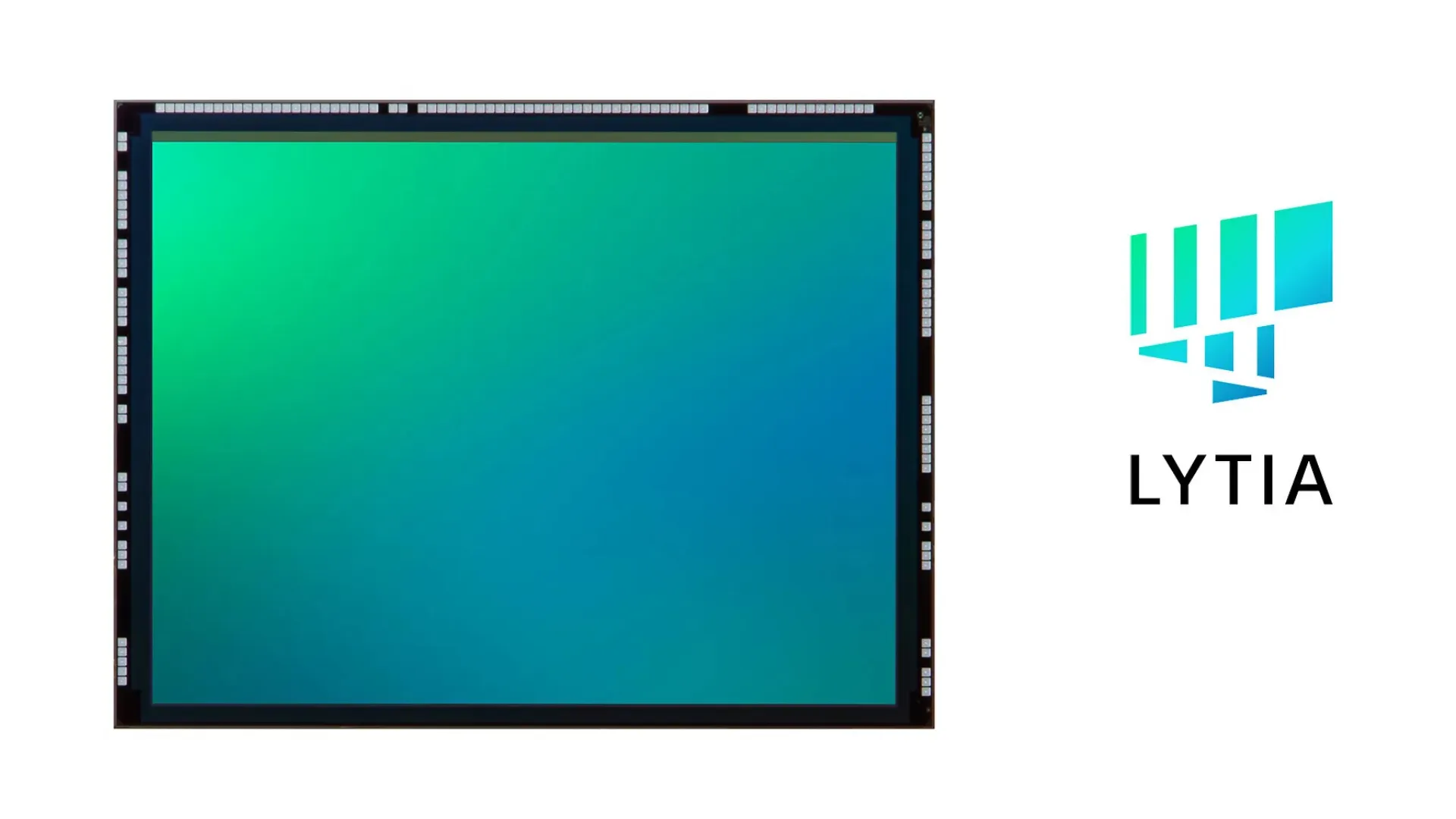
- Sony announces the LYTIA 720, a 50MP 1/1.56-type mobile camera sensor.
- The company says it cuts random noise by about 50% compared with the LYTIA 700.
- Mass-production shipments start in early November 2026; Sony has not named any phones.
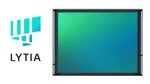
Sony has announced the LYTIA 720, a new 50MP sensor that takes after the LYTIA 700 (as well as other iterations like the LYT-710). The sensor promises better low-light performance, plus 4K 50 fps HDR video with real-time autofocus. The press release doesn’t name any phone maker yet, so for now, this is still an announcement story.
When Will Phones With The LYTIA 720 Show Up?
According to the release notes, Sony plans to begin mass production of the sensor in early November 2026. Pricing isn’t public (it rarely is, since Sony sells directly to businesses), and neither is the list of phones that will use the sensor.
It uses the 1/1.56-type format, which Sony describes as widely adopted in smartphones. I remember Motorola using Sony’s LYTIA-700 sensor or its iterations extensively in its mid-range phones around ₹30,000. Perhaps we could get to see the new sensor in the upcoming Moto Edge 70 Neo? Other brands should also follow up soon.
Also Read: Oppo Find X10 Review: Excellent Cameras, Exceptional Battery Life, And An Ambitious Price Tag
| Detail | Information |
| Planned mass-production shipping | Early November 2026 |
| Price | Not disclosed |
| Phones using it | Not announced |
| Intended use | Main camera of mobile devices |
| Format | 1/1.56-type (10.24mm diagonal) |
Also Read: Oppo K14 Plus 5G Review: 5 Things I Like & 4 Things I Wish Were Better
What Does The LYTIA 720 Actually Improve?
Low light performance remains the headline here. Sony says its UHCG circuit design cuts random noise by about 50%, which could be a huge upgrade over the LYTIA 700. In a 2 lux comparison shot, the new sensor looks brighter at similar noise levels. For now, “industry-leading” is just marketing to me unless I can experience and test the sensor in person.

Video gets the other big upgrade. Faster analog-to-digital conversion lets the sensor shoot 4K at 60 fps with HDR, plus all-pixel autofocus. This is a genuine first for a 1/1.56-type LYTIA with 1.0 μm pixels, something that could definitely make its way to smartphone review guides and marketing materials.
Single-frame HDR keeps motion artifacts in check at that speed. The sensor also gets Hybrid Frame-HDR, which blends a standard exposure with a short one to claim 100 dB of dynamic range. With the autofocus enabled, the sensor can read 50MP at 30fps, 12.5MP at 90fps, and 4K at 120fps, or 60fps with DCG-HDR on.

| Parameter | Specification |
| Model | LYTIA 720 |
| Type | Stacked CMOS image sensor |
| Optical format | 1/1.56-type (10.24mm diagonal) |
| Effective pixels | Approx. 50 megapixels |
| Pixel size | 1.0 μm x 1.0 μm |
| Color filter | Quad Bayer Coding |
| Frame rates (all-pixel AF) | 50MP (4:3): 30fps; 12.5MP (4:3): 90fps, 30fps with DCG-HDR; 4K (16:9): 120fps, 60fps with DCG-HDR |
| Dynamic range | Up to 100 dB (Hybrid Frame-HDR) |
| Power supply | Analog 2.8V/1.8V; digital 1.1V; interface 1.8V or 1.2V |
| Output interface | MIPI C-PHY 2/3 trio (up to 4.5 Gsps/trio); MIPI D-PHY 2/4 lane (up to 2.5 Gbps/lane) |
| Shipping | Early November 2026 (planned) |
Also Read: Apple’s iPhone 18e May Get A Faster Chip And A Sharper Selfie Camera

You can follow Smartprix on Twitter, Facebook, Instagram, and Google News. Visit smartprix.com for the latest tech and auto news, reviews, and guides.