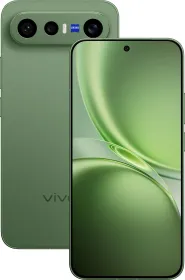



Quick Verdict
The Oppo Find X10 is a lopsided delight. One half pairs a battery that sails through long days with cameras that rarely let you down, all in a body that still fits a normal palm. The other half asks for more rupees than rivals that do a few things better. Think of it as a superb phone with an ambitious bill attached.
Buy it if:
- You want a flagship that outlasts a heavy workday and stretches across two lighter ones
- You want a polished software experience with plenty of personality and customization options
- You shoot plenty of zoomed photos and like cropping in without the mush
- You enjoy unboxing a phone that already includes its charger, case, and screen protector
Skip it if:
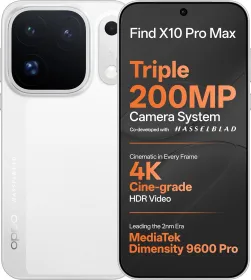
- You want the absolutely best CPU or GPU performance, which is reserved for the Find X10 Pro Max
- You want a more consistent camera experience: Apple and Google are slightly better at that
Shopping for a flagship in India this October feels like browsing a jeweler’s window before Diwali: everything gleams, and nobody is handing out freebies. A global memory-chip crunch has pushed phone prices north across the board, with even Samsung’s Galaxy S26 getting a price hike months after launch and the new iPhone 18 Pro models launching at a significant premium over their predecessors.
Into that scrum steps the Oppo Find X10, the more down-to-earth sibling of the Find X10 Pro Max (review), packing an 8,000 mAh battery, two 200MP cameras, and Hasselblad tuning. It also packs a ₹1,39,999 sticker, which can buy you phones like the Galaxy S26 Ultra (review) or the Pixel 11 Pro XL. I put it through my daily routine, so here is where it dazzles, where it fumbles, and whether it earns that premium.

HOW I TESTED
| Reviewed By: Shikhar Mehrotra (Consumer Tech, Auto, and AI Expert with 6+ years of experience, 100+ reviews) Test Unit: Oppo provided the review unit of the Find X10, with no involvement in the editorial process. Duration and Environment: I used the phone as my primary device for two weeks across home, outdoor, and commuting environments in Northern India, on a 5G SIM and on Wi-Fi alone. The unit tested was the Glacier Blue colorway. Tests: Daily usage including calls, browsing, navigation, social media, and video editing with third-party apps, synthetic benchmarks (AnTuTu v12, Geekbench 7 CPU and GPU, and a storage test) alongside the 3DMark Wild Life Extreme Stress Test (20 loops). I shot with the main, telephoto, ultrawide, and selfie camera, ran battery drain tests on heavy days, light days, and Wi-Fi-only days. Competitors: Apple iPhone 18 Pro, Google Pixel 11 Pro, OnePlus 15, Samsung Galaxy S26 Ultra |
OPPO Find X10 Price & Availability
The Oppo Find X10 is available in India in two configurations:
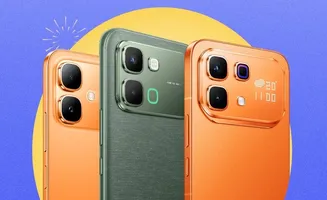
Pre-orders opened on October 22, and open sales begin on October 29, 2026, through Oppo India’s online store, Flipkart, Amazon, and offline retail stores. Color options include Glacier Blue, Glow Coral, and Mist Grey.
Pros
- Battery easily outlasts a full workday and beyond
- Charger, case, and screen protector included
- Full charge takes roughly an hour
- Stays readable in harsh Indian sunlight
- Compact enough for comfortable one-handed use
- Shrugs off rain, spills, and dusty commutes
- Fingerprint reader works with wet hands
- Main camera photos rarely need editing
- Zoomed shots stay usable well past 6x
Cons
- Asking price stings next to cheaper rivals
- Ultrawide photos look soft and color-shifted
- Preinstalled apps need clearing on day one
OPPO Find X10 Review: Tech Specifications
| Specification | Oppo Find X10 |
| Display | 6.59-inch LTPO AMOLED, 2768 x 1272 pixels, 20:9, 462ppi, 0.99mm symmetrical bezels |
| Refresh Rate | 1-120Hz adaptive; up to 144Hz in supported games |
| Brightness | 800 nits (typical), 2,000 nits (high brightness mode), 3,600 nits (peak HDR), 1 nit (minimum) |
| Processor | MediaTek Dimensity 9600M (TSMC N3P, 3nm-class); octa-core: 1 x 4.21GHz Arm C1-Ultra, 3 x 3.5GHz C1-Premium, 4 x 2.7GHz C1-Pro |
| GPU | 12-core Arm Mali-G1 Ultra |
| RAM and Storage | 12GB LPDDR5X (9600Mbps); 256GB or 512GB UFS 4.1 |
| Operating System | ColorOS 17 based on Android 17; five major OS upgrades and six years of security patches |
| Main Camera | 200MP Samsung ISOCELL HPE, 1/1.4-inch sensor, 23mm, f/1.6, OIS |
| Telephoto Camera | 200MP Samsung ISOCELL HP5, 1/1.56-inch sensor, 65mm periscope (about 2.8x), f/2.6, OIS |
| Front Camera | 50MP Samsung ISOCELL JN5, 1/2.75-inch sensor, 18mm, 100-degree field of view, f/2.0, autofocus |
| Video | 4K at 60fps Dolby Vision on all rear cameras; 4K at 120fps and 8K at 30fps on main and telephoto; Open Gate capture; O-Log2 with 3D LUT |
| Camera Software | LUMO True Image Engine, LUMO Color Palette (18 looks), LUMO Framing |
| Camera Accessory | Hasselblad Teleconverter Kit (11x optical zoom; sold separately) |
| Battery | 8,000mAh (typical) silicon-carbon |
| Charging | 80W SUPERVOOC wired; up to 55W with USB-PD chargers; 50W AIRVOOC wireless; reverse wired and wireless charging |
| Audio and Haptics | Dual stereo speakers, 3 microphones, X-axis haptic motor |
| Biometrics | 3D ultrasonic fingerprint scanner with SplashTouch |
| Connectivity | 5G, dual SIM, Wi-Fi 7, Bluetooth 6.2, NFC, USB 3.2 Gen1 |
| Durability | IP66, IP68, and IP69; SGS five-star drop resistance; Crystal Guard Glass (front and rear) |
| Colors (India) | Glacier Blue, Glow Coral, Mist Grey |
| Price (India) | ₹1,39,999 (12GB + 256GB); ₹1,69,999 (12GB + 512GB) |
| Availability (India) | Pre-orders from October 22, 2026; open sale from October 29, 2026 |
OPPO Find X10 Review: Design & Build
Before I get into the design and build, here’s what you get in the Oppo Find X10’s box.
It includes the phone, a TPU protective case (color-matched with the unit), a pre-applied screen protector (not tempered glass), an 80W SUPERVOOC fast wired charger, and a USB-A to USB-C cable. It’s a complete box, I’d say, something that’s hard to find in 2026 even after spending flagship money.
My first impression of the Find X10, the thing that struck me most, had little to do with the cameras. It was the size. At 156.51 x 74.29 x 8.35 mm and 216 grams, this phone sits in that ideal middle ground between compact flagships that feel like toys and Pro Max-class slabs that need two hands every time you pull them out of your pocket.

I could reach about 85 to 90% of the screen by extending my thumb, though I will admit the top corner still required a small stretch; that is also true for my iPhone 17.
Oppo wraps that body in an aluminum frame with a textured yet slightly smooth-to-the-touch finish, flat sides (with eight antenna bands in total), and slightly contoured edges. The back is a single piece of sculpted glass with a velvet-like texture that resists fingerprints and smudges. It is a tad shinier than my iPhone 17’s infused-glass matte rear panel.

The Snap Key on the left edge is, quite frankly, Oppo’s answer to the Action Button. By default, a short press captures the screen and saves it to Mind Space. Meanwhile, a long press records a voice note, and a double press opens AI Mind Space.
That’s the default implementation. You can also remap the key to sound profiles, the camera, the flashlight, audio recording, and other use cases detailed in the Snap Key settings menu. Other buttons, including the power and volume rockers on the right rail, provide satisfying tactile feedback.

While the Pixels lacks a programmable key at all, the iPhone also includes one called Camera Control.
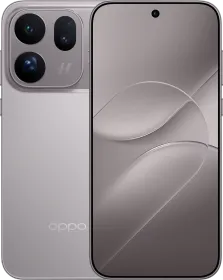
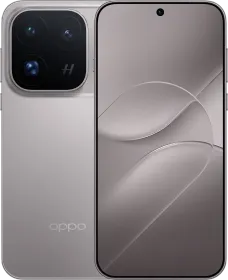
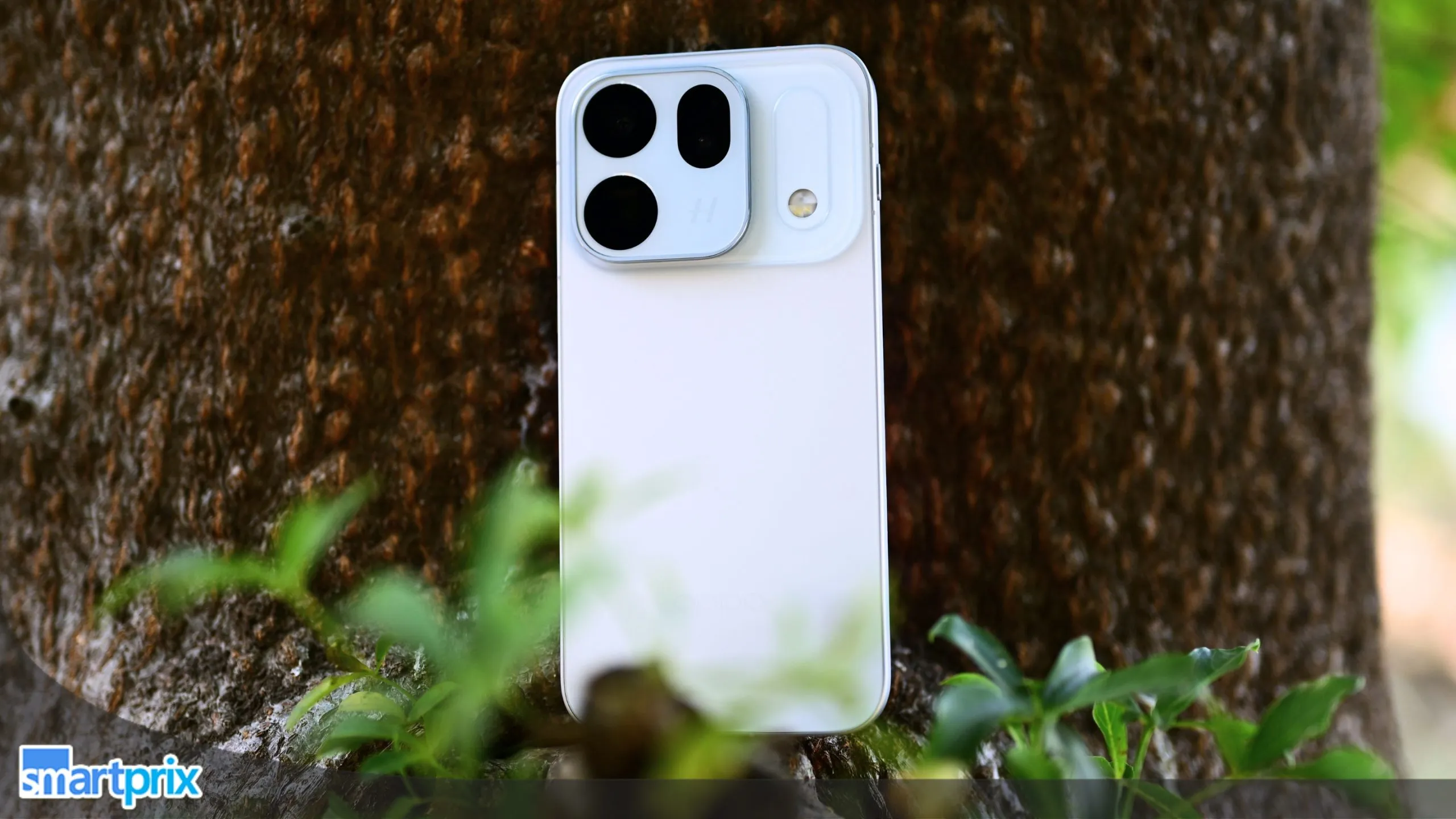
However, the phone’s visual personality, what sets it apart from the segment and other brands’ models, centers on the dual-tier camera module. The lower tier, built of translucent glass (in cool blue color), occupies the top third of the back panel (almost).

The second tier protrudes about 2 mm from the back panel and has a metallic, squircle shape (in the same cool blue shade).
It houses all the rear-facing camera sensors in black enclosures, an otherwise textured surface, and Hasselblad’s branding etched into it. To me, the Find X10 looks and feels like a deliberate and distinct phone with a comfortable in-hand feel and a differentiated identity, especially in the Glacier Blue color that I’ve received the review unit in.

Oppo also seems serious about its flagship’s durability. This phone carries IP66, IP68, and IP69 ratings. Altogether, they cover dust, prolonged immersion, and high-pressure, high-temperature water jets. The front and back both use Corning’s Crystal Guard Glass. Finally, the phone also comes with SGS’s Five-Star Drop Resistance certification.
The box includes a protective case (contents vary by market), and my unit comes with a pre-applied screen protector. After the monsoon we all just survived, that kind of protection counts for more than a spec-sheet flourish.

Biometrics get a proper upgrade too. The 3D ultrasonic fingerprint scanner reads faster and more securely than the optical scanners. Further, SplashTouch keeps it working with wet or sweaty fingers. Given how much of India spends the year somewhere between humid and sticky, that is a welcome detail.
OPPO Find X10 Review: Display & Audio
The design makes a good first impression, and the display makes a lasting one. The Find X10 features a 6.59-inch LTPO AMOLED panel at 2768 x 1272 resolution (462 pixels per inch), leaving no questions about sharpness. What I want to highlight upfront is how slim the bezels are.

At 0.99 mm. These are the thinnest bezels the company has shipped on its baseline flagship, creating a near-frameless front that feels more contemporary and delivers a more immersive experience. You might not notice the difference until you hold it next to a phone with thicker bezels.
Brightness figures look impressive on paper, but do they hold up outdoors? Oppo rates the screen at 800 nits typical, 2,000 nits in high-brightness mode, and 3,600 nits at peak for HDR highlights. That last number applies only to small bright areas of HDR content (or local peak brightness), so do not expect a full white screen to hit it.

Indoor brightness isn’t even a question, so I won’t waste words on it. What impresses me is how 2,000 nits of brightness keeps the display’s minute details and text legible in direct sunlight; you won’t have to hide your phone’s display with your hand in order to use it. So Google Maps, Instagram, and WhatsApp stay perfectly readable in harsh sunlight.
And yes, the display does a slightly better job of remaining visible than the iPhone 17.

Color is where the Find X10 quietly shows off. The panel supports the BT.2020 color gamut at 95% coverage. To put things in perspective, that is roughly 40% more color space than the DCI-P3 standard most flagships use. In plain terms, saturated scenes like fireworks and vivid landscapes have more range to work with on the display.
Further, Dolby Vision content looks richer. The screen is 10-bit, so gradients stay smooth without banding; though a regular user may not notice it on a smartphone screen, it’s my responsibility to mention it either way. The panel is also easy on the eyes after dark, with brightness as low as 1 nit, so you can still see the screen in an absolutely dark room.

PWM dimming (the rapid flicker some screens use to lower brightness) runs at 3,840Hz below 70 nits, then switches to DC dimming above that (better than the iPhone 17 or the Pixel 11 series).
Add TUV Rheinland certifications for low blue light and intelligent eye care, plus an AI feature that reminds you to hold the phone at a healthy distance, and the Find X10 makes a reasonable case for being the screen to read on at 2 AM (though I don’t personally recommend that).

I do have one honest caveat on refresh rate. The panel scales from 1Hz to 144Hz. However, 144Hz is available only in supported games. Oppo lists Call of Duty: Mobile, PUBG Mobile, and Free Fire as supported. Everywhere else, you are looking at 120Hz or lower. It still looks excellent, though the headline number doesn’t do much more in daily use.
Audio is where my enthusiasm cools slightly. The stereo speakers produce a pleasing sense of space with vocals that stay clear and unmuddied. At high volume, though, the output starts to harden, and the bottom speaker does more work than the earpiece, so the soundstage can feel lopsided.

My iPhone 17’s speakers produce slightly fuller, richer sound (the same applies to its microphone).
That said, the X-axis haptic motor is excellent. It delivers crisp, precise taps that make typing more engrossing and satisfying than other phones. However, I’d still give the edge to the iPhone 17 and the Pixel 11 Pro XL (it’s a bigger phone, though) that I recently used.
OPPO Find X10 Review: Performance
This is one area (besides the phone’s cost) where the global memory and components crisis clearly shows up. Last year, the Find X9 and Find X9 Pro both ran on MediaTek’s only flagship chipset of the year, the Dimensity 9500 (3nm).

This year, the company launched two chipsets for the Indian market: the Dimensity 9600 Pro (2nm), its top-end silicon, and the Dimensity 9600M, basically the Dimensity 9500 optimized for agentic AI. As mentioned in our feature on the topic, it adds a new Agentic AI Engine and Dimensity Scheduling Engine to improve on-device AI performance.
But that’s it. The Dimensity 9600M doesn’t get the same hardware as the 9600 Pro. This tiered strategy reserves the best hardware for top-end phones, which cost significantly more than last year’s predecessors, and that’s how manufacturers are coping with rising component costs and BOM.

Enough industry commentary; here’s what that means for the Find X10 buyer.
The Dimensity 9600M is built on TSMC’s N3P 3nm-class process. It is an octa-core chip made entirely of big cores (1 x 4.21GHz Arm C1-Ultra core, 3 x 3.5GHz C1-Premium, and 4 x 2.7GHz C1-Pro designs), paired with a 12-core Mali-G1 Ultra GPU, 12GB of LPDDR5X RAM, and 256GB or 512 GB of UFS 4.1 storage.
A 4,700 mm² vapor chamber handles cooling, and a dual-NPU setup keeps background AI tasks from draining the main chip.

Day-To-Day Performance
Day to day, the Find X10 is fast; it feels like a flagship. Apps open instantly, multitasking never stutters, and the interface stays smooth even with a pile of apps open.
Whether you’re scrolling quickly to check for lag, rapidly switching between two or three apps, switching between a video game and the camera app, or editing videos on the device with third-party apps, the chipset handles it all.
RAM management is also quite good, as the phone keeps around 7 to 8 apps in memory (including one or two heavy ones). I did notice the software killing the heaviest app in memory, mostly a game, but that shouldn’t affect regular users. This is where the 12GB of RAM feels like a ceiling, especially at an asking price of ₹1.4 lakh.


Synthetic Benchmarks
| Benchmark | OPPO Find X10 (Dimensity 9600M) |
| AnTuTu v12 Score | 3,200,993 |
| Storage (Score, Sequential Read Speed, Write Speed) | Score: 84,440; Sequential Read: 2,282.8 MB/s; Sequential Write: 2,187.7 MB/s |
| Geekbench 7 CPU (Single-Core, Multi-Core) | Single-Core: 2,073; Multi-Core: 7,624 |
| Geekbench 7 GPU (OpenCL, Vulkan) | OpenCL: 18,792; Vulkan: 22,799 |
| 3DMark Wildlife Extreme Stress Test (Best Loop, Lowest Loop, Stability) | Best Loop: 6169; Lowest Loop: 3667; Stability: 59.4% |

Gaming Performance
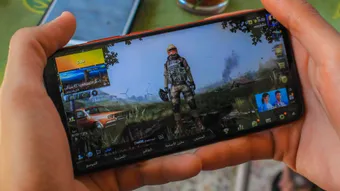
For gaming, the phone delivers 120fps gameplay (available as “Ultra Extreme” in the “Frame Rate Settings”) in Battlegrounds Mobile India (BGMI) at Super Smooth and Smooth graphics settings. From the Balanced setting onward, though, the frame rate remains restricted to Extreme.
While playing a couple of Erangel matches back-to-back at Smooth graphics, I averaged around 121 fps, which is quite great. Instantaneous frames per second hit 123-124 fps in the same graphics settings. Even after three sessions of around an hour or slightly more, the back of the phone only got slightly warm, which is great. One more thing: enabling a higher touch response rate seems to disable the 120 fps frame rate at the system level.


Sustained Performance
The caveat, however, is sustained heavy load. In 3DMark’s Wild Life Extreme Stress Test, performance stability dipped to around 59% from the second loop onward. However, it stayed at that level for the remaining 19 loops. That suggests that once the performance throttles, it settles.
This suggests the chip throttles when pushed to its limit. In a very demanding game, I had to drop from the Cinematic to the Extreme preset to hold a stable 60fps, something the Pro Max reportedly does not require. If you want the absolute ceiling, this is a reminder that the Pro Max exists for a reason.

For testing or heavy sessions, note that Oppo offers a High-performance mode under Settings > Battery. Turn it on before you benchmark or game for long stretches, and the phone will be less careful with its thermal limits. fthre
OPPO Find X10 Review: Software
Raw speed tells only half the story; the other half is the software. The Find X10 ships with ColorOS 17 on top of Android 17, and if I had to describe it in one word, it’s polished. Oppo has leaned into a Liquid Glass-style look. It features translucent panels across the quick settings section, the Recents screen, folders, widgets, and the lock screen.

It looks seamless, though if you have seen a recent iPhone, you will recognize where the ideas came from. The UI feels quick and snappy. Oppo claims its Aurora Engine cuts app startup time and runtime memory use by 25%, while the Tidal Engine schedules resources in the background.
I cannot verify the percentage, but apps launch quickly and stay in memory better than they used to. Animations are smooth and responsive. The Smart Sidebar lets you jump between tools quickly without leaving your current app.

Now for the AI, which is more useful than usual. AI Mind Space collects your screenshots, notes, and reminders into a searchable database, and the Snap Key opens it with a double press. By default, Mind Pilot on my unit used ChatGPT to generate answers and review screenshots in Mind Space.
The Agent Mode completes goals instead of answering questions (such as planning an itinerary from screenshots or other apps), powered by a 5.1 GB LLM installed on the device, with an option to download another 2.6 GB and upgrade.

Agent mode can organize photo albums, rename files, and generate presentations or collages. Gallery also accepts natural-language edits for color, reflections, and backgrounds, though results are inconsistent. These abilities are powered by Aesthetics LLM, which takes about 1.5 GB of device storage (and can be updated by downloading another 765.3 MB).
The default AI assistant is Gemini, which lets you use voice commands, share screenshots or pictures, or use Gemini Live to answer your questions. Then there is OSee, Oppo’s visual intelligence tool, which works like Google Lens.


A few annoyances remain. Some preinstalled third-party apps arrive on the phone, and I would clear them out in the first ten minutes. ColorOS can also be aggressive about killing background apps, which delayed a few notifications for me. The fix is simple: head to the battery settings and let your important apps run in the background.
Oppo also promises five years of major OS updates and six years of security patches, which is respectable but trails Samsung and Google’s seven years of each.

OPPO Find X10 Review: Cameras
The hardware starts with a 200MP (f/1.6) Hasselblad main camera and a large 1/1.4-inch sensor with optical image stabilization (obvious at this price point). What’s not obvious, however, is the 200MP (f/2.6) periscope telephoto with a 1/1.56-inch sensor and a 65mm equivalent focal length (roughly 2.8x), and OIS. Yes! The Find X10 ships with two 200MP cameras.
A 50MP (f/2.0) ultra-wide camera with autofocus (doubles as a macro shooter) and a 15mm equivalent completes the trio. Finally, the 50MP (f/2.0) front camera, based on a 1/2.76-inch sensor, adds autofocus and a 100-degree field of view for selfies.

Beyond those four sensors, the flagship also features a True Color Camera, a 3.2MP multispectral sensor that reads 24 color channels and feeds color information to Oppo’s LUMO True Image Engine.
The True Color Camera (tied to Oppo’s second-generation Danxia approach) supplies richer multispectral data, up to 15EV dynamic range, and I found it keeps white balance more consistent under mixed lighting than most phones manage. The aim is to make pictures look like what you actually saw rather than what an algorithm decided to improve. Sharpening, noise reduction, and HDR tone mapping are dialed back, so photos look a little subtler at first glance than those from phones that over-process.

Default Resolution & How To Capture At 200MP
By default, the phone shoots up to 25MP images (1/8 the maximum resolution) across the 0.6x to 9.9x zoom range, so you don’t have to manage huge files. In low light, it combines more pixels (pixel binning) and switches to 12MP for clearer results. At 10x or above, the camera defaults to 12MP.
You can also capture photos at full 200MP resolution by enabling Hasselblad Hi-Res Mode and tapping the 200MP icon at the top of the viewfinder. I did that for landscapes, and the cropping flexibility is quite real, I’d say. In good light, Hi-Res also supports 50MP Ultra-Clear options at multiple focal lengths (including interpolated steps around 46mm and 130mm).


The main and telephoto sensors are Samsung ISOCELL units (HPE-class on the main, HP5 on the telephoto), with CIPA 6.0 and CIPA 7.0 stabilization respectively. In practice, that extra stabilization made handheld 200MP and longer zoom shots noticeably steadier than I expected.
The sheer resolution headroom here immediately stands out against the iPhone 17’s 48MP (default 24MP) main and crop-based 2x, and even the Pixel 11 Pro’s strong 50MP main, giving the Find X10 far more usable crop flexibility.
Primary Camera
Daylight shots from the main camera are the star of the show. Colors stay natural (with or without human subjects), dynamic range is excellent, and the detail made me zoom in just to enjoy it (especially in 200MP mode).


The restrained LUMO processing preserves more genuine texture while still delivering strong HDR performance in mixed or backlit scenes, which I appreciated when shooting against bright windows or late-afternoon sun.


At night, the main camera keeps noise in check. At the same time, it retains detail well. However, bright light sources might bloom in some shots. The ISP also relies on AI-based sharpening to make the pictures look more detailed.


Compared with the iPhone 17’s consistently clean, balanced daylight results and the Pixel 11 Pro’s excellent shadow recovery and natural skin tones, the Find X10 pulls ahead in fine-detail retention when you dig into the files.
Telephoto Camera
Zoom is the other highlight. The 200MP telephoto is my favorite on the Find X10, and its sensor resolution lets Oppo crop losslessly to 6x and beyond. Colors match the main camera closely (though I’ve noticed a few anomalies here and there), keeping your gallery consistent when you switch between lenses.


In low light, the telephoto loses some sharpness, especially in the shadows. However, it still remains usable for social media. Its minimum focus distance is around 30 cm, compared with 10 cm on the Pro Max. So, anyone trying to capture tele-macro shots with this one will need rock-solid hands or a tripod.


The larger 1/1.56-inch sensor and CIPA 7.0 stabilization give it more headroom than typical mid-range periscopes. I found crops to 6x (and even further in good light) retained usable detail without collapsing into pure digital mush as quickly as smaller-sensor zooms.


This is where the Find X10 pulls furthest ahead of the regular iPhone 17 (which relies on main-sensor crops for 2x and beyond) and stays competitive with the Pixel 11 Pro’s capable 5x telephoto, especially once you start cropping into the 200MP files.


If you want to push zoom further, the Hasselblad Teleconverter Kit is the answer. Paired with the telephoto, it delivers 11x optical zoom, and cropping into the 200MP sensor stretches that to 20x and beyond. It is a clever accessory. But at ₹24,999, it is a serious add-on, so I would treat it as a hobbyist upgrade rather than a necessity.


Ultrawide Camera
The 50MP ultrawide camera is the outlier in this section, both in resolution and overall camera quality. To begin with, the camera works quite well for sweeping landscapes in good light. However, detail drops noticeably compared with the main and telephoto cameras, and you’ll notice as soon as you zoom in.


Edge sharpness and fine texture also trail the 200MP pair more clearly than the Pro Max’s larger ultrawide, and low-light performance softens further, with more noise and reduced clarity. For me, the most noticeable difference was the subtle but evident color shift.

Selfie Camera
Selfies are sharp, with natural skin tones and no aggressive beautification, and the wide field of view fits group shots easily. The 50MP front camera (Samsung JN5, roughly 1/2.76-inch) now uses an 18mm-equivalent lens for a 100-degree field of view, wider than the previous generation’s ~21mm, while retaining autofocus and supporting up to 4K/60 video with EIS.


That extra width made group selfies and casual vlogging noticeably more comfortable.
Portraits, however, look more artificial than anything from the rear cameras. LUMO Color Palette adds 18 built-in looks, including new Clarity and Amber portrait styles, film simulations like Portra, and LUMO Framing, which offers on-device composition suggestions in the viewfinder.


These styles include dedicated skin-tone protection so adjustments affect the background more than faces, and the effects remain reversible in the gallery. I liked being able to experiment without locking myself into a look. I found the film fun to play with, but I turned off the framing suggestions after a day.
The FOV is wider than that on my iPhone 17’s excellent new 18MP Center Stage camera, which is great for group pictures.


Video Performance
Every rear camera records 4K at 60fps in Dolby Vision, and the main and telephoto go further with 4K at 120fps and 8K at 30fps. Open Gate capture records the sensor’s full area for more flexibility when you reframe footage, though electronic stabilization turns off when you use it.
Add O-Log2 with real-time LUT preview (plus the option to burn the LUT in or import custom ones, and full Blackmagic Camera app support), and creators get a toolset rarely seen at this price. I found the Log workflow particularly useful for retaining flexibility in post without the usual smartphone color baked in.


Stabilization is strong, and video colors look vivid and accurate. My complaint is speed. Camera processing takes a beat longer than I would like after each shot, and the Quick Button found on the Find X8 Pro and Find X9 Pro is gone.
OPPO Find X10 Review: Battery
I have saved my favorite part for last. The Find X10 carries an 8,000 mAh silicon-carbon battery, the largest ever in a Find series phone. In fact, it is bigger than all its immediate competitors in the Indian flagship market at a similar price, including the iPhone 18 Pro (review), the Pixel 11 Pro or Pro XL, and the OnePlus 15 (though that’s last year’s flagship).

On my heavier days of gaming, video, calls, navigation, filming, and back-to-back benchmark runs for around an hour, I still got roughly 7.5 to 8 hours of screen-on time (with a 5G SIM), which is quite good. Though the difference is minimal, the Find X10 tends to outlast the other flagships mentioned earlier, which tend to drop to around 7 to 7.5 hours.
On lighter days, screen-on time easily hits the low double digits: around 10 to 11 hours. Depending on your daily usage, you can easily spread your active screen sessions over two days. If you use it as a secondary smartphone on Wi-Fi without a SIM card, it could even reach 12 to 13 hours.


The Find X10 supports 80W SUPERVOOC wired charging with the included charger, which is a big plus. A full charge takes around 60 to 65 minutes, which is really good for a battery of this size. This is not the fastest charging I’ve seen or used on a smartphone, but given how long the battery lasts between charges, I am content with it.
I didn’t have a 50W AIRVOOC charger, so I couldn’t test wireless charging speeds.
Review Verdict: Should You Buy the OPPO Find X10?
I came away from the Oppo Find X10 admiring it more than I expected and eyeing its price tag more warily than I’d like. The day-to-day wins are tangible. On my heaviest days, I still squeezed out seven and a half to eight hours of screen-on time, and the bundled 80W charger refilled the tank in about an hour. The display stayed legible in direct sunlight without my hand shading it. Add a body I could reach across with one thumb and IP69 protection for the monsoon, and this is a phone that rarely nags you.
It does have warts. Oppo’s software kills background apps with gusto and ships with preinstalled clutter, the 12GB of memory feels like a ceiling at this price, and long gaming loads eventually make the chip back off. Telephoto close-ups also need a tripod or very steady hands, and portrait selfies look a touch artificial.
Last year, the Find X9 debuted in India at ₹74,999 around the same time. And now, the memory crisis has made it so difficult for manufacturers to source components that six-figure pricing has become a new norm. Phones that debuted with a lower price, and much lower specifictions than the Find X10, like the baseline iPhone 17 for example, now cost much more than what they launched for.
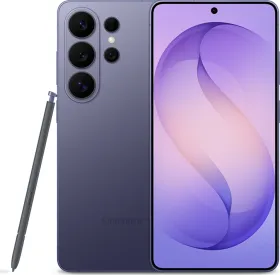
The launch offers like the 12% instant discount and exchange bonus of ₹8,000 do soften the blow, bringing the effective price of the phone to ₹1,15,200. At ₹1,39,999, you could also look at the Pixel 11 Pro XL known for its stock Android and camera experience, or the Galaxy S26 Ultra for more camera versatility, a longer software commitment, and S Pen.

Smartprix ⭐ Rating: 9/10
- Design and Build:9.5/10
- Display: 9.25/10
- Speakers: 8.25/10
- Software: 9.25/10
- Haptics: 9/10
- Biometrics: 9.25/10
- Performance: 8.5/10
- Cameras: 9.25/10
- Battery Life & Charging: 9.5/10
First reviewed in October 2026.