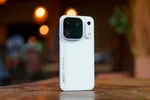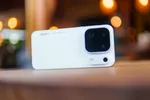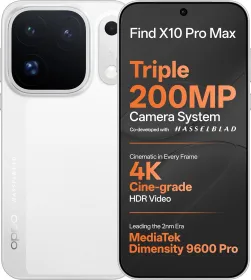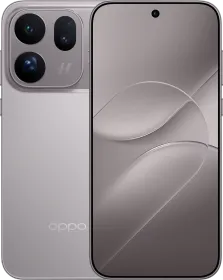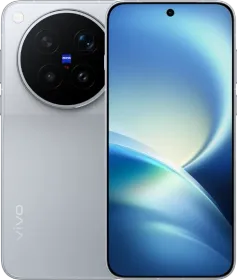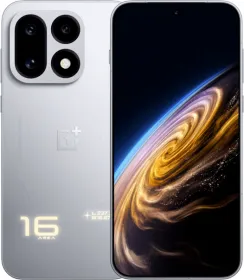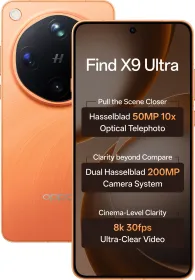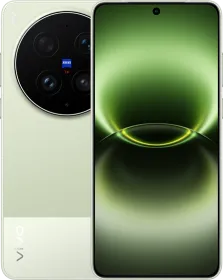



The OPPO Find X10 Pro Max takes an unusual approach to smartphone photography. Instead of reserving its highest-resolution sensor for the main camera and making compromises elsewhere, OPPO has equipped all three rear cameras with 200 MP sensors. That includes a 13 mm ultra-wide and a 3X telephoto that can focus as close as 10 cm.
The hardware is only part of the story. The Find X10 Pro Max also brings Hasselblad color tuning, a dedicated True Color Camera, LUMO’s image-processing tools, and an extensive set of video features, including 4K 120fps recording, Open Gate capture, and O-Log2.
I’ve spent time shooting with all three rear cameras, testing different focal lengths, photographing close-up subjects, and recording video in different lighting conditions. Here’s how the camera system performs in everyday use, where it stands out, and where it still has room to improve.
Triple 200 MP Cameras: What You Get
The rear camera system consists of three 200 MP sensors, each serving a different purpose.

- Main Camera: 200 MP Samsung HPC, 1/1.3-inch, 24mm, f/1.5, Deep Pix, OIS, AF, 4K30/60/120, 8K30
- Ultra-wide Camera: 200 MP Samsung HP5, 1/1.56-inch, 13 mm, f/2.2, AF, 4K30/60/120, 8K30
- Telephoto Camera: 200 MP Samsung HP5, 1/1.56-inch, 70 mm, f/2.1, OIS, AF, 3X optical, 10 cm telemacro, 4K30/60/120, 8K30
- Front Camera: 50 MP Samsung JN5, 1/2.76-inch, 18 mm, f/2.0, AF, 4K30/60
There’s also a 3.2 MP multispectral True Color Camera to help the phone capture additional color information.
Main Camera
The main camera uses the new Samsung HPC sensor, a 1/1.3-inch unit with Deep Pix. It is automatic, so you do not have to manually turn it on. In high-contrast scenes it pulls shadow detail that an iPhone shot of the same scene often leaves darker.


Shots against brighter backgrounds keep the texture in the shadows without harsh halos. Colors lean natural rather than oversaturated, and the processing does not turn fine textures into watercolor when you zoom in. Low light is solid too. Brighter lamps and neon do not blow out the way they sometimes did on previous devices.

LUMO Color Palette
The LUMO Color Palette is one of my favorite additions to the camera app because it gives me quick control over the look of an image without requiring a separate editing app. OPPO includes 18 built-in looks, including the new Pearl and Amber styles for portraits, alongside film-inspired options such as Portra, Positive Film, NC, and CC.

Each look can be adjusted through an on-screen control grid, with vertical movement changing the tone and horizontal movement adjusting saturation. My main request is the ability to copy and paste custom presets when editing photos later in the gallery.

LUMO Framing
OPPO has also included something called LUMO Framing that analyzes the scene in real time and suggests adjustments to the composition through the camera viewfinder. It could help someone just starting out. I did not find it especially useful for my own shooting.

Default 25 MP Photos
By default, the phone shoots 25 MP from all three rear cameras when the light allows (from 0.5X to 9.9X). In good conditions it stays at 25 MP, I would say even in evening lighting. In low light, it usually goes to 12 MP.


For even more resolution, there’s the Hasselblad Ultra-Clear mode, and it’s now even faster than it was on the Find X9 Pro. You can take 200 MP photos at 0.5X, 1X, and 3X. 50 MP is available from 0.5X to 6X.
True Color Camera and LUMO True Image Engine
Color consistency is one of the areas OPPO has focused on with the Find X10 Pro Max. Alongside the three rear cameras, the phone has a dedicated True Color Camera that captures additional color information to help the processing system reproduce scenes more accurately. OPPO says the new-generation sensor uses 24-channel multispectral capture and offers 5.5 times the dynamic range of its predecessor.

The sensor works with the LUMO True Image Engine and Hasselblad color science to maintain more consistent color and tonal rendering across the main, ultrawide, and telephoto cameras. It helps preserve natural skin tones, retain the atmosphere of a scene, and reduce the overly aggressive HDR processing that can make smartphone photos look artificial.


In my testing, switching between the three rear cameras produced consistent colors. On most phones you notice a huge shift when you go from the main camera to the ultra-wide to the telephoto. Here that does not happen.
One thing I absolutely love about the OPPO Find X10 Pro Max is how closely the viewfinder matches the final photo. You can actually trust what you’re seeing on the screen, with the captured image looking almost identical to the preview. It makes shooting feel far more predictable.

Master Mode
Deep Pix can sometimes lift the shadows too much and make the image look flat. That is where Master Mode helps. Master Mode has been refined further. Photos from it have a clearer sense of depth and the shadows stay controlled.


You can adjust sharpness, vignetting, and other settings directly. I prefer the standard style with a little color palette tweaking, vignetting turned off, and sharpness somewhere between 0 and 30.
That combination looks natural to me and avoids the oversharpening that can show up in Photo mode. You can shoot JPEG, JPEG Max, RAW, and RAW Max here. RAW Max and JPEG Max are the 50 MP versions. The RAW files have good latitude. Master Mode also lets you zoom up to 10X while staying in the mode.
Ultra-wide
The ultra-wide on the Find X10 Pro Max is superb. It is a 200 MP Samsung HP5, 1/1.56-inch, at 13 mm. That is properly wide and a clear upgrade over the Find X9 Pro, which was stuck at 15 mm.
In daylight, the detail stays close to the main camera across the frame. It’s quite hard to tell the difference between this and the main camera.


You can also take surprisingly good macro photos using this ultra-wide, with a close focusing distance of just 4 cm. That gives you another way to photograph small subjects, especially flowers, textures, and intricate details.
What surprised me more is how well it holds up in low light at 4K30. Switching from the main camera to the ultra-wide in the same scene shows almost no drop in quality or dynamic range. At 4K60 it falls behind a bit, but at 30 fps the gap is small enough that I stopped thinking about it.


In the above examples, you can see the insane amount of detail captured by this ultra-wide camera. You can crop a lot and still have a really good image.
This is the first ultra-wide on a Pro Max where I did not feel like I was compromising every time I used it. Low light video from the ultrawide also looks cleaner than the iPhone 18 Pro, with much less noise and more retained detail.
Telephoto
The 3X telephoto is the 200 MP Samsung HP5, 70 mm, with 10 cm telemacro. That close focus is genuinely useful. Most phone telephotos, including the iPhone’s, cannot focus closer than around 75 cm. Here I could get tight shots of textures and smaller subjects.


For standard zoom shots too, the 3X telephoto does an incredible job. The amount of depth and natural blur you get on this smartphone still amazes me. 3X and 6X shots look amazing, with great detail, although anything past that can soften up quickly.


I found zoom shots up to 10X really good, with less AI enhancement. 15X and 20X are also usable, but they involve a lot more AI processing that I’d like. And if you’re wondering, you can zoom up to 120X using this smartphone.
Portrait Mode
Portraits at 3X look excellent. Edge detection is clean, skin tones stay realistic, and the colors hold up without looking plastic. I really like the separation and the way faces retain texture when beautification is off. OPPO has nailed the portrait mode once again.


Hasselblad Teleconverter
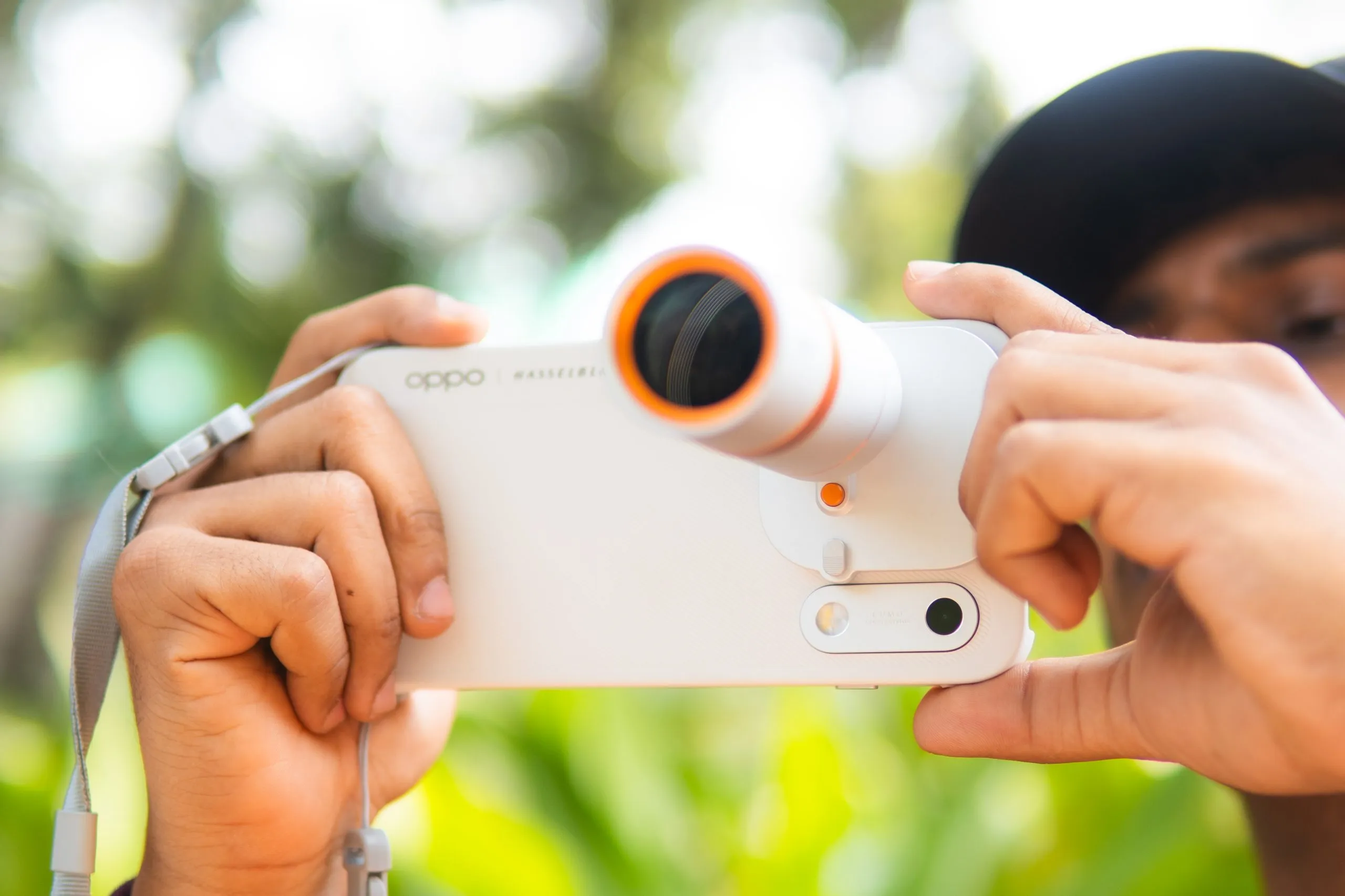
The Hasselblad teleconverter is a 3.28X unit that pairs with the 70 mm lens to give roughly 230 mm equivalent. The depth of field and compression you get from it are amazing.


Background blur looks more like a compact camera than a phone crop, and you can shoot both photos and videos with it. Focus pulling also works really well.


You cannot use the color palette or Master Mode while the teleconverter is attached, and RAW is not available in that mode either. I wish those options were open. You can still access stage lighting and flash, which helps.


Zoom goes up to 200X. Yes, 200X. Although I would not suggest going beyond 60X if you want the most natural results. The crops at the lower end are very impressive for a phone telephoto.

The teleconverter is a great tool for concerts, wild life photography, or even street photography. It is incredibly versatile, and really to snap on and take off. It also fits easily in most pockets without adding too much bulk.
Hasselblad XPan Mode
The Find X10 Pro Max also includes Hasselblad XPan mode, which captures images in a cinematic 65:24 aspect ratio inspired by the classic XPan panoramic camera. The mode also includes an animation inspired by the look of film development.


Front Camera
The selfie camera is a 50 MP Samsung JN5, 1/2.76-inch, with autofocus at 18 mm. Earlier OPPO selfies sat around 21 mm, which was already wide, but 18 mm is wider still and useful for video or vlogging.


Daylight selfies keep more texture and group shots are easier because the autofocus adjusts. Low light is improved too. Video from the front is clean and the field of view is more than wide enough for most situations.
Read our full review of the OPPO Find X10 Pro Max here: OPPO Find X10 Pro Max Review: Three 200 MP Cameras, One Incredible Package
Video Recording
Video is one of the strongest parts of the Find X10 Pro Max camera system. All three rear cameras support 4K recording at 60fps and 120fps, along with 8K recording at 30fps.

In my testing, the main and telephoto cameras retained good detail and dynamic range, including scenes with bright backgrounds. The ultrawide also held up particularly well at 4K30, with a smaller drop in detail and image quality than I have come to expect when switching to an ultrawide camera on other phones.
OPPO also supports 4K120 Dolby Vision recording through the native camera app, along with up to 17 stops of dynamic range from the main camera. These are notable capabilities for creators who regularly shoot professionally.

Open Gate Capture is another important addition. Available across all three rear cameras in Pro Video mode, it uses more of the sensor’s imaging area to capture additional room for reframing footage in post-production. This makes it easier to adapt one recording for landscape, portrait, and other aspect ratios.

There is one important limitation: electronic image stabilization is disabled when Open Gate is enabled (for obvious reasons), while optical stabilization remains active. A gimbal is worth considering for shots that require smoother movement.

The phone also supports O-Log2, OPPO’s second-generation log recording format, at 4K60, 4K120, and 8K30. The flatter profile retains tonal and color information for grading later, while real-time LUT previews let you monitor a selected look on the display during recording. Something I really appreciate is that a selected LUT can be applied directly to recorded footage.
And if that still isn’t enough, OPPO has also partnered with Blackmagic Design to bring native integration with its professional video tools.
OPPO Find X10 Pro Max Camera Review: Verdict
The OPPO Find X10 Pro Max has an incredibly versatile camera. The main camera captures detailed photos with natural colors, but the ultrawide is the real surprise. Its 13 mm field of view, strong detail, close-focusing ability, and capable video performance make it actually useful instead of a secondary camera you only reach for occasionally.

The 3X telephoto adds another layer of versatility with excellent portraits and 10 cm telemacro photography. The optional Hasselblad teleconverter takes that further for users who regularly shoot distant subjects, while the extensive video options make the phone appealing to creators who want more control over their footage.
There are still compromises. Long-range zoom quality drops as magnification increases, and attaching the teleconverter disables many of the camera’s creative controls. The full range of video features will also be more useful to enthusiasts and creators than to casual users.

Taken together, the triple 200 MP setup, the much better ultrawide, the close-focusing telephoto, and the video performance make the OPPO Find X10 Pro Max one of the more complete camera systems I have used this year.

You can follow Smartprix on Twitter, Facebook, Instagram, and Google News. Visit smartprix.com for the latest tech and auto news, reviews, and guides.