


TL; DR
- The iPhone 18 Pro and Pro Max introduce Apple’s first mechanical variable aperture on an iPhone.
- The 48MP Fusion Main camera can switch between f/1.48, f/1.8, f/2.8 and f/4.0.
- A wider aperture lets in more light and creates shallower depth of field, while a narrower aperture keeps more of the scene in focus.
- Apple also adds manual aperture controls and a developer API for third-party camera apps.
- It gives the iPhone real optical control over light and depth of field instead of relying entirely on computational photography.
For four generations, iPhones have stuck with a fixed aperture on the main camera. The iPhone 14 Pro, 15 Pro, 16 Pro and 17 Pro all used an f/1.78 aperture, so the physical lens opening stayed the same regardless of the scene.
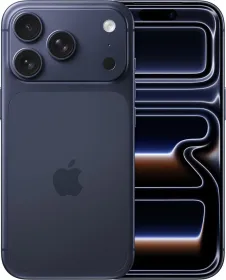
That changes with the iPhone 18 Pro and iPhone 18 Pro Max. Their 48MP Fusion Main camera gets a mechanical variable aperture, an iPhone first. It is one of the more substantial camera hardware changes Apple has made in recent years, and it has practical uses beyond adding another number to the spec sheet. Here’s how it works and why it matters.
What Does Aperture Actually Do?
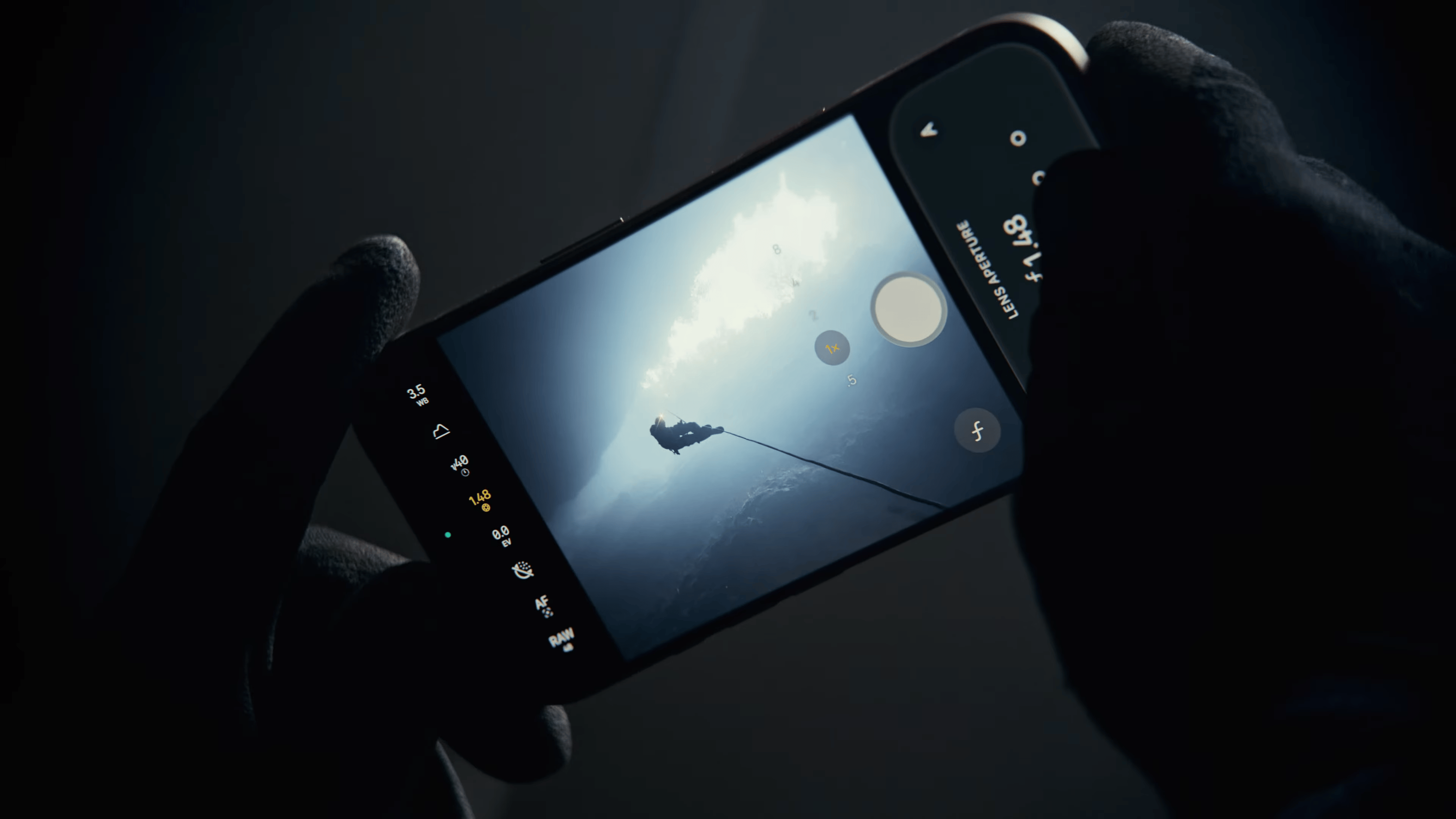
Aperture controls how much light passes through the lens and reaches the camera sensor. It is measured using f-stops, where a smaller number means a wider opening. So, f/1.48 lets in more light than f/4.0.
Changing the aperture affects two main things: light and depth of field. A wider aperture lets in more light, which is useful in darker scenes. It also creates a shallower depth of field, keeping the subject in focus while making the background appear more blurred.
ALSO READ: Apple Launches iPhone 18 Pro and iPhone 18 Pro Max With Variable Aperture and A20 Pro
A narrower aperture reduces the amount of light reaching the sensor and increases the depth of field, keeping more of the scene in focus. That can be useful for things such as group photos where people are standing at different distances from the camera.
Until now, iPhones have relied on a fixed physical aperture and computational photography for much of this control. Portrait mode, for example, uses depth information and software processing to create background blur rather than physically changing the lens aperture.\
ALSO READ: Apple Finally Goes Foldable — iPhone Duo Price, Specs, India Availability Explained
How Apple Built It


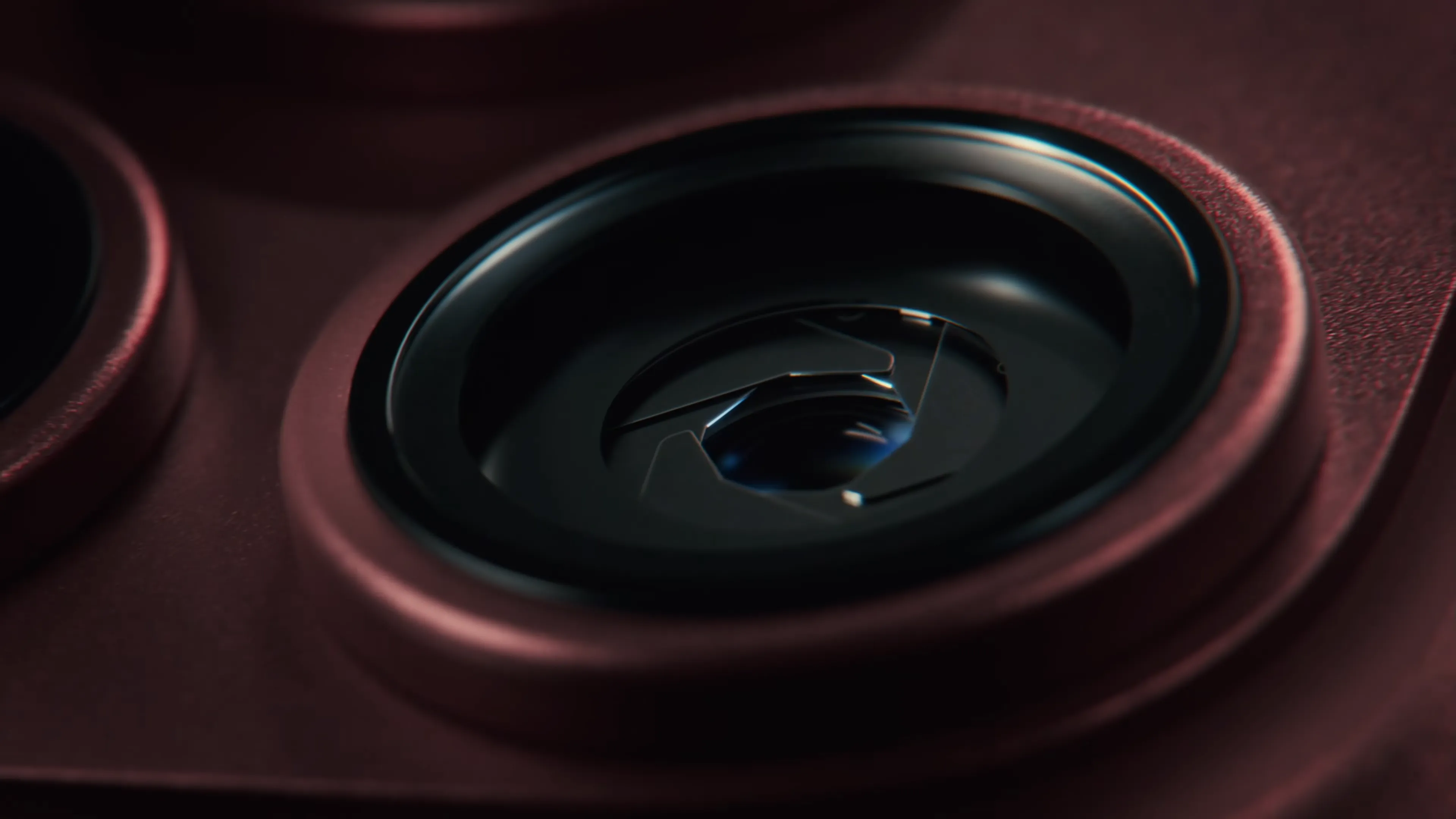
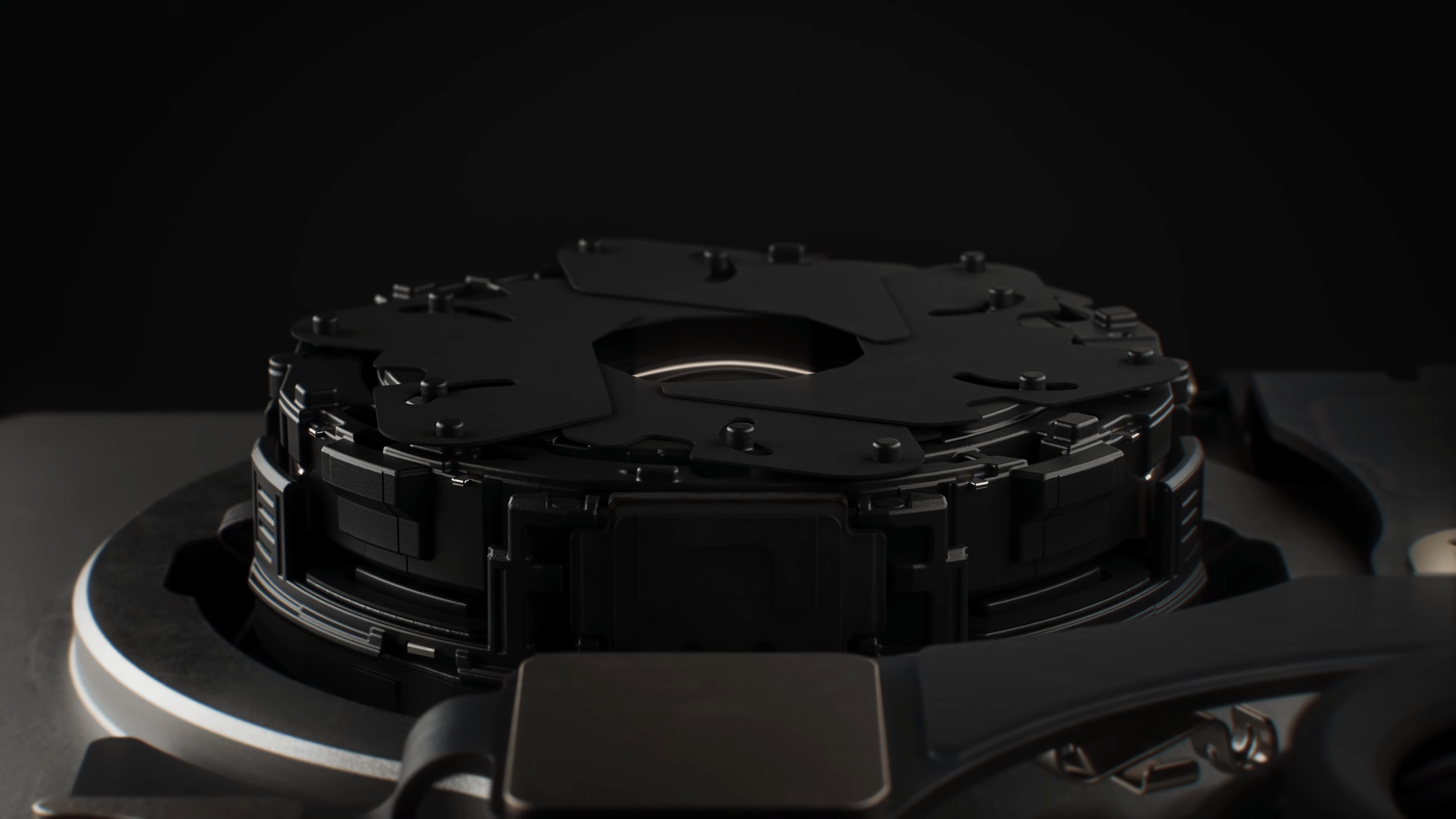
The 48MP Fusion Main camera uses six laser-cut blades that physically move through a rotor mechanism to change the size of the aperture. Apple’s technical specifications list four aperture settings: f/1.48, f/1.8, f/2.8 and f/4.0.
The camera can choose the aperture automatically based on the scene. It can open up in darker conditions to let in more light, while stopping down can increase the depth of field when more of the scene needs to remain sharp.
You can also select the aperture manually through the new Pro controls, alongside settings such as shutter speed and white balance. A histogram is available for monitoring exposure. Apple has also opened up an API for developers, giving third-party camera apps access to the aperture controls.
ALSO READ: iPhone 18 Pro Now Officially Charges at 60W, Hits 50% in Just 15 Minutes
Why Does Variable Aperture Matter?
Low-light photography is one obvious benefit. At f/1.48, the main camera has a wider opening than the fixed f/1.78 aperture used on the iPhone 17 Pro. More light can reach the sensor, giving the camera more room to work before it needs to rely heavily on computational processing.

Depth of field is where things get more interesting from a photography perspective. Shooting at f/4.0 increases the depth of field, which can help keep subjects at different distances in focus. For a group photo, that means the camera can use actual optics to keep more of the scene sharp.

Opening the aperture also produces genuine optical background blur. That gives photographers another way to control the look of a portrait without relying entirely on a software-generated depth map.
ALSO READ: Apple Raises iPhone Air, iPhone 17 and iPhone 17e Prices Globally, iPhone 16 Also Gets Costlier
How It Compares With Android Phones
Apple isn’t the first smartphone maker to use a variable aperture. Samsung introduced a two-position system with the Galaxy S9 and S10, switching between f/1.5 and f/2.4. Huawei later introduced more aperture steps with the Mate 50 Pro, while Xiaomi’s 14 Ultra offered a continuous range from f/1.42 to f/4.0.

Apple’s system sits between those approaches, with four selectable aperture settings rather than a continuously variable range. The combination of mechanical control, manual Pro controls and a developer API gives the feature a broader role than simply changing the aperture automatically.
Is It Actually Useful?
There are still questions around how well Apple’s automatic aperture selection works in difficult lighting, and adding moving parts to a camera module introduces another piece of hardware that could potentially wear or become misaligned over time.
Still, this is a brand new capability for the iPhone. Apple isn’t just processing the same camera hardware differently. The lens can physically change its aperture, giving photographers control over light and depth of field that wasn’t available on previous iPhones.

You can follow Smartprix on Twitter, Facebook, Instagram, and Google News. Visit smartprix.com for the latest tech and auto news, reviews, and guides.