


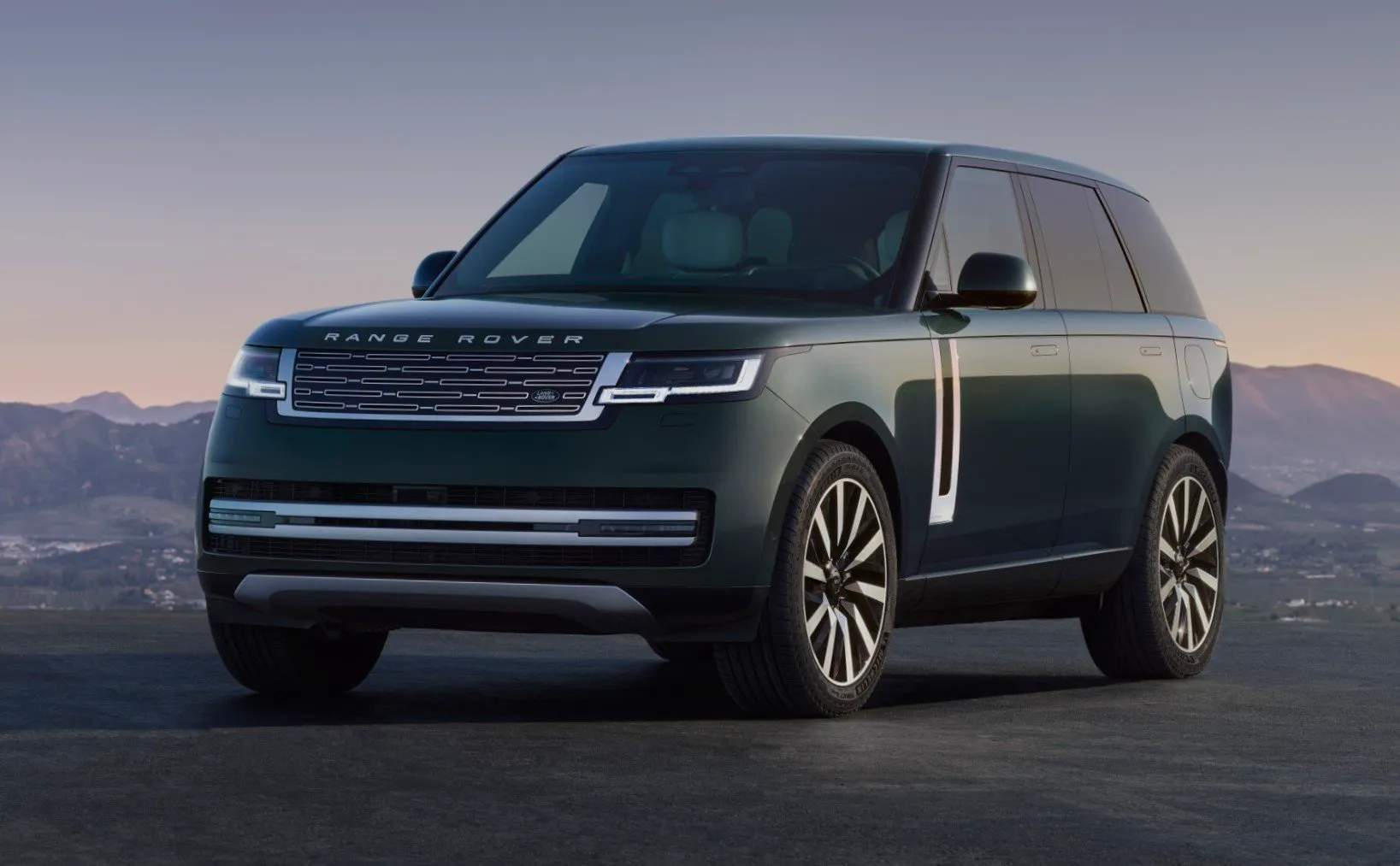
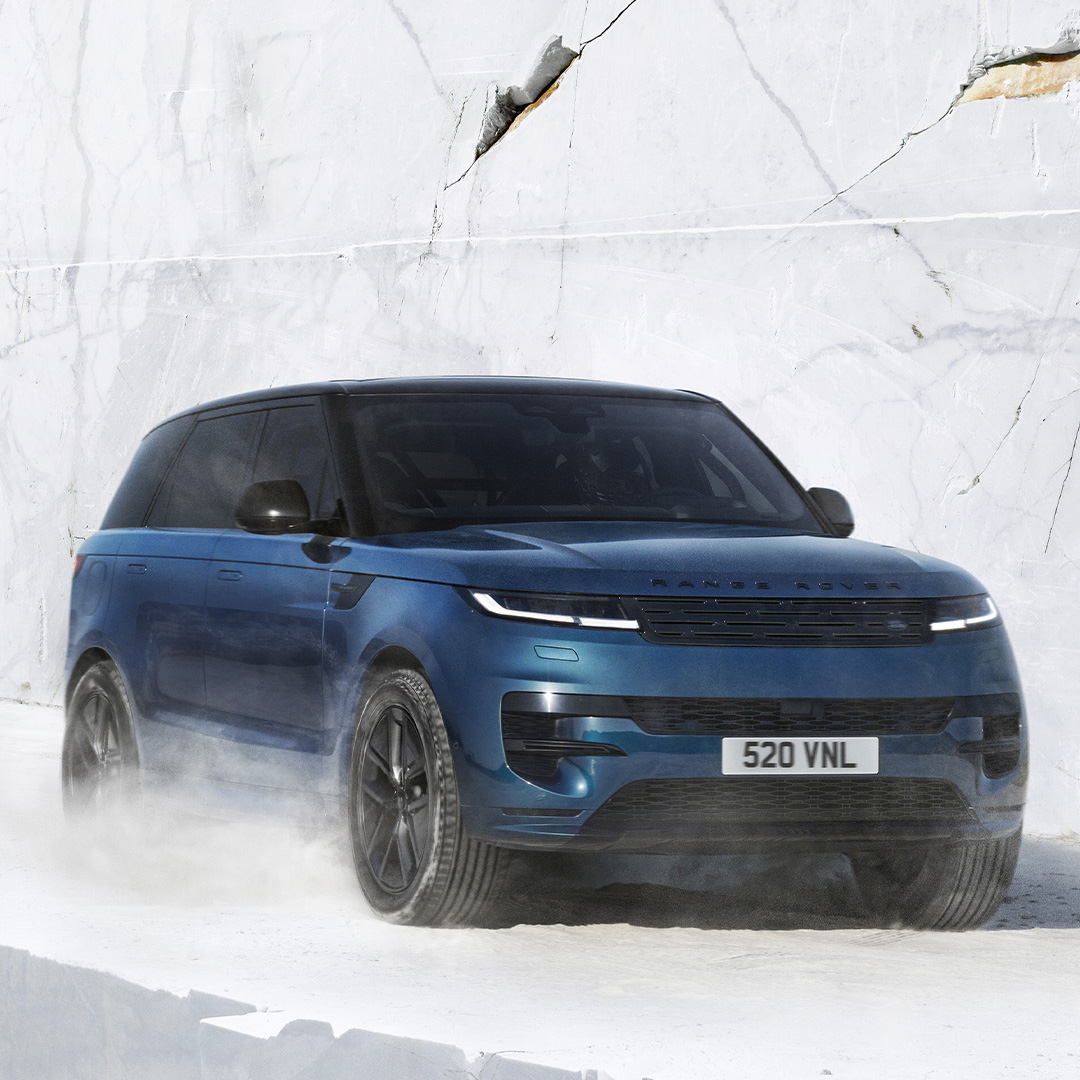
Jaguar Land Rover will bring the electric Range Rover and Range Rover Sport to India as fully built imports (CBUs), with no commitment yet to assemble them locally, an Autocar India report has said. Speaking to the publication, Martin Limpert, Range Rover’s global managing director, said that JLR wants to see how buyers respond before it decides to assemble these electric cars locally. JLR already assembles combustion-engined versions of both SUVs in India, so the choice is deliberate.

What Limpert said
Speaking to Autocar India at a global media drive, Limpert confirmed that the electric SUVs will start out as imports. At the local assembly, he kept the door open without committing: “We’ll test the market first, see how it responds and then we will decide.”
Limpert further added that JLR has kept its powertrain strategy flexible and does not need to push any one drivetrain. On timing, he said Indian buyers will see the cars toward the second half of 2027.
Interestingly, that is later than what online reports are suggesting. Autocar India’s own preview coverage of the Range Rover Sport Electric indicated an India launch by March 2027, along with Times Drive, and NewsBytes also reporting a similar time of arrival. However, according to the report, the bookings for the Range Rover Electric, which will be the first fully electric Range Rover have been open in India since September 2026 and you can book one by giving a token amount of ₹10 lakh. The Range Rover Sport Electric bookings are also open.
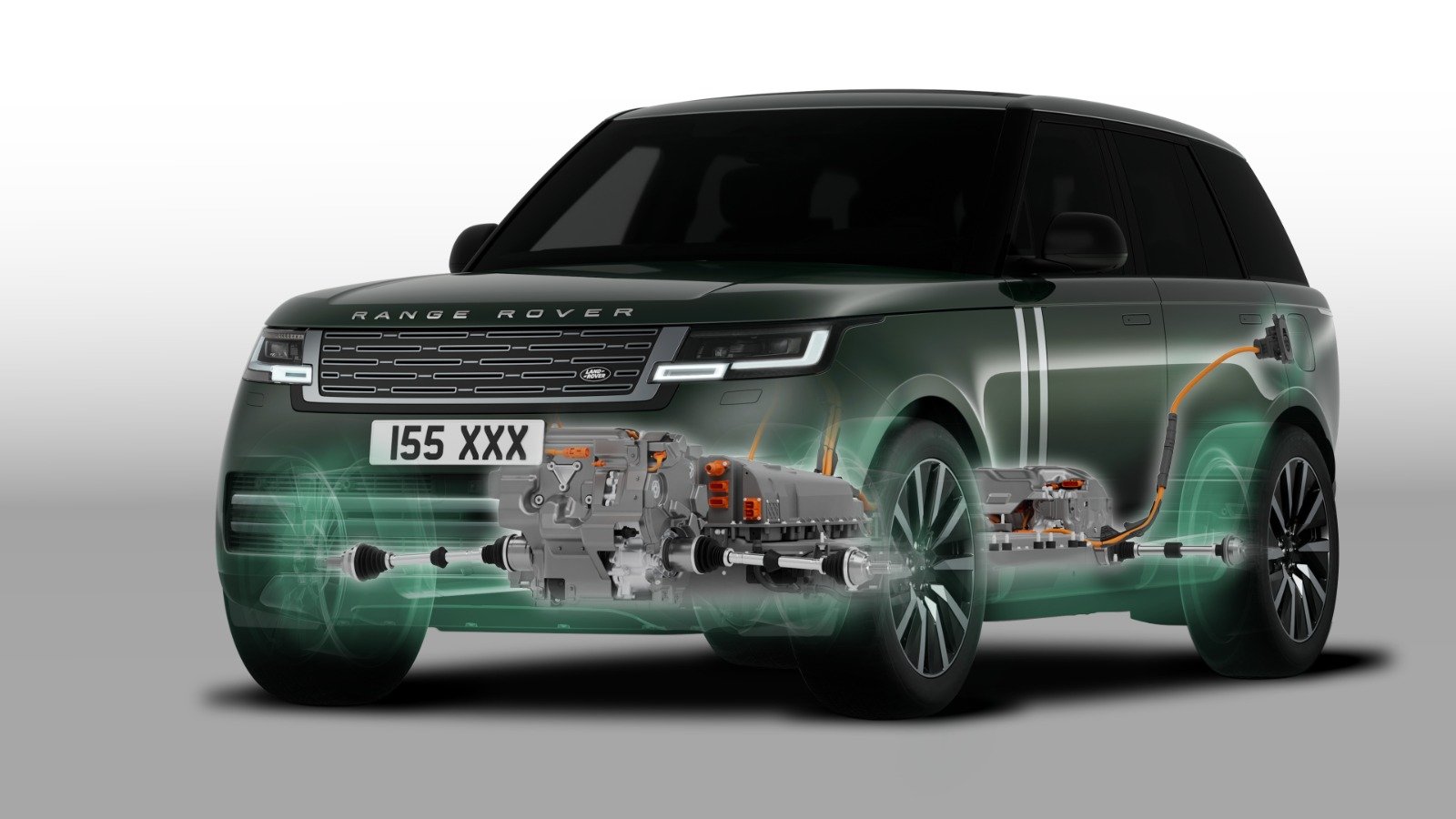
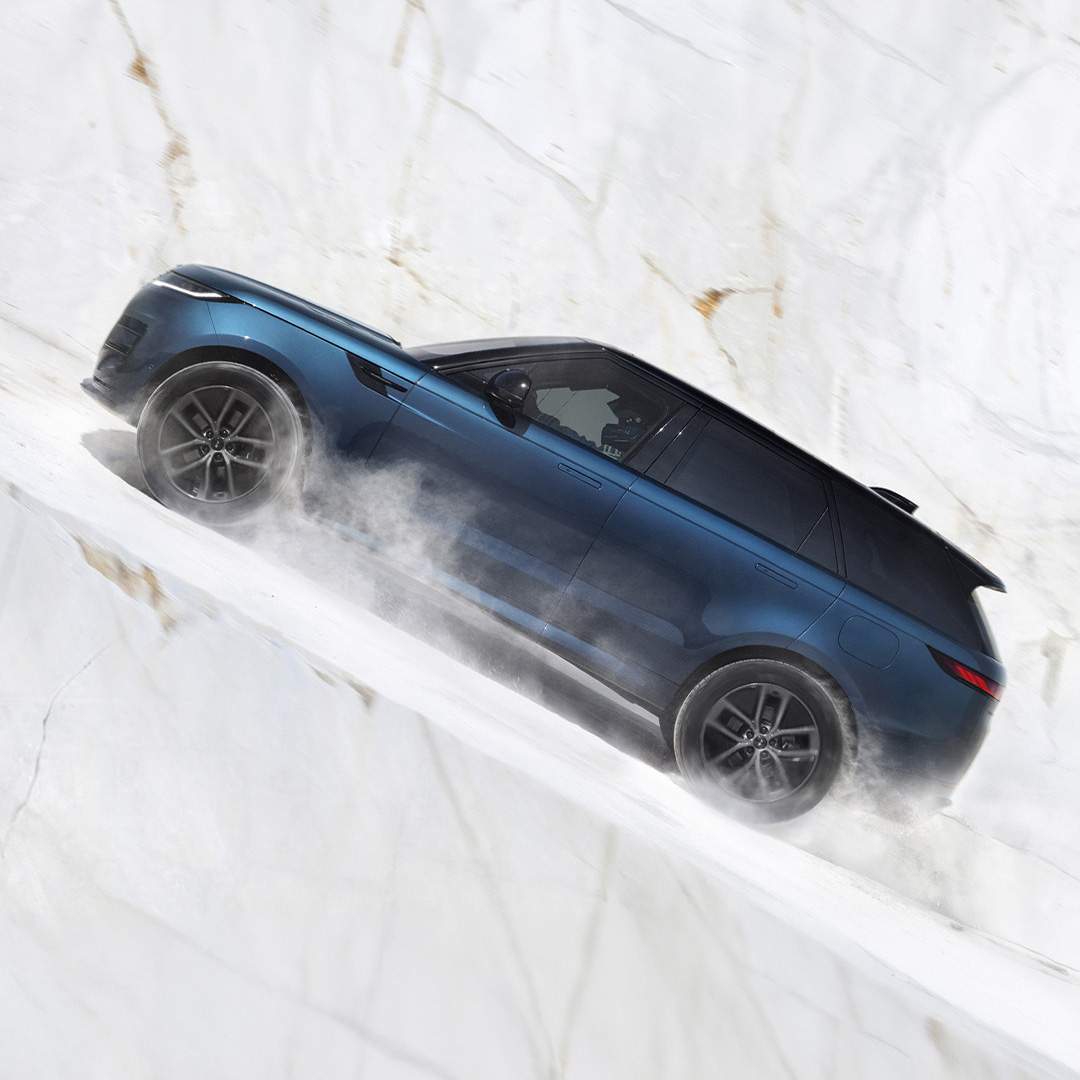
Coming to what the cars will offer, both the Range Rover and Range Rover Sport Electric will come with a 118.5 kWh battery which will power two electric motors on a 800-volt system with a claimed range of up to 600 kilometers for the Range Rover and 609 kilometers for the Range Rover Sport Electric. According to reports, the Range Rover Electrics have been anticipated to arrive in India for over a year now.

Jaguar Land Rover has not announced the official prices of the cars, but online listings show an estimated price of the Range Rover Sport Electric to be ₹2.40 crore onwards, while the Range Rover Electric, which will be the top-of-line electric in the lineup, is estimated to be priced between 3 crore to 3.5 crore. The Porsche Cayenne Electric, which was launched in India recently will be a direct competitor to these electric Range Rovers.
ALSO READ: Hyundai Bayon FAQs – Price, Engine and Transmission, Features, Everything You Need To Know
Why import first
A CBU arrives fully built from abroad. The Range Rover Electric is made at JLR’s Solihull plant in the UK, according to Autocar Professional. Local assembly means kits put together at JLR’s Pune plant, and the saving is not small. India became the first country outside the UK to build the Range Rover and Range Rover Sport when assembly began in 2024, and Motorbeam reported that prices fell by up to Rs 56 lakh on the Range Rover and Rs 29 lakh on the Sport.
Imports carry a heavy tax load. Autocar Professional reports that high-priced fully built cars face a basic customs duty of 110%, along with GST and cess are stacked on top, which is why a straight currency conversion of the UK price understates the cost here. Under the India–UK trade pact, electric cars get no concession in the first five years, PTI reported when the deal was signed in July 2025. From the sixth year, higher-priced EVs get gradual relief within quotas. An official quoted by PTI said the pact is designed to open the market mainly to large-engine combustion cars and high-priced EVs, the segment the electric Range Rovers sit in. The relief is deferred, not denied.
On paper, localisation is the obvious way to lower the electric Range Rovers’ price. Autocar India notes that the electric and combustion versions share the MLA-Flex platform, which suggests the hurdle is demand, not engineering.
Why JLR is being careful
The sales mix explains the caution. According to an Autocar India report, the Defender, Range Rover and Range Rover Sport made up over 80% of JLR’s FY2026 sales, though it does not say where that figure comes from. Tata’s newsroom account of the 2024 local-assembly announcement put the same three models at 80% of JLR’s India order book. The Defender is imported; the other two are the models JLR localised.
Scale matters too. The same newsroom account gave the Pune plant’s two lines a combined capacity of 10,000 units a year across six models. With that much riding on three nameplates, committing local assembly to an EV priced well above Rs 2 crore, before demand is proven, is a bet JLR does not have to make. It is a considered choice, too. Limpert described the 2024 local-manufacturing move as a success in a separate interview with Evo India, so JLR knows what localisation can deliver.
Demand is a fair worry. Evfy points out that the Mercedes-Benz EQS SUV and BMW iX are already on sale at roughly half the Range Rover Electric’s estimated price, and unlike the Range Rover, they can be test-driven today.
The caution is defensible. The cost falls on the buyer. Autocar India lists the combustion Range Rover Sport from Rs 1.43 crore, so even the lowest estimate puts the Sport Electric about Rs 97 lakh above that starting price, though the two are not like-for-like trims.
ALSO READ: Skoda Slavia 2026 Review: Subtle But Important Changes Make It Even Better!
What to watch
Three things will settle this. First, official India pricing. Second, the delivery date: early 2027, as earlier reports said, or the second half, as Limpert indicated. Third, whether the first imported cars sell well enough to bring local assembly back to the table.
The question will not go away. Autocar Professional reports that the wider Range Rover family, including the Velar and Evoque, is set to offer electric variants before 2030. Until JLR decides otherwise, the electric Range Rovers will be priced like imports, because they are.
You can follow Smartprix on Twitter, Facebook, Instagram, and Google News. Visit smartprix.com for the latest tech and auto news, reviews, and guides.