



TL; DR
- Brezza LXi Turbo costs ₹7.40 lakh, undercutting the LXi 1.5L NA’s ₹8.29–8.30 lakh price.
- LXi Turbo alone gets rear defogger, auto climate control, adjustable seats over LXi 1.5L.
- The 1.0L engine’s sub-1200cc capacity qualifies for 18% GST versus the 1.5L’s 40% slab.
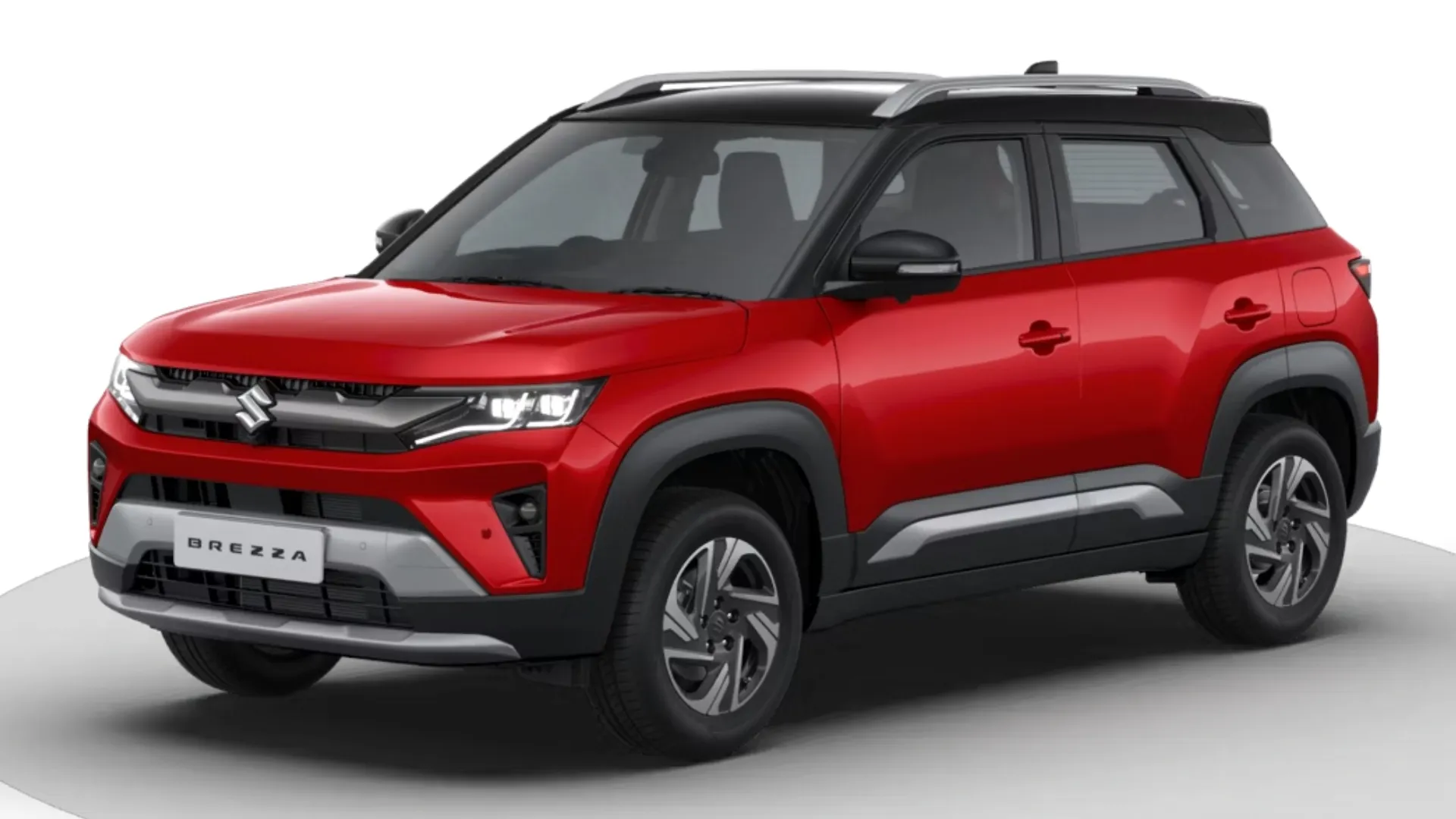
Ordinarily, paying less for a car means compromising on features. The 2026 Maruti Brezza flips that logic, both in a good and a bad way. The new 1.0-liter Turbo Boosterjet engine, positioned as the entry-level powertrain in the base LXi trim, actually costs less. In addition, it comes with more features than the 1.5-liter naturally aspirated engine, in the same LXi trim.
If you’re wondering how Maruti achieves that feat, it comes down to how India’s GST 2.0 tax slabs treat engine displacement.

Also Read: 2026 Maruti Brezza Powertrains And Transmissions, Explained
Brezza 1.0L Turbo vs. Brezza 1.5L NA: Pricing
| Variant | Engine | Transmission | Price (ex-showroom, Delhi) | Difference |
| Brezza LXi Turbo | 1.0L K10C Turbo Boosterjet (110 PS, 170 Nm) | 6-speed MT | ₹7.40 lakh | – |
| Brezza LXi 1.5L | 1.5L K15C Naturally Aspirated (103 PS, 139 Nm) | 6-speed MT | ₹8.30 lakh | +₹90,000 |
The gap between the two is roughly ₹90,000. Considering an average mileage of 14 to 15 kilometers per liter (mixed usage between city and highway), that’s worth 12,350 to 13,235 kilometers of petrol if you go with the 1.0L Boosterjet turbo petrol variant of the Brezza. On top of that, the engine offers more power and features.
Also Read: Honda ZR-V e:HEV Is Now Officially India’s Most Feature-Loaded Hybrid SUV
Brezza 1.0L Turbo vs. Brezza 1.5L NA: Feature Differences
Within the same LXi trim, several features are exclusive to buyers who opt for the Turbo engine. If you go for the 1.5L NA engine, you’ll miss out on a total of five additional features given below.
| Feature | LXi 1.0L Turbo | LXi 1.5L NA |
| Rear Defogger (Electric) | Yes | No |
| Height Adjustable Driver Seat | Yes | No |
| Adjustable Rear Seat Headrest | Yes | No |
| Auto Climate Control | Yes | Manual AC only |
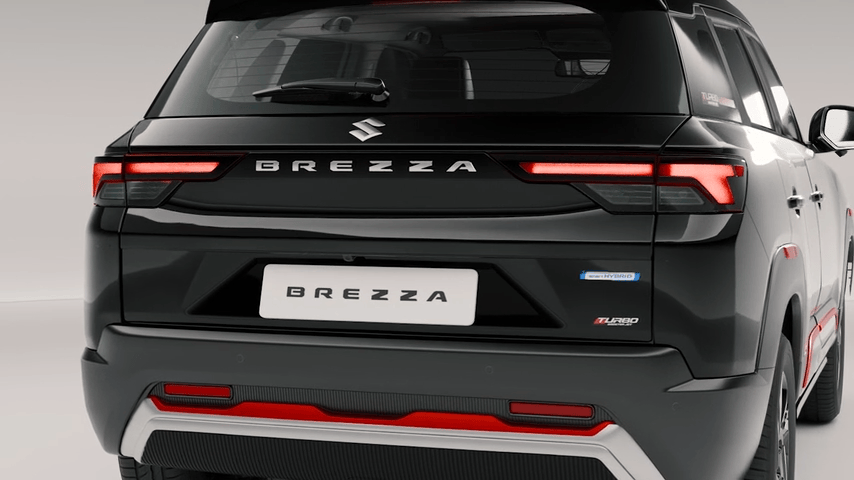
| Turbo Badge | Yes | No (not applicable) |
For a buyer walking into a showroom expecting the cheaper variant to mean a stripped-down car, this is a genuine surprise. The rear defogger alone is a feature many owners in northern India specifically look for during October to February, and it’s simply not offered on the costlier 1.5L NA LXi variant.

Auto climate control remains one of the most popular and demanded features among buyers, and it could attract buyers toward this particular variant. Additional features include height adjustment on the driver’s seat, and adjustable rear headrests round out a package that has a higher perceived value.
Also Read: Kia Syros EV: Pricing, BaaS Scheme, Battery Pack And Features, Explained
Why This Is Happening: The GST Angle
Under the current rules, petrol cars with engines up to 1,200cc and a length under 4 meters fall into the 18% GST slab. Anything exceeding either threshold is taxed at 40%.
The Brezza, at 3,995mm long, qualifies as a sub-4-meter car: it has the right length to get the tax benefit. When it comes to the engine, the new 1.0-liter (998cc) stays under the 1,200cc cutoff, which also qualifies for the tax benefit.

On the other hand, the 1.5-liter engine (1,462cc) remains above the tax benefit threshold. That single difference in engine capacity puts the two variants in entirely different tax brackets, even though they sit in the exact same trim level and body, leading to the ₹90,000 difference between the turbo LXi and NA LXi.
Also Read: Maruti Brezza Facelift Is At Dealerships Four Days Before Launch
The tax saved on the Turbo variant gives Maruti enough room to bundle in the additional features without eating into margins. I’d say that it’s a smart way of nudging buyers toward the engine the company clearly wants to sell more. However, I also have a feeling that Maruti might revise its prices in a few months, depending on the response.

The Catch: What You Give Up With Turbo
While you get more features with the base turbo engine LXi variant, it isn’t an unambiguous win. Turbocharged engines typically demand slightly more attentive maintenance than naturally aspirated ones. They run hotter, rely more heavily on oil quality, and can be marginally more expensive to service over the years.
Also Read: MG’s New ADAPT Platform Wants to End the EV vs. Hybrid Debate: Here’s How
There’s also a fuel efficiency trade-off that comes with the additional power and torque. The 1.5L NA engine’s claimed mileage of 21.09 kmpl edges out the Turbo’s claimed 20.47 kmpl. Though the difference looks modest on paper, Maruti’s engines are known to offer a higher real-world fuel economy than claimed, and that could create a bigger difference.

For buyers chasing outright value in the base trim, Maruti has made sure that the Turbo variant is difficult to ignore. But for those who want the lowest possible running and maintenance costs and don’t mind sacrificing a few comfort features, the 1.5L NA engine may still be the more sensible long-term choice.
Also Read: Xiaomi Unveils New Hybrid SUV And It Has Swivel Seats, Fold-Out Table And Sleeping Space

You can follow Smartprix on Twitter, Facebook, Instagram, and Google News. Visit smartprix.com for the latest tech and auto news, reviews, and guides.