Samsung GN2 50MP sensor with Dual Pixel Pro AF and Staggered HDR announced

Main Image
  • Like
  • Comment
  • Share

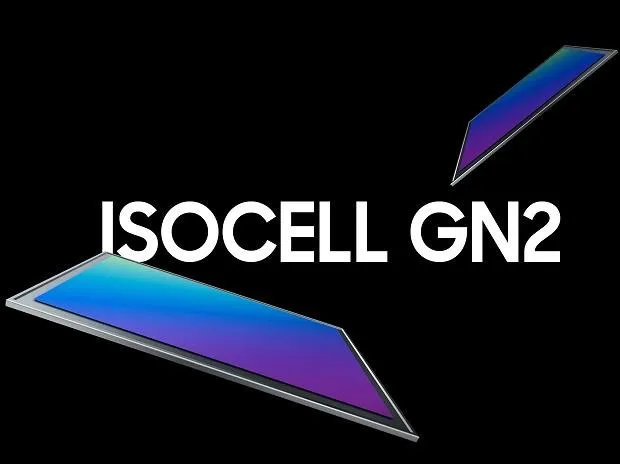
Samsung just introduced its 50MP Isocell GN2 sensor, the successor to the GN1 launched last year. The GN2 is a large 1/1.2-inch sensor with big
1.4μm-sized pixels and claims improvements in AF speeds, Smart ISO control, and is the first Samsung sensor to integrate Dual-pixel Pro PDAF.

The sensor can capture 100MP resolution images using a re-mosaic algorithm, and that should perhaps help with better marketing and with the GN2 ending up in more phones than the Isocell GN1.

As for videos, there is support for 4K@120fps and Full HD+ videos at 480fps.

What is Dual-pixel Pro Phase Detection Auto-focus technology?

Basic PDAF or phase Detect Auto Focus technology works using special focus pixels embedded within the sensor. These focus pixels are split in two halves and use the same technique as our two eyes for focusing on image subjects. The lens is adjusted till the images or light captured by the two halves (left and right) merges into one or is in the same phase.

Dual-pixel Auto Focus enhances this technology further by slitting photodiode under every pixel into two halves, thus eliminating the need for separate focus pixels and improving focus speeds.

With Dual Pixel Pro, the photo diodes under Green pixels are split diagonally instead of vertically and this enables then to compare and align both right-left and top-bottom part of images, thus improving focus speeds, especially for complex images where it’s hard to tell left and right phases apart.

Also Check: Best 108MP camera phones to buy in 2021

Sony claims similar PDAF enhancements with its 2×2 OCL (On-chip lens) technology that allows every imaging pixel on its IMX sensors to serve as focus pixel and to measure phase horizontal and vertical phase differences.

What is Staggered HDR?

Samsung GN2 also supports staggered HDR that Qualcomm started supporting with its Spectra 580 ISP used in Snapdragon 888. This is not the first Samsung sensor to support Staggered HDR, that would be 32MP Isocell JD1 designed for selfies.

The staggered HDR sensors can capture three images with long, medium, and short exposures (or at different shutter speeds using rolling shutters) in the same time when normal sensors capture one image. This helps capture better details in highlights and shadow regions while reducing artifacts.

Samsung claims that staggered HDR also helps reduce power consumption of the Samsung GN2 sensor by 24 percent. It doesn’t mention whether stagggered HDR will be supported for Videos and at what FPS.


Deepak SinghDeepak Singh
Deepak Singh is a technology journalist and editor with over 13 years of experience covering consumer electronics. A computer engineering graduate, he has developed deep expertise in chipsets, displays, and hardware performance.

Over the past decade, Deepak has reviewed more than 700 products, including smartphones, laptops, TVs, and audio gear. He currently leads the editorial team at Smartprix, focusing on accurate, useful, and hands-on tech reporting.

When he’s not testing new devices, Deepak enjoys reading and spending time with his family.

Related Articles

ImageGTA VI: Hidden Mechanics, Secret Tricks & 20 Lesser-Known Tips And Tricks You Should Know

Grand Theft Auto VI hasn’t been out for a day, and the internet is already drowning in tips and tricks, beginner guides, and hacks. Most of them cover the same ground: bank your cash, hit the gym, or change clothes to lose the cops. While they’re useful, they’re also quite obvious in my opinion.  What …

ImageSamsung unveils 200MP Camera Sensor for phones: Know the details

The wait is finally over as Samsung has unveiled its much-awaited 200MP ISOCELL HP1 Camera Sensor today. It is the company’s first 200MP smartphone camera sensor that features a dynamic pixel binning technology. This sensor can adjust the output resolution depending on the ambient light for optimum results. Here are the details: Samsung 200MP ISOCELL …

ImageSamsung’s new 50MP ISOCELL JN1 sensor is the world’s smallest camera sensor for phones

Samsung has just announced ISOCELL JN1 – a new 50MP camera sensor targeted at smartphones. What’s really interesting to note here is the size of each pixel in this new sensor is just 0.64 μm. This allows the South Korean giant to reduce the entire sensor size to 1/2.76-inches. According to Samsung, it is currently …

ImageYour Next Phone’s Main Camera May See Better in the Dark, Thanks to Sony’s LYTIA 720

Sony has announced the LYTIA 720, a new 50MP sensor that takes after the LYTIA 700 (as well as other iterations like the LYT-710). The sensor promises better low-light performance, plus 4K 60 fps HDR video with real-time autofocus. The press release doesn’t name any phone maker yet, so for now, this is still an …

ImageSamsung Galaxy S27 Series Camera Specs Leak

SammyGuru has revealed the camera sensors Samsung is reportedly evaluating for the Galaxy S27, S27+, S27 Pro and S27 Ultra. The lineup will introduce a smaller Pro model, with all four phones expected to feature three rear cameras. This would also mean the Ultra drops its secondary telephoto camera, which has been part of its …

Discuss

Be the first to leave a comment.