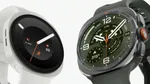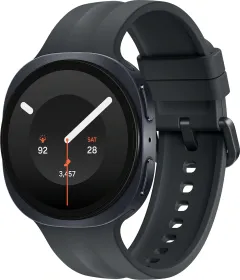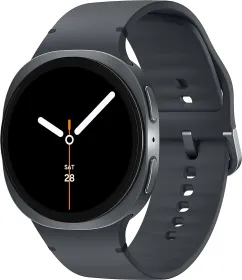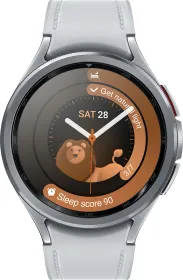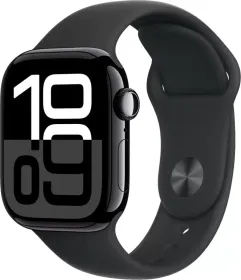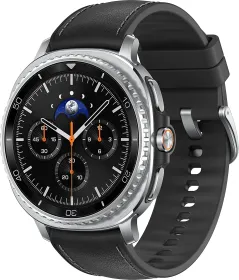



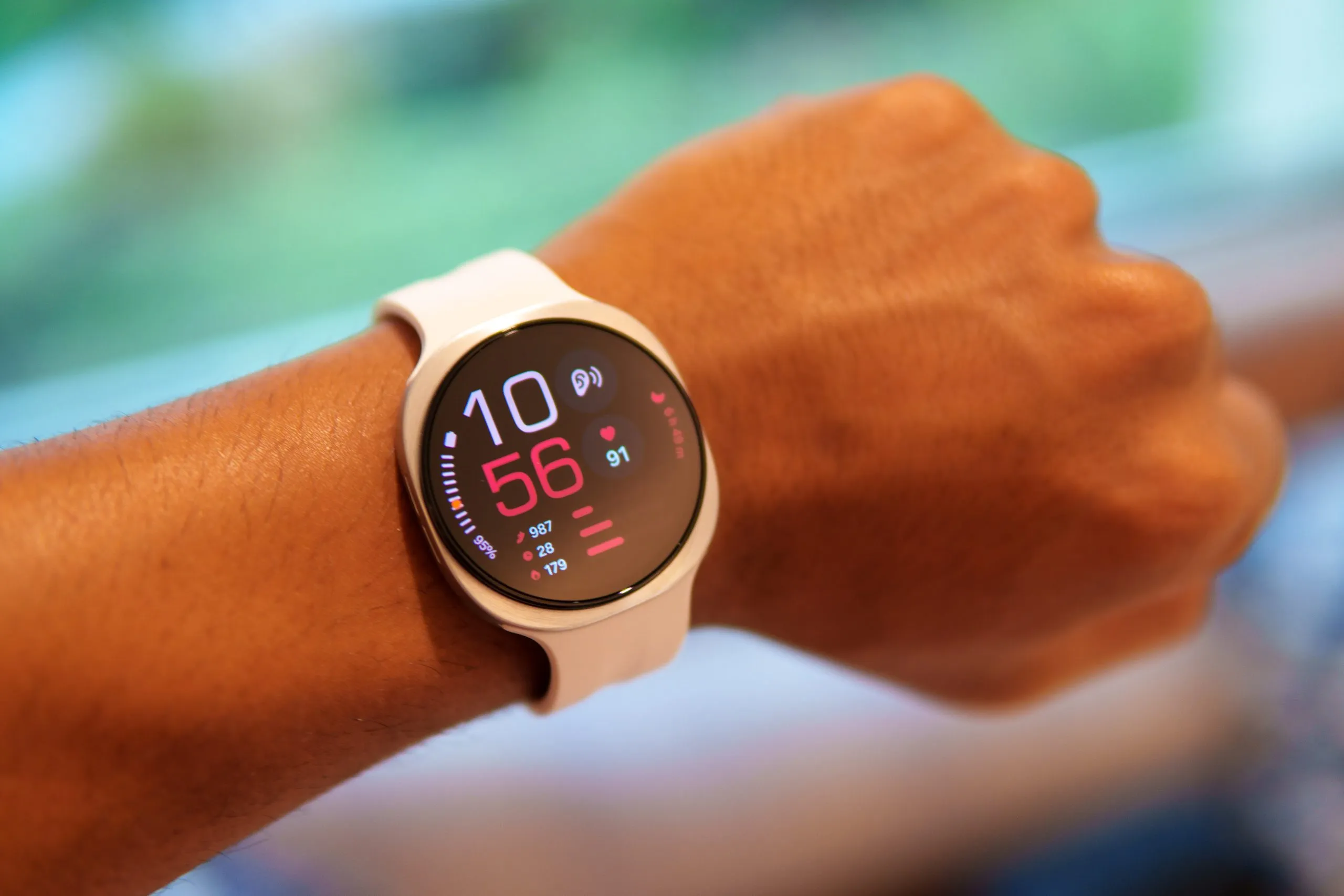
Samsung has launched the Galaxy Watch 9 as its latest standard Wear OS smartwatch, with a familiar design, a new Snapdragon Wear Elite processor, and several additions to Samsung Health. It starts at ₹37,999 in India for the 40mm Bluetooth model, with a 44mm version and LTE variants also available.
The Watch 9 runs Wear OS 7 with One UI 9 Watch and adds features such as Daily Cardio Load, Heart Health Score, Vitals, and improved sleep tracking. It also gets a larger battery on the 40mm model, while the display and core sensors remain largely unchanged from the Watch 8. Let’s find out how the Galaxy Watch 9 performs in everyday use.
Samsung Galaxy Watch 9 Price & Availability
The 40mm Bluetooth Galaxy Watch 9 launched in India at ₹37,999. In the US, the 40mm Bluetooth model starts at $379.99, while the 44mm starts at $429.99.
The 40mm comes in Cream and Graphite, while the 44mm is available in Silver and Graphite. A White finish is also available at retail, which is the color of my review unit.
Pros
- Snapdragon Wear Elite makes One UI Watch faster and smoother
- Excellent sleep tracking
- Useful health metrics without a subscription
- Reliable auto workout detection
- Lightweight and comfortable for sleep
- Bright, sharp AMOLED display
- Sapphire Crystal adds durability
- Gemini works well with Raise to Talk
- Useful Daily Cardio Load tracking
- Strong Samsung Health ecosystem
- Samsung Wallet with NFC payments
- Dual-frequency GPS
- Five years of software and security updates
- 32GB of storage
Cons
- Slow charging
- Default S/M strap runs small
- BIA readings can vary significantly
- Calorie estimates tend to run high
- Some health features require a Samsung phone
- Average battery life of 1 to 1.5 days
Samsung Galaxy Watch 9 Specifications
- Display: 40mm, 1.34-inch Super AMOLED, 438 x 438px; 44mm, 1.47-inch Super AMOLED, 480 x 480px; up to 3,000 nits, Sapphire Crystal, 60Hz
- Processor: Snapdragon SW6100 Wear Elite, 3nm, penta-core CPU with Adreno A622 GPU
- RAM & Storage: 2GB RAM, 32GB storage
- Battery: 40mm, 390mAh; 44mm, 445mAh
- Charging: 10W wireless charging through Samsung’s proprietary charging puck
- Software: Wear OS 7 with One UI 9 Watch; five years of major OS and security updates
- Phone compatibility: Android 13 or newer
- Connectivity: Dual-band Wi-Fi, Bluetooth 6.0, NFC, dual-frequency GPS (L1 + L5); LTE version available
- Durability: Aluminum case, IP68, 5ATM, MIL-STD-810H
- Sensors: 3-in-1 BioActive Sensor with PPG heart-rate tracking, ECG and BIA, plus skin temperature, accelerometer, gyroscope, barometer, geomagnetic, and ambient light sensors
- Band: 20mm Dynamic Lug System with quick release and compatibility with existing Galaxy Watch 8 bands
- Weight: 40mm, 31.5g; 44mm, 34g
- Dimensions: 40mm, 42.7 x 40.4 x 8.6mm; 44mm, 46 x 43.7 x 8.6mm
- Colors: Cream, Graphite, Silver, White
Samsung Galaxy Watch 9 Review: Design & Build

The Watch 9’s circular display inside a squircle case is instantly recognizable as a Galaxy Watch, and Samsung has kept the shape unchanged this year. The 40mm model weighs 31.5g and is 8.6mm thick, essentially matching the Watch 8. It’s light enough that I mostly forgot I was wearing it during the day and barely noticed it while sleeping.

The bundled silicone band has been redesigned with an air-pocket structure, making it around 17% lighter and softer than the Watch 8 band. It feels more comfortable during long periods of wear. The watch is also IP68 and 5ATM water resistant.

Sizing was less convincing for me. My 40mm review unit came with the S/M band, and I had to use the second-last hole for a secure fit. Samsung rates S/M for 130–190mm wrists and M/L for 145–205mm, so it’s worth checking your wrist size before ordering. The 20mm Dynamic Lug System remains, so Watch 8 bands fit too.
Controls and Gestures

The rotating bezel is gone with the Classic model, leaving the touchscreen, two side buttons, and gestures for navigation. I didn’t really miss the physical rotating bezel during my time with the Watch 9, thanks to the virtual bezel.
Swiping through tiles and the app grid is responsive, and the touchscreen works well with slightly damp fingers after workouts. Very sweaty fingers occasionally require a second tap.

Samsung’s double-pinch gesture remains useful for things such as dismissing calls or scrolling through notifications when your other hand is occupied.
Raise to Talk is a new useful gesture on the Watch 9. Lift your wrist toward your mouth and Gemini starts listening. It requires Gemini to be set as the wake-enabled assistant, and I found this feature really helpful.
Samsung Galaxy Watch 9 Review: Display

Samsung has left the display hardware unchanged. The 40mm has a 1.34-inch Super AMOLED panel, while the 44mm gets a 1.47-inch Super AMOLED display. Both run at 60Hz and reach up to 3,000 nits.
The 40mm I tested is easy to read outdoors, even under bright afternoon sunlight. Sapphire Crystal protection is also here, and my unit remained scratch-free even after two weeks of everyday use. That’s still too short for a proper durability verdict. Coming from a Watch 8, you won’t see much difference here. It’s already one of the best displays you can get on a smartwatch.
Samsung Galaxy Watch 9 Review: Performance and Software

The Snapdragon Wear Elite is the biggest performance change this year, replacing the Exynos W1000 used in the Watch 7 and Watch 8. Qualcomm and Samsung claim up to 5X higher CPU performance and 7X higher GPU performance than Qualcomm’s previous wearable platform.
Apps open quickly, Samsung Health dashboards render smoothly, and even the Play Store feels less sluggish than it does on most Wear OS watches I’ve used. The case also stays comfortably cool during longer GPS-tracked workouts. Past Galaxy Watches have tended to get warmer during similar sessions.
One UI 9 Watch, based on Wear OS 7, runs smoothly on the Watch 9. Google Maps, Wallet, Play Store, and Gemini sit alongside Samsung’s own apps.

Notifications are grouped by app, which makes longer lists easier to manage. The Now Bar is handy too, giving quick access to things running in the background, such as workouts, timers, and music on the watch face itself.
As discussed earlier, Gemini can be opened through Raise to Talk or a button press. It responds quickly, and voice transcription is generally fast. In a moderately busy gym, most requests are picked up correctly, although some words get lost when things get particularly loud. Samsung says always-listening mode uses more battery.
I don’t run into crashes or major software bugs during my test. That’s still a short period for judging long-term reliability. Overall, the software experience on the Galaxy Watch 9 is pretty good.
Samsung Galaxy 9 Review: Companion Apps


The Watch 9 works with Android phones running Android 13 or newer, although some features depend on the phone you use. You pair the watch through the Galaxy Wearable app, while Samsung Health is required for health and fitness data. Backing up the watch requires another app, Smart Switch. You’ll also need Samsung Health Monitor to use features such as ECG and blood pressure monitoring.
Core Samsung Health tracking, including steps, heart rate, sleep, stress, SpO2, Energy Score, and VO2 max, works with compatible Android phones. Samsung Health Monitor features such as ECG, blood pressure monitoring, irregular heart rhythm notifications, and sleep apnea detection require a Samsung phone. Calendar notifications and the Reminder app are also limited to Samsung phones.
Gestures such as double pinch work on the watch itself regardless of the phone, although some related features may not sync to non-Samsung devices. There’s no iPhone support either, so iPhone users are outside the Watch 9 ecosystem entirely.
I didn’t get enough time with Samsung Wallet and NFC payments in India to judge their reliability properly. SmartThings integration is available too, although I didn’t have enough compatible hardware to test it properly.
Samsung Galaxy Watch 9 Review: Health and Fitness
Health tracking is one of the strongest parts of the Watch 9. My observations here are based on daily use. Sleep tracking is one of the best things about this watch. Sleep latency and the broader sleep-stage breakdown remain consistent with how I feel each morning, and there’s a good amount of useful detail. Unfortunately, I don’t have another sleep tracker to cross-check the readings, so I can’t give you an accuracy figure.
Auto workout detection is also dependable. Gym sessions are picked up correctly without needing to start them manually every time. Calorie estimates tend to run a little high across most sessions, and step counts occasionally do too.


Body composition is the reading I’d be most careful with. BIA body fat readings moved between 7% and 10% during the week, while a separate measurement put me closer to 17%. Consumer body composition tools can have significant margins of error, so I’d be careful with the Watch 9’s BIA readings.
Vitals analyzes five overnight signals: heart rate, HRV, respiratory rate, skin temperature, and blood oxygen. It compares these with your personal baseline and sends an alert when something moves outside the expected range.
Heart Health Score combines sleep, stress, activity, and body composition into a single daily score. Mine stayed fairly stable during the week.


Daily Cardio Load tracks cardiovascular strain and suggests training intensity and recovery periods. It’s useful if you’re trying to keep hard training days balanced with recovery, although I need more time to judge its recommendations properly.

Antioxidant Index uses the BioActive sensor to estimate skin carotenoid levels. My readings moved slightly from day to day and loosely followed my fruit and vegetable intake. Samsung describes this as a trend indicator, so I’d treat it that way.
The watch can also finally detect and measure noise levels, and alert you if the surroundings are too loud.

The Watch 9 also has ECG, blood pressure monitoring, sleep apnea risk detection, continuous skin temperature tracking, and phone-based snoring detection. Blood pressure needs cuff calibration every four weeks, while sleep apnea detection requires several nights of monitoring.
Taken together, Samsung Health gives you one of the most complete health-tracking packages on a smartwatch without requiring a subscription.
Samsung Galaxy Watch 9 Review: Battery Life and Charging

With workout tracking active most days and the Always-on Display scheduled from 5:30 PM to 10:30 PM through Routines, I get around a day and a half per charge on the Watch 9.
The 40mm model’s 390mAh battery is 20% larger than the Watch 8’s 325mAh cell, and the extra capacity is noticeable by the end of the day. The 44mm model gets a much smaller bump, from 435mAh to 445mAh.
Charging remains the weak spot though. My full charge test went from 7% to 100% in 2 hours and 30 minutes. A full 0% to 100% charge takes roughly 2 hours and 45 minutes.

Google says the Pixel Watch 5 can reach 50% in around 15 minutes and complete a full charge in 45 minutes to an hour depending on the size. Apple’s Watch Series 11 also charges considerably faster. Samsung has plenty of room to improve here.
The charging puck snaps into place magnetically, although the magnets could be stronger. Battery life and charging speeds remain two of the biggest drawbacks, just like on the Watch 8.
Review Verdict: Should You Buy the Samsung Galaxy Watch 9?
After a week with the Galaxy Watch 9, I came away pretty impressed. The Snapdragon chip makes One UI Watch feel much faster, sleep tracking is excellent, and Samsung Health has enough useful health and fitness data to make the watch worth using every day. The small strap is easy to replace, while the slow charging takes some planning.
If you’re coming from a Watch 6 or older, the Watch 9 is an easy recommendation. It also makes sense for anyone moving from Apple or Google and looking for a complete health-tracking package on Wear OS. Watch 7/8 owners have fewer reasons to upgrade, with the new health features and faster performance being the main upgrades to consider.
iPhone users will still want the Apple Watch Series 11, while the Pixel Watch 5 makes more sense if you prefer Google’s version of Wear OS and faster charging.

Smartprix ⭐ Rating: 8/10
- Design and Build: 8/10
- Display: 8.5/10
- Performance and Software: 8.5/10
- Samsung Health App: 8.5/10
- Health and Fitness: 8.5/10
- Battery and Charging: 7/10
Last reviewed in August 2026.
FAQs
Should I buy the 40mm or 44mm Galaxy Watch 9?
The 40mm makes more sense for smaller wrists, especially within Samsung’s 130–190mm S/M range. It’s also the size I tested and is easier to wear overnight. The 44mm gives you a larger 1.47-inch display and a slightly bigger 445mAh battery, although the battery difference from the 390mAh 40mm model isn’t large enough to make size the main deciding factor. Pick based on wrist comfort and how much screen you want.
Should I get the Bluetooth or LTE model?
LTE is useful if you regularly leave your phone behind during runs or gym sessions. It gives you calls, data, and notifications without keeping the phone nearby. Although if you keep your phone with you anyway, there’s no need to get the LTE model.
Is the Galaxy Watch 9 good for sleep tracking?
Yes. Sleep tracking is one of the strongest parts of the Watch 9. Sleep latency and sleep-stage information have been consistent with my experience throughout testing, and Samsung Health gives you plenty of detail to look through.
Is Samsung Health free?
Yes. The Watch 9’s main health-tracking features work without a subscription. You get sleep tracking, Vitals, Heart Health Score, Daily Cardio Load, VO2 max, activity tracking, and other Samsung Health features as part of the watch and app experience.
Does the Galaxy Watch 9 work with iPhone?
No. The Watch 9 requires an Android phone running Android 13 or newer. Some health features also require a Samsung Galaxy phone.
Should I upgrade from the Galaxy Watch 8?
There isn’t much reason to upgrade if you already have a Watch 8. The design, display, battery size on the 44mm model, and core sensors remain very similar.
How long does the Galaxy Watch 9 battery last?
The 40mm model gives me around a day and a half with regular workout tracking and scheduled Always-on Display use.
Does the Galaxy Watch 9 charge quickly?
Charging is still fairly slow. My 40mm unit took 2 hours and 30 minutes to go from 7% to 100%. A full charge from 0% would take roughly 2 hours and 45 minutes based on that charging curve.

You can follow Smartprix on Twitter, Facebook, Instagram, and Google News. Visit smartprix.com for the latest tech and auto news, reviews, and guides.