


TL; DR
- Samsung confirmed new Galaxy Watch hardware on July 14, with an all-new chip and better battery.
- Galaxy Watch 9 will use Snapdragon Wear Elite, a 3nm chip with on-device AI processing.
- Fainting prediction received regulatory approval, and a GLP-1 monitoring study is live with a hospital.
The smartwatch space is at an inflection point in 2026. The Apple Watch runs on Apple’s Neural Engine and has dominated the market, with 23% market share, according to Counterpoint Research, whereas Samsung caters to only 5% in Q1 2026. Samsung has known this for two years now.
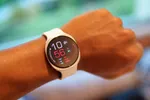
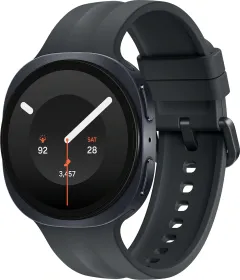
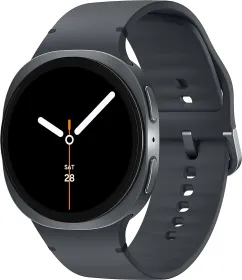
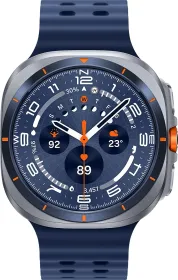
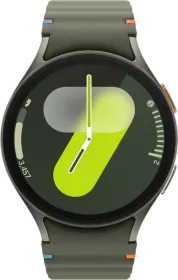
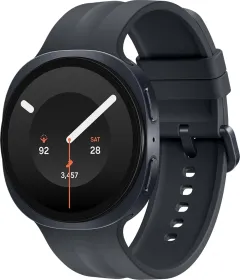
What it announces on July 22 at Galaxy Unpacked in London could be its most direct response yet. We could see two new Galaxy Watches, expected to be the Watch 9 and Watch Ultra 2026, built around completely new hardware.
Also Read: macOS 27 Golden Gate Public Beta Available Now: Should You Install It?
What Samsung Officially Confirmed
Samsung’s July 14 teaser confirmed “all-new internal components” and “enhanced battery life” for the upcoming Galaxy Watches. “The upcoming Watch is built to track your health for longer and with greater accuracy,” writes the company in a blog post. Those are deliberate words, and they mean more when read alongside some context.
Qualcomm, along with Samsung’s technology lead InKang Song, confirmed at MWC 2026 that the Galaxy Watch 9 will use the Snapdragon Wear Elite chip. For those catching up, it’s a 3nm processor with a dedicated AI engine capable of running models with up to 2 billion parameters entirely on-device, at 5x the CPU performance of the previous generation.
And here, on-device means on your wrist. That is a category change, not a specification increment. Along with the new chip, the purported smartwatches could last longer between charges thanks to larger physical batteries. The 40mm Galaxy Watch 9 is expected to see its battery capacity jump from 325mAh to around 382mAh.
Also Read: Oppo’s Triple 200MP Find X10 Pro Prototype Seems Real, But Don’t Get Your Hopes Up Just Yet
The Health Story That Sets This Apart
Samsung has been building clinical credibility around the Watch line before this announcement. In May, it received regulatory approval for a fainting-prediction feature, something I haven’t heard about on any other smartwatch in the segment. The feature was tested on the Galaxy Watch 6; it identified episodes up to 5 minutes in advance with 84.6% accuracy.
A separate study with Massachusetts General Hospital launched the same month to track muscle loss in GLP-1 patients, one of the fastest-growing demographics in wearable health.
If Samsung manages to achieve this, it could, in a very real way, transform the Galaxy Watch experience for end-users, positioning the Watch 9 as a comprehensive fitness tracker rather than just a smartwatch to wear on your wrist.
Also Read: Samsung’s Galaxy Z TriFold Is Delayed By Cost Issues, And A Rollable Phone May Arrive Before It

You can follow Smartprix on Twitter, Facebook, Instagram, and Google News. Visit smartprix.com for the latest tech and auto news, reviews, and guides.