


TL; DR
- Gadkari confirmed Maruti Suzuki will launch India’s first E100 flex-fuel passenger car on June 5, 2026.
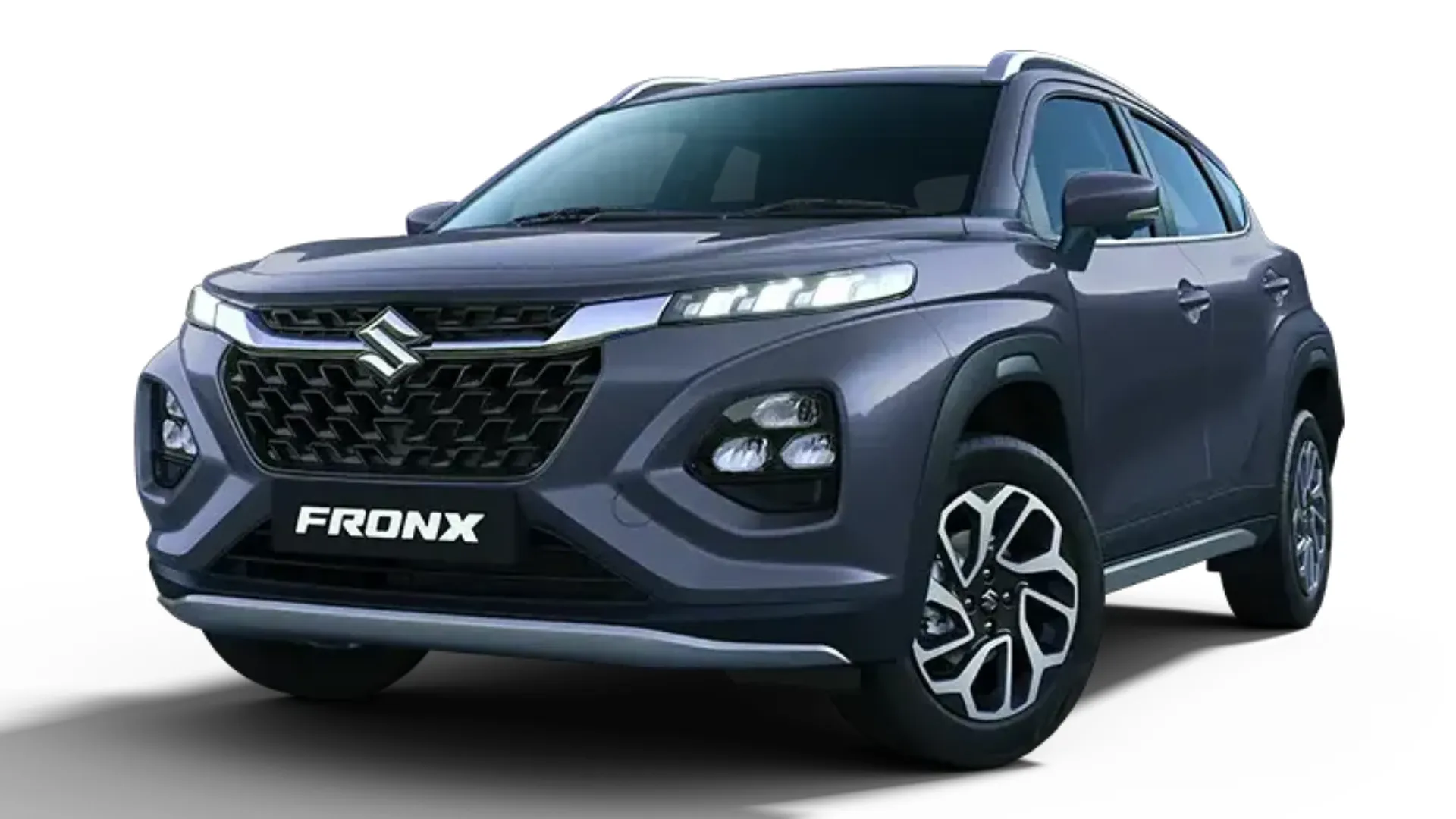
- The Wagon R and Fronx are the strongest candidates, both having been shown as flex-fuel prototypes previously.
- Adapting vehicles for E100 ethanol is estimated to add Rs 40,000 to Rs 50,000 to production costs per unit.
Union Minister Nitin Gadkari has announced something that seems more like a distant dream than something that might turn into a widespread reality on the Indian roads, and it’s related to the largest automobile seller in the country.
At a recent event in Nagpur, the minister announced that Maruti Suzuki will unveil a flex-fuel vehicle, possibly capable of running on E100 petrol, at a special event in Delhi on June 5, World Environment Day.
Also Read: Honda ZR-V e:HEV Launches In India Tomorrow: Here’s Everything You Should Know

What’s interesting is that Maruti Suzuki has not officially confirmed anything, not the model, nor the release date, much less the price or the specifications. But given that the announcement comes from the Union Minister, India’s largest carmaker might actually be on the verge of releasing a flex-fuel vehicle that the four-wheeler segment has never seen before.
What Does E100 Petrol Actually Mean For A Car?
One thing: flexibility of fuel. Flex-fuel vehicles can run on any concentration of petrol and ethanol, from standard fuel (high-performance ones with lower ethanol blend to E20) all the way up to pure ethanol (or E100).
E100 represents the maximum end of petrol blending: a fuel with no petrol content whatsoever. For carmakers, getting there means upgrading fuel lines, using corrosion-resistant injectors, revised seals, and recalibrated engine management systems.
All of this because ethanol is significantly more corrosive than petrol (as it contains water) and absorbs moisture more readily. Making such modifications might add ₹40,000 to ₹50,000 to a vehicle’s cost, depending on the platform.

What they are not talking about is how the car’s engine might behave when run entirely on ethanol, and what could be the resultant fuel economy, as it would be noticeably less than pure petrol, or even E20 petrol for that matter, simply because Ethanol contains much less energy than petrol.
I’m also curious to see what rates E100 fuel will be available at, since it contains no element of foreign dependency (at least none that is apparent right now).
Which Maruti Model Could Actually Get The Flex-Fuel Treatment?
Two models: either the WagonR or the Fronx. While the former was displayed in a flex-fuel avatar at the Bharat Mobility Global Expo in 2024, the latter was showcased as an E85-compatible vehicle at the Japan Mobility Show in 2025.

Gadkari has also confirmed that 12 manufacturers, including Toyota, Tata, Mahindra, and Suzuki, are all working on flex-fuel vehicles, but Maruti is the first to confirm a date.
Also Read: Suzuki Burgman 15 Unveiled With Traction Control and Dual-Channel ABS: India Launch Possible
Meanwhile, Tata Motors has also confirmed the development of a flex-fuel car, which should be available to purchase by the end of this year or by the beginning of next year. Although the company hasn’t confirmed a model, it could be the Tata Punch that gets a flex-fuel compatible powertrain.

You can follow Smartprix on Twitter, Facebook, Instagram, and Google News. Visit smartprix.com for the latest tech and auto news, reviews, and guides.