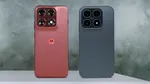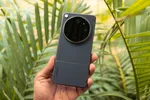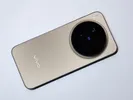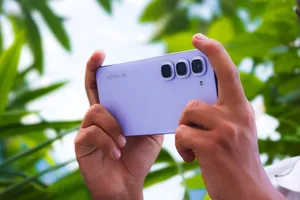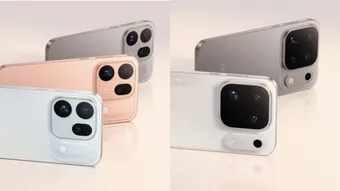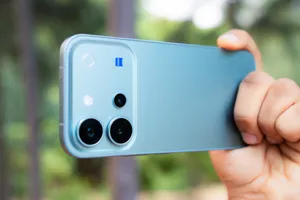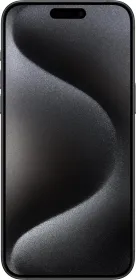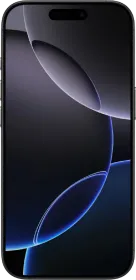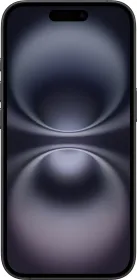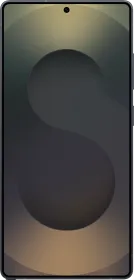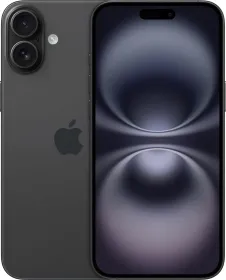



The W-Style prism telescope has become the latest trend in 2024 smartphones, starting with Apple’s tetraprism lens with the iPhone 15 Pro Max. While it comes with a sleeker design, it sacrifices critical features, affecting close-ups and image quality.
Brands like OPPO, realme, and OnePlus have adopted similar setups, but personal experience shows this trend may not be the step forward users (or even brands) hoped for. Let’s explore why.
Apple’s Tetraprism: The First Piece
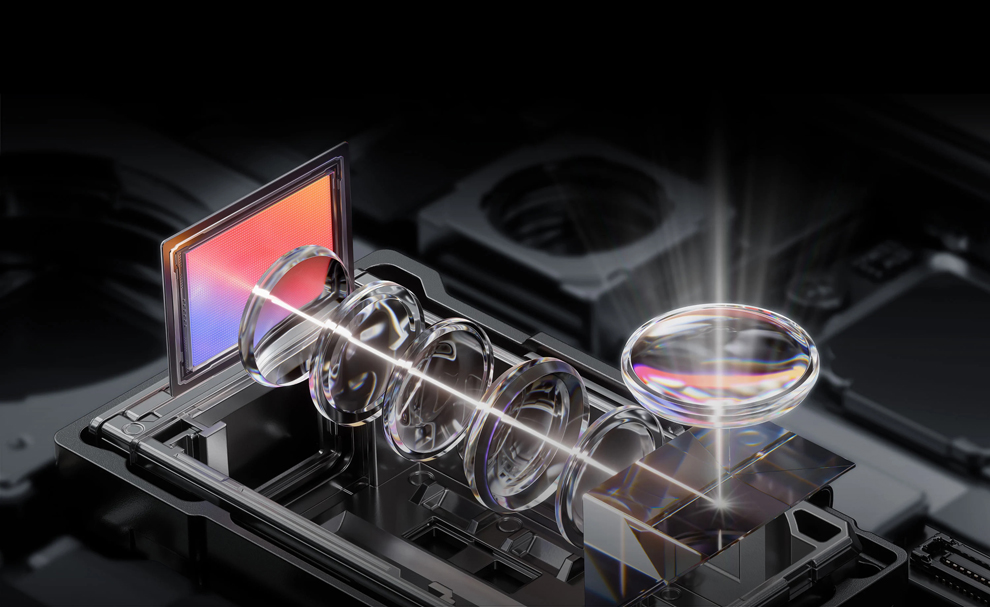

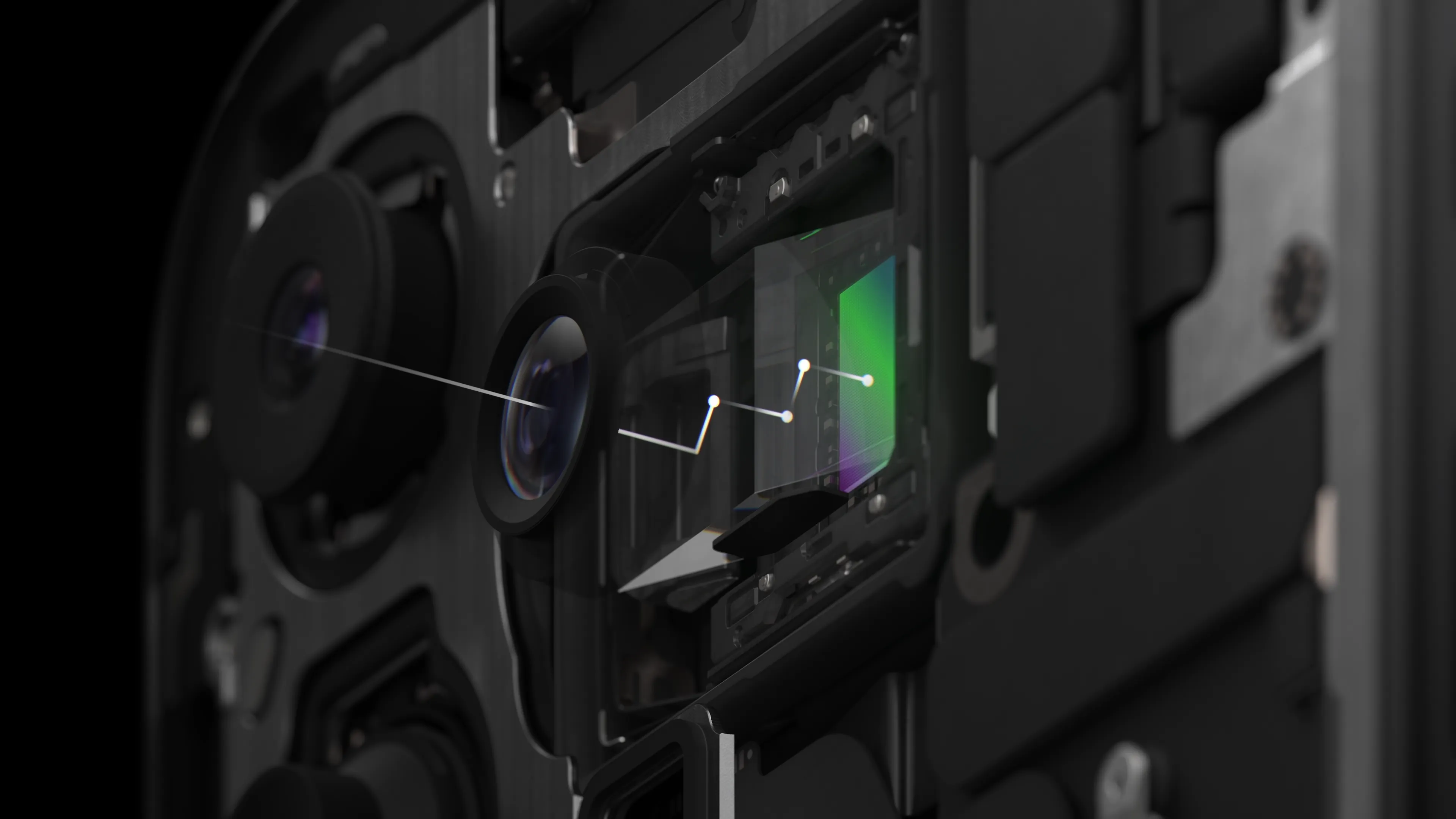
Apple introduced the tetraprism on the iPhone 15 Pro Max, enabling 5x zoom while keeping the camera bump compact. This lens uses multiple light reflections to achieve its zoom capabilities. However, the trade-offs are significant:
No Telemacro: Previous 3x floating telephoto lenses could focus on subjects as close as 20 cm, making them great for macro photography. The tetraprism lens increased the minimum focusing distance to 120 cm, making macro photography impossible.
Reduced Image Quality: The multiple reflections in the prism degrade sharpness and detail, and this is very much apparent in low light and even in overcast.
This design carried over to the iPhone 16 Pro (review) and 16 Pro Max, but the slim camera bump is its only real advantage. If you can, try comparing the iPhone 15 Pro’s 3x (review) to the iPhone 16 Pro’s 5x.
How Other Brands Are Following Suit
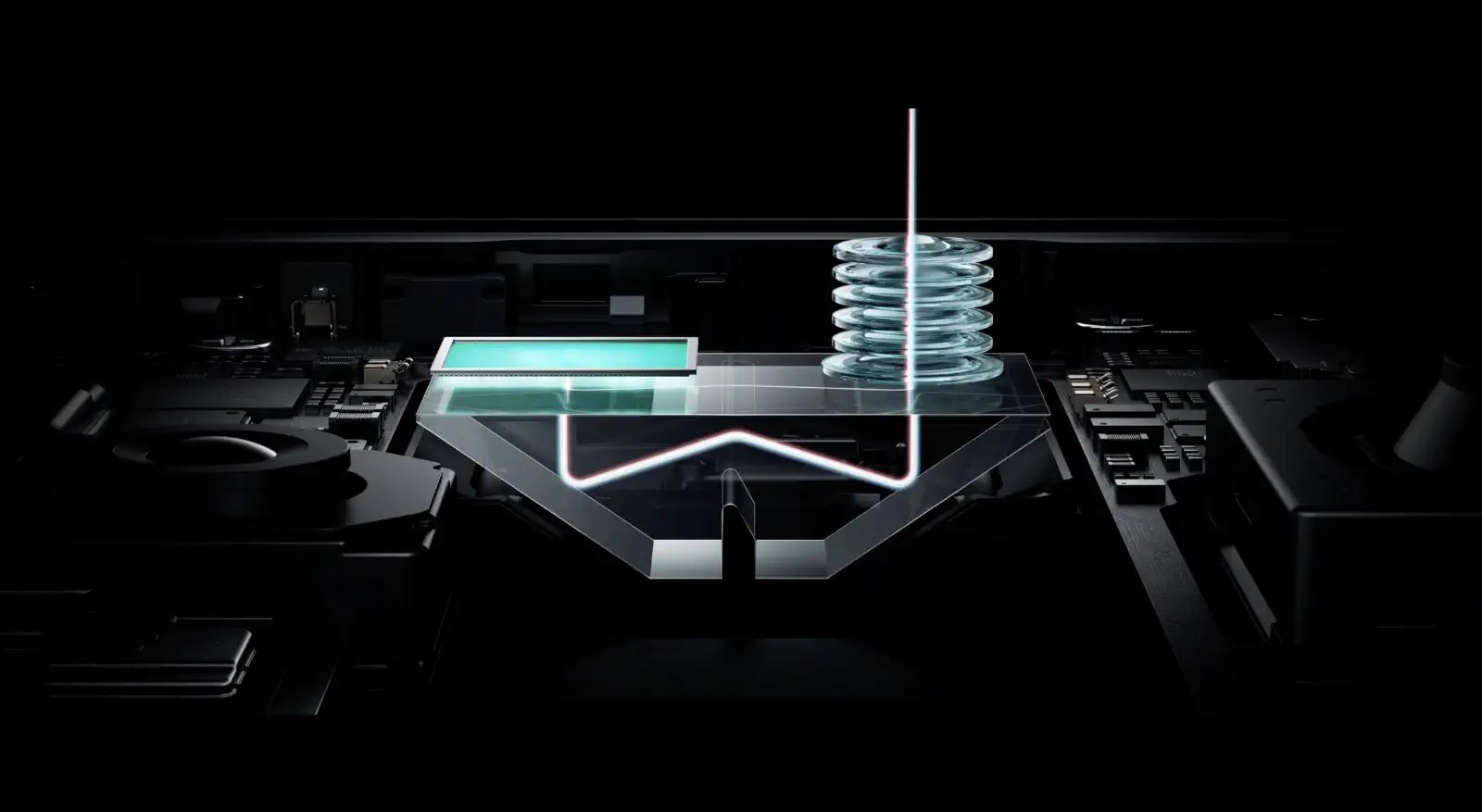
OPPO adopted the W-Style prism lens in the Find X8 (review) and Find X8 Pro (review). While the 3x telephoto lens has a better minimum focusing distance of 50 cm compared to Apple’s 120 cm, macro photography is still impractical. Notably, the OPPO Find X8 Pro has a 135mm lens (6x) that is using a traditional folded periscope, leading to a 35 cm minimum focusing distance. This does capture great macros in daylight (samples below).

However, with the 3x, in my use, it often failed to focus when subjects were too close, and low-light performance was underwhelming due to the light loss from multiple reflections. You could still use the ultra-wide/6x lens (35 cm) to capture macros on the OPPO Find X8 Pro and the ultra-wide on the vanilla Find X8.
realme’s Implementation
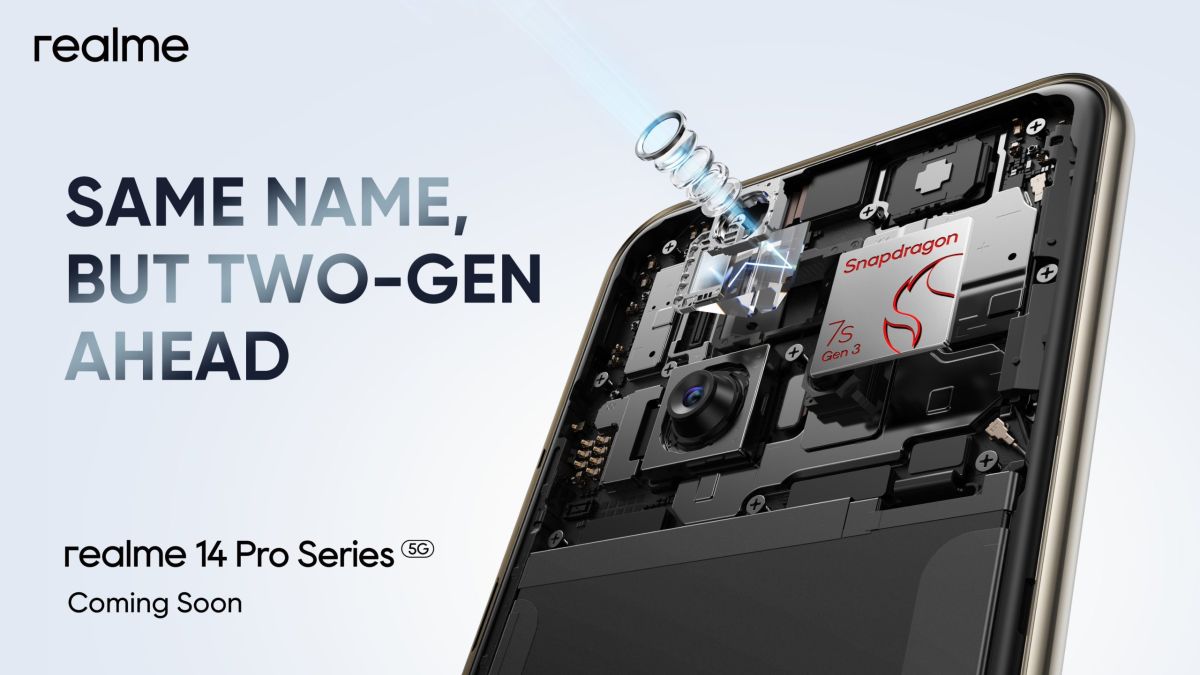
realme first introduced this setup on the realme 13 Pro+ (review) and expanded it to the realme GT 7 Pro (review). Unfortunately, the processing is subpar. Whenever I tried to take a macro shot, the phone would automatically switch to the main lens, acknowledging the telephoto lens’s inability to handle close-ups. You could technically take a close-up shot using this lens by moving 50 cm away and zooming in, but the quality isn’t impressive (see samples below).

OnePlus’s Move to Prism Lenses

The upcoming OnePlus 13 will also adopt this lens style. This is a disappointing shift, as the OnePlus 12 (review) featured a traditional periscope lens with a minimum focusing distance of 20 cm, enabling superior macro capabilities. In my side-by-side comparison, the OnePlus 12 outperformed OPPO’s 3x prism lens in close-up shots and overall image quality.
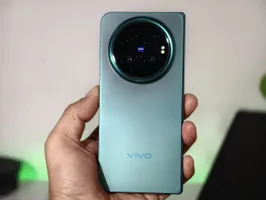
Brands like vivo, Samsung, and Xiaomi are still using traditional periscope lenses, which is great to see.
The Issues with W-Style Prism Lenses
After using W-style prism lenses for over a month, I’ve noticed recurring issues that make them less practical than traditional periscope lenses:
- As stated several times already, with a minimum focusing distance of 50-120 cm, telemacro photography is no longer possible. Sure, you could take macro photos with the ultra-wide, but those tend to have a lot of distortion with fake blur.
- Multiple light reflections degrade sharpness and detail, especially in low-light conditions.
- Traditional periscope lenses use floating mechanisms for close focusing, which W-style lenses cannot match.
The Benefits of W-Style Prism Lenses
The major benefit that comes with the W-Style prism lenses is the reduction in the camera bump. For example, OPPO claims that, with the OPPO Find X8 Pro, they’ve reduced the camera bump by 40%, which is probably thanks to the new W-Style prism.
Another benefit is the circular bokeh that you get (most people do not notice this) with the W-Style prism periscopes. The traditional folded periscopes render a square-ish bokeh, which might not appeal to everyone, though this can be altered with software and postprocessing. Remember, bokeh is not the amount of blur that you get but how the blur is rendered—basically, it’s the blur style.

So, while these lenses make for slimmer camera bumps, the trade-offs in usability and quality outweigh the aesthetic benefits, at least for me. Personally, I’d choose a larger camera bump for better performance any day.
Samsung’s ALoP Sensor: Any Hope?
Samsung had recently teased their new ALoP (All Lenses on Prism) lens that could solve the issues with current prism lenses. This advanced periscope lens design increases the lens diameter without actually increasing the size of the module.
This utilizes a 40° tilted prism reflection and a 10° tilted sensor assembly to maintain compactness. Samsung says that it’s 22% shorter than traditional periscope lenses while retaining image quality.

This design promises a smaller camera bump without sacrificing performance, probably striking a balance that W-Style prism lenses fail to achieve. Nonetheless, we’ll only be able to draw a conclusion once we see how this lens performs in the real world. Experts say that this lens could first be seen on the Galaxy S25 series.
Image Quality and Versatility or Sleek Camera Bumps?

The push for smaller camera bumps has compromised features like macro photography and overall image quality. If macro doesn’t matter to you, then this may not affect you. But… traditional periscope lenses, despite their larger size, remain the gold standard for versatile and high-quality smartphone photography.
Currently, the best minimum focusing distance on a smartphone can be found on the Huawei Pura 70 and the Huawei Mate 70, at 5cm for the 125mm 5x lens. Remember that this is 120cm on the iPhone 16 Pro’s 125mm 5x lens. As for phones available in India, the vivo X200 Pro comes at top for the best telemacro lens on a smartphone.
Samsung’s ALOP sensor offers some hope for a future where we don’t have to choose between sleekness and functionality. As a macro photography enthusiast, I hope 2025 brings a shift in priorities, where smartphone brands focus on enhancing image quality rather than chasing aesthetics.
You can follow Smartprix on Twitter, Facebook, Instagram, and Google News. Visit smartprix.com for the latest tech and auto news, reviews, and guides.