


Most of us are normally not aware of a number of sensors present in our smartphone and what purpose they serve. Generally, when we make our buying decision it is likely to be based on marketing terminology which only boasts off Gigs of RAM or ‘n’ megapixel camera phone has to offer. But a better smartphone experience is much more than that. There are a number of sensors which are working 24×7 inside the metal-clad or plastic chassis of your phone which ultimately influences your smartphone experience in more than one way. Here’s the list of common smartphone sensors and what they do:
Also read: Decoding Chipsets: A Beginner’s Guide For Smartphone Processors
Accelerometer
The accelerometer is one of the most common sensors one can find in a smartphone. It studies whether a phone is sitting ideal or is in motion. It calculates the orientation of your smartphone along three axes. Information gathered from Accelerometer is used by apps or OS to switch the orientation of the screen between portrait or landscape as per your usage. Any app, smartphone feature or game that gets fired or reacts to you tilting your phone depends on Accelerometer data.

Gyroscope
It is another sensor which digs out orientation details. However, unlike Accelerometer which measures linear acceleration, Gyroscope calculates angular rotational velocity. Both Accelerometer and Gyroscope complement each other to offer precise findings. Accelerometer and Gyroscope are often present on the same chip or are combined together. Some budget phones use only one of the two as well.
If you wish to experience VR Apps and use VR headsets with your phone, Gyroscope is sort of mandatory.

Also Read: ‘RAM’sutra – Everything You Need To Know About RAM On Your Phone
Magnetometer
As the name implies Magnetometer is used to sense Magnet fields and provide information defining your phone’s orientation with respect to it. All compass apps use Magnetometer sensor to detect your physical direction on the map. Due to this very reason, our digital map rotates automatically in the same direction when we take a turn while driving.

Proximity sensor
The Proximity sensor is another common sensor present in every smartphone. It comes equipped with an infrared LED and an IR light detector. Proximity sensor radiates a beam of infrared light which gets reflected from the nearby object and this reflection is registered by IR scanner.

One can locate a proximity sensor in their phone placed next to the earpiece. The purpose of its inclusion in a smartphone is to detect when a phone is used for calling purpose. As soon as a phone is earpiece touches user body, the proximity sensor conveys that to a CPU to turn off the screen. This, in turn, avoids accidental touches and conserves battery.
Light sensor
The light sensor comes to this party to measure the brightness of ambient light. It sends its reading to the phone’s brain which as per the operating system’s algorithm adjust display’s luminosity. If the place is dark and the dusky phone automatically dims the screen brightness so that it won’t affect the user’s eyes. on the other hand, under direct sunlight phone maxes brightness level.
Nowadays, many smartphone manufacturers use Advanced Light sensor which can distinguish between Blue, Red, Green and White color light.
Barometer
Most of the premium budget smartphones come fitted with a barometer which comes handy in measuring atmospheric pressure. The data registered by Barometer is applied to find out altitude from the sea level which proves crucial in providing more accurate and faster GPS locking.
 Thermometer
The thermometer is placed under the hood of almost all the smartphones of this generation. Thermometer is essential because it protects the smartphone from damage due to excessive heating (which has become a common phenomenon these days). Thermometer sensor measures temperature within the smartphone and its power unit. When it senses that device is about to breach temperature limit it shut down or throttles the processor until it cools down.

Pedometer and heart-rate monitor
Off-late smartphone manufacturer has shifted their focus towards health and is now taking steps to make people more aware of their fitness. Keeping this in mind, makers are now introducing Pedometer and heart rate monitor sensors in more and more flagship devices. Pedometer basically counts a number of steps taken by a person while, true to its name, heart rate monitor keeps a tab on your heart rate.

Fingerprint Sensor
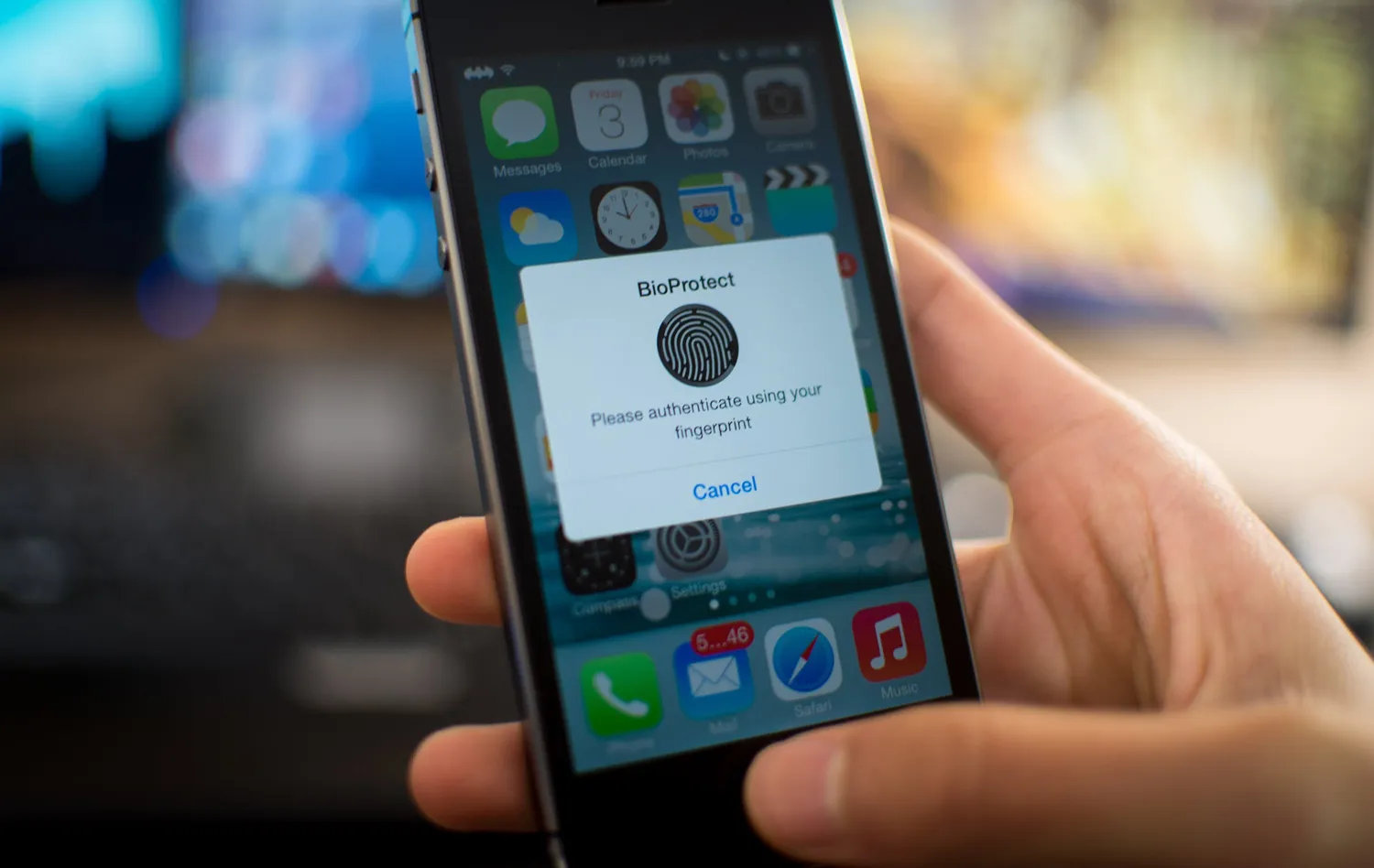
The last but certainly not the least in the list is a fingerprint sensor. The fingerprint sensor is currently trending in the smartphone industry. The fingerprint sensor proves handy if you carry lots of important details in your smart device. It senses the ridges of the finger skin. Fingerprint sensors can be used to conveniently unlock the device, authenticate payments and much more.

Almost all smartphones today use capacitive fingerprint sensors, but Qualcomm’s Ultrasonic fingerprint sensors are beginning to show up in new smartphones. Ultrasonic sensors are more secure and difficult to fool compared to capacitive sensors.