


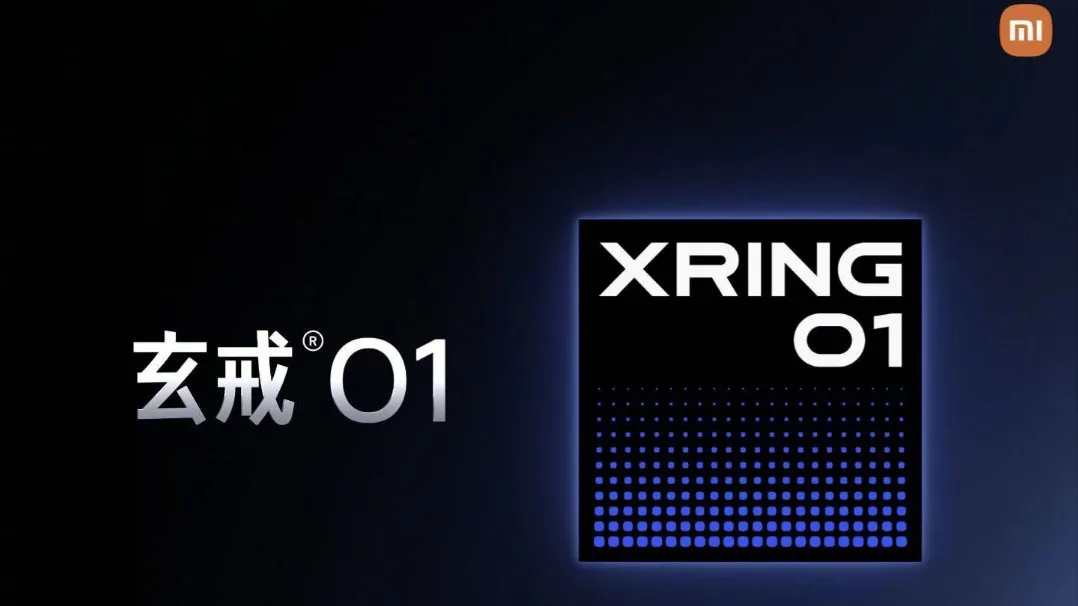
Xiaomi has just made waves in the Android flagship space. A new Geekbench 6 listing reveals the Xiaomi 15S Pro, powered by the company’s in-house XRING O1 processor, and the results are very impressive. The device scored 3119 in single-core and 9673 in multi-core (share by tipster Ice Cat on X), putting it neck-to-neck with the Snapdragon 8 Elite, last year’s flagship chipset for Android phones.
For context, Snapdragon 8 Elite devices typically hit around 2800–3000 in single-core and 8600–9000 in multi-core. Xiaomi’s chip isn’t just competing here, it’s ahead. The 15S Pro’s scores suggest the XRING O1 could be one of the more powerful Android chipsets in the market today, at least in synthetic benchmarks.
ALSO READ: OPPO Reno 14 & Reno 14 Pro 5G Launched in China: India Launch Soon
XRING O1 CPU Configuration
The CPU configuration also breaks away from tradition. Instead of the usual 1+3+4 layout, the XRING O1 runs a 2+2+4+2 setup:
- 2 efficiency cores at 1.80 GHz
- 2 additional efficiency cores at 1.89 GHz
- 4 performance cores at 3.40 GHz
- 2 high-performance cores peaking at 3.90 GHz
This unusual structure seems to prioritize sustained performance without overly compromising efficiency. The scores show it’s paying off – 3119 in single-core and 9673 in multi-core. The chipset is built on the 2nd generation TSMC 3nm process.

ALSO READ: OnePlus 13s to Come With Lifetime Display Green Line Warranty: Details Inside
Xiaomi XRING O1 Could Be Game-Changing

Just yesterday, Xiaomi confirmed the XRING O1 was in the works, after a decade of internal R&D, and would soon power its own flagship phones (likely the Xiaomi 15S Pro). The chip is built on a 2nd generation 3nm TSMC node, similar to Qualcomm and MediaTek’s best offerings.
Meanwhile, Google’s Tensor G4, another in-house chip, is showing signs of stagnation. Even as it enters its fifth generation, the Tensor chip struggles with heat and underwhelming performance. Sources suggest the upcoming Tensor G5 may improve thermals, but raw power gains will likely be minimal.
In contrast, Xiaomi’s first serious attempt at custom silicon already outpaces Qualcomm’s last gen chip in benchmarks, something Google hasn’t been able to pull off in four years of Tensor chips.
ALSO READ: vivo X200 Ultra’s camera bump is thicker than the S25 Edge and the iPhone 17 Air
Xiaomi XRING O1 Devices and Launch Date

The first Xiaomi devices to be powered by the XRING O1 chip will be the Xiaomi 15S Pro and the Xiaomi Pad 7 Ultra. The Xiaomi 15S Pro will feature a 6.7-inch 2K display with a camera setup similar to that of the Xiaomi 15 Pro – a triple 50 MP setup with 5X periscope zoom and LEICA imaging. The device will sport a 6,500 mAh battery with 90W fast charging. The launch date is scheduled for May 22, 2025.
Other Brands to Follow Suit
Looking at Xiaomi, a new report suggests that OPPO has also resumed work on its own chipset. This is a big deal. By moving away from Qualcomm and MediaTek, these brands could gain more control over power efficiency, thermal behavior, and software optimization.
That means potentially better battery life, smoother performance, and tighter ecosystem integration. Not just that, but also less expensive chips, meaning the end consumer will likely have to pay less for the same performance. For both Xiaomi and OPPO, this is a very good step forward. What are your thoughts on the XRING O1? Let us know in the comments.
You can follow Smartprix on Twitter, Facebook, Instagram, and Google News. Visit smartprix.com for the most recent tech and auto news, reviews, and guides.