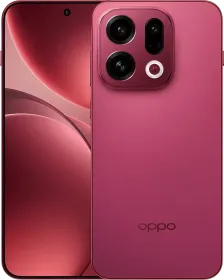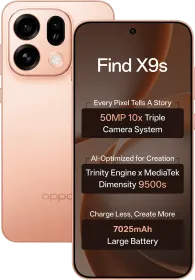


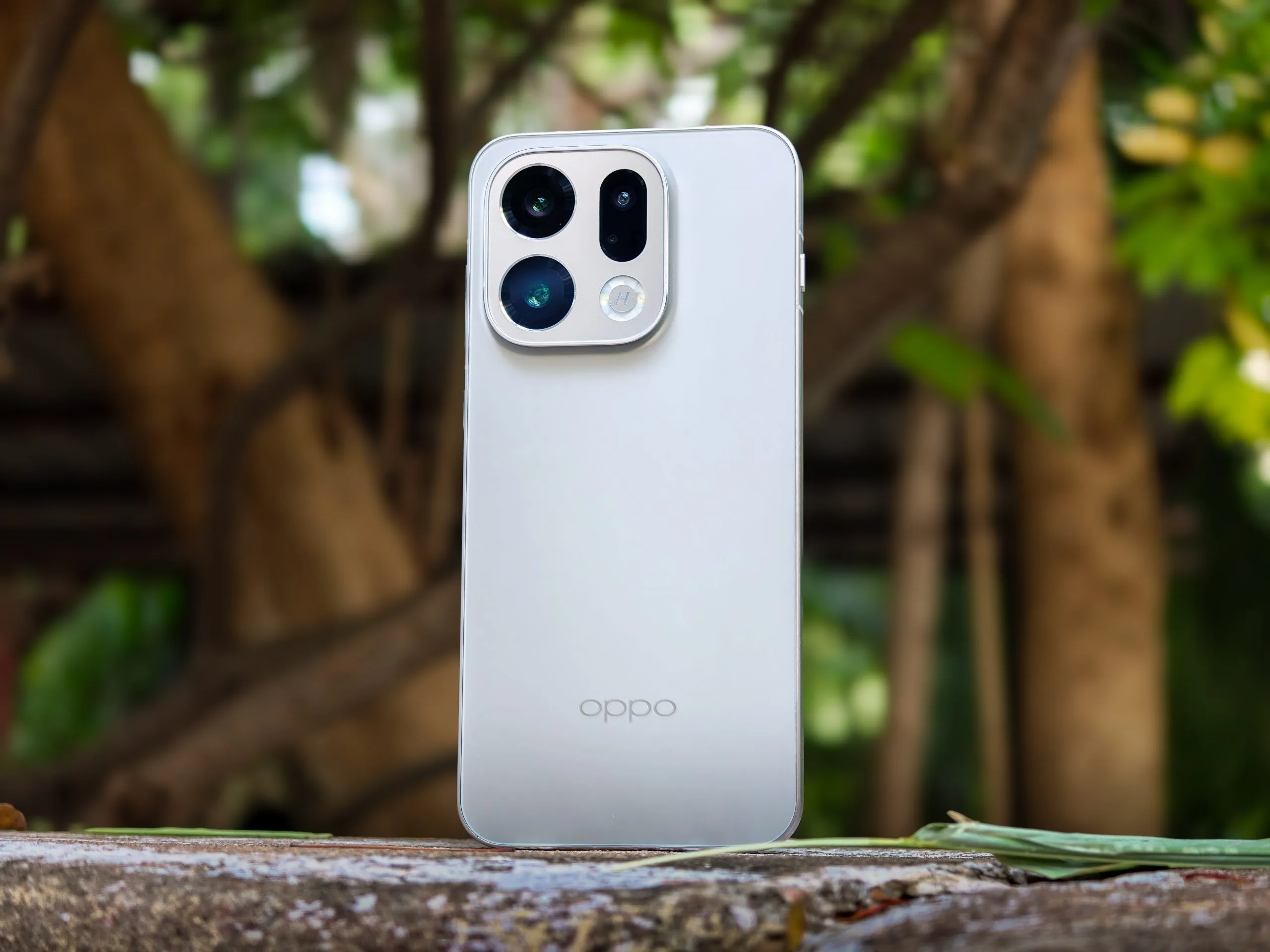
The new OPPO Find X9 Series is grabbing attention with its massive 200MP Hasselblad Telephoto lens. But that’s not the only noteworthy thing about OPPO Find X9 Pro and Find X9 cameras. If you look past the impressive hardware on the specs sheets of these phones, you’ll find mention of two things that no one is talking about as exhurently as they should. These two things are the “industry-first True Colour Camera” and the all-new “LUMO Image Engine”.
While a 200MP sensor gets the marketing spotlight, these two innovations work together to solve the most common frustrations, unnatural colors, and processing lag that plague even the most expensive flagship phones.
ALSO READ: OPPO Find X9 First Impressions: Is This Worth Waiting For?
Why should I take the True Colour Camera seriously?
Smartphone photography has evolved rapidly, but even top-end devices still struggle with one simple truth: cameras don’t see color like the human eye does.
Most phones rely on software to guess the white balance and color temperature, leading to inconsistent skin tones and off-looking scenes under mixed or artificial lighting. It’s why faces sometimes appear too yellow, too pink, or unnaturally smooth.
OPPO’s answer is a hardware-first solution called the True Colour Camera.
ALSO READ: Your First Look at OPPO Find X9 and Find X9 Pro Design
What the ‘True Colour’ Camera Actually Does?

Instead of guessing, the Find X9 Pro measures light scientifically.
At its core is an 8-channel spectral sensor with over 2 million spectral pixels. It divides every frame into 48 zones, measuring subtle differences in light and color temperature. This data is then shared across all three rear cameras — main, ultra-wide, and telephoto — ensuring every shot maintains a consistent and accurate color signature.
The result? More natural skin tones, accurate whites, and scenes that look closer to how your eyes actually see them. In OPPO’s words, it’s about “capturing the authenticity of the original scene.”
For users in countries like India, where lighting conditions range from the golden hues of a wedding mandap to harsh afternoon sunlight, this could be a quiet revolution.
ALSO READ: I got my hands on the OPPO Find X9 Pro, and I’m impressed
What is the LUMO Image Engine?
If the True Colour Camera is the hardware that sees better, the LUMO Image Engine is the new ‘brain’ powering it.
It’s not a single chip. It’s a “comprehensive suite of computational photography algorithms” designed to enhance clarity and color while keeping photos “natural and true to life”. It works by harmonizing four key technologies: AI Denoise (for crisp night shots), AI Demosaic (for lifelike tones), the HyperTone Image Engine (for balancing light), and Lightning Snap (for freezing motion) .
ALSO READ:Exclusive: OPPO Find X9 Series India Launch Date and Key Specs Revealed
What does it do?
The LUMO Engine’s real magic is its “Parallel Computing architecture”. In a typical phone, different processors (the ISP, NPU, GPU, and CPU) work in sequence, creating bottlenecks. The LUMO Engine’s new design allows all these processors to “process image data simultaneously”.
This parallel approach is a massive leap in efficiency. Compared to previous systems, it results in 50% less CPU usage, 60% less memory usage, and 50% less power consumption.
Let me explain it with an analogy. Think of a typical phone’s processor like a single chef trying to cook a five-course meal alone—they have to chop the vegetables, then cook the meat, then make the sauce, one step at a time. It’s slow, and things get backed up.
The LUMO Engine is like a full kitchen staff. Its new design allows all the phone’s different processors (the ISP, NPU, GPU, and CPU) to “process image data simultaneously”. The “vegetable prep” (AI Denoise) and “grilling” (HyperTone) all happen at the same time, making the whole process incredibly efficient.
ALSO READ: ColorOS 16 review: I Tested it on the Oppo Find X9 Pro, and it’s a Perfect Match for the Hardware
Benefits of Lumo Engine
This “unprecedented efficiency” unlocks two major features that are a bigger deal than any single lens:
Full 50MP Photos by Default
Most “50MP” phones default to 12MP binned images because of “processing constraints”. The Find X9 Pro is the world’s first smartphone to capture in full 50MP resolution by default across all three rear cameras. This delivers over four times the detail and “8K-level clarity straight out of the camera”.
4K Motion Photos
This same efficiency enables the “world’s first” 4K Motion Photos feature. This records short 4K video clips alongside your still images, allowing you to “relive the movement and emotion surrounding each captured moment”

Bottomline
While the 200MP camera is grabbing the headlines, the real story of the Find X9 Pro may be its “under-the-hood” technology.
The new LUMO Engine and True Colour Camera aren’t just extra features; OPPO claims they are the core reason the entire system works. They are the enabling technology, the “how” that allows the 200MP sensor to run at its full potential without lagging, overheating, or producing the fake-looking, over-processed images we’ve all come to expect.
This system promises to solve real-world problems—like unnatural skin tones and blurry HDR—which is a far more significant achievement than just winning the megapixel war.
Of course, these are bold claims on paper. We’re eager to see if they hold up in our full review, which is dropping soon. Watch this space.
You can follow Smartprix on Twitter, Facebook, Instagram, and Google News. Visit smartprix.com for the latest tech and auto news, reviews, and guides.