


TL; DR
- Renault is reportedly developing a cheaper 1.3-liter MPFi turbo-petrol engine for the Duster.
- Estimates: about 140 bhp and 250 Nm, priced ₹1 lakh to ₹1.5 lakh below TGDi.
- Renault has confirmed neither the engine nor a launch timeline; wait for official figures.
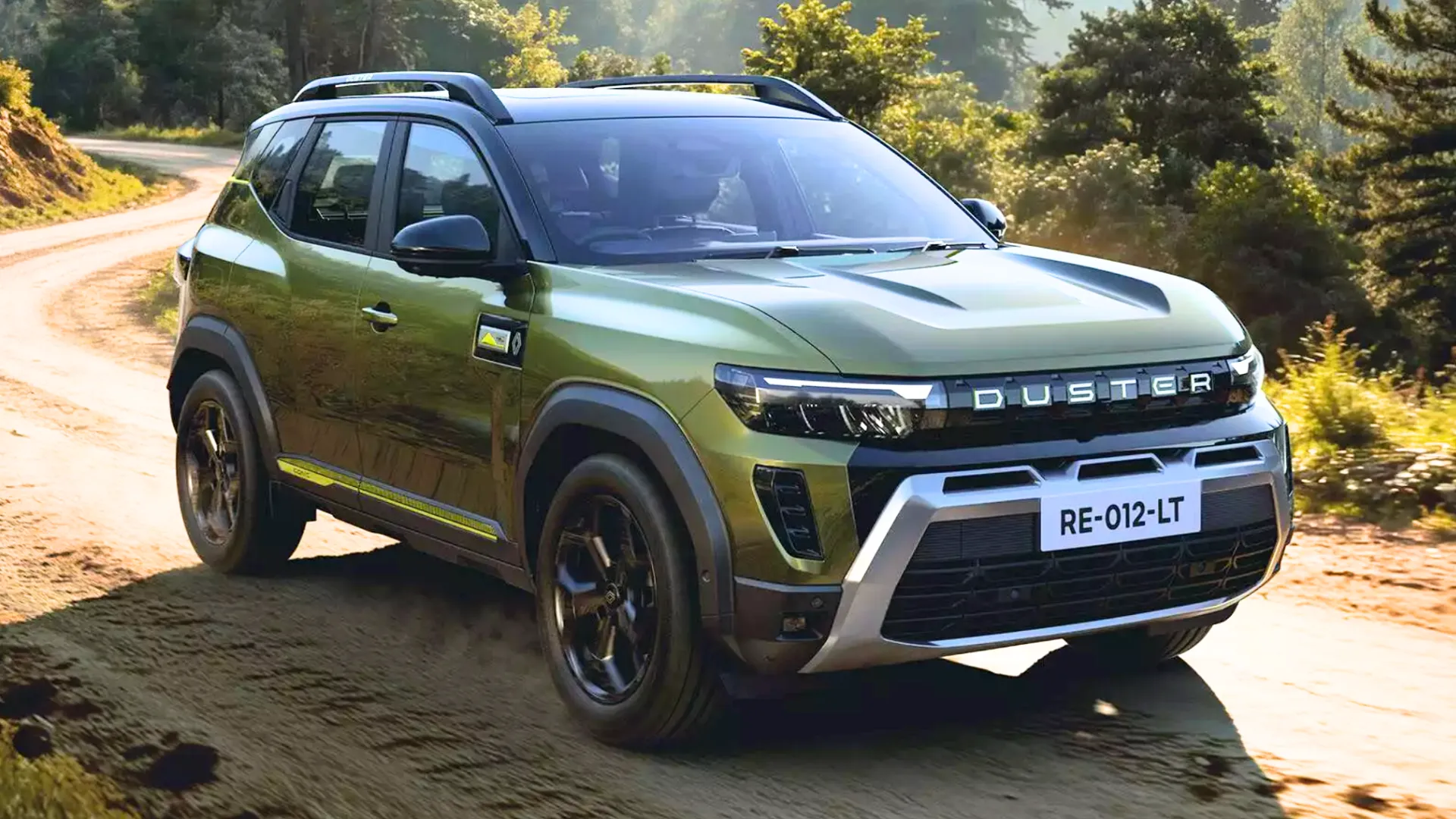
It’s one of the biggest ironies in the Indian car market. People want a big, powerful engine. But when it comes to paying a premium for the same, most shy away and settle for the more affordable version. Renault experienced something similar with the new Duster’s release.
While the new 1.8-liter strong hybrid (E-Tech 160) engine made all the headlines, people are still choosing the smaller, more affordable versions. To help consumers further, the automaker is trying to lower the upfront cost of building the 1.3L Direct-Injection Turbo-Petrol engine by making a few engineering changes.
Also Read: Jensen Huang Admits Affair in Memo to Nvidia Staff; Board Launches Independent Investigation
| Aspect | 1.3 TGDi (on sale) | 1.3 MPFi (reported) |
| Fuel injection | Direct, high-pressure | Port (multi-point) |
| Power | 163 bhp | About 140 bhp (estimate) |
| Torque | 280 Nm | About 250 Nm (estimate) |
| Price | Baseline | ₹1 lakh to ₹1.5 lakh below the equivalent TGDi variant (reported) |
| Particulate filter (GPF) | Fitted, per reports | Could be dropped |
| Turbo response | Low-speed lag, per Autocar | Redesigned turbo to improve it (reported) |
| Official status | On sale | Not confirmed by Renault |
What Is Renault Reportedly Planning for the Duster?
According to a report by Autocar India, Renault India is developing a new 1.3-liter turbo-petrol engine for the Duster. Instead of the direct injection technology on the current-generation engine, it features multi-point fuel injection, or MPFi. In simpler terms, fuel enters the intake port rather than the cylinder.
Basically, the engine is a simplified version of the current 1.3-liter turbo-petrol engine. This simplification eliminates high-cost components (high-pressure fuel rail, complex injectors, and a dual-mass flywheel), bypasses the complex exhaust filtration process, and enables bi-fuel (read: “CNG”) integration.

Also Read: Oppo Reno 17 Series Launches In China On November 16: What We Know So Far
A redesigned turbocharger could ease low-speed lag, which matters in stop-and-go city traffic. Port injection also adapts more easily to CNG than direct injection does, so a factory-fitted CNG Duster is possible.
The engine is expected to produce around 140 bhp and 250 Nm, against 163 bhp and 280 Nm for the TGDi. That is a gap of 23 bhp and 30 Nm. However, Renault hasn’t confirmed the official numbers yet.

Also Read: Hero Xtreme 125R Stealth Edition Costs ₹6,700 More Than the Dual Channel ABS Version
Why Does This Matter for Duster Buyers?
Now, let’s discuss why Renault is developing the new engine. Hint: it’s quite similar to what I mentioned in the beginning. While the Duster offers a strong mechanical package, it hasn’t translated into sales volumes, likely because of higher running costs (due to lower fuel economy) and the lack of a commuter fuel option (CNG).
The strong hybrid Duster also arrived six months after the car’s launch, which could be another reason for lower-than-expected sales. To back the theory with numbers, the MPFi version could be ₹1 lakh to ₹1.5 lakh less than the comparable TGDi engine.

Also Read: Hero Xtreme 125R Stealth Edition Costs ₹6,700 More Than the Dual Channel ABS Version
The trade-off is clear on paper: roughly 14% less power and 11% less torque. However, making the engine mechanically simpler, more affordable upfront, and more fuel-efficient (especially with the CNG powertrain) could help Renault gain the sales traction it envisioned with the Duster in the first place.

You can follow Smartprix on Twitter, Facebook, Instagram, and Google News. Visit smartprix.com for the latest tech and auto news, reviews, and guides.