

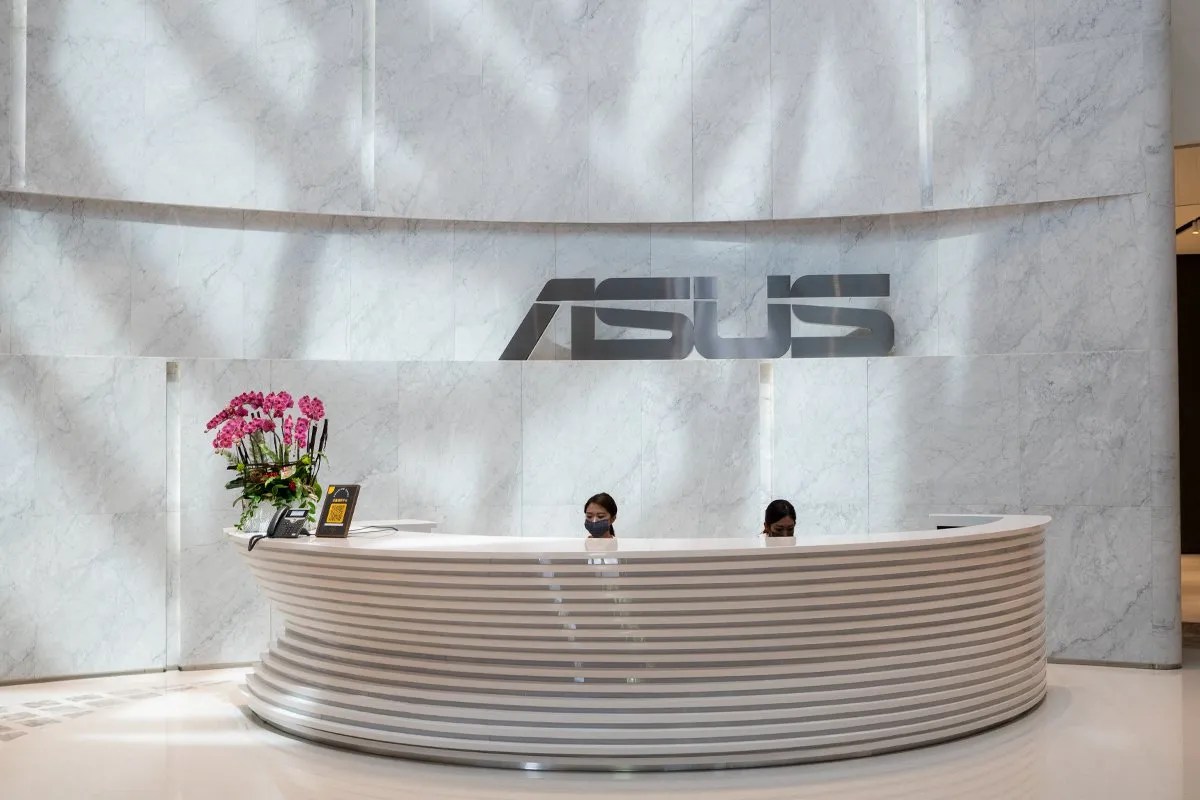
At COMPUTEX 2026, every company pushed the idea that AI will shape the next generation of PCs. But when I visited the ASUS Design Center in Taipei, I saw something different.
Inside, industrial designers talked about nature, user behavior, hinges, materials, and emotions—not processor roadmaps or benchmark charts. In a closed-door session with a handful of journalists, ASUS showed how it designs products like the Zenbook, Vivobook S, and ROG Zephyrus before they ever hit the shelves.
For the next two hours, I talked with the people who shape ASUS’ premium laptops—from industrial designers to UX specialists. It quickly became clear: ASUS is designing the future of premium laptops around people, not just processors.
Premium now means more than just performance
I asked what makes a laptop premium in 2026, now that most flagships already deliver strong performance, battery life, and displays. Ponien, Industrial Designer for Zenbook, gave a thoughtful answer.
“As AI seamlessly integrates into every aspect of our lives, everything is becoming incredibly fast and efficient,” Ponien told me. “Things that take time, things that are authentically shaped by nature, will become the ultimate luxury.”
That approach explains why ASUS keeps investing in Ceraluminum, the ceramic-aluminum material found in its premium Zenbook line. Ponien said the colors take inspiration from natural landscapes to bring a sense of nature, humanity, and culture into daily computing.
Jo Wen, Design Project Manager and Research Lead, said premium products now stand out more for their experience than their specs.
“Performance, battery life, and display quality have become baseline expectations,” Wen said. “What increasingly differentiates a premium laptop is how well it fulfils both functional and emotional needs.”

She described laptops as personal tools that stay with users all day. Details like material finishes, hinge feel, keyboard comfort, unboxing, and smooth hardware-software integration all shape how people feel about a device.
“A premium laptop doesn’t just help people do more,” she said. “It makes them feel more connected, confident, and inspired.”
After talking to both designers, I noticed ASUS now talks about its laptops more like luxury brands talk about watches or furniture, not just electronics.
Putting emotion before engineering
I asked a question I’ve wondered about for years: When designing a laptop like the Zenbook or Zephyrus, what comes first—performance or emotion?
For Max, Industrial Designer behind the Zenbook Duo, the answer was immediate.

“How it makes someone feel comes first,” he said. “Performance is the foundation, but our starting question is always how it feels in the hand, how it looks on the desk, and how it fits into someone’s daily life.”
He said raw performance isn’t enough if a product doesn’t create an emotional connection. A laptop that works well but feels cold won’t make it into your bag every day.
Andrean, Industrial Designer for the ROG Zephyrus lineup, described a slightly different process that reflects the gaming brand’s priorities.
He said designers start with the feeling and pitch bold ideas. But for ROG, top performance is non-negotiable. Designers and engineers keep working together, using prototypes to balance looks and thermal performance.
Even though these product lines serve different users, both start with the human experience before focusing on technical details.
ALSO READ: Samsung Galaxy Z Fold8 Ultra Review: Samsung Finally Fixed (Most of) the Fold
Why ASUS still believes in dual screens
Dual-screen laptops have been around for years, but many people still ask if they solve real problems or show off engineering skills. ring ambition.
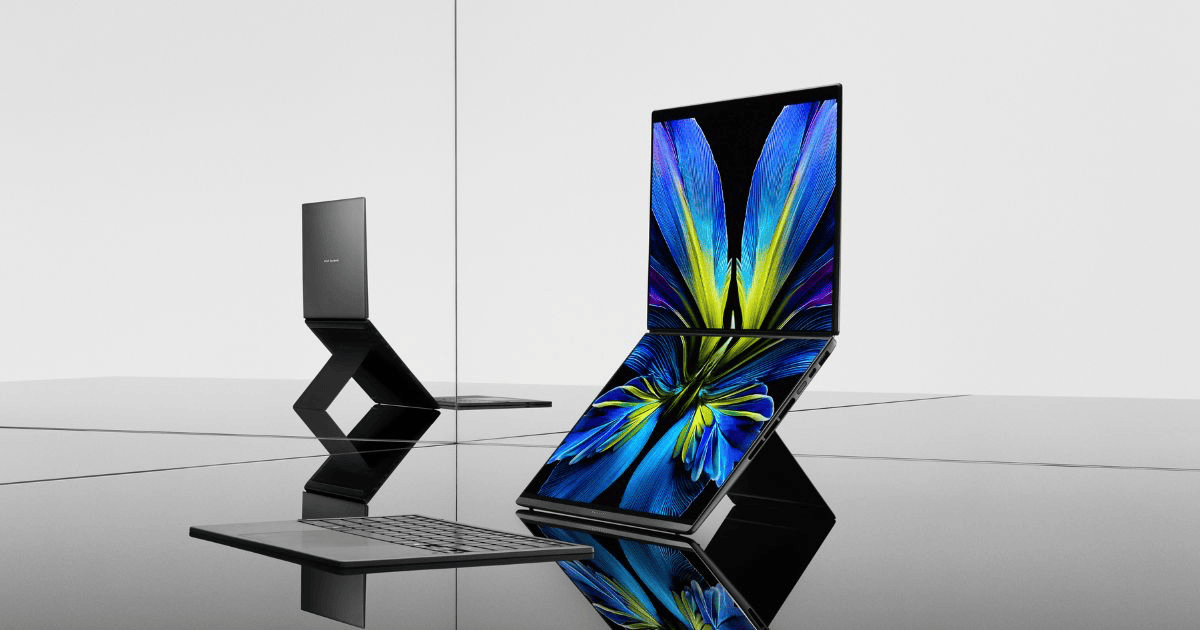
Max doesn’t see them as behavior-changing products. “It’s less about changing user behavior, and more about making what they already want to do feel easier,” he told me.
People already read while writing, join meetings while taking notes, and compare documents side by side. Traditional laptops make users switch windows all the time. Max said the Zenbook Duo removes that friction instead of forcing new workflows.
Andrean echoed that philosophy from the gaming perspective. “We don’t want to force users to adapt to new tech,” he said. “We want the tech to adapt to them.”
That idea summed up most of what I heard in the session. Good technology shouldn’t force new habits. It should quietly support what people already do.
The best user experience is the one you never notice. Kate, one of ASUS’ User Experience Designers, shared some of the most interesting insights.

When I asked what users notice subconsciously without ever being able to explain it, her answer wasn’t about animations or visual polish.
“The number of steps it takes to get something done,” she replied. Users rarely think about workflow design, but they immediately recognize when software feels intuitive.
Kate said ASUS runs regular usability studies to understand how users think and spot friction points. The goal isn’t just to cut clicks, but to make interactions feel natural so people can focus on their work, not the interface.
As a tech reviewer, I found that perspective refreshing. The best user experience often fades into the background.
ALSO READ: PS5 Now Costs ₹69,990 In India And The Timing Could Not Be Worse
Design and engineering don’t have to compete
My last question tackled a classic design problem: Where do design and engineering clash most often?
According to Max, the answer is almost everywhere.
“The clash happens almost every day,” he laughed, pointing to thickness versus thermals, clean aesthetics versus I/O ports, and elegant designs versus mechanical durability.


But at Zenbook, neither side wins. If design wins, the laptop overheats. If engineering wins, the laptop looks like every other one.
Instead, he pointed to features like the Zenbook Duo’s virtual-axis hideaway hinge as examples of new solutions that work for both teams.
Andrean shared a similar philosophy. “There are no winners or losers, only a process of continuous alignment,” he said.
Kate added that UX faces its own balancing act. “The biggest tension is often between simplicity and complexity,” she explained. “Neither side wins by default. Our decisions are guided by what’s best for the user.”
The phrase “what’s best for the user” came up again and again during the morning.

ASUS Design Center is more than a design studio
When I left the ASUS Design Center, I realized almost no one mentioned benchmark numbers.


Instead, I spent two hours hearing about emotional connection, natural materials, invisible user experiences, and products that fit quietly into people’s lives.
Performance still matPerformance still matters, and it always will. But after talking to the people behind ASUS’ next laptops, it’s clear premium computing is changing. The race isn’t just about speed anymore. It’s about building the laptop people actually want to use every day.
You can follow Smartprix on Twitter, Facebook, Instagram, and Google News. Visit smartprix.com for the latest tech and auto news, reviews, and guides.