


TL;DR
- WhatsApp Bill Payments are rolling out now in India.
- Pay electricity, water, gas, FASTag, and credit cards.
- Powered by BBPS; no app switching needed.
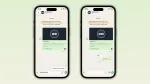
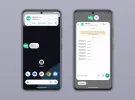
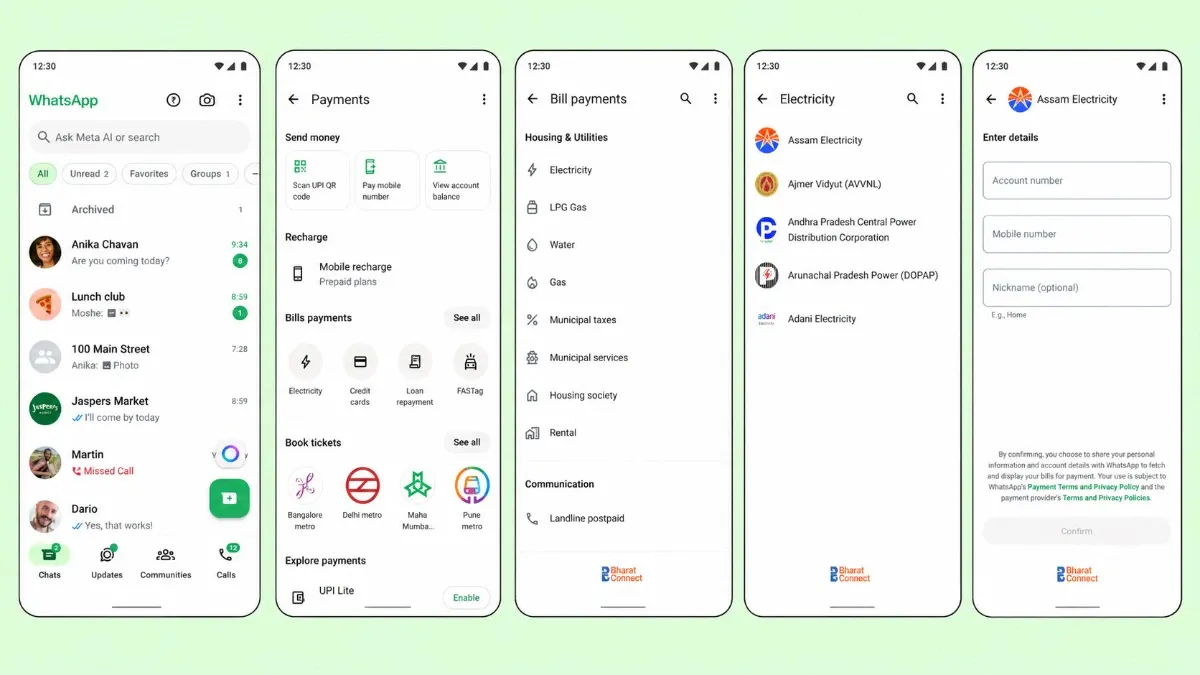
WhatsApp has started rolling out its Bill Payments feature in India, powered by the Bharat Connect (BBPS) network. The feature lets users pay for electricity, water, piped gas, FASTag, mobile and DTH recharges, insurance premiums, credit card bills, and loan repayments directly in the app. The rollout began in September 2026 and is gradual, reaching Android and iOS users in India over the coming weeks.
What Bills Can You Actually Pay?
The new feature uses the Bharat Bill Payment System (BBPS), India’s centralized bill payment infrastructure. This gives WhatsApp access to a vast network of billers across the country.
Supported categories include:
- Electricity
- Water
- Piped Gas
- FASTag recharges
- Mobile and DTH recharges.
- Insurance premiums
- Credit card bills
- Loan repayments
Users can also manage multiple accounts for the same biller, which helps those paying for family members or multiple properties from a single WhatsApp account.
ALSO READ: vivo Confirms X500 Camera Specs: Same Main Sensor as X300 Pro, New Telephoto
How to Pay Bills on WhatsApp
The process is designed to be frictionless, leveraging WhatsApp’s existing UPI payment infrastructure. Here’s how it works:
- Open WhatsApp on your Android or iPhone.
- Tap the ₹ (Payments) icon at the top of the home screen.
- Choose the bill category—electricity, water, gas, FASTag, credit card, etc.
- Select your service provider from the list of supported billers.
- Enter and verify your customer or account number.
- WhatsApp will automatically fetch your latest bill, if available.
- Review the bill amount and payment details.
- Choose your payment method—UPI, debit card, or credit card.
- Confirm the payment to complete the transaction.
Smart Features for Faster Payments
WhatsApp has added several quality-of-life features to make the experience stickier. The app shows previously paid billers for quicker access, highlights upcoming bills on the Payments home screen, and prioritizes frequently used bill categories. A “See All” option lets users browse the complete list of supported services.
This integration follows WhatsApp’s broader push to become a super app in India. The platform already supports metro ticket booking, mobile recharges, and government services through chatbots. Bill payments remove another reason for users to leave the app.

The India Strategy
WhatsApp has over 500 million users in India, making it the country’s most ubiquitous communication platform. By integrating bill payments, Meta is positioning WhatsApp as a direct competitor to dedicated payment apps like Google Pay, PhonePe, and Paytm.
The BBPS integration is particularly significant because it gives WhatsApp instant access to thousands of billers without negotiating individual partnerships. This is the same infrastructure that powers bill payments across major Indian banks and fintech apps.
The move also deepens WhatsApp’s UPI integration, which has been live in India since 2020 but has struggled to gain traction against incumbents. By embedding payments into a daily-use context—paying bills—Meta is giving users a reason to adopt WhatsApp Payments as their primary transaction method.
ALSO READ: Whirlpool Launches Luxuriem 4-Door Refrigerator With 360° Triple Cooling At ₹98,000
Availability
The rollout is gradual, meaning not all users will see the feature immediately. WhatsApp says it will reach all Android and iOS users in India over the coming weeks. No manual opt-in is required; the ₹ (Payments) icon will appear at the top of the home screen once the feature is available on your device.
WhatsApp’s bill payment feature isn’t groundbreaking technology—it’s a UX play. The real story is Meta leveraging India’s public digital infrastructure (BBPS) to turn a messaging app into a utility. If users adopt it, it could help WhatsApp Payments compete with PhonePe and Google Pay. If they don’t, it remains another feature buried in a menu most people never open.
Frequently Asked Questions
What is the WhatsApp Bill Payment feature?
WhatsApp Bill Payments is a new feature that lets users pay utility bills—including electricity, water, gas, FASTag, insurance, credit card, and loan repayments—directly within WhatsApp using the Bharat Connect (BBPS) network.
When is WhatsApp Bill Payment rolling out in India?
The rollout is gradual and began in September 2026. It will reach all Android and iOS users in India over the coming weeks.
How do I access WhatsApp Bill Payments?
Tap the ₹ (Payments) icon at the top of the WhatsApp home screen. If the feature is available on your device, you’ll see bill payment options there.
What bills can I pay on WhatsApp?
You can pay for electricity, water, piped gas, FASTag, mobile and DTH recharges, insurance premiums, credit card bills, loan repayments, and other services available through the BBPS network.
Can I pay credit card bills on WhatsApp?
Yes. The feature supports credit card bill payments through the BBPS network.
Can I manage multiple accounts for the same biller?
Yes. WhatsApp allows you to manage multiple accounts for the same biller, making it easier to pay for family members or different properties.
What payment methods does WhatsApp support for bill payments?
You can pay using UPI, debit card, or credit card.
Does WhatsApp fetch my latest bill automatically?
Yes. After you enter and verify your customer or account number, WhatsApp will automatically fetch your latest bill, if available.
Is WhatsApp Bill Payment available on both Android and iOS?
Yes. The feature is rolling out to both Android and iOS users in India.
Does WhatsApp show upcoming bills?
Yes. Upcoming bills are displayed on the Payments home screen when available.
Is WhatsApp Bill Payment free?
WhatsApp does not charge a fee for bill payments.
Does BBPS power WhatsApp Bill Payment?
Yes. The feature uses Bharat Connect (BBPS), India’s centralized bill payment infrastructure.
What other payment features does WhatsApp have in India?
WhatsApp also supports UPI payments, metro ticket booking, mobile recharges, and government services through chatbots.