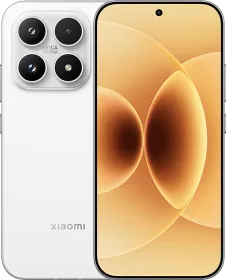




When Qualcomm unveils a new flagship chipset, it’s not just a product launch; it’s a map of where the entire smartphone industry is heading. With the arrival of the Snapdragon 8 Elite Gen 5, we’re seeing the blueprint for the phones of 2026. Built on TSMC’s bleeding-edge 3nm process and packed with AI-first features, this chip signals a new era for the device in your pocket: one that doesn’t just respond to you, but learns, anticipates, and creates right alongside you. Based on what Qualcomm announced today at the Snapdragon Summit, here’s what we have learned about the future of Smartphones in remaining 2025 and 2026.
1. From Cloud Reliance to On-Device Personal Intelligence
Perhaps the most telling feature of the Snapdragon 8 Elite Gen 5 is its AI muscle. The Hexagon NPU, now 37% faster with support for INT2 precision, can run large language models (LLMs) locally. That may sound like another spec sheet brag, but the implications are enormous.
Until now, AI-driven tools, whether it’s ChatGPT, Google Gemini, or image generators, have largely relied on the cloud. That means latency, internet dependency, and privacy trade-offs. Qualcomm is signaling a shift. With Snapdragon 8 Elite Gen 5, Qualcomm is pushing for an AI that runs offline, on your phone, tailored to you.
This could open doors for:
- Agentic assistants that proactively schedule, draft, or recommend without hitting a server.
- Private AI where sensitive queries never leave your device.
- Localized intelligence that adapts to your personal habits, not just global data trends.
Apple will double down on its Neural Engine, and Google has been teasing “AI-first Android.” But Qualcomm’s bet is bolder: to make AI hardware-native. In two years, the biggest difference between premium and budget smartphones may not be camera megapixels or refresh rates; it may be how smart your phone really is without internet access.
2. Console-Grade Gaming

Snapdragon 8 Elite Gen 5’s GPU upgrade seems spec-bumps at first glance, as it claims a 23% performance bump, 18MB dedicated GPU cache. But dig deeper, and you see a bigger trend: the push for console-level gaming on Mobile.
The chipset supports Unreal Engine 5’s Nanite and Lumen, technologies powering games like Fortnite and Hellblade II on PC and console. Combine that with AI-optimized Wi-Fi latency cuts of up to 50%, and we’re no longer talking about mobile gaming as a compromise. It’s starting to look like a parallel platform.
This aligns with what we’ve seen:
- Microsoft and Sony are streaming Xbox/PlayStation titles to mobile.
- Developers experimenting with cloud-native + on-device hybrid rendering..
No, we are not saying that mobile will replace consoles, but the Snapdragon 8 Elite Gen 5 hints at a hybrid gaming ecosystem. Your phone could run console-grade titles natively, offload heavy assets to the cloud, and deliver near-instant responsiveness all on the go on your mobile.
3. Pro Cameras Creator Tools

Qualcomm’s also flexed about the 8 Elite Gen 5 imaging capabilities. The Advanced Professional Video (APV) codec brings near-lossless recording to mobile, while the computational video pipeline (via Dragon Fusion and Arcsoft AI) treats every video frame like a still photo for richer color and smarter HDR.
This is not just “your videos will look better.” This is Qualcomm signaling that the smartphone to become the go to device for an generation of creators. Add Snapdragon Audio Sense with HDR audio and wind noise rejection aims to narrows down gap between smartphone cameras and a professional grade setup.
Apple has long dominated creator trust with iPhones. But if Qualcomm’s codec support gains traction across Android OEMs, we may see TikTokers, YouTubers, and filmmakers ditching dedicated gear for phones. Not because phones are “good enough,” but because they’re optimized for the creator economy by design.
4. More Effificent Performance

Specs tend to focus on raw performance, but the 3nm TSMC process powering Snapdragon 8 Elite Gen 5 highlights another truth: efficiency is the new battleground.
- 35% CPU efficiency gains
- 20% GPU power savings
- 16% overall SoC efficiency improvement
This matters because most smartphones are performance-rich but endurance-limited. Users don’t complain their phones aren’t fast enough, they complain about overheating, throttling, and battery anxiety. Qualcomm’s with 16-percent SoC effieiceny improvements reflects the maturity of smartphone hardware: we’ve hit “fast enough,” now it’s about “lasting longer.”

Bottomline
The Snapdragon 8 Elite Gen 5 is Qualcomm’s most ambitious play yet. More than a spec sheet, it’s a blueprint for the next phase of mobile computing. Whether it delivers on its promises will depend on how OEMs, developers, and users embrace its capabilities.
But one thing is certain: the future of smartphones won’t just be defined by bigger screens or more megapixels. It will be defined by how much intelligence, creativity, and play a smartphone can bring to the palm of your hand.
Frequently Asked Questions (FAQ)
Q- When will the first phones with Snapdragon 8 Elite Gen 5 be released?
Based on industry patterns, we expect the first flagship Android devices from brands like Samsung, Xiaomi, and OnePlus to launch with the new chip in the first quarter of 2026.
Q- How does this compare to Apple’s A-series chips?
While we need to wait for real-world tests, Qualcomm is clearly focused on leadership in on-device AI processing and universal support for cutting-edge gaming engines. Apple’s strength remains its tight integration of hardware and software for incredible efficiency. This chip is Qualcomm’s most direct challenge yet.
You can follow Smartprix on Twitter, Facebook, Instagram, and Google News. Visit smartprix.com for the latest tech and auto news, reviews, and guides.