


What to Expect Tomorrow [TL;DR version]
- The new foldable opens like a book and packs a 7.8-inch inner screen. Reports say it will cost $2,000, or about Rs 1.8 lakh in India. Apple built a custom hinge to avoid screen creases and added Touch ID on the side.
- Apple Intelligence will run directly on-device on iOS 27, the Apple Watch Series 12, and the AirPods 5.
- The iPhone 18 Pro Max is the practical pick. It comes with a 2nm A20 Pro chip, vapor chamber cooling, and a mechanical variable-aperture camera.
- John Ternus’s first keynote as CEO is a leadership test. Apple is signaling a more aggressive push in product development.
Apple’s September 9 “Surprise and Shine” keynote starts tomorrow at 10:00 AM PT (10:30 PM IST). It breaks the company’s decade-long script. Usually, we know the formula: a sleek prerecorded video, steady spec upgrades, and safe commercial bets. Tomorrow is different. Apple is introducing a new chief executive, entering an entirely new hardware category, and taking on a level of risk not seen since the original iPhone.
John Ternus, who officially took over as CEO on September 1, is stepping onto the keynote stage for the first time. He isn’t starting with an easy win. He is expected to unveil Apple’s first-ever foldable smartphone—widely referred to by insiders as the iPhone Ultra, with late supply chain whispers pointing to the iPhone Duo.
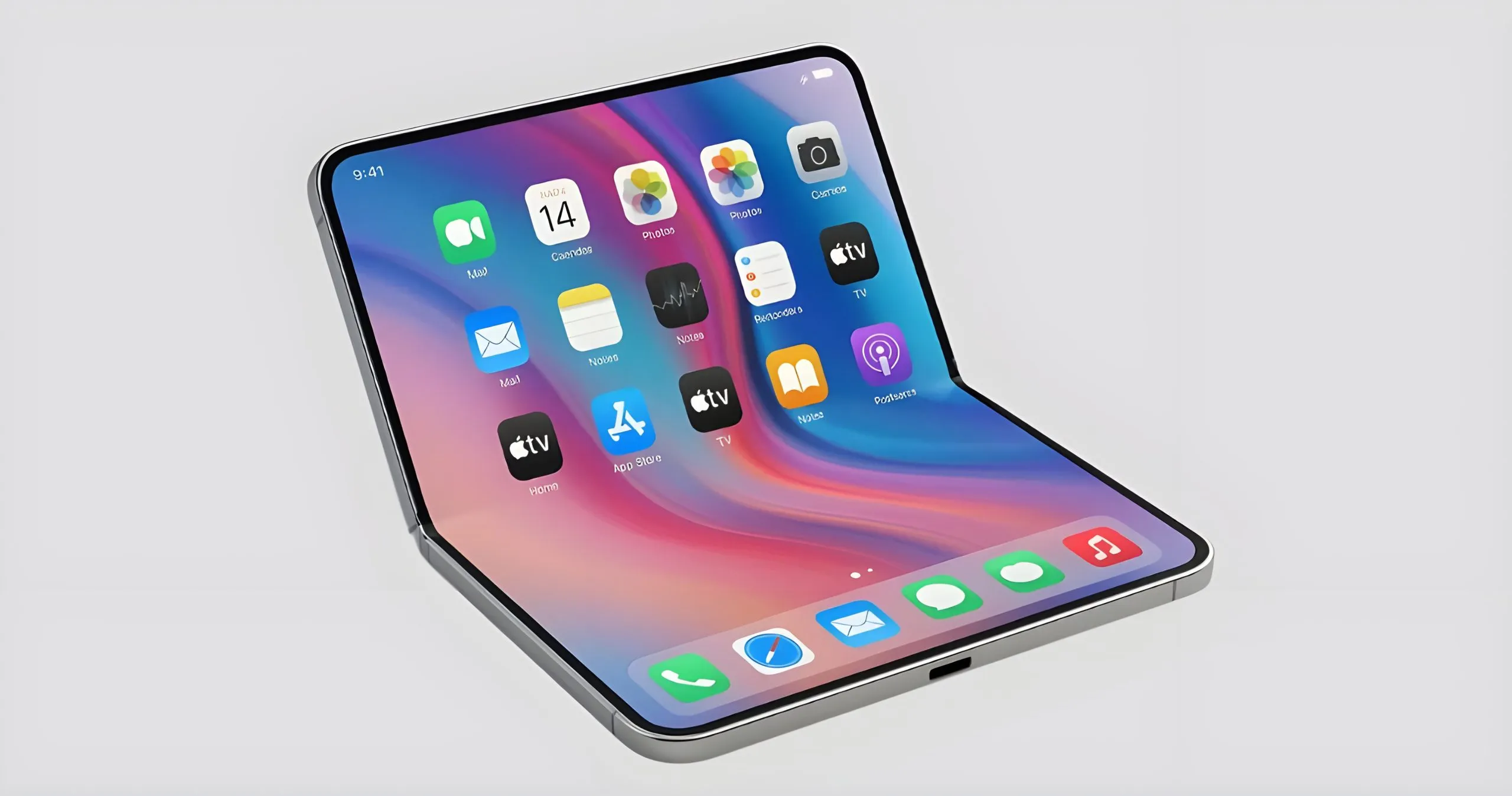
The new foldable is expected to open like a book and pack a 7.8-inch inner screen. Reports say it will cost $2,000, or about Rs 1.8 lakh in India. Apple built a custom hinge to avoid screen creases and added Touch ID on the side.
Apple Intelligence will run directly on-device on iOS 27, the Apple Watch Series 12, and the AirPods 5.
The iPhone 18 Pro Max is the practical pick. It comes with a 2nm A20 Pro chip, vapor chamber cooling, and a mechanical variable-aperture camera.
The Foldable Gamble: 7.8 Inches of High Stakes
The upcoming foldable reportedly opens like a passport, revealing a 7.8-inch inner display alongside a 5.5-inch outer cover screen.
While competitors like Samsung, Huawei, and Xiaomi spent the last five years absorbing screen failures and refining hinges, Apple sat on the sidelines. Now, Cupertino is entering the ring from behind. To succeed, Apple must prove it can build a reliable, crease-free folding screen on its first commercial try.

The device will run on the upcoming A20 Pro processor and a custom hinge mechanism. However, the most controversial rumor is biometric: Apple is reportedly dropping Face ID in favor of a side-mounted Touch ID to keep the folded profile around 9mm.
For international markets—and India in particular—this is a noticeable trade-off. Millions of users rely on instant, hands-free Face ID for biometric banking, lock screens, and contactless UPI payments. Swapping seamless facial recognition for a side fingerprint sensor may feel like a step backward on a device billed as the future of personal computing.
At an estimated $2,000—roughly Rs 1.8 lakh or more after import tariffs—the iPhone Ultra/Duo will appeal to early adopters and status seekers. But any momentum after the initial rush will depend on Ternus proving that an unfolded 7.8-inch iOS interface can deliver genuine multitasking productivity that a standard glass slab may not match.
ALSO READ: The iPhone 18 Pro Max’s Rumoured Camera Upgrade Could Fix Apple’s Biggest Photo Problem
The iPhone 18 Pro Max Remains the Sensible Pick.
Apple knows most buyers will not shell out $2,000 for a first-generation foldable. That is why the iPhone 18 Pro Max remains the more practical financial backbone of tomorrow’s event.

The most practical upgrade is the mechanical variable-aperture camera. Rather than relying purely on computational blur to mimic depth, a physical aperture gives mobile photographers real optical control over light and depth of field.
Internally, the switch to TSMC’s 2nm A20 Pro chip brings critical thermal efficiency. Recent high-end smartphones have struggled with throttling under heavy outdoor use, particularly during summer navigation and mobile gaming in warm climates like India. Apple’s addition of an internal vapor chamber cooling system aims to cut sustained internal temperatures by up to 6 degrees Celsius, delivering the sustained performance power users expect.
Visually, outside of a new Dark Cherry colorway, the Pro Max stays true to its familiar industrial design. It’s an iterative, dependable flagship designed for buyers who want top-tier reliability without experimental hinges.
ALSO READ: 5 Reasons the iPhone 18 Pro Max Could Beat The 17 Pro Max
Apple Intelligence is the Real Metric
Beyond hardware, the broader story tomorrow is software integration. Alongside the Apple Watch Series 12, Apple Watch Ultra 4, and AirPods 5, the core focus will be Apple Intelligence running on iOS 27.
Apple needs Siri to finally evolve into a fast, context-aware assistant that can handle multi-step queries on-device without lag. If the new A20 neural engine delivers real-time voice transcription, reliable cross-app actions, and automated email summaries without privacy compromises, the hardware cost makes sense. If Siri stumbles during live demonstrations, expensive hardware upgrades will feel hard to justify.

All eyes on Surprise and Shine event
Tomorrow marks a clear break from Apple playing it safe. John Ternus is showing his hand early, signaling that Apple may be ready to take risks again.
If you are eyeing the new foldable, exercise patience. Never rush to buy first-generation hardware. Let early adopters test hinge durability and uncover real-world software bugs. The second-generation model will be sturdier, better optimized, and likely less expensive.
For everyone else, the iPhone 18 Pro Max will almost certainly be the smarter, safer purchase. Apple’s most unpredictable chapter in years begins tomorrow at 10:00 AM PT (10:30 PM IST), and that chapter is about to unfold.
You can follow Smartprix on Twitter, Facebook, Instagram, and Google News. Visit smartprix.com for the latest tech and auto news, reviews, and guides.