



Samsung, a renowned leader in the technology industry, is poised to elevate its display technology to new heights. The company is currently developing an advanced OLED panel that promises to revolutionize the fingerprint-scanning capabilities of smartphones. By seamlessly integrating the fingerprint scanner directly into the screen, Samsung seeks to solidify its position as a pioneer in display innovation.
Anticipating the prestigious upcoming SID Display Week, organized by the Society for Information Display, Samsung has provided a tantalizing preview of its latest endeavors. Notably, the Sensor OLED Display stands out among these remarkable advancements, representing a transformative technology that will convert the entire screen into a fingerprint reader, according to reports from SamMobile.

While many smartphones already incorporate fingerprint scanners beneath the display, their fixed position is necessitated by the separate scanning component. Samsung’s ingenious approach involves seamlessly fusing the scanning module into the OLED panel itself, enabling fingerprint recognition from any part of the screen.

Traditionally, Samsung has relied on ultrasonic fingerprint scanners for its devices. However, the details provided in the announcement did not specify whether the new technology will employ the same type of reader. Additional information is expected to be unveiled during the event, casting uncertainty on whether the new solution will match the swiftness and efficacy of the fingerprint scanners found in the Galaxy S series.
Significantly, this remarkable OLED panel boasts capabilities that extend beyond fingerprint recognition. It possesses the remarkable ability to monitor users’ heart rates, blood pressure, and stress levels. Leveraging the unique reflection patterns of OLED light caused by the pulsating blood vessels in the fingers pressing against the screen, the integrated module can derive essential health insights for the user.
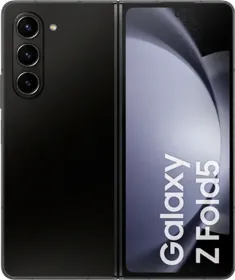
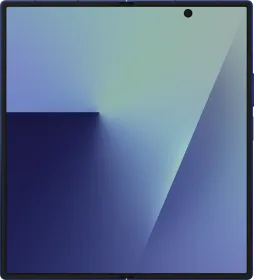
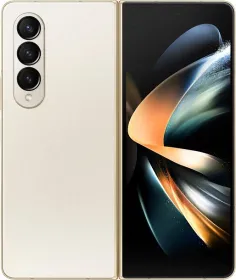
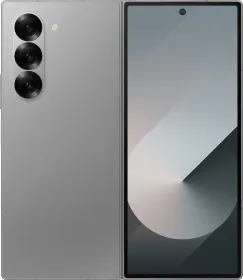
Although Samsung is likely to divulge further details about this groundbreaking technology during the SID Display Week, its commercial integration into devices is not expected until next year at the earliest. Nonetheless, Samsung’s unwavering dedication to advancing display technologies has consistently captivated consumers. The imminent release of the Galaxy Z Fold 5 and Z Flip 5 holds great promise, as consumers eagerly anticipate the potential upgrades in display quality and features that will be unveiled.
You can follow Smartprix on Twitter, Facebook, Instagram, and Google News. Visit smartprix.com for the most recent news, reviews, and tech guides.