


TL; DR
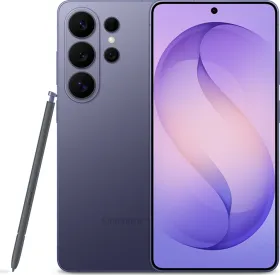
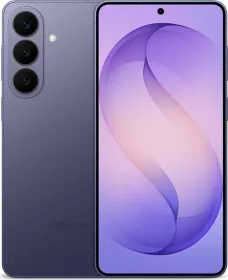
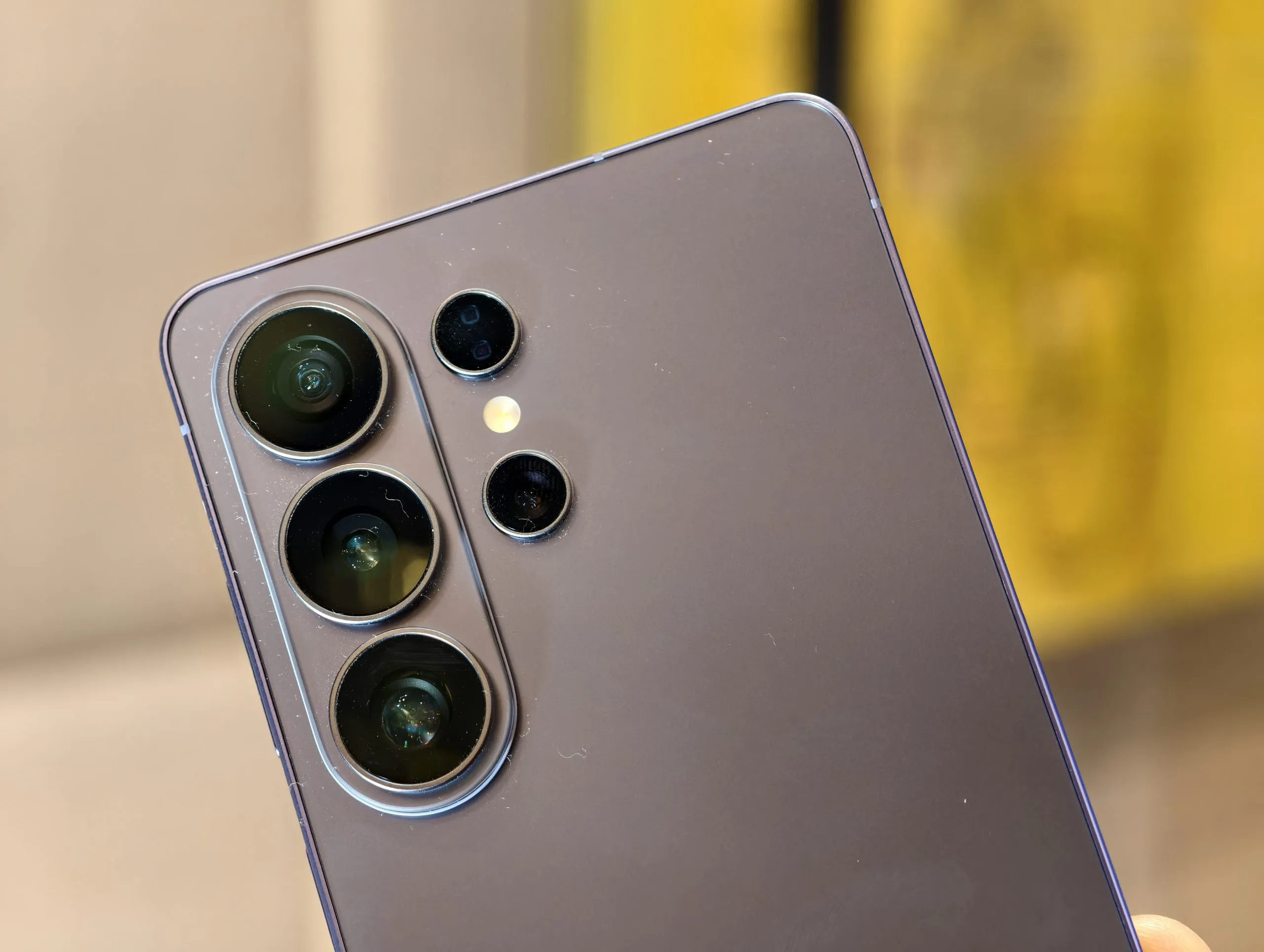
- The Galaxy S26 Ultra switches its 5X telephoto camera to a new W-shape folded lens design with an f/2.9 aperture.
- Minimum focus distance jumps from about 25 cm on the S25 Ultra to roughly 60 to 70 cm on the new model.
- This makes close telephoto shots nearly impossible, even though the brighter aperture and new optics improve light intake.
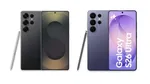
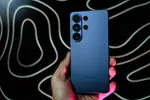
Samsung focused heavily on several upgrades during the Galaxy S26 Ultra announcement. The company talked about the brighter f/1.4 main camera, the updated f/2.9 aperture on the 5X telephoto lens, faster charging, Galaxy AI additions, privacy display, and a slimmer body measuring around 7.9 mm. However, one camera change quietly arrived alongside those upgrades.

The 5X Telephoto Uses a New Lens Architecture to Save Space, But There’s a Catch
The 5X periscope telephoto camera now uses a W-shape folded optical design. Similar folded optical systems are used in other flagship phones as well, including Apple’s tetraprism layout and similar folded approaches used by Chinese manufacturers.
The system uses multiple internal reflections to route light through the camera module while maintaining the long focal length needed for optical zoom. The major benefit that comes with this lens is the space that’s saved.
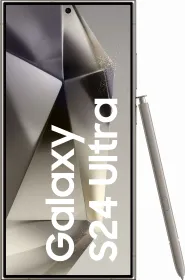
On the previous Galaxy S25 Ultra (review), Samsung used a more conventional folded periscope structure that took more space. That design allowed the 5X telephoto camera to focus quite close to subjects. The minimum focusing distance was around 25 cm.
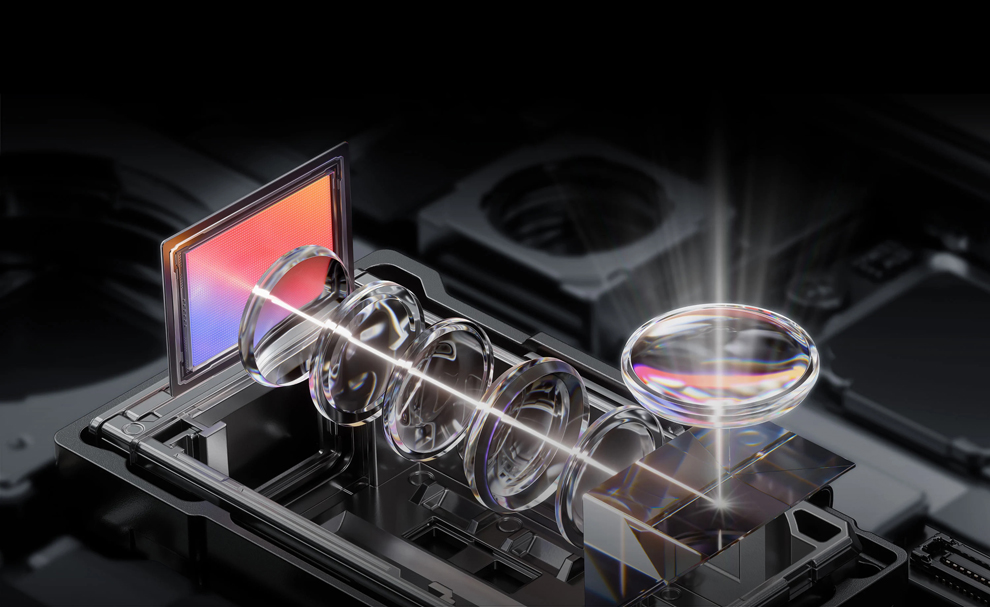
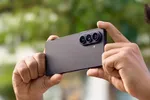
This gave the phone a useful telemacro capability that many users relied on for close-up shots of objects, textures, food, flowers, and product photography. The telephoto perspective also created natural background blur that looked different from macro shots captured on ultrawide cameras.
ALSO READ: Understanding W-Style Periscope: Slimmer Camera Bumps, But At What Cost?
And That Catch is a Longer Minimum Focusing Distance
The Galaxy S26 Ultra changes that behavior. Early testing from retail units and hands-on reports show the minimum focusing distance now sits around 60 to 70 cm. Subjects closer than that distance cannot be captured by the 5X camera, which means the phone switches to the main camera or ultrawide camera automatically when users move closer.
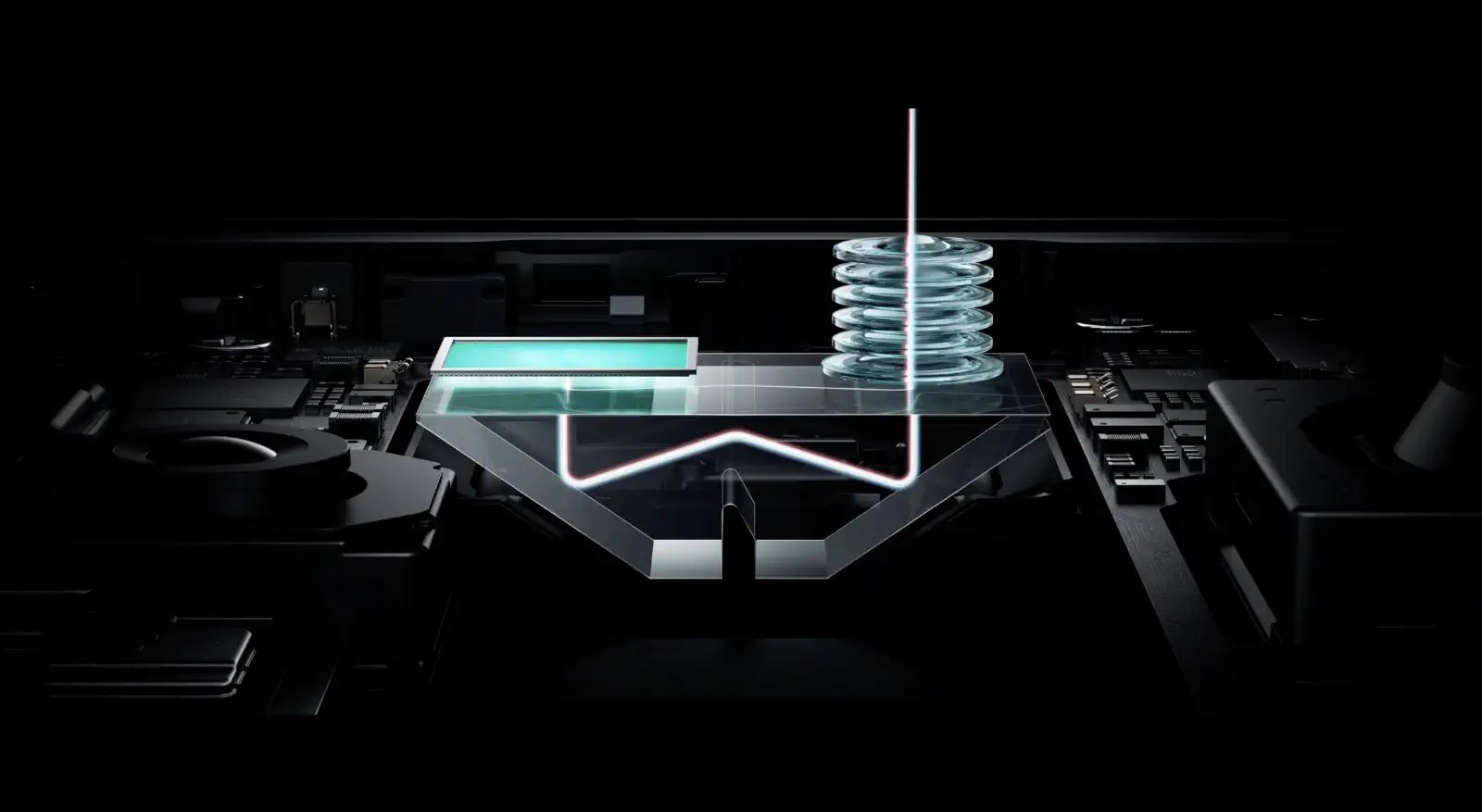
This shift comes from the new folded optical layout. The W-shape structure prioritizes light intake and the internal arrangement of the lens elements inside the camera module. It also helps Samsung keep the phone’s body relatively thin while fitting the larger optics required for the brighter f/2.9 telephoto lens.
The trade-off becomes noticeable for users who previously relied on the telephoto lens for close subjects. With the longer minimum focus distance, capturing telemacro photos and videos becomes pretty much impossible.
Shorter Minimum Focusing Distance with Larger Optics is Possible, But Samsung Chose Not To Do It
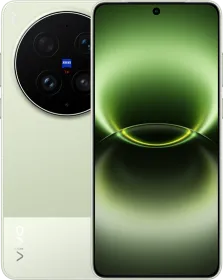
Some phones, like the OPPO Find X9 Pro (review) and vivo X300 Pro (review), achieve very short telephoto focusing distances around 10 cm and 15 cm, respectively. They are surely a bit thicker than Samsung, but definitely worth it as they also pack much larger batteries inside.
On the flip side, Apple’s tetraprism telephoto on the iPhone 17 Pro reaches roughly a 100 cm minimum focus distance, which is even worse than the S26 Ultra’s 5X.

User Reports
Alvin, known on X as @sondesix, mentioned the change after testing the phone. He said the Galaxy S26 Ultra uses a W-style periscope lens and that the longer minimum focus distance makes telemacro shots difficult compared with the previous generation.
Other users who tried the device also noticed the limitation once they began testing close subjects.
Samsung Didn’t Highlight This Very Important Change, For Obvious Reasons

Samsung did not highlight this change during the launch presentation. The company emphasized the brighter telephoto aperture and improvements related to light gathering instead. The new lens collects significantly more light compared with the previous f/3.4 telephoto camera.
In everyday use, the phone handles the limitation automatically by switching cameras when subjects are too close. Casual users may not immediately notice what is happening because the camera app handles the transition very smoothly. Photographers who deliberately choose the telephoto lens for close subjects will likely notice the difference much faster. What do you think of this change? Let us know in the comments section below.
You can follow Smartprix on Twitter, Facebook, Instagram, and Google News. Visit smartprix.com for the latest tech and auto news, reviews, and guides.