



Lenskart, a household name in India for affordable eyewear, has dipped its toes into the burgeoning smart glasses market with the Phonic. Promising a seamless blend of audio tech and everyday eyewear, the Phonic boasts Bluetooth connectivity, touch controls, and a claimed seven-hour battery life. Lenskart calls these innovative smart glasses, which are designed to combine the functionality of smart technology with traditional eyewear. Customers purchasing these frames can select from a range of lens options, including anti-glare, BLU screen, and Owndays shutterproof lenses. However, the the question looms: does the Phonic offer genuine innovation, or is it merely a budget-friendly copy of something genuinely smart? Let’s explore this further.
Lenskart Phonic Glasses Review Price & Availability
At a starting price of Rs. 4,000 for the frame (final pricing depends on lens selection), Lenskart is clearly targeting the budget-conscious consumer. They’re positioning the Phonic as a gateway into the world of smart eyewear, a proposition that’s immediately appealing. It comes in Bold Navigator and Edgy Hustlr styles and Shiny Blue and Matte Black colors. It is available through Lenskart’s own channels, Zepto, and other e-commerce channels.
Pros
- Can be used as a regular or sunglasses
- Blue light filtering lenses
- Decent battery life
Cons
- No app support
- Uneven weight distribution
- No auto-cut when taken off
- Each temple needs to be paired individually
- Each temple needs to be charged individually
- Too loud speaker
- Lack of any IP rating
- Connects like traditional earphones
Specifications
- Connectivity -Bluetooth (version not specified)
- Battery life – 7 hours on a single charge
- Controls – Smart Button
- Physical button for answering calls, controlling music & more.
- Built-in speakers near the ears within the temples
- Intuitive Voice Assistance works with Android & iOS assistants
- Customize power in the eye & sun
- Frame width- 139mm
- Weight-39 grams
- Height-43mm
- Colors- Blue & Black
Lenskart Phonic Glasses Review: Unboxing
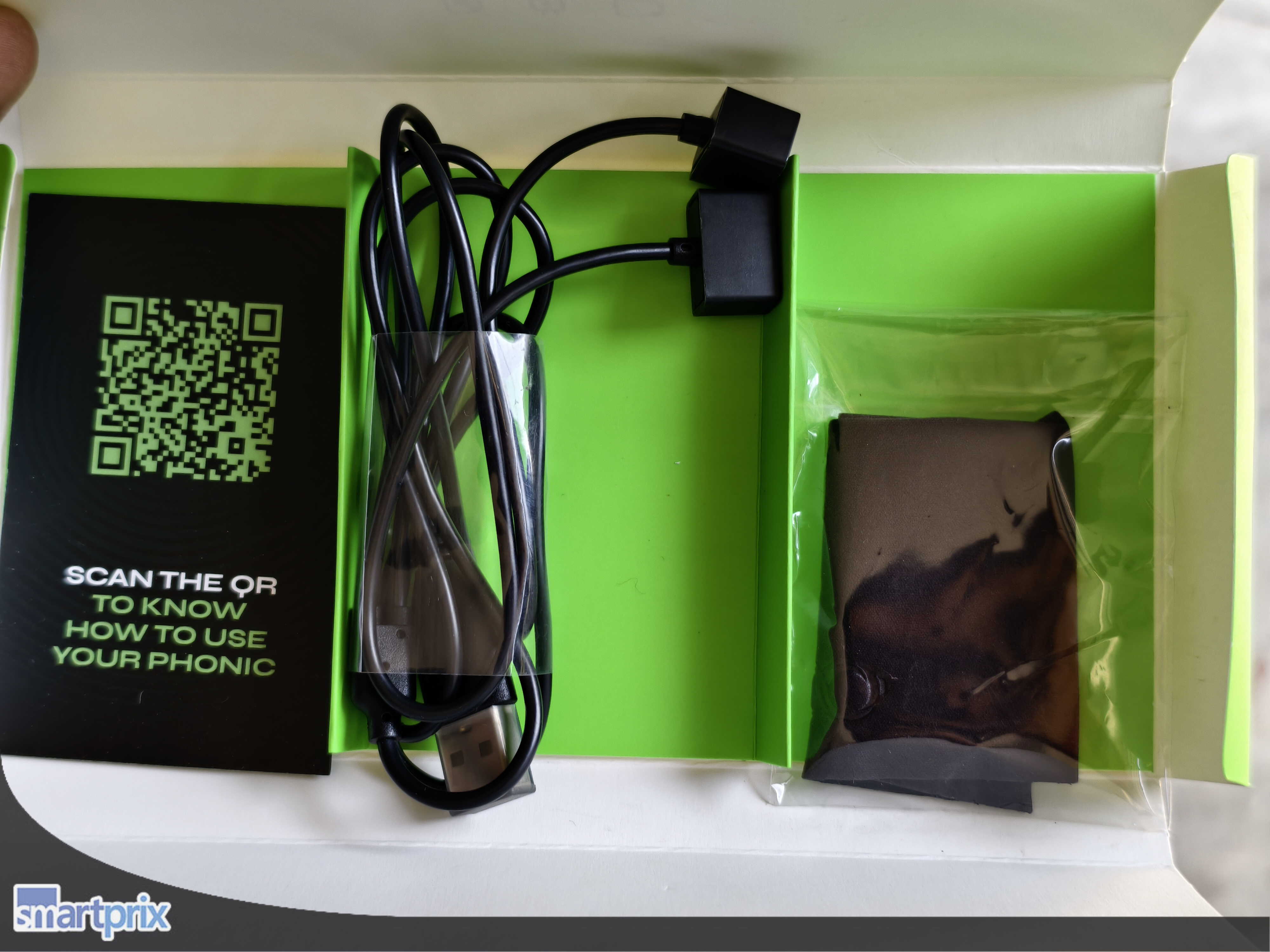
The Lenskart Phonic Glasses come inside a green and black colored cardboard box. It contains-
- Lenskart Phonic Glasses
- Protective Case
- Charging Cable
- Microfiber cleaning cloth
- Instruction manual
ALSO SEE:
- OPPO F29 Pro Review: Most Durable Phone under ₹30,000?
- Hands-On: Havells Zurii Tower Air Cooler 55L – Can it beat scorching Indian Summers?
- Samsung 236L Convertible Refrigerator Hands-on Review: Best for Indian Summer?
- POCO M7 5G Review: A Smart Choice for 5G on a Budget?
Lenskart Phonic Glasses Review: Design and Fit

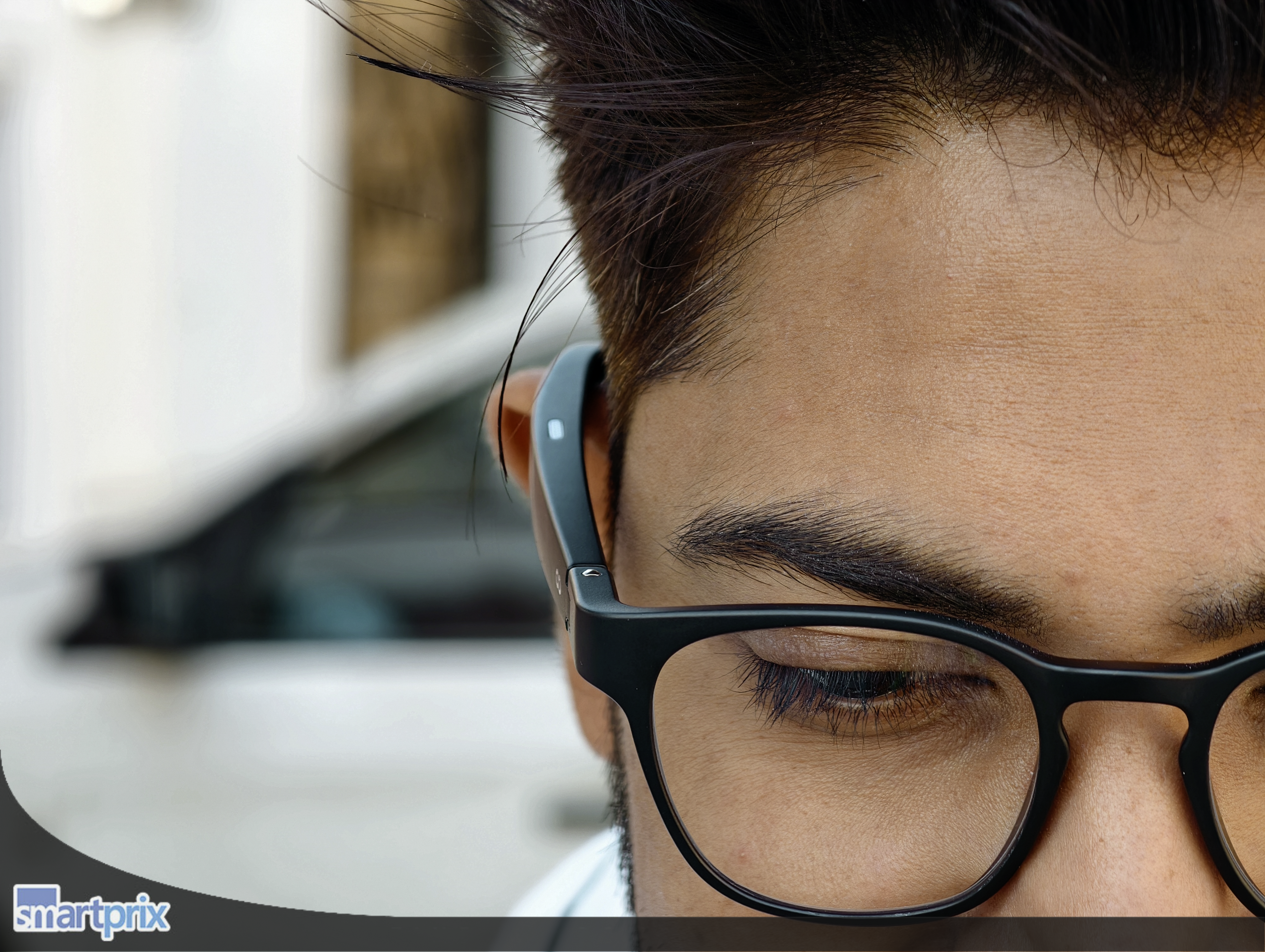
The Lenskart Phonic is constructed from lightweight plastic, and prioritizes affordability over premium build quality. While the 39-gram weight sounds appealing, the uneven weight distribution creates a temple-heavy feel. The frame feels excessively heavy around the temples, causing discomfort in my ears after only 20 minutes of wear.
Additionally, as someone with a small, round face, I found the frame to be oversized. While plastic does not inherently imply poor build quality, it appears that Lenskart may have overlooked this aspect, as the frame produces a creaking sound when being opened and closed, which can be quite bothersome. Compared to the more refined Meta Ray-Ban, the Phonic feels like a rushed attempt.
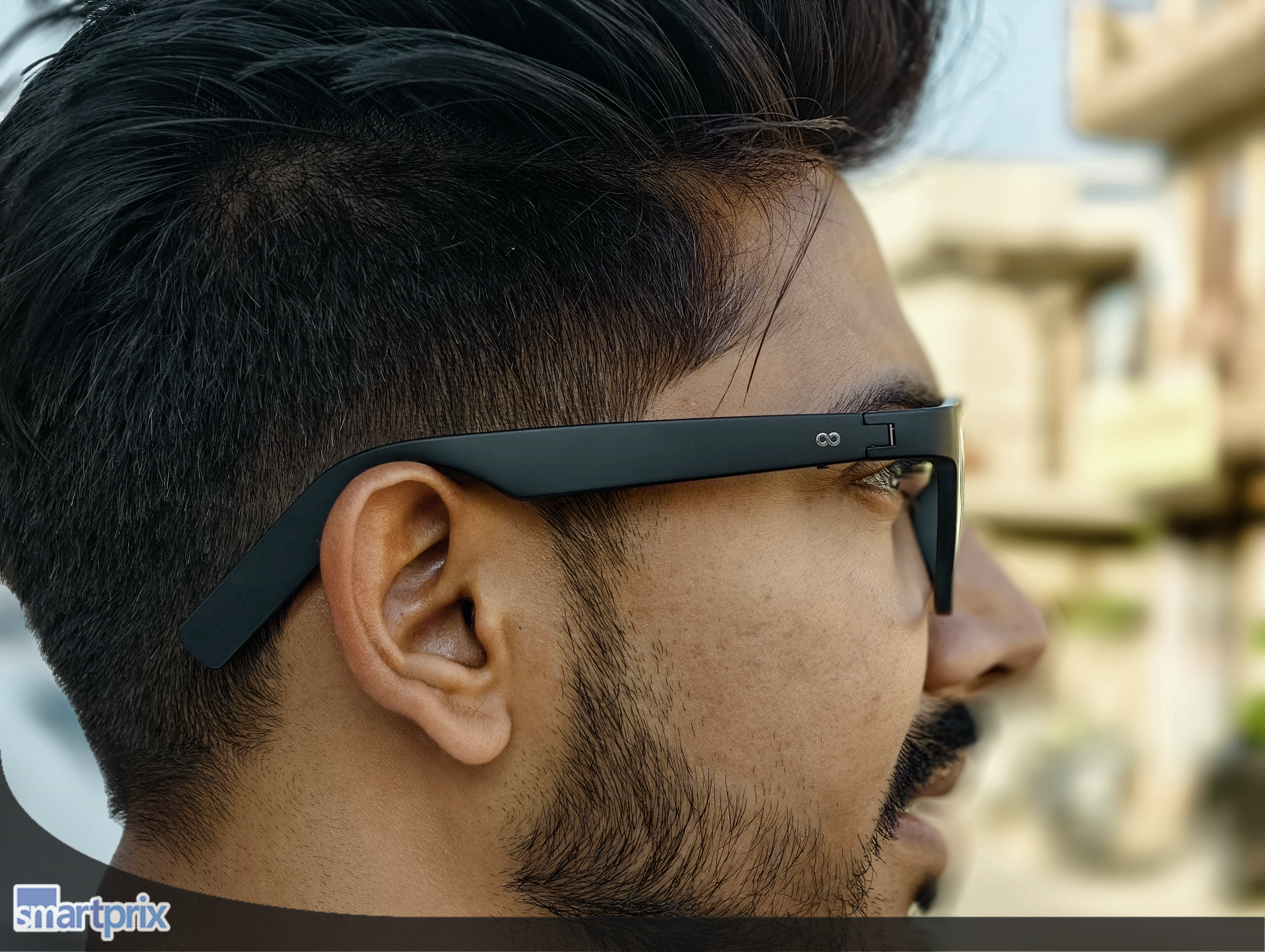

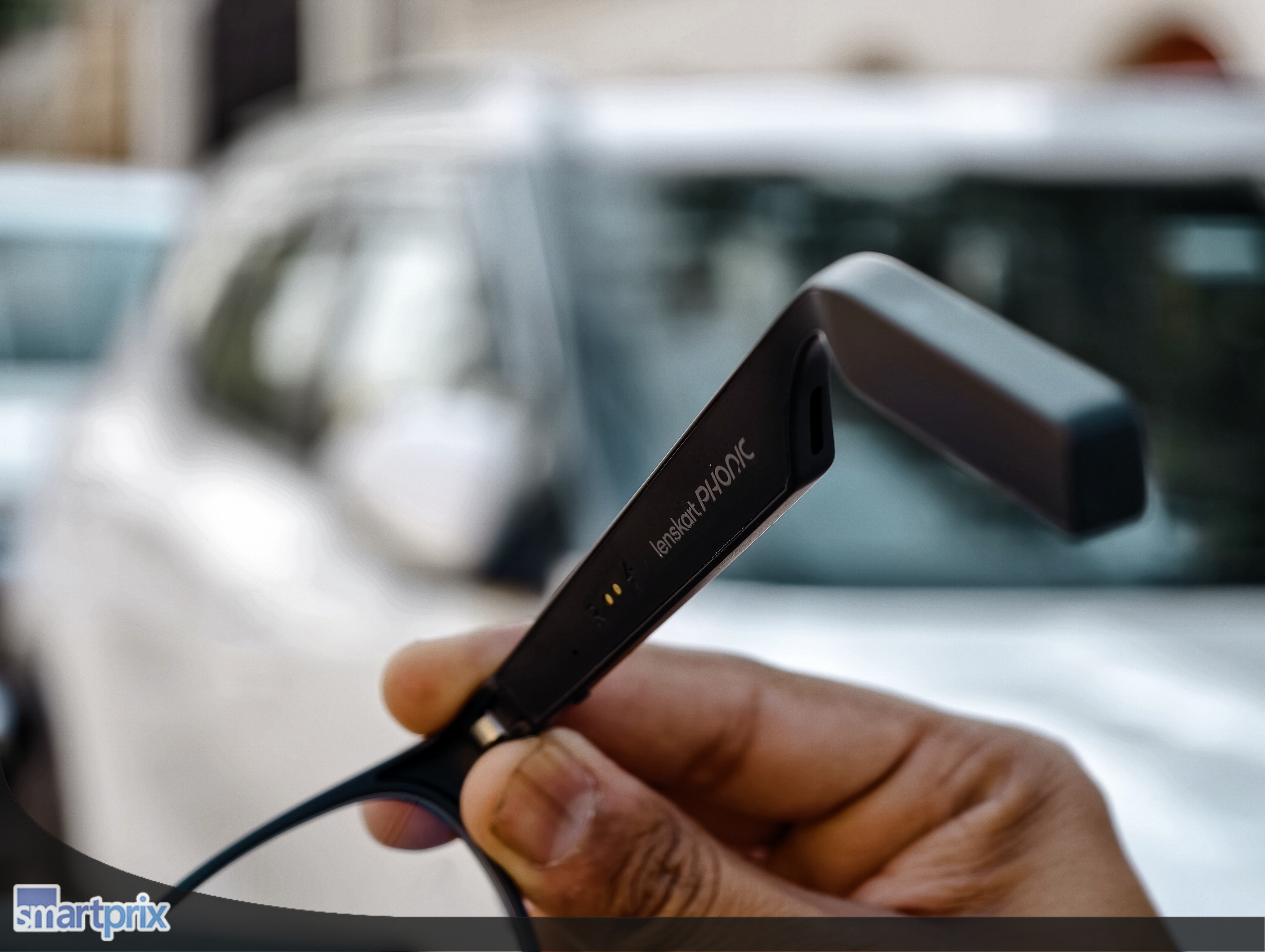

In terms of functionality, the Lenskart Phonic is equipped with a control button or smart button located on the right side of the frame. These buttons on both sides enable you to manage music playback, answer calls, and adjust the volume. The speakers are integrated into the temple arms on either side, while the microphone is situated on the right temple arm.
Bluetooth connectivity is housed within the frame, and the battery is installed in the temple arms. The charging port can be found at the end of the right temple arm. While the range of functionalities is extensive and strategically placed, we will discuss their effectiveness in the performance section. Moreover, Meta Ray Ban glasses are IPX4 rated to endure outdoor conditions, Phonic isn’t even basic IP-rated for durability. This makes it bothersome to use these when its raining or too windy.
Lenskart Phonic Glasses Review: Performance

The bone conduction audio, while a talking point, delivers a thin, tinny sound that lacks depth and clarity. The volume levels are excessively loud, compromising privacy and potentially disturbing those nearby. In fact, they’re so loud that even your fellow metro passengers can unintentionally eavesdrop on your personal calls, turning private conversations into public broadcasts. The lack of an auto-pause feature is a significant usability issue.
The absence of an auto-cut feature means that when I removed the glasses to rub my eyes, the music continued to play without interruption. This is a fundamental feature that could have enhanced the functionality of these glasses.
The Lenskart Phonic frames come equipped with blue light filtering lenses, which are particularly beneficial for those who spend long hours in front of screens. These lenses significantly reduce eye strain, and while the improvement may not seem substantial at first, it becomes noticeable with regular use. I felt like this was one of those rare one or two good things about Lenskart Phonics glasses.
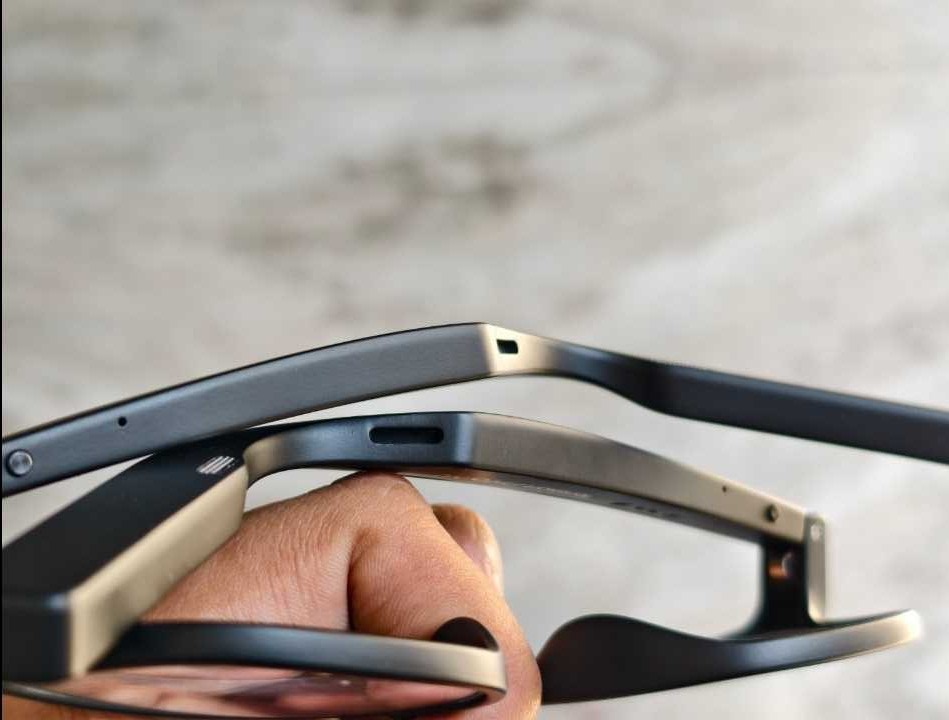
The touch controls integrated into the frame are ok. They require a simple tap to modify the volume, skip tracks, or answer calls. Throughout 10 to 12 days, I tested these controls multiple times to evaluate their responsiveness and durability, and I have not encountered any lag so far.
The glasses come with basic features like voice assistant support, Bluetooth calling, listening to music, and more, but feature none of the smart capabilities like photo and video sharing, smart memory, real-time translation etc. There is no camera as well, while Meta Ray-Ban features a 12MP camera.
The Lenskart Phonic Glasses also feature Bluetooth audio functionality, although the specific Bluetooth version is not mentioned. The connection process resembles that of traditional earphones, necessitating the pressing of buttons on both sides to link the temples before pairing with any Bluetooth device, whether Android or iOS. This method feels outdated when compared to contemporary true wireless stereo (TWS) devices.
One more drawback that I experienced with Lenskart Phonic is that these got auto-disconnected while I was on a call, and it happened frequently, so I had to switch to my usual TWS to attend calls. Also, the lack of any dedicated app support makes it even more impossible to let this device earn brownie points.
Lenskart Phonic Glasses Review: Battery Life and Charging
The Lenskart Phonic Glasses are equipped with a battery that is advertised to last up to seven hours on a single charge. However, in practical use, the battery typically lasts between 5 to 6 hours, depending on how they are used.
On days filled with calls, music, and regular activities, I found it necessary to recharge them once daily, which was manageable. The glasses utilize a lithium-ion battery that powers the speakers, microphone, and Bluetooth features.
Charging is facilitated through a USB-C port, requiring a cable connection on both ends, similar to conventional devices. Each side of the frame must be charged separately for proper functionality.
The charging process usually takes about 1 to 2 hours to reach full capacity, and some models are equipped with an LED indicator light to signal when they are completely charged.
Review Verdict: Should You Buy the Lenskart Phonic Glasses Review?

Smartprix ⭐ Rating: 3.8/10
- Battery Life & Charging: 4/10
- Design and Build: 4/10
- Speakers: 4/10
- Smart Features: 3/10
- Performance: 4/10
The Lenskart Phonic represents an ambitious attempt to democratize smart eyewear. However, the device’s numerous flaws outweigh its limited strengths. The subpar audio quality, uncomfortable design, and lack of genuine smart features make it a difficult recommendation. While the price point is attractive, consumers seeking a truly seamless smart eyewear experience are better served by exploring alternative options. The Phonic feels like an experiment that, while well-intentioned, ultimately falls short of its potential.
What are your thoughts? Have you tried Lenskart Phonic Glasses? If yes, how was your experience? Share your reviews in the comments section below.
First reviewed in April 2025.