


TL; DR
- Samsung has confirmed that the Galaxy Z Fold8, Galaxy Z Fold8 Ultra, and Galaxy Z Flip8 all use silicon-carbon (Si/C) batteries.
- Battery capacities remain relatively modest, suggesting Samsung is taking a conservative approach to Si/C adoption.
- Samsung says its priorities are performance, longevity, and safety as it rolls out the new battery technology.
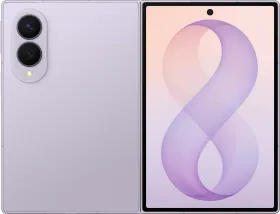
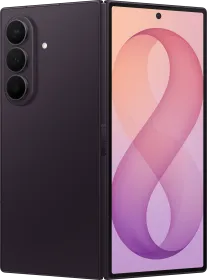
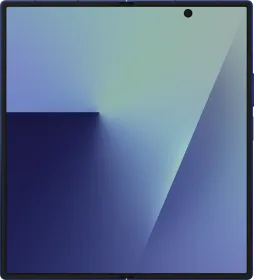
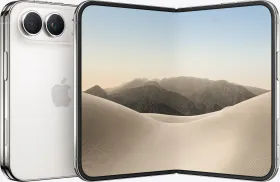
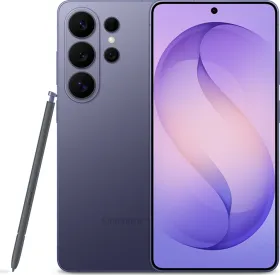
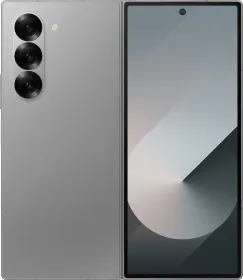
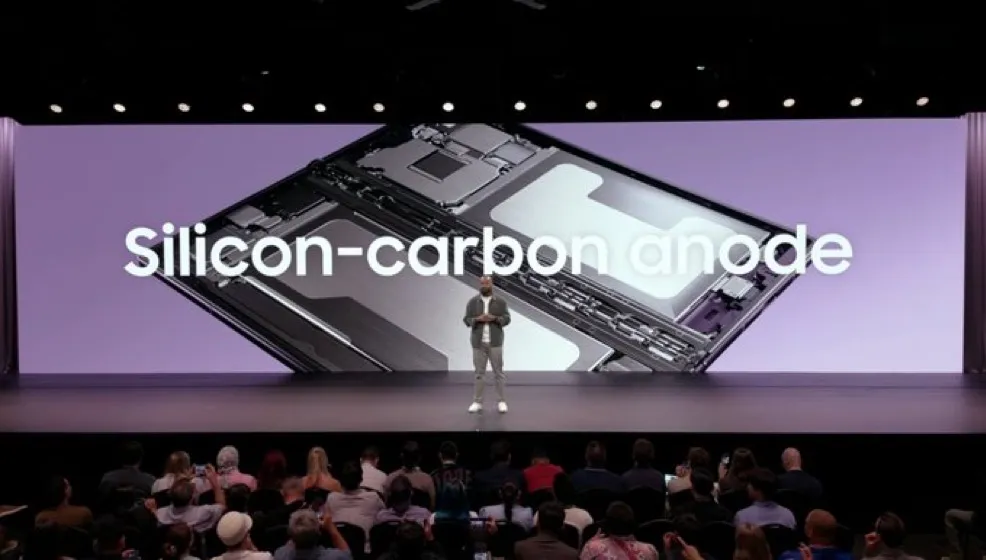
Samsung has finally made the jump to silicon-carbon (Si/C) battery technology, confirming that its newly launched Galaxy Z Fold8, Z Fold8 Ultra (read hands-on review), and Z Flip8 all use Si/C cells.
Samsung’s Si/C Battery Adoption

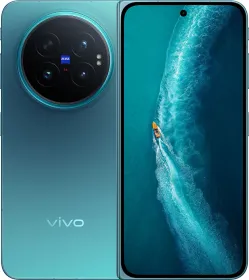
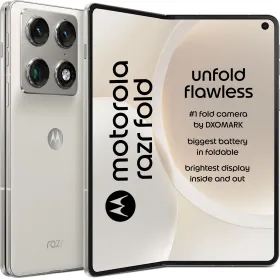
Silicon-carbon batteries have become the buzzword of the foldable phone world over the last year, and for good reason. Swapping in silicon-based anode material lets manufacturers cram more capacity into the same physical footprint, or the same capacity into a thinner one. Competitors have leaned hard into this: the Razr Fold and Honor Magic V6 have both pushed past 6,000 mAh, numbers that would have been unthinkable in a folding phone a couple of years ago.
ALSO READ: Samsung Galaxy Z Fold8 Hands-on Review: A New Shape For The Fold

Samsung’s numbers look modest by comparison. The Z Fold8 comes in at 4,800 mAh, up from the Fold 7’s 4,400 mAh, while the Z Fold8 Ultra reaches 5,000 mAh despite a thinner chassis than its predecessor. Given that Si/C is supposedly doing the heavy lifting here, the relatively small gains suggest Samsung is using a conservative amount of silicon content compared to rivals who are chasing bigger capacity numbers.
Samsung’s Cautious Rollout

Samsung’s own explanation centers on three priorities: performance, longevity, and safety. Safety is the one carrying the most weight, and it’s not hard to see why. The Note 7 battery fires are still a scar on Samsung’s reputation nearly a decade later, and Si/C batteries are new enough that the industry hasn’t fully worked out every kink.
That caution is likely also why Samsung didn’t shout about the new battery chemistry at launch. Quietly adopting the tech while leading with charging improvements, 45W wired charging and 20W wireless on both Fold8 models, lets Samsung test the waters without inviting comparisons it can’t win on paper.
What’s Next for Samsung’s Battery Strategy

This looks like Samsung dipping a toe in rather than diving in. If Si/C proves itself reliable in the field, expect capacity numbers to climb in future generations as Samsung gains confidence in the material. For now, the takeaway is simple: Samsung has the technology, but it’s clearly not chasing the same numbers game as everyone else, at least not yet.

You can follow Smartprix on Twitter, Facebook, Instagram, and Google News. Visit smartprix.com for the latest tech and auto news, reviews, and guides.