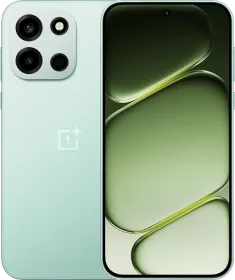


OnePlus, a brand once known for its killer value in the smartphone industry, faced many challenges in 2024. On paper, the company continues to launch impressive handsets with top-of-the-line specifications, but the increased number of concerns among users (and retail partners alike) warrant closer examination, especially since the brand is gearing up to unveil its latest flagship, the OnePlus 13, in one of its key markets in the globe: India.
Also Read: OnePlus 13 Special Edition With 24GB RAM, 1TB Storage Tipped To Launch Soon
OnePlus in 2024: A Year Full Of Challenges

The company has been the center of attention on the internet, for the wrong reasons, since the beginning of 2024, when it mistakenly announced the presence of UFS 4.0 storage on the OnePlus 12R and later accepted that the phone ships with UFS 3.1 storage. Following the inadvertent error in marketing materials, the company allowed buyers of the 256GB OnePlus 12R to claim a refund and return the product, which was the right step but, at the same time, left a mark on customer perception.
Then, at the Google Cloud Next 2024 event, OnePlus took the stage to announce the arrival of Gemini Ultra on its smartphones by the end of the year. While the announcement spread like wildfire over the internet, the company retracted its statement a hot minute after the event, stating that it “mistakenly mentioned the debut of Gemini Ultra Large Model on smartphones.” The company also chose to shift to USB-A and slower PD charging on its smartphones, which, to the best of our understanding, is an attempt to cut down manufacturing costs.
In August 2024, several OnePlus users reported facing motherboard-related issues on the company’s smartphones, including flagship models like the OnePlus 9 Pro and OnePlus 10 Pro. To add to customers’ misery, the authorized service centers asked for as much as Rs. 42,000 to repair a Rs. 44,499 smartphone (the phone cost in August 2024). This, along with the other prevailing issues, led to an outrage on the company’s community forums.
Also Read: OnePlus 13 Borrows the OPPO Find X8 Pro’s Cameras; Both Hardware and Processing
We Hope The Issues From The OnePlus 12 Aren’t Carried Forward

An Android Police article also lists fogging up of the OnePlus 12 camera lenses (which happens to be the company’s flagship smartphone) as a common issue. Ideally, the issue shouldn’t occur, as it diminishes the quality of the pictures and, in the long run, can leave marks on the lens. The list also mentions other issues like low call volume, slower internet connection, blurry photos in editing apps, dropping of refresh rate, and trouble connecting with Android Auto. All these things, especially on a flagship smartphone, affect the user experience.
While these were the less-known issues about OnePlus smartphones in 2024, the green line issues on its handsets took the internet by storm. However, the company deserves credit for addressing the problem in the most empathetic manner. Seeing the scale of the green line issue, OnePlus announced a lifetime warranty against the issue on all its models. Whether someone has an entry-level device or a flagship from the brand, irrespective of the warranty, the company will replace the screen for free.
Lifetime Screen Replacement Warranty And Increased Software Support: Steps In The Right Direction

While the issue isn’t specific to OnePlus smartphones, the way OnePlus has addressed it, with a consumer-focused strategy, is commendable. In addition to the lifetime warranty, the company has also announced the inclusion of an Enhanced Edge Bonding Layer to reinforce the AMOLED screen. Further, it has also strengthened its quality control checks (wherein it performs over 180 tests that simulate real-world conditions).
Between the OnePlus 8 and the OnePlus 10 series, the brand offered three years of major Android upgrades, along with one additional year of security upgrades. However, with the newer models, the brand increased the Android and security updates by one more year. The upcoming OnePlus 13 is also expected to ship with four-year OS updates and five-year security fixes.
Also Read: OnePlus 13 Could Come In Two Storage Models, Base Variant Could Cost Around Rs. 70,000
Here’s To Hoping That OnePlus 13 Marks The Beginning Of A New Era

Even though that is an improvement, other brands like Google and Samsung have made seven years of Android updates standard on their flagships. In our opinion, four years of Android updates is acceptable, considering the chance that users may upgrade their smartphone before the update cycle ends. However, committing more years to a smartphone could instill confidence among buyers.
Ahead of the OnePlus 13 launch tomorrow, i.e., January 7, 2025, we hope that the brand has improved its quality control mechanism, especially to curb issues like fogging up of camera lenses. Apart from that, we hope the brand fine-tunes OxygenOS 15 for its upcoming flagship, solving all the smaller yet important issues that users had to face with the previous smartphones.
The OnePlus 13, along with the OnePlus 13R, is expected to debut on January 7, 2025. To give you some idea of the specifications, the phone flaunts a 6.82-inch LTPO AMOLED with a 510 ppi pixel density, runs on the flagship Snapdragon 8 Elite processor, and has a triple 50MP camera setup on the back panel. Further, the phone could come with a 6,000 mAh battery that supports 100W wired charging.
Also Read: Qualcomm Snapdragon 8 Elite Launched: Specs, Features, and Upcoming Phones
You can follow Smartprix on Twitter, Facebook, Instagram, and Google News. Visit smartprix.com for the latest tech and auto news, reviews, and guides.