

If you’re holding out for an OLED MacBook Air, get comfortable. In his latest “Power On” newsletter, Bloomberg’s Mark Gurman reports that while Apple is developing OLED versions of its most popular laptop and the iPad Air, the MacBook Air update is still on a long-range forecast, not expected to land until 2028.
The report confirms Apple’s long-term plan to move its entire lineup to the superior display tech, a transition that started with the Apple Watch in 2015. But the multi-year delay exposes Apple’s core challenge: balancing the massive cost and technical hurdles of large-format OLEDs against a PC market where its competitors have had a significant head start.
ALSO READ: ColorOS 16 on the Find X9 Pro: The Software is Just as Good as the Hardware
Apple Plays Catch-Up

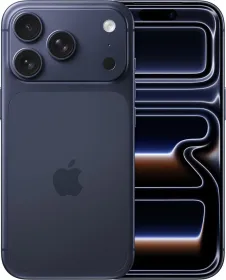
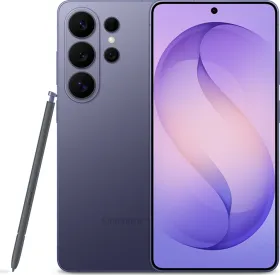
For years, the strangest part of walking into an electronics store has been seeing Windows laptops from Dell, HP, and Samsung with vibrant, inky-black OLED screens sitting next to Apple’s premium MacBooks, which still use older LCD-based technology.
While Apple’s current Mini-LED screens on its “Pro” models are excellent, they still use a backlight and can’t match the perfect contrast and per-pixel light control of an OLED panel. The Windows world, led by Android phone makers, has made OLED a common, premium feature.
Apple, it seems, is treating it as a final, fiendishly difficult engineering problem.
ALSO READ: Google’s Pixel 10a Renders Show It’s Playing It Safe to Keep the $499 Price
The ‘Burn-In’ Problem

So, what’s the holdup? In a word: burn-in. OLED’s biggest weakness is that static images, like the macOS menu bar or an app’s toolbar, can “burn” a permanent ghost into the screen. This is a low risk on a phone you use for 30-second intervals, but it’s a massive liability for a computer that might display the same “File” menu for eight hours straight.
Apple’s answer, which it debuted on the 2024 M4 iPad Pro, is Tandem OLED. It’s a complex and expensive process that stacks two OLED panels on top of each other, making the screen brighter and, crucially, dramatically extending its lifespan.
This is the expensive, “Pro” tech. The “Air” models must wait for a cheaper, more conventional version to become viable.

Apple’s Full OLED Roadmap
Gurman’s report, combined with existing facts, paints a clear Good, Better, Best strategy that finally makes sense of Apple’s confusing lineup.
- Current (Premium): OLED is standard on Apple Watch, iPhone, and the M4 iPad Pro, which use advanced Tandem OLED.
- Late 2026 (Pro Mac): The MacBook Pro is expected to be the first Mac with OLED, likely using the same Tandem technology.
- 2026-2027 (‘Mid-Tier’ iPads): The iPad Air and iPad mini are slated to get standard, single-layer OLED, creating clear differentiation.
- 2028 or Later (Mainstream Mac): The MacBook Air is last, waiting for standard OLED costs to drop. M5 (Spring 2026) and subsequent Air models will retain LCD until then.
This tiered approach uses OLED to distinguish product lines, with the technology gradually moving downmarket as costs permit. For now, Apple is signaling that display technology is its new dividing line. If you want the best screen, you’ll have to buy a Pro. Everyone else will have to wait.
You can follow Smartprix on Twitter, Facebook, Instagram, and Google News. Visit smartprix.com for the latest tech and auto news, reviews, and guides.