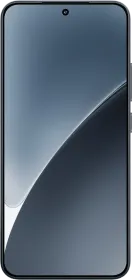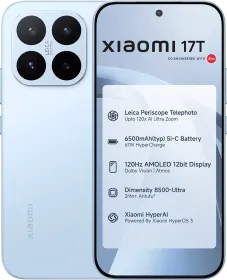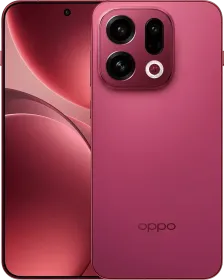




With the release of Xiaomi 15, the Chinese smartphone manufacturer has raised competition among flagship Android phones, particularly those that provide high storage. With a flagship processor, a Si/C battery that supports fast wired/wireless charging, and years of software support, the phone competes directly with its distant sibling, the Oppo Find X8.
If you’re in the market with a budget of around Rs. 60,000 and wish to get an Android flagship, the Xiaomi 15 and Oppo Find X8 (review) are two excellent options. But exactly which one should you get? Here’s a detailed comparison to answer your question and help you make an informed decision.
Xiaomi 15 vs. Find X8: Tech Specs
| Xiaomi 15 | Find X8 | |
| Dimensions | 152.3 x 71.2 x 8.08 mm | 157.4 x 74.3 x 7.9 mm |
| Weight | 191 grams | 193 grams |
| Color | Black, White, Green | Black, Gray |
| IP Rating | IP68 | IP69 |
| Display | 12-bit 6.36-inch LTPO 120Hz AMOLED | 10-bit 6.59-inch 120Hz AMOLED screen |
| Processor | Snapdragon 8 Elite (3nm) | MediaTek Dimensity 9400 (3nm) |
| Software | HyperOS 2.0 | Funtouch OS 15 |
| Camera | Rear: 50MP + 50MP + 50MPFront: 32MP | Rear: 50MP + 50MP + 50MPFront: 32MP |
| Battery Capacity | 5,240 mAh | 5,630 mAh |
| Charging Speed | 90W wired, 50W wireless | 80W wired, 50W wireless |
Xiaomi 15 vs. Oppo Find X8: Design
Materials
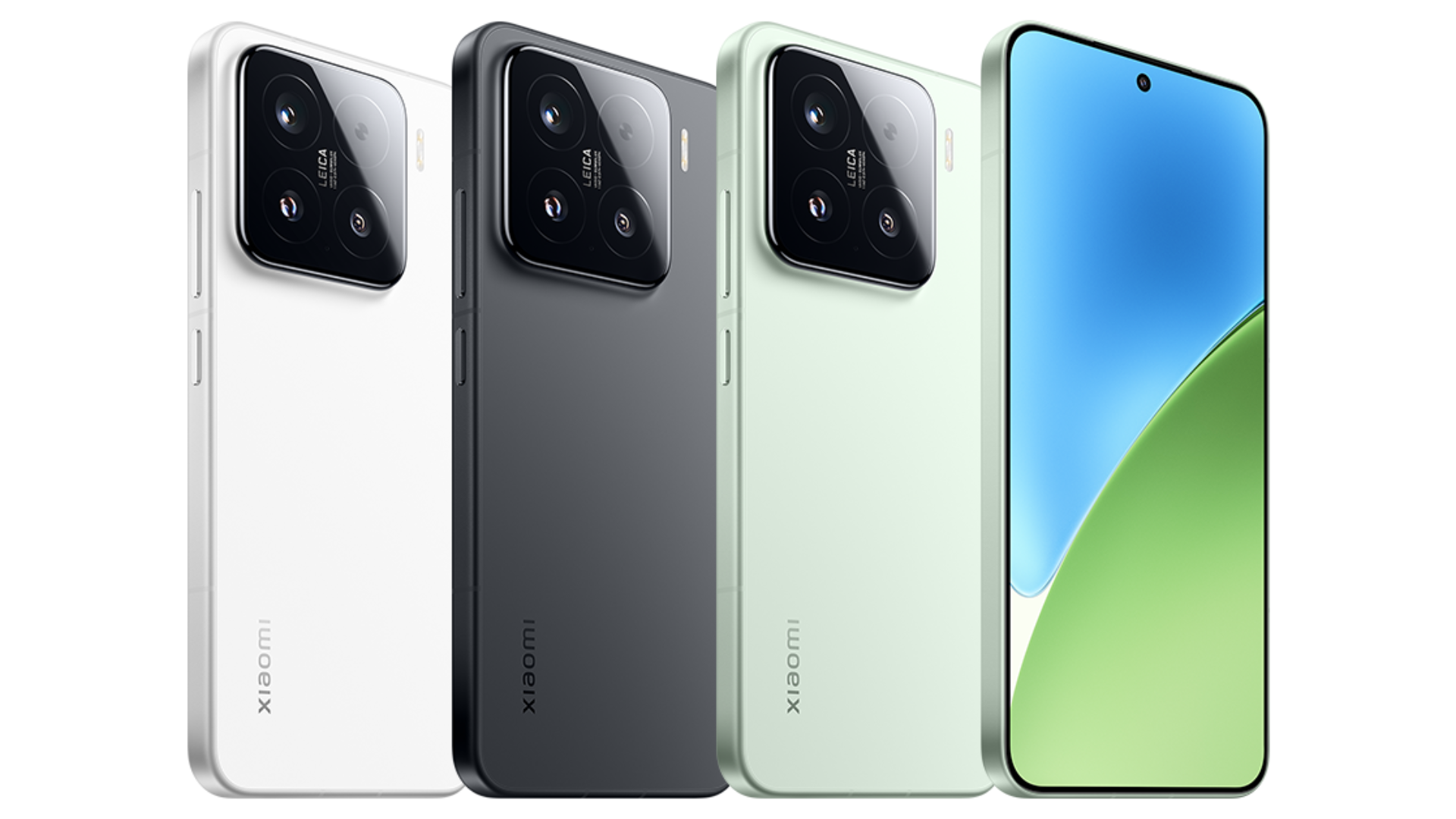
The Xiaomi 15 and the Find X8 feature an aluminum frame and a glass front/back. While the Xiaomi 15 features the Xiaomi Shield Glass, the Find X8 comes with Gorilla Glass 7i on the front/back.
Dimensions & Weight
- Xiaomi 15: 152.3 x 71.2 x 8.08 mm; 191 grams
- Oppo Find X8: 157.4 x 74.3 x 7.9 mm; 193 grams
Between the two handsets, the Find X8 has a slightly bigger footprint (that’s also because it features a bigger screen).
Design
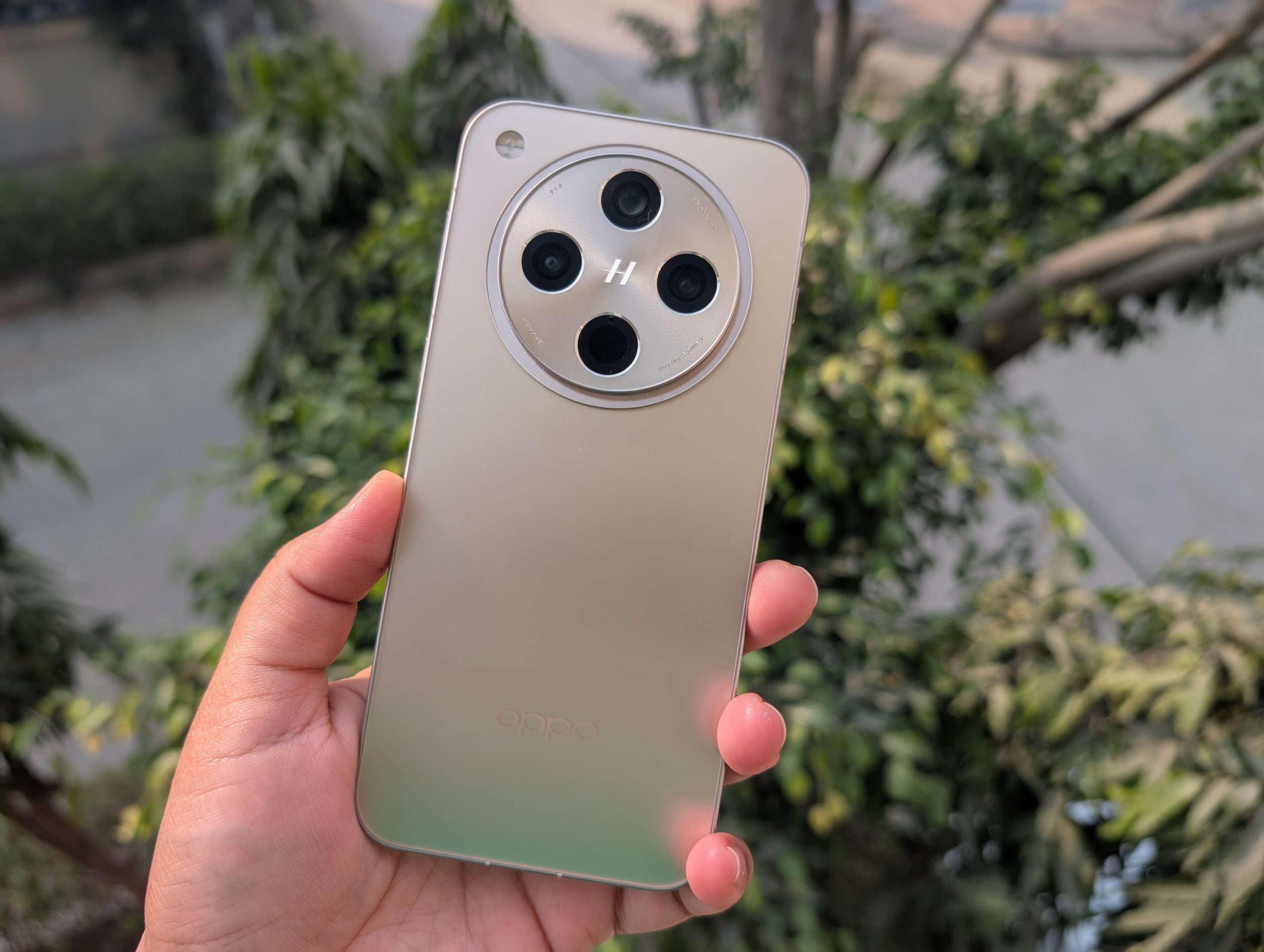
Though the punch-hole screen and symmetrical bezels on the front are common, the Xiaomi 15 features a blacked-out square-shaped camera module (toward the left), while the Find X8 has a blacked-out circular camera island (in the center). Besides, both phones have flat frames and rounded corners.
Colors
- Xiaomi 15: Black, White, Green
- Oppo Find X8: Black, Gray
IP Rating
While the Xiaomi 15 has an IP68 dust and water resistance rating, the Find X8 takes things up a notch with its IP69 rating (capable of withstanding high-pressure water jets).
Xiaomi 15 vs. Oppo Find X8: Display
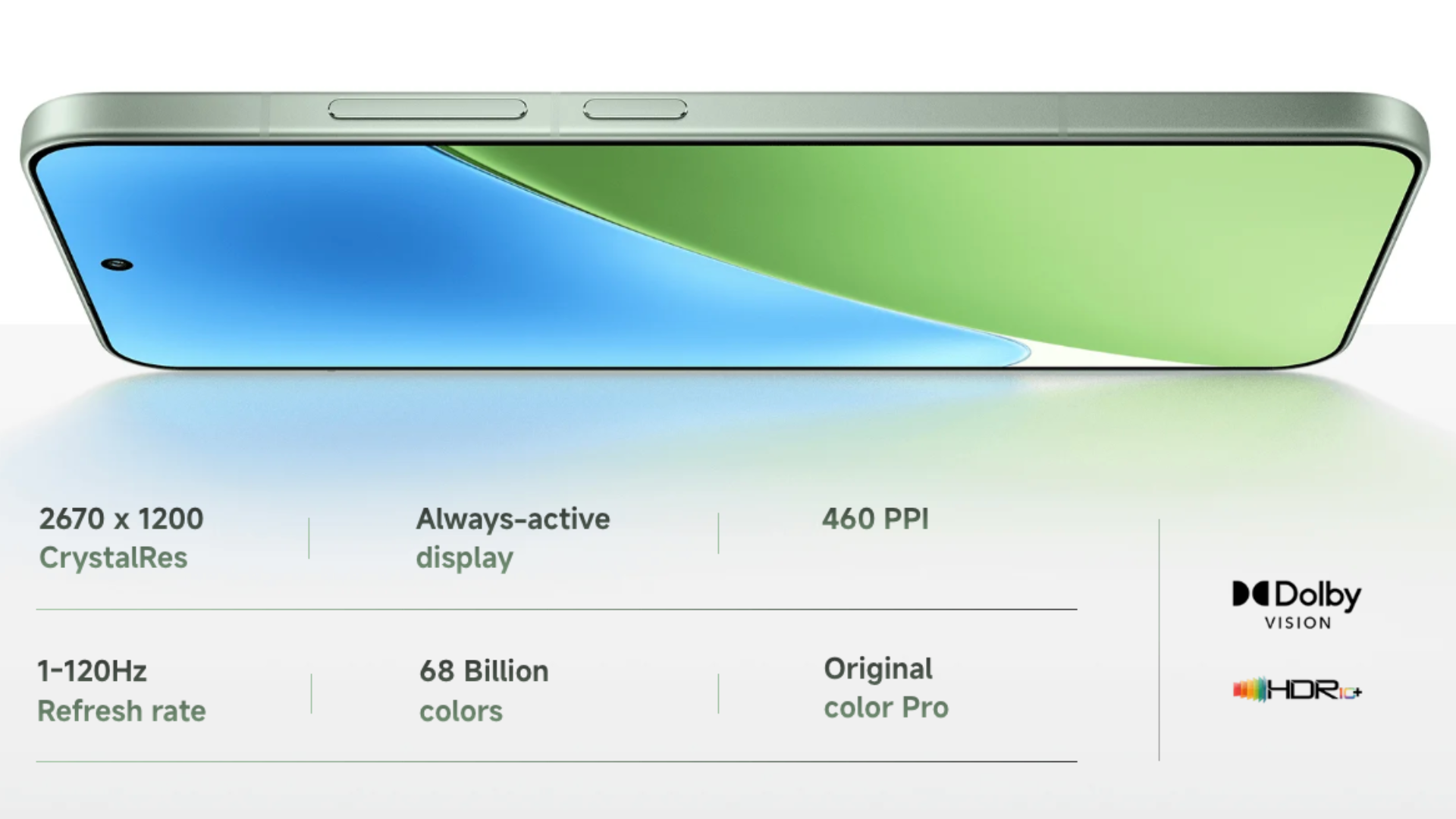
The Xiaomi 15 features a 12-bit 6.36-inch LTPO AMOLED 120Hz screen with a resolution of 2670 x 1200 pixels (460 ppi) and a peak brightness of 3200 nits (25% of the display area). Further, the phone has a touch sampling rate of up to 300Hz and supports 1920 PWM dimming.
Xiaomi has also equipped the phone with support for HDR10, HDR10+, and Dolby Vision.
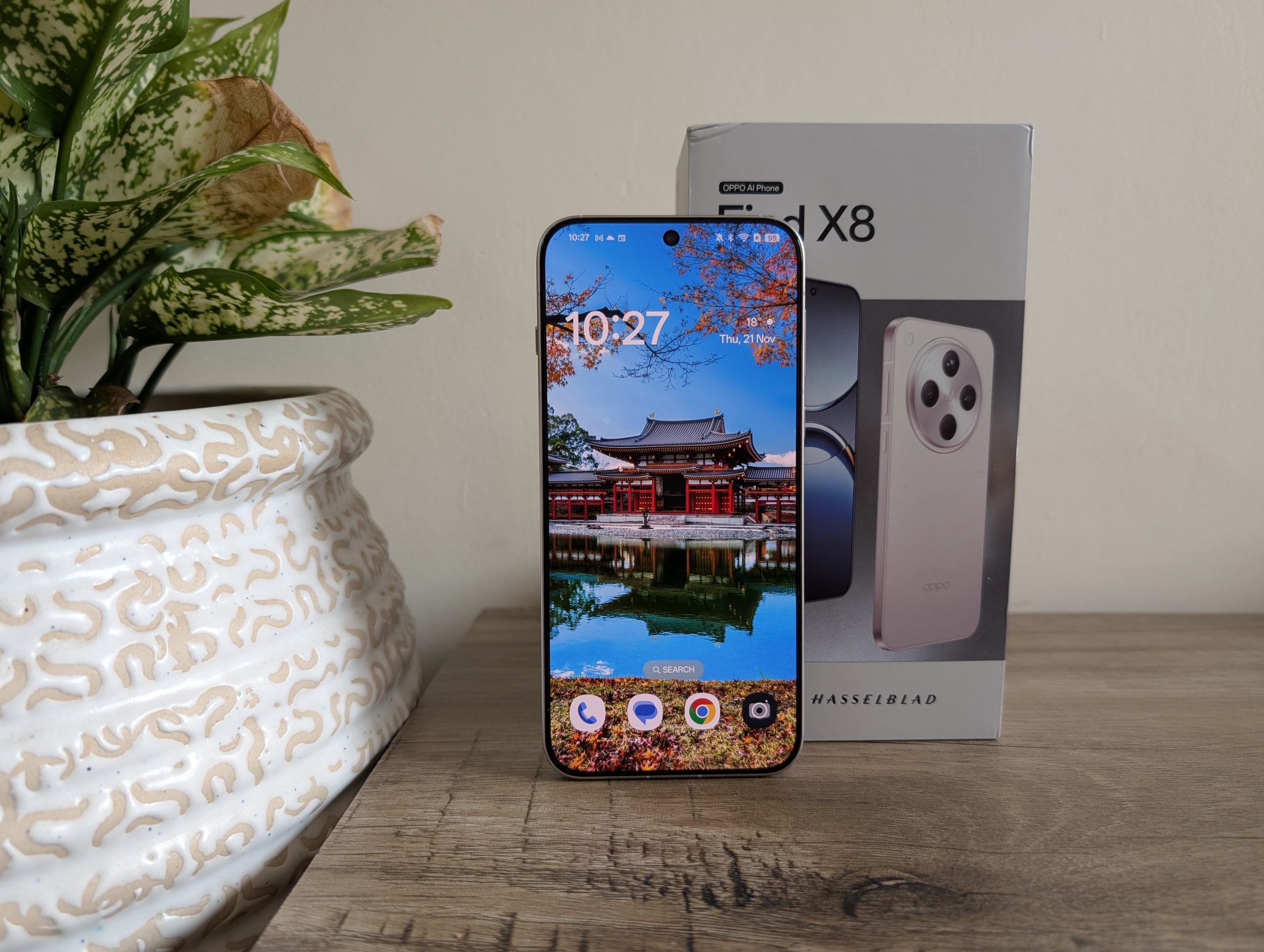
The Find X8 has a 10-bit 6.59-inch 120Hz AMOLED screen with a resolution of 2760 x 1256 pixels (460 ppi) and a local peak brightness of 4500 nits (limited to 1600 nits in the high-brightness mode).
Besides, the display supports up to 240Hz sampling rate, 3840Hz PWM dimming (under 70 nits), and DC dimming (above 70 nits). Like the Xiaomi 15, the Find X8 also supports HDR10+ and Dolby Vision formats.
Moreover, both displays offer a similar viewing experience. However, if you have a keen eye, you might be able to notice the higher color depth on the Xiaomi 15. If you want a larger screen, though, the Find X8 is the way to go.
Also Read: iQOO Neo 10R vs. OnePlus Nord 4: Which One is the Better Mid-range All Rounder?
Xiaomi 15 vs. Oppo Find X8: Performance
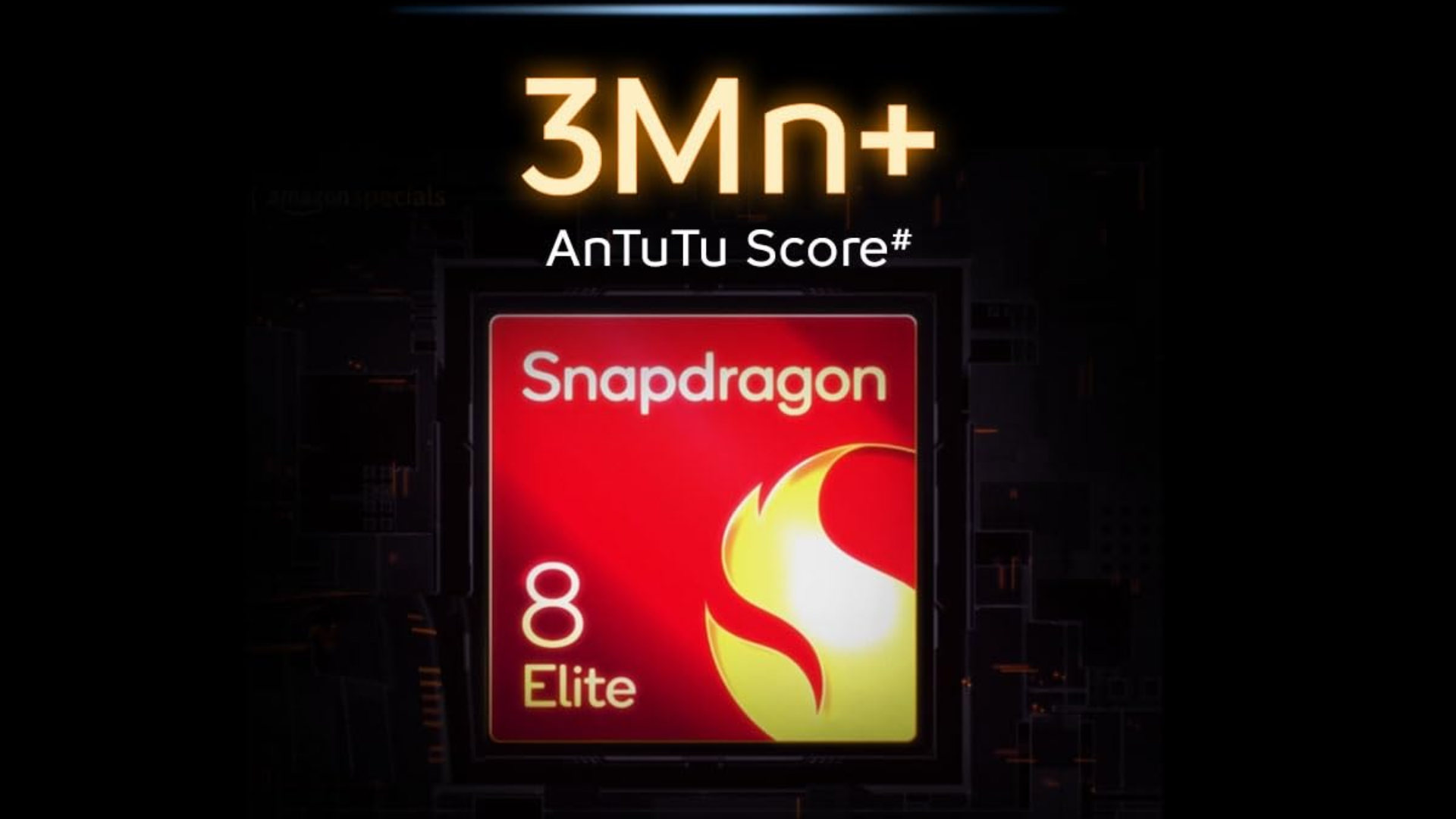
The Xiaomi 15 flaunts the Snapdragon 8 Elite (3nm) SoC, which comprises two 4.32 GHz prime cores, six 3.53 GHz performance cores, Adreno 830 GPU with hardware-accelerated ray tracing, and the Hexagon NPU for processing ono-device AI features.
Regarding memory and storage, the Xiaomi 15 is only available in a lone variant: 12GB of LPDDR5X RAM and 512GB of UFS 4.0 storage. According to reports, the phone scores around 3,040/9,300 points in the single/multi-core GeekBench 6 CPU performance test.
Moreover, the Xiaomi 15 is a performance beast, and it shouldn’t matter whether you’re putting enormous horsepower into multitasking, gaming, or video editing; the phone should be able to handle it all.
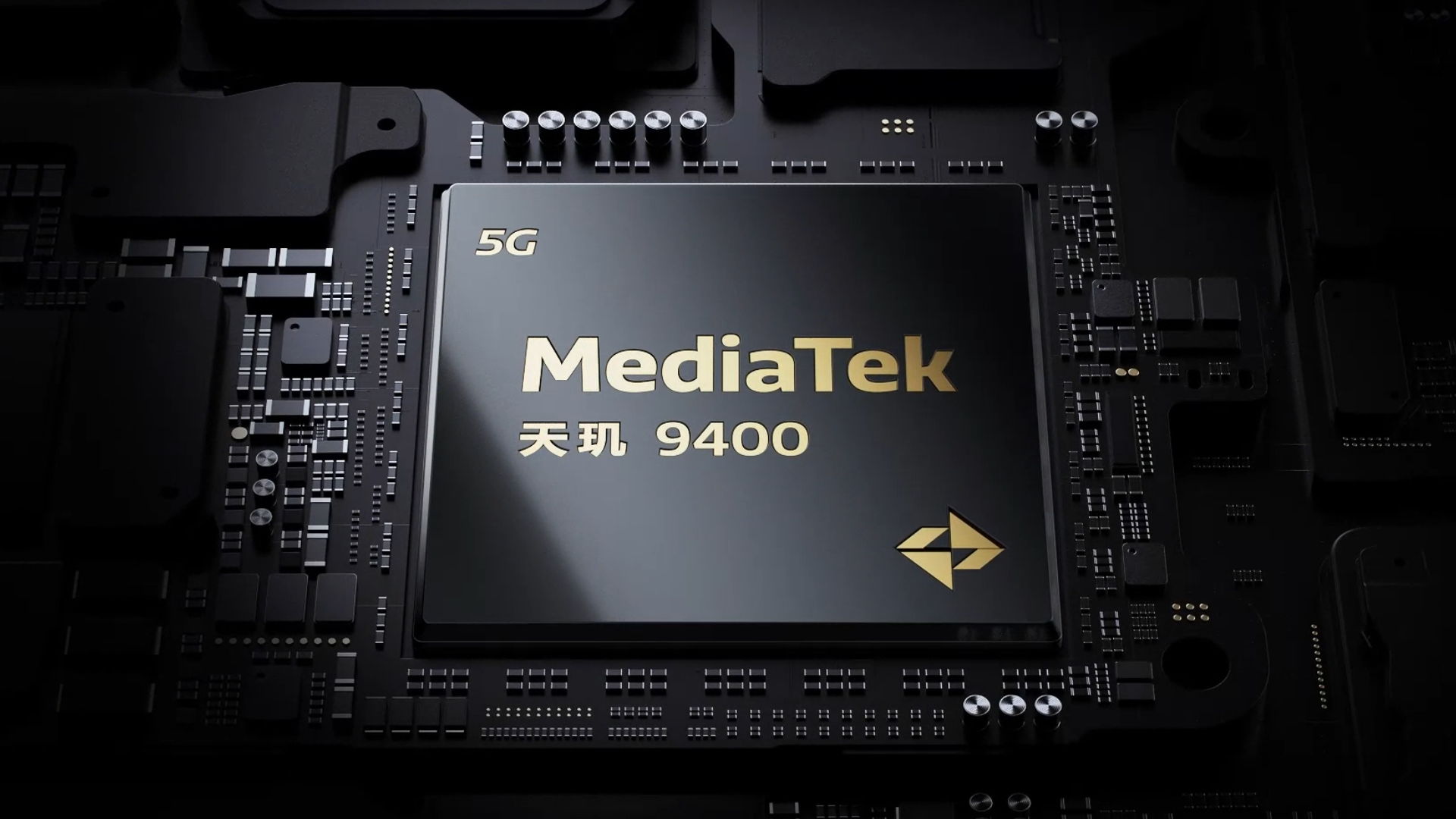
On the other hand, the Find X8 runs on the MediaTek Dimensity 9400 (3nm) SoC with one 3.63 GHz prime core, three 3.3 GHz performance cores, and four 2.4 GHz efficient cores. Besides, the chipset features the Immortalis-G925 GPU and an NPU that supports on-device Gemini Nano (multimodal).
While the chipset is quite powerful, the Find X8 flaunts up to 16GB of LPDDR5X RAM (more than the Xiaomi 15) and up to 512GB of UFS 4.0 storage. Last but not least, the chipset scores around 2,711/8,632 points in the single/multi-core GeekBVench 6 CPU scores.
You can use the Find X8 to play high-end video games or edit and export 4K videos without a problem. Since both the chipsets are based on TSMC’s N3E fabrication technology, they shouldn’t be too heavy on the battery either.
Xiaomi 15 vs. Oppo Find X8: Software
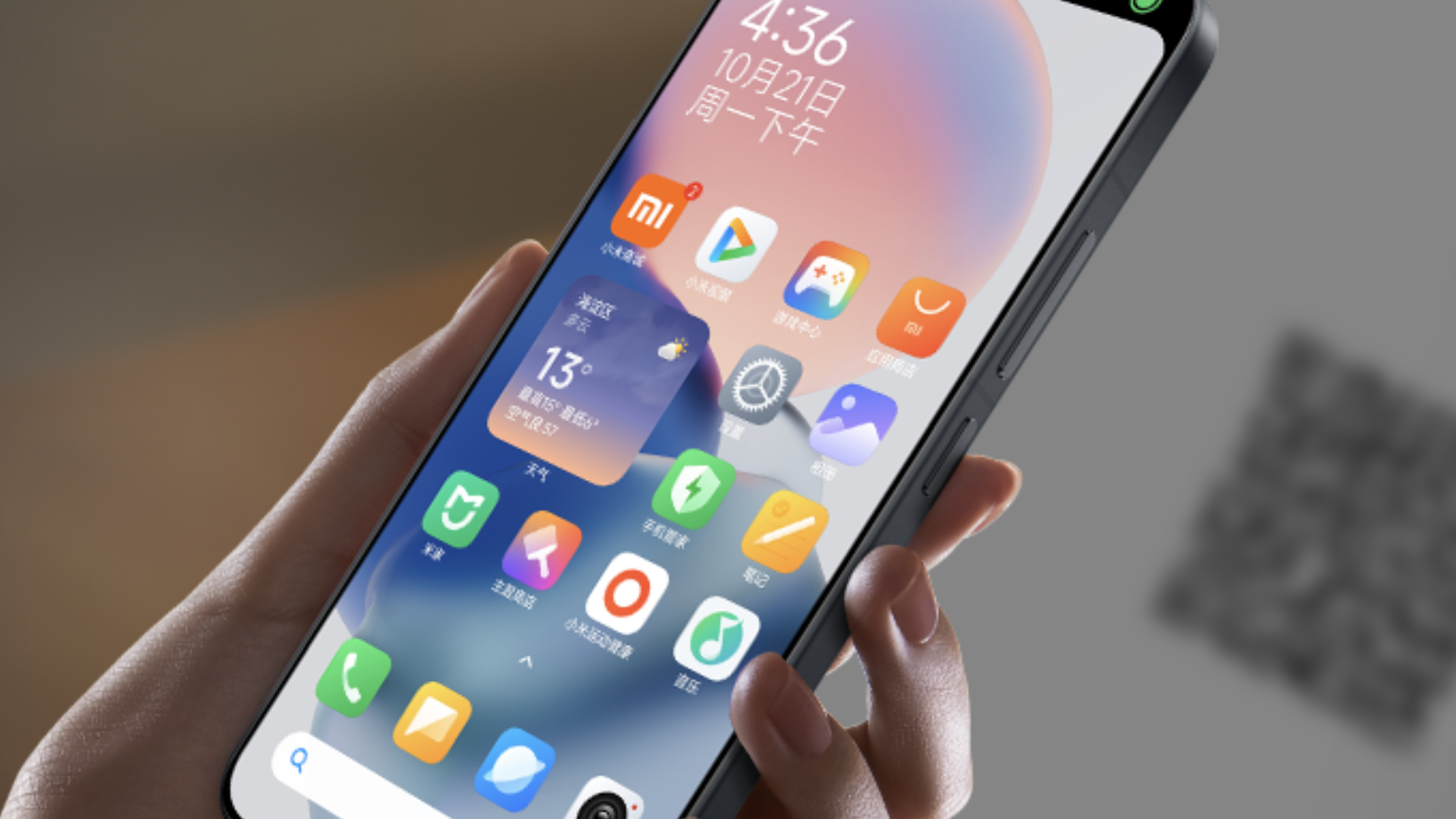
The Xiaomi 15 runs on HyperOS 2 based on Android 15 and provides features like AI Speech Recognition, AI Subtitles, AI Writing, AI Gesture Reactions, and Circle to Search. Xiaomi has also promised to provide four years of major operating system updates and six years of security updates.
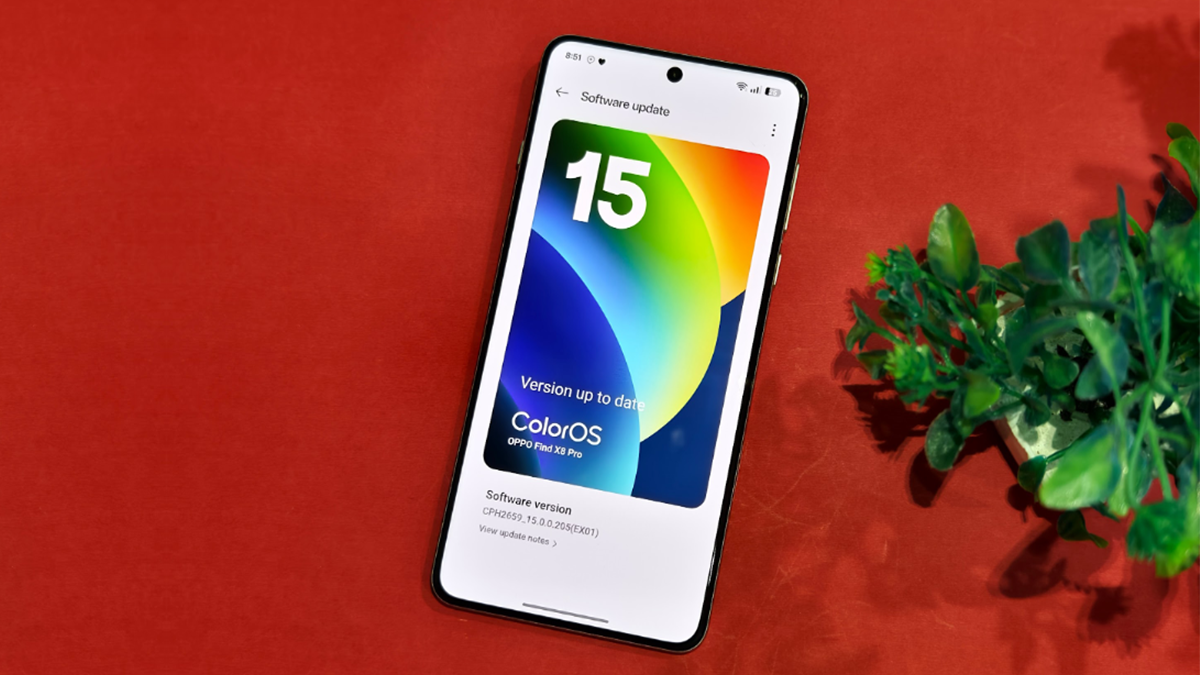
In contrast, the Find X8 runs on ColorOS 15.0 (based on Android 15). The handset’s key features include an iOS-style Control Center, improved lock screen customization options, and Live Photos. Further, the company will provide five years of software updates, along with one additional year of security update.
Also Read: Xiaomi 15 vs. Galaxy S25: Which Android Flagship Offers More Value For Your Money?
Xiaomi 15 vs. Oppo Find X8: Cameras
Xiaomi 15 Camera Configuration
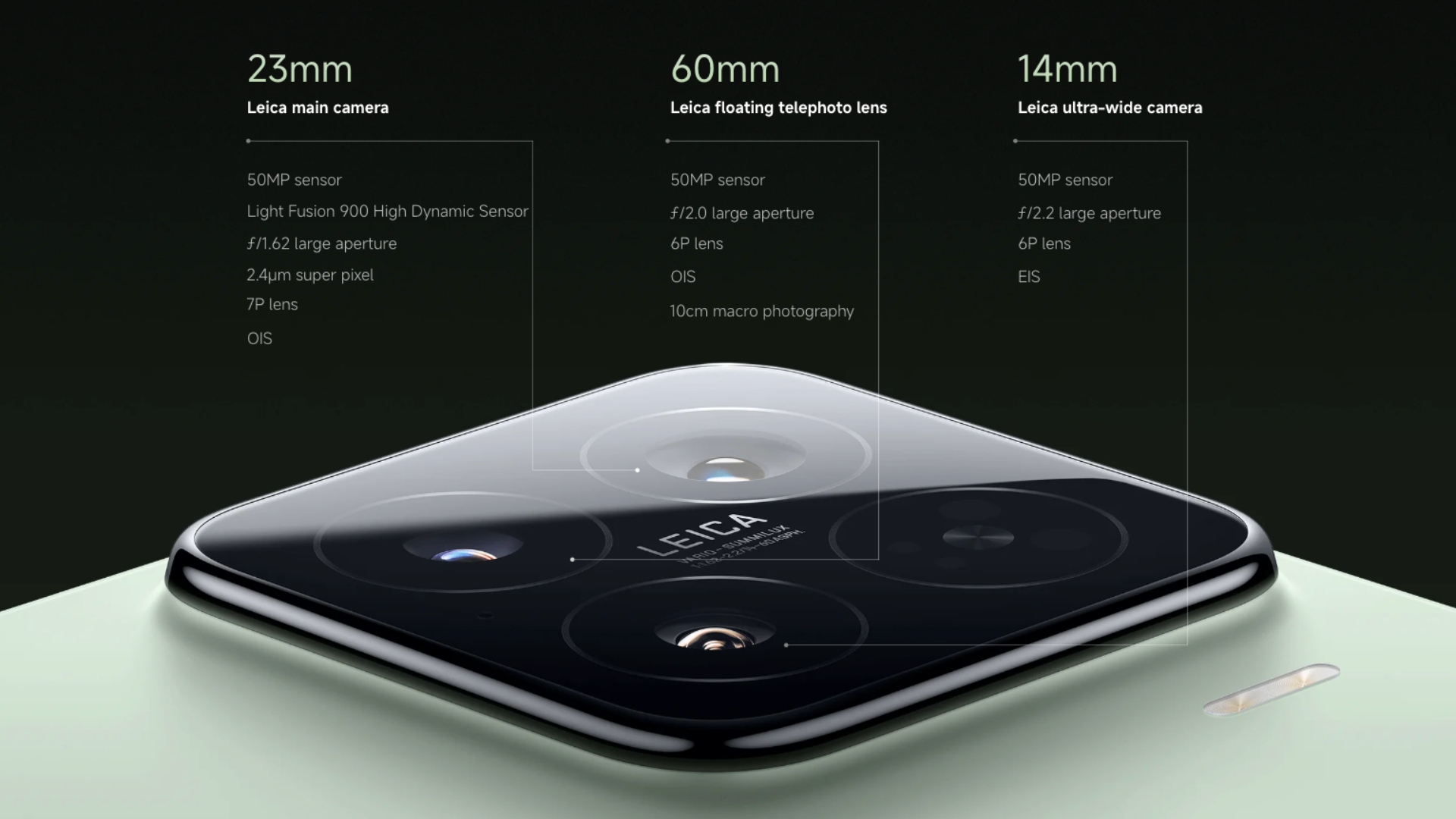
- Primary Camera: 50MP (f/1.62, 23mm, OIS) Leica Light Fusion 900
- Secondary Camera: 50MP (f/2.0, 60mm, OIS) sensor with 2.6x optical zoom lens that has a focusing distance of 10 cm
- Tertiary Camera: 50MP (f/2.2, 14mm) ultrawide camera with 115° field of view lens
- Front Camera: 32MP (f/2.0, 21mm) selfie camera with 90° field of view
The phone can record 8K videos at 30 fps and comes with Leica Authentic and Vibrant photographic styles. You also get Xiaomi’s ProMotion tracking focus and a digital zoom of up to 60x.
Oppo Find X8 Camera Configuration
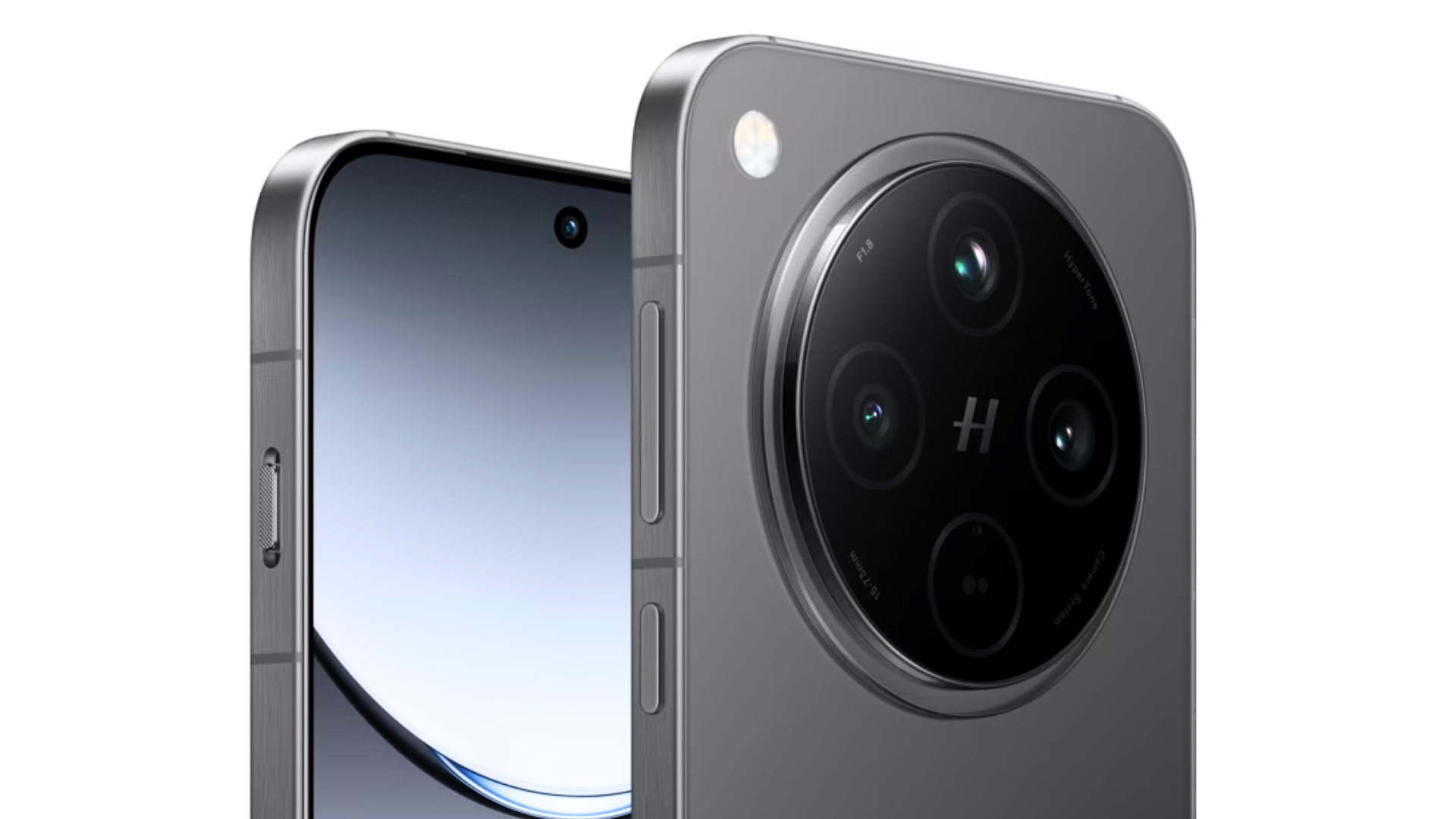
- Primary Camera: 50MP (f/1.8, 24mm) primary camera with dual-axis optical image stabilization
- Secondary Camera: 50MP (f/2.6, 73mm) Hasselblad telephoto camera for up to 3x optical zoom (higher than Xiaomi 15) and up to 120x digital zoom, supports optical image stabilization
- Tertiary Camera: 50MP (f/2.0, 15mm, 120-degree) ultra-wide sensor with autofocus (wider field of view than Xiaomi 15)
- Front Camera: 32MP (f/2.4, 21mm) selfie shooter
The Find X8 implements different GenAI models for different zoom levels. Further, it lets you click pictures in Hasselblad portraits and film-style portrait shooting modes. However, it can only record videos in 4K 60 fps. On the positive side, the phone provides up to 120x hybrid zoom.
Xiaomi 15 vs. Oppo Find X8: Battery Life And Charging Speed
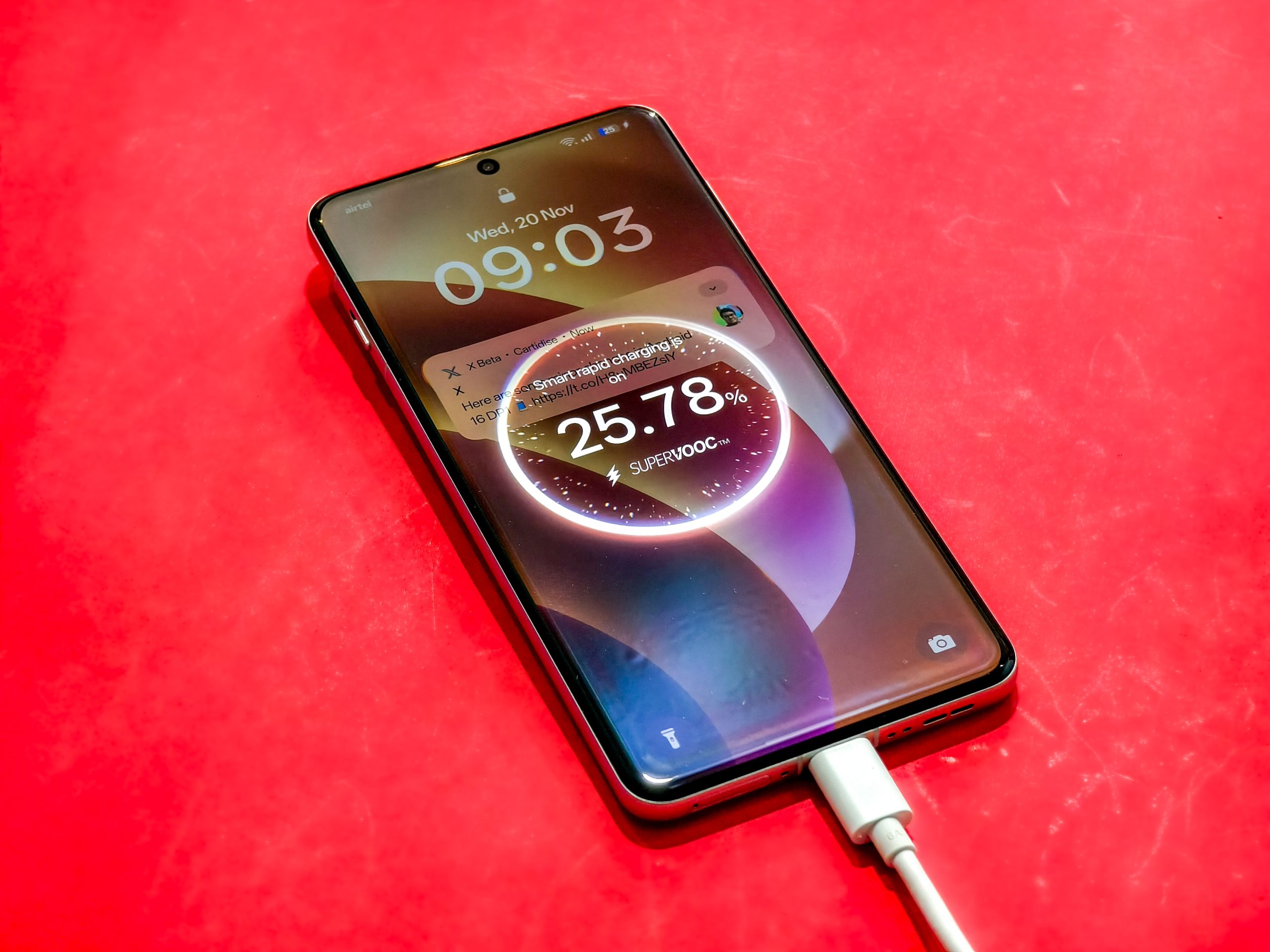
The Xiaomi 15 features a 5,240 mAh Si/C battery that supports 90W wired and 50W wireless charging. You also get a 90W power adapter in the box.
The Find X8, in contrast, has a 5,630 mAh Si/C battery that supports 80W wired and 50W wireless charging (similar to that of the Xiaomi 15). Fortunately, the phone also comes with a charger.
Also Read: vivo T4x vs. CMF Phone (1) vs. Galaxy M16: Which Entry-Level 5G Handset Suits You The Best?
Xiaomi 15 vs. Oppo Find X8: Connectivity
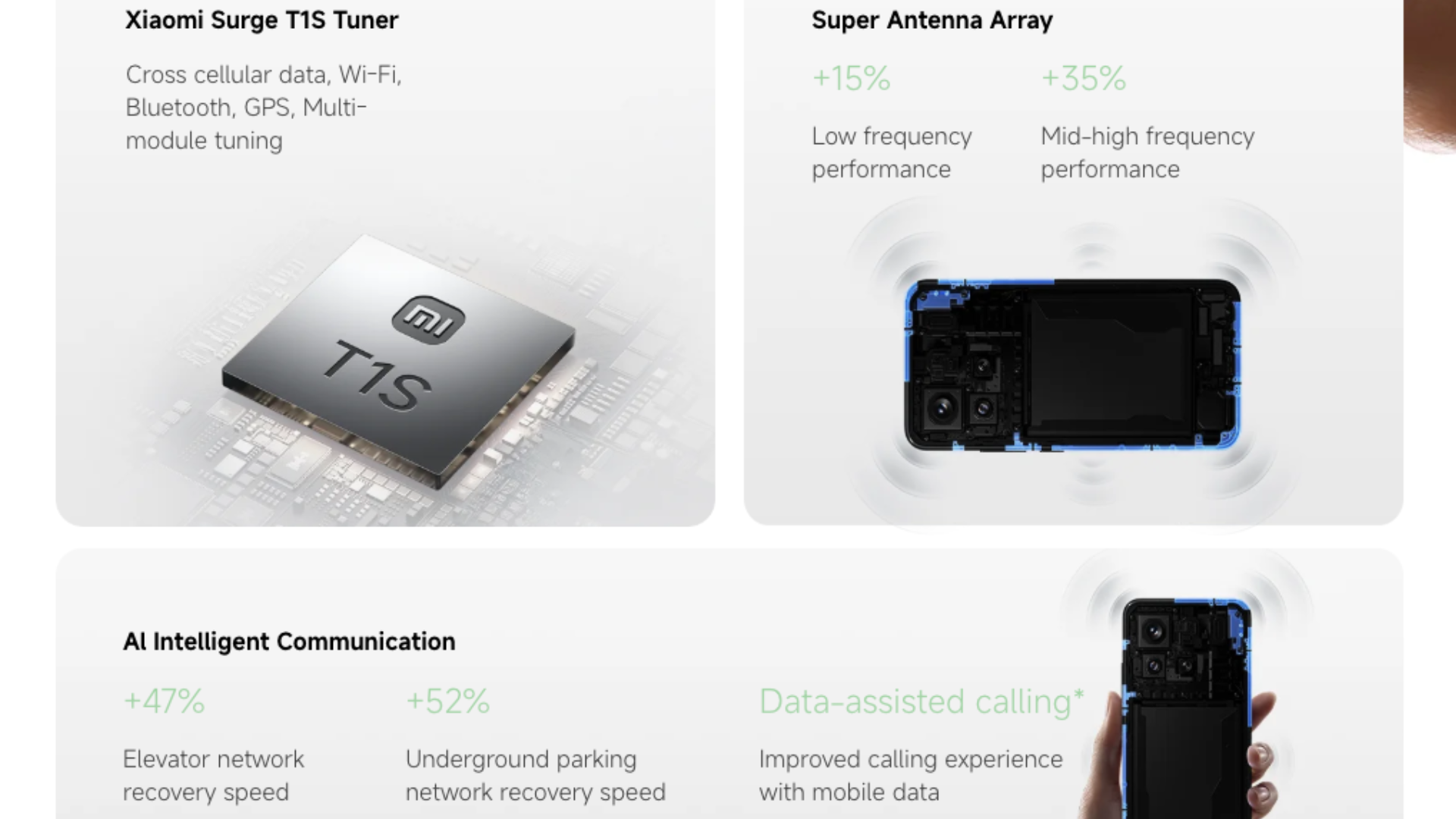
The Xiaomi 15 provides 5G connectivity, along with Wi-Fi 6, Bluetooth v6.0, GPS (L1 + L5), NFC, IR Blaster, and a USB-C 3.2 Gen 2 port.
While the Find X8 includes 5G, Wi-Fi 7, Bluetooth v5.4, GPS (L1 + L5), NFC, and IR Blaster, it includes a USB-C 3.0 port, which provides slightly lower data transfer speed.
Xiaomi 15 vs. Oppo Find X8: Price And Conclusion
Xiaomi 15 Price
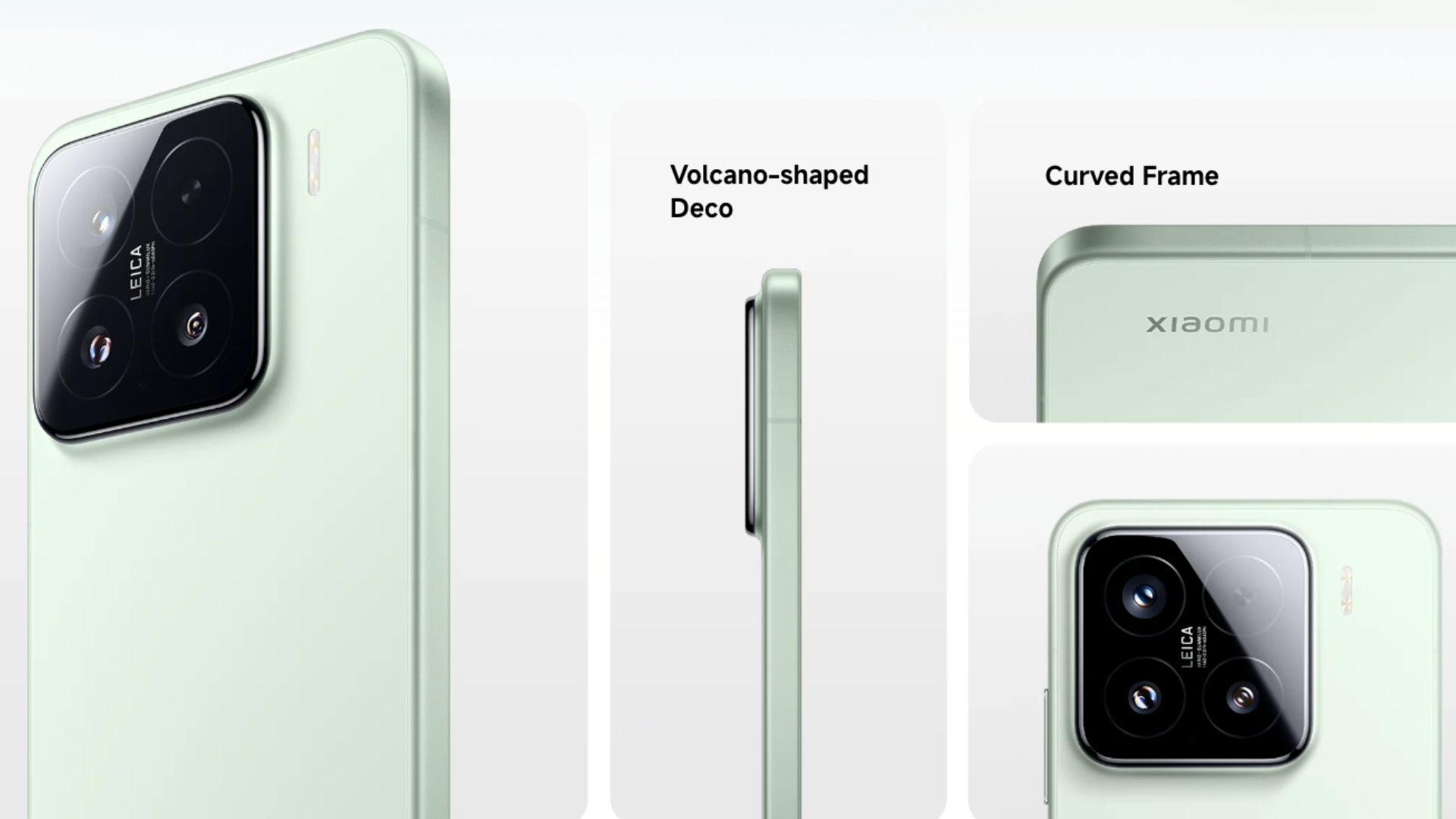
For those running a Xiaomi device with HyperOS, the Xiaomi 15 could be a fantastic upgrade. Compared to the Find X8, the phone is more compact, implying that it is easier to fit in a pocket. Besides, the phone has a powerful chipset, will get four years of HyperOS updates, and is available in three different colors.
Xiaomi 15’s most compelling selling point is its price. For an effective price of Rs. 59,999 (including the introductory bank offer), the phone provides 512GB of storage, providing more value for buyers’ money.
Oppo Find X8 Price
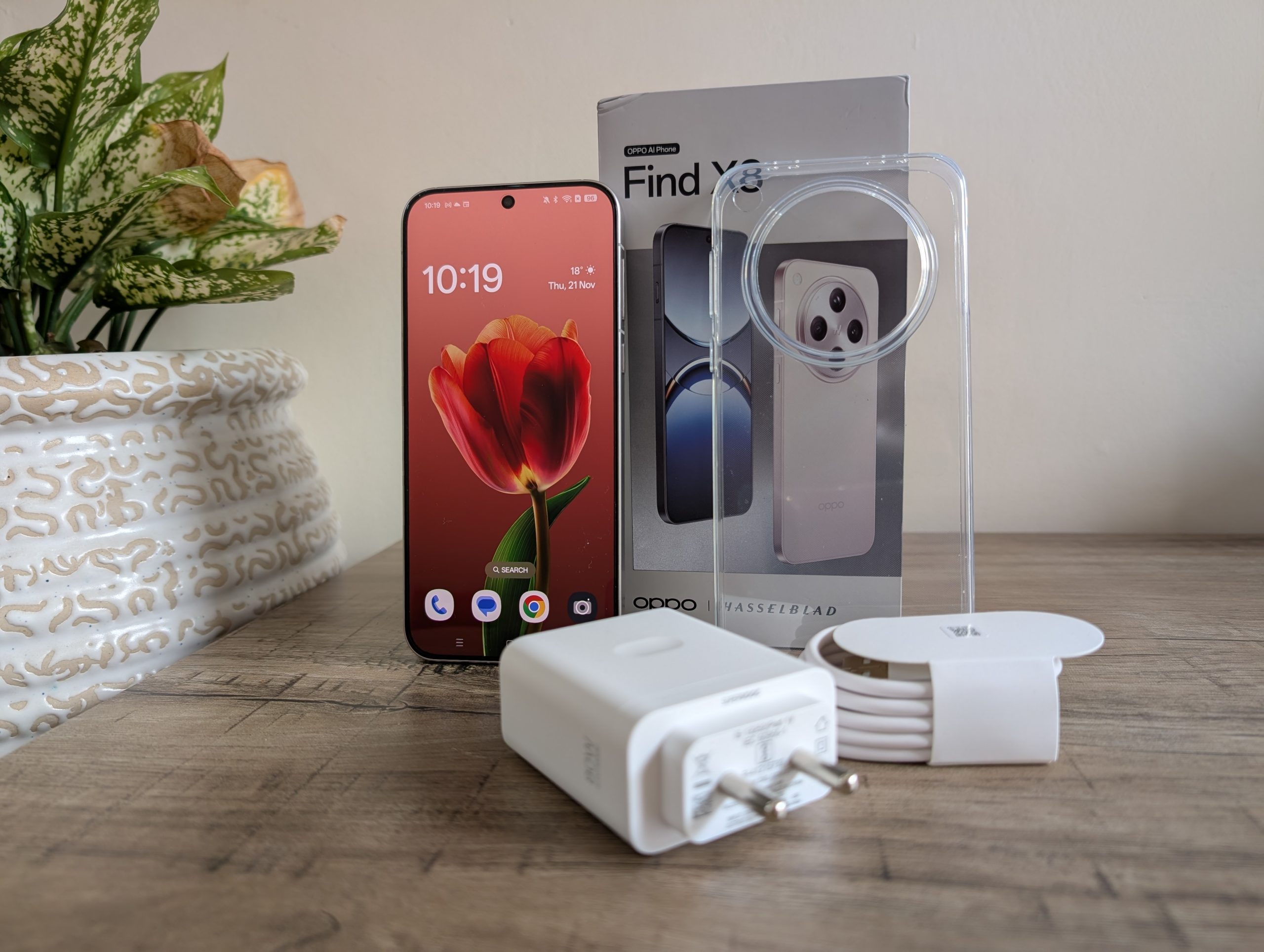
The Find X8 has a bigger screen than the Xiaomi 15, making it suitable for users who consume a lot of content on their smartphones. Further, Oppo provides an additional year of software support over the Xiaomi flagship. It also gets a slightly larger battery, which could translate into more screen-on time between charges.
If you’ve been an Oppo user in the past and wish to get a phone with plenty of camera-related features, you can’t go wrong with the Oppo Find X8.
You can follow Smartprix on Twitter, Facebook, Instagram, and Google News. Visit smartprix.com for the latest tech and auto news, reviews, and guides.