

Oppo Find X10 Pro Max vs. Vivo X500 Pro Max: Table of Contents
In late September 2026, Oppo and vivo launched their top camera-focused flagships just a day apart: the Find X10 Pro Max and the X500 Pro Max. Both run the brand-new MediaTek Dimensity 9600 Pro on TSMC’s 2nm process, both pack massive 8,000 mAh silicon-carbon batteries, and both sit at the absolute peak of Android hardware.
Yet the two phones take noticeably different paths: Oppo doubles down on a full triple-200MP Hasselblad system and polished ColorOS 17, while vivo prioritizes a larger-sensor Zeiss telephoto, deeper Apple ecosystem ties, and a more expressive OriginOS 7. Here’s how these near-identical twins actually stack up.
Also Read: Snapdragon 8 Elite Extreme Gen 6 vs. Apple A20 Pro: CPU, GPU, AI And More Compared
Oppo Find X10 Pro Max vs. Vivo X500 Pro Max: Design
| Spec | Oppo Find X10 Pro Max | Vivo X500 Pro Max |
| Dimensions | 161.3 x 76.6 x 8.4 mm | 163.3 x 76.8 x 8.1 mm |
| Weight | 233 g (233–235 g by color) | 225 g (AG glass) / 229 g (glass-fiber) |
| Front glass | Corning Gorilla Glass Victus 2 | Armor Glass, Mohs level 4 |
| Frame | Aluminium | Aluminium alloy |
| Back | Glass | AG glass (White/Orange/Gray) or glass-fiber reinforced plastic (Black) |
| Water/dust rating | IP68/IP69 (also cites IP66 in Oppo’s own marketing) | IP68/IP69 |
| Biometrics | Under-display ultrasonic fingerprint | Under-display ultrasonic fingerprint |
| Other sensors | Accelerometer, gyro, proximity, compass, barometer | Accelerometer, gyro, proximity, compass |
| Colors | Titanium Grey, Luna White, Orange | Black, Gray, White, Orange |
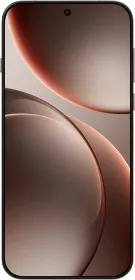
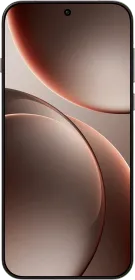
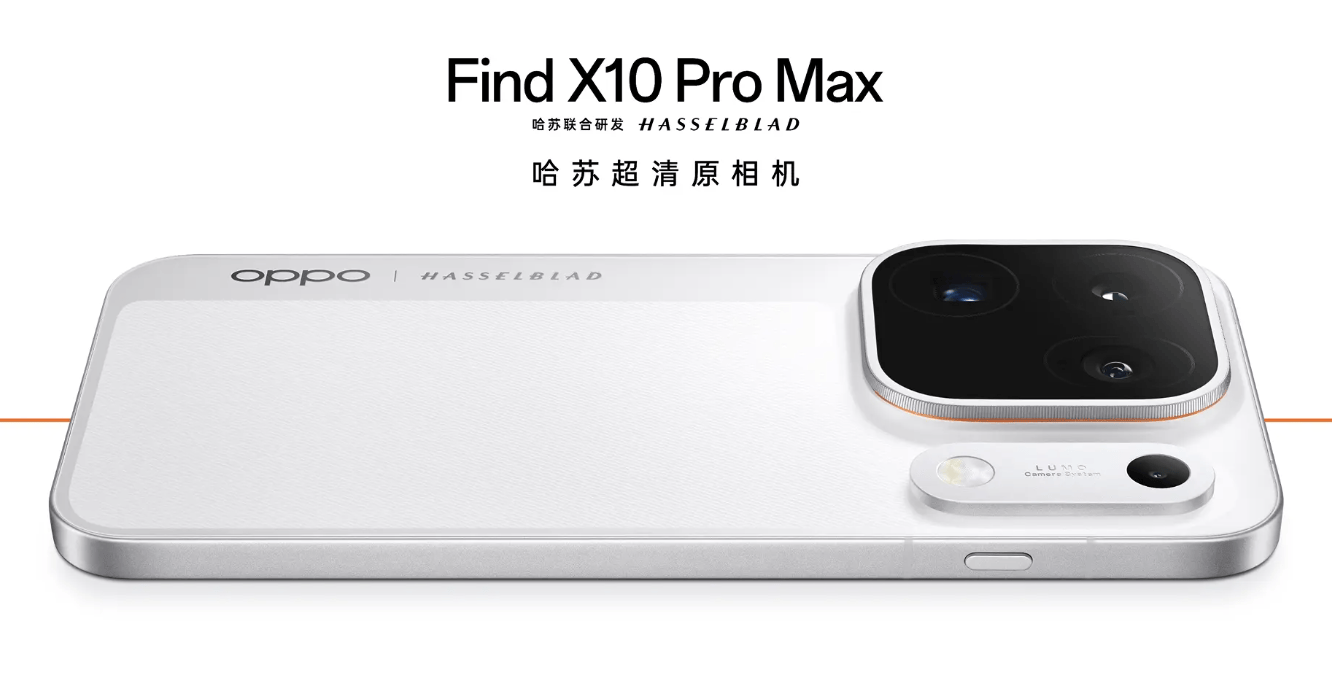
Between the two phones, the Vivo X500 Pro Max is a bit thinner and lighter, if that matters to you. However, the overall form factor — full-fledged Android flagship with the biggest possible screen — remains the same. Both the phones feature a glass-aluminum-glass design, with flat edges on the sides and rounded corners. Both are sister brands, after all.
That is also visible in dual IP ratings, the under-display fingerprint scanner, and the choice of chip (we’ll come to that later).
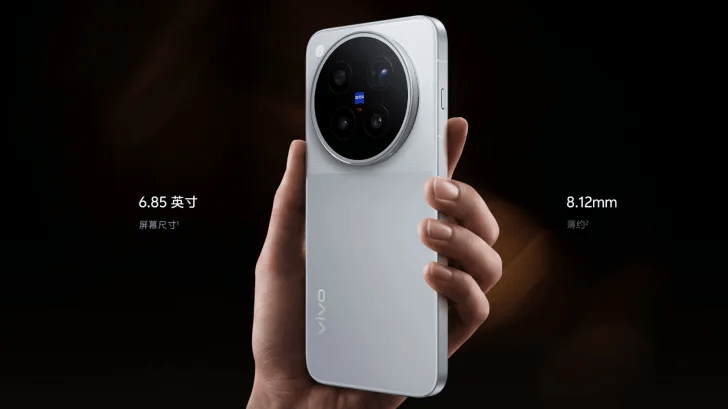
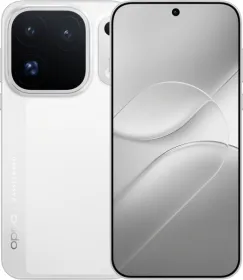
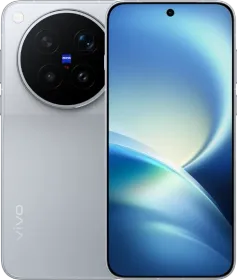
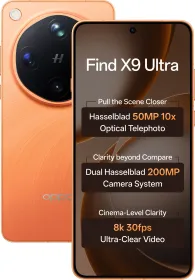
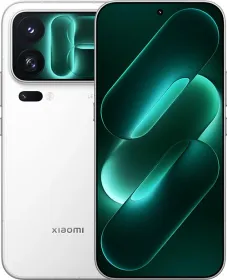
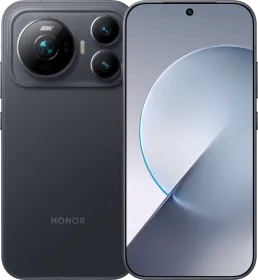
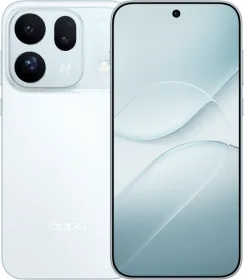
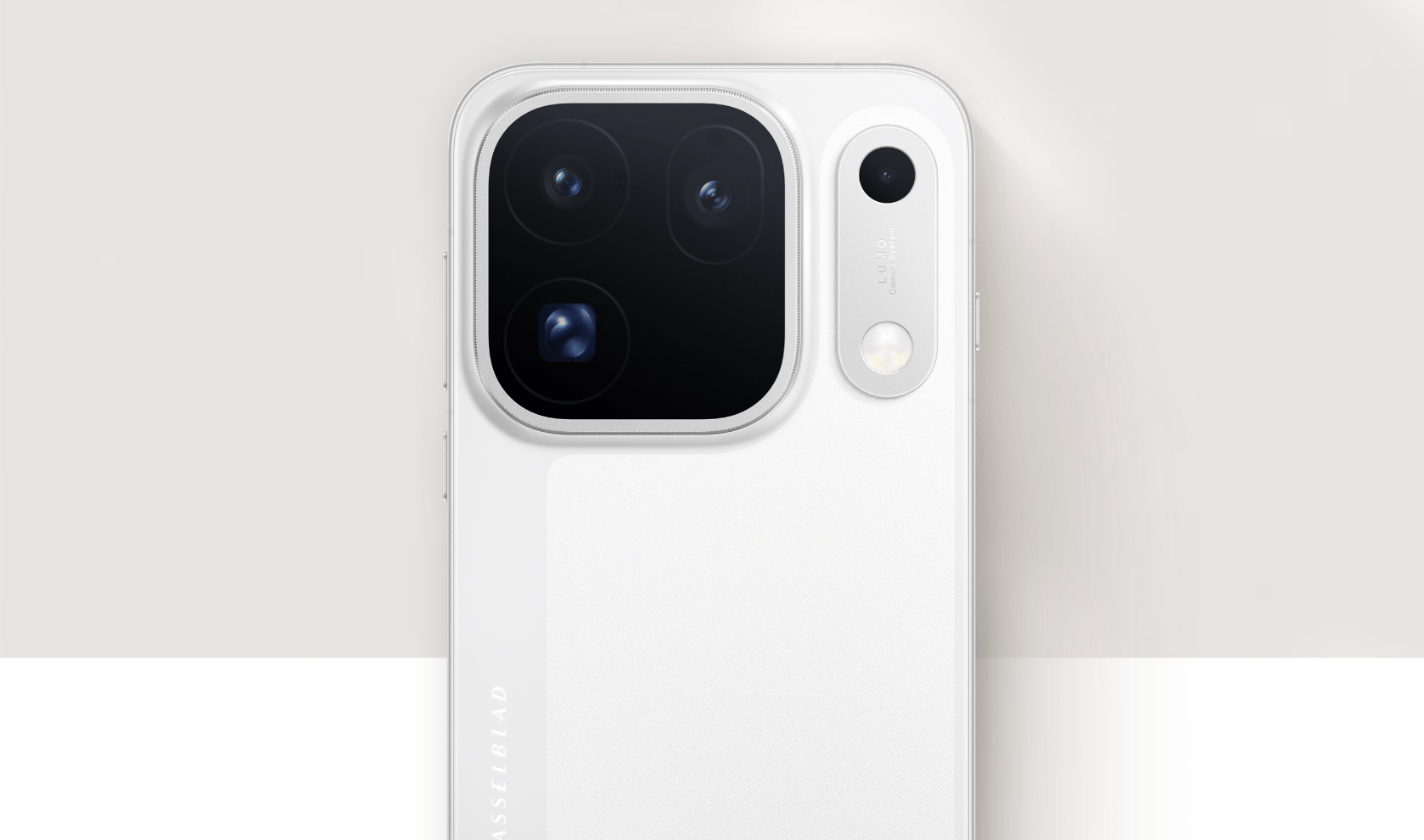
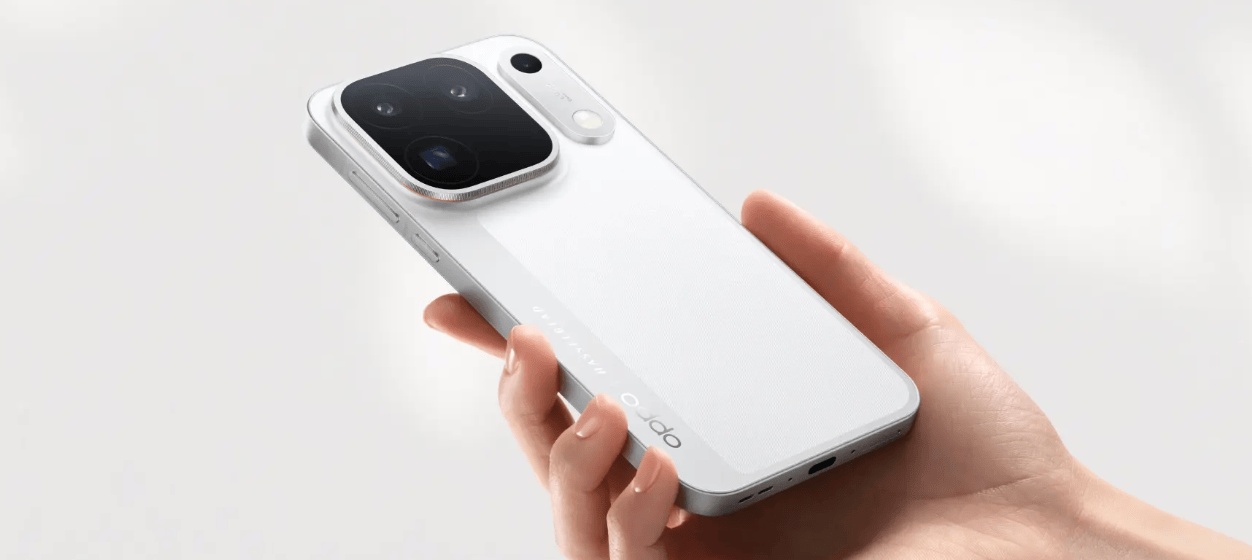
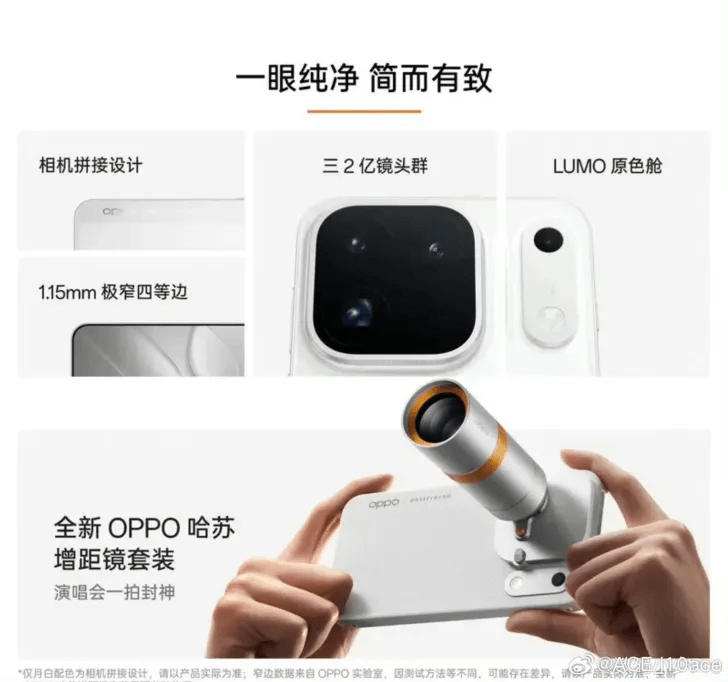
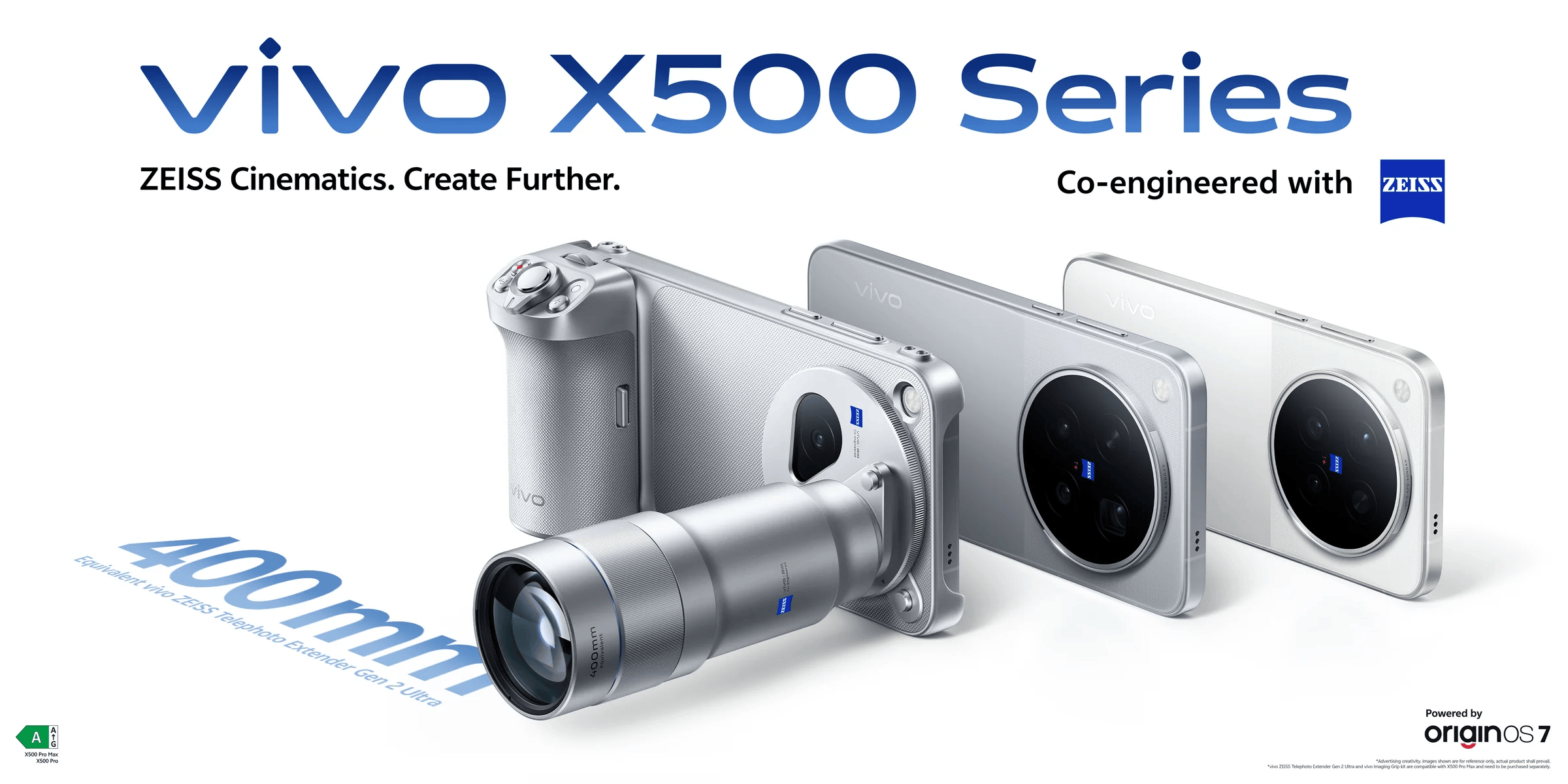
The most distinctive difference between the two is the rear camera module. The Find X10 Pro Max has a rectangular camera island with slightly rounded edges (what companies call a “squircle” design). In contrast, the X500 Pro Max features a circular camera island. So while the front panel remains mostly identical, the back panel gives the two phones distinct looks.
Both companies have launched their flagships in orange. It’s not as saturated as the iPhone 17 Pro’s Cosmic Orange, but it’s there- something you’ll notice if you’ve been following the smartphone market for a while.
Oppo Find X10 Pro Max vs. Vivo X500 Pro Max: Display
| Spec | Oppo Find X10 Pro Max | Vivo X500 Pro Max |
| Panel | LTPO AMOLED, 1B colors | LTPO AMOLED (BOE Q11 material) |
| Size | 6.78″ (~91.0% screen-to-body) | 6.85″ (~91.3% screen-to-body) |
| Resolution | 1272 x 2772 px (~450 ppi) | 1440 x 3168 px (~507 ppi) |
| Refresh rate | Up to 144Hz, 3840Hz PWM dimming | Up to 144Hz adaptive |
| Brightness | 800 nits (typ), 2,000 nits (HBM), 3,600 nits (peak) | 2,000 nits (HBM), 4,400 nits (peak) |
| Protection | Corning Gorilla Glass Victus 2 | Armor Glass, Mohs level 4 |
| HDR | Dolby Vision, HDR10+, HDR Vivid, BT.2020, Ultra HDR | HDR10+, Dolby Vision, Ultra HDR |
Between the two phones, it’s the X500 Pro Max that has a slightly bigger display. However, it also has a sharper display (by a good extent) and a slightly higher screen-to-body ratio. The refresh rate ceiling, however, remains the same, and so does the PWM dimming rate.
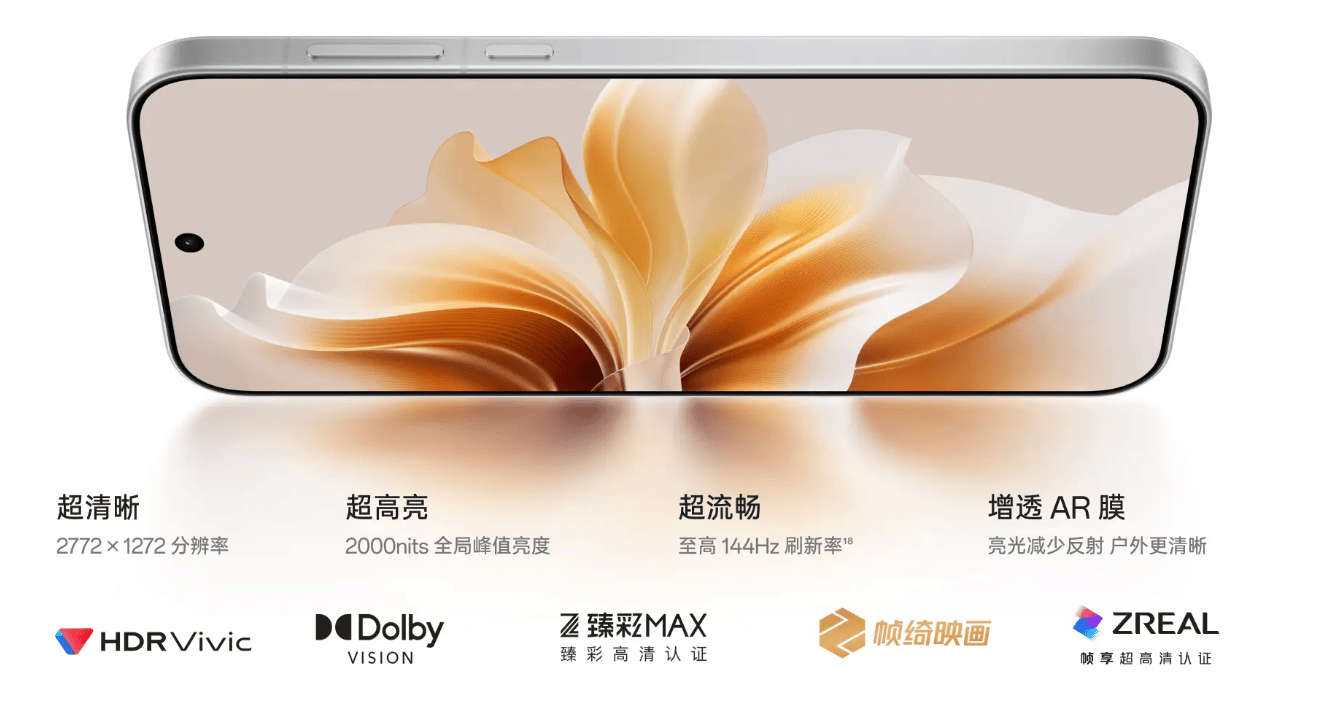
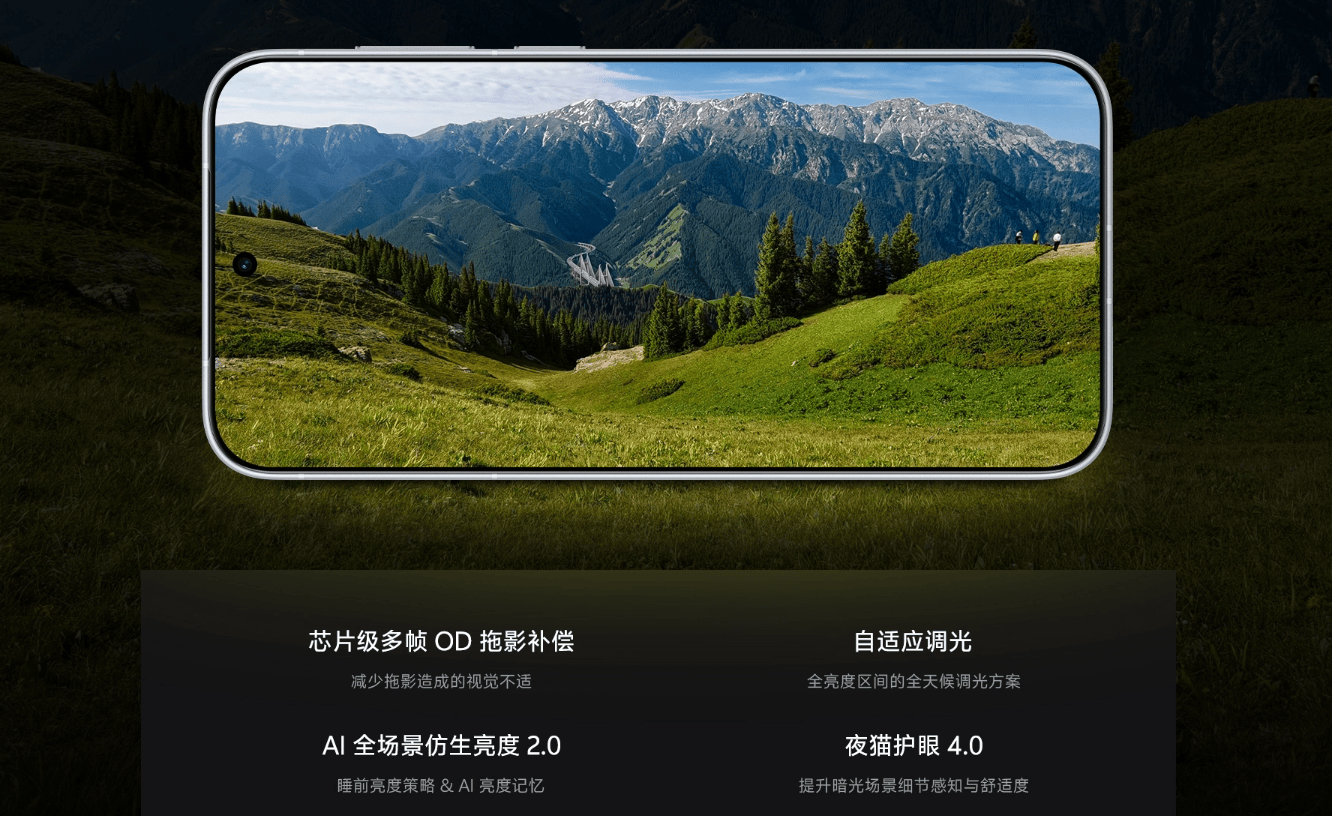
The local peak brightness is also higher on the Vivo X500 Pro Max. However, the HBM mode brightness is also similar, i.e., 2,000 nits. Both phones also support all high dynamic range formats, including Dolby Vision and HDR10+.
So, whether you want to use the phones for casual scrolling, editing content, or watching OTT web shows or movies, both should provide a similar experience that represents the best of flagship displays.
Also Read: Apple M5 vs Apple M6: What’s New?
Oppo Find X10 Pro Max vs. Vivo X500 Pro Max: Performance
| Spec | Oppo Find X10 Pro Max | Vivo X500 Pro Max |
| Chipset | MediaTek Dimensity 9600 Pro (2nm) | MediaTek Dimensity 9600 Pro (2nm) |
| CPU | Octa-core: 2 x 4.55 + 3 x 4.35 + 3 x 3.1 GHz | Octa-core: 2 x 4.55 + 3 x 4.35 + 3 x 3.1 GHz |
| GPU | Mali-G2-Ultra-NX | Mali-G2-Ultra-NX |
| RAM | 12GB / 16GB | 12GB / 16GB |
| Storage | 256GB / 512GB / 1TB, UFS 4.1 | 256GB / 512GB / 1TB, UFS 4.1 |
| RAM/storage combos | 12/256, 12/512, 16/512, 16/1TB | 12/256, 12/512, 16/512, 12/1TB, 16/1TB |
| Expandable storage | No | No |
This is one of the similarities that I was talking about earlier. Both manufacturers have transitioned from 3nm to 2nm fabrication technology, thanks to TSMC’s stable assembly lines. Both brands rely on MediaTek to provide cutting-edge chipset technology. I’m talking about the Dimensity 9600 Pro (2nm) chip.
Like other 2nm chipsets in flagship smartphones, this chipset is overkill for what you can do in such a restricted form factor. A prime example is how Apple based the MacBook Neo on a chip that previously powered an iPhone. Similarly, the Dimensity 9600 Pro (2nm) potentially has enough power to handle anything you can throw at a smartphone.
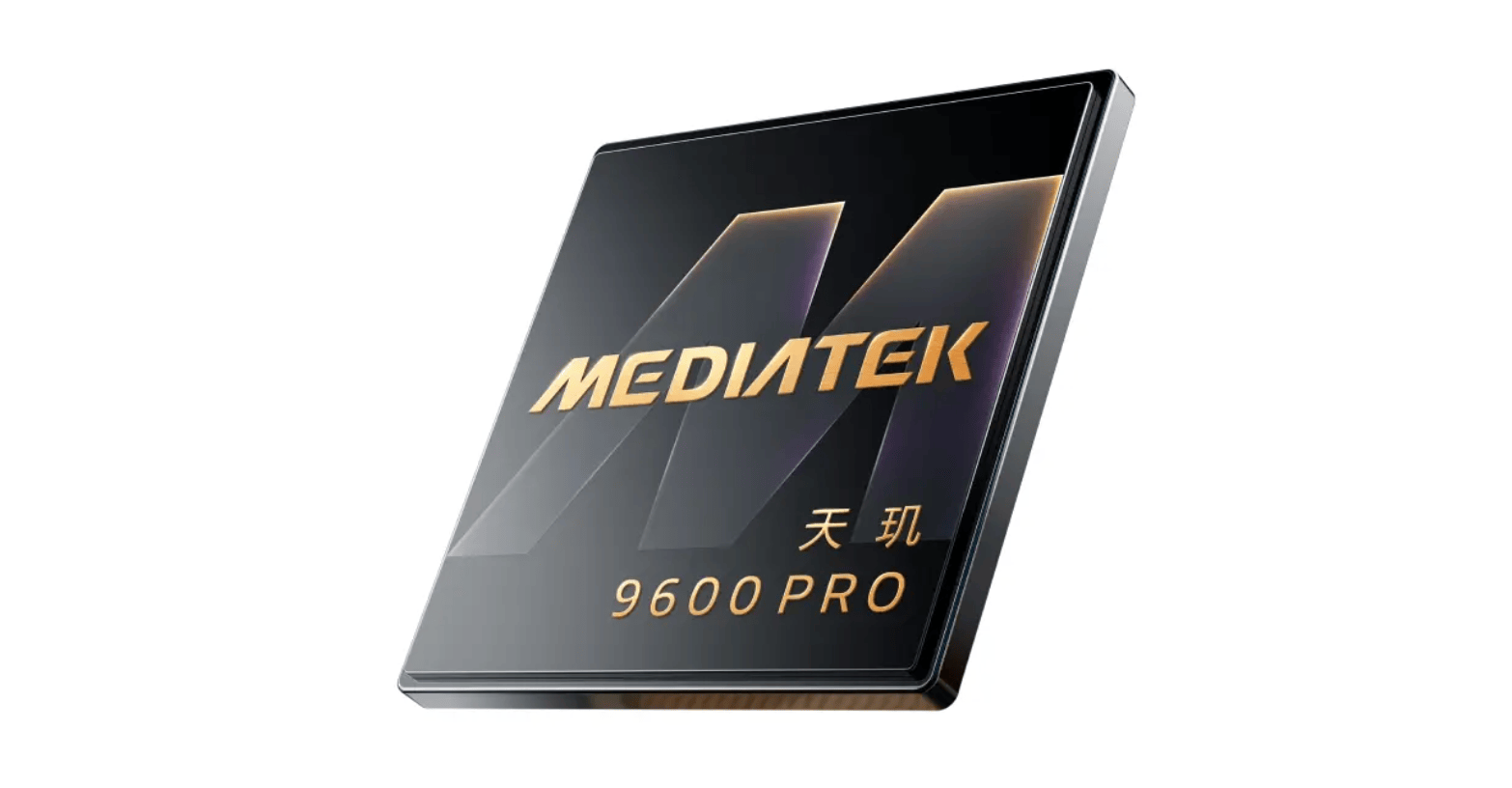
The CPU, GPU, and NPU are at the pinnacle of what smartphones can do. Built on TSMC’s N2P process with over 33 billion transistors, it uses a 2+3+3 all-big-core layout: dual Arm C2-Ultra cores at 4.55 GHz, three C2-Pro cores at 4.35 GHz, and three more at 3.1 GHz.
That delivers roughly 17% better single-core and 15% multi-core performance versus the previous generation, while slashing multi-core power draw by up to 61%. The Mali-G2 Ultra NX GPU jumps 27% in peak graphics with 18% faster ray tracing, and the NPU 1090 roughly doubles INT4 throughput while cutting always-on AI power by 40%, enough muscle for on-device models up to 30B parameters.
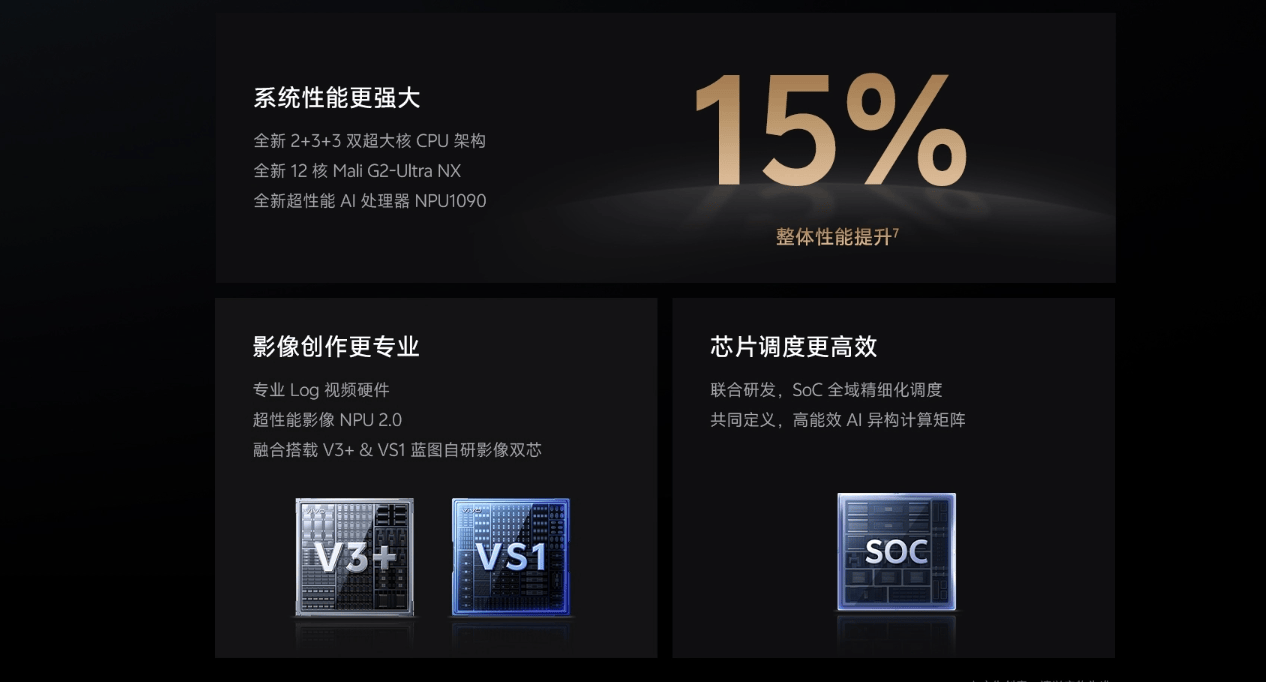
Pair that with LPDDR6 and UFS 5.0 support, and the CPU, GPU, and NPU sit firmly at the pinnacle of what smartphones can do. However, both phones still rely on LPDDR5X RAM and UFS 4.1 storage, something to keep in mind.
Oppo Find X10 Pro Max vs. Vivo X500 Pro Max: Software
| Spec | Oppo Find X10 Pro Max | vivo X500 Pro Max |
| OS out of box | Android 17 with ColorOS 17 | Android 17 with OriginOS 7 |
| Update commitment | 5 years OS updates, 6 years security patches | Up to 5 major OS updates (per vivo/GSMArena) |
| Standout features | AI Notes, AI Photo Editing, Oppo AI suite, Hasselblad tuning tools | Apple Watch/AirPods sync, Mac/iPad/Windows continuity, native iCloud access |
UI-based differences
ColorOS 17 leans into a refined Fluid Design language with luminous visual effects, elastic button feedback that stretches and rebounds under your finger, and a floating island navigation bar that sits transparently above content instead of hugging the bottom edge.
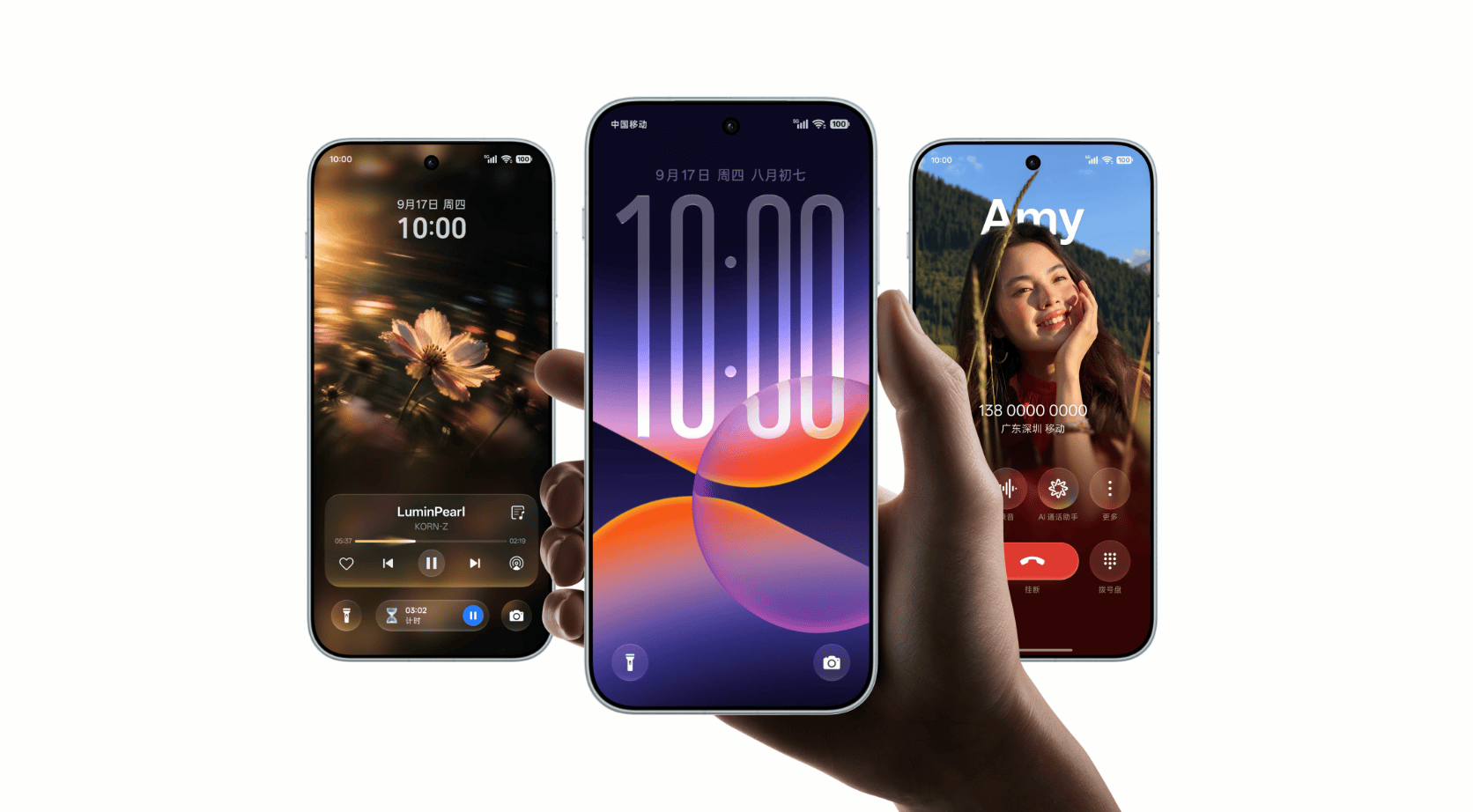
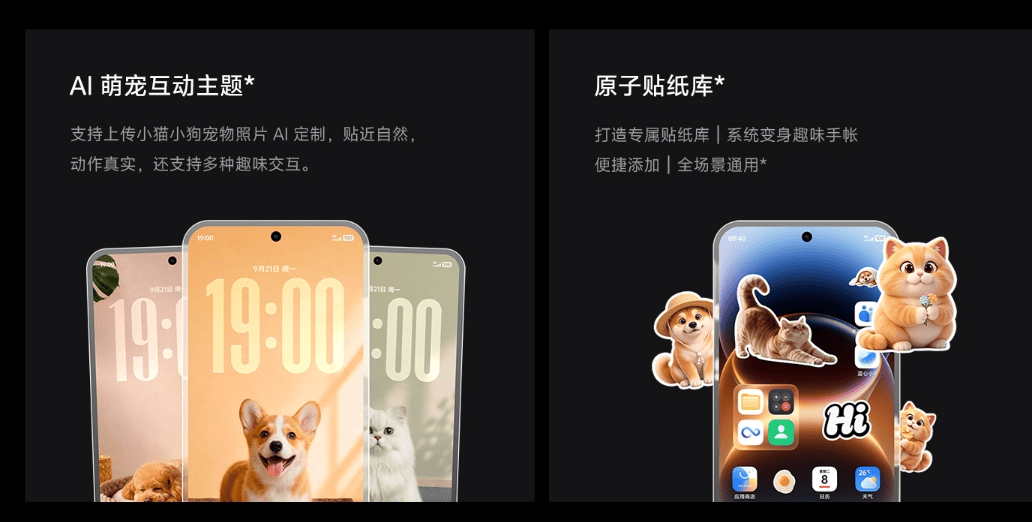
OriginOS 7, by contrast, goes further into expressive personalization. Its Liquid Glass-inspired surfaces, Dynamic Glow animations, and Fluid Motion let elements stretch, bounce, and merge with your gestures. Lock-screen and home-screen themes (Wiggle, Glint, Pet Pals) turn photos into interactive surfaces that react to tilt, touch, or even charging state.
Software-based features
ColorOS 17 focuses on refined daily efficiency, faster app switching, stronger background retention via its Tidal Engine, cleaner status-bar and control-center layouts, and smoother third-party app performance.
OriginOS 7 emphasizes deeper multitasking and broader ecosystem reach. Its Origin Workbench keeps up to five apps active in one workspace, while Office Kit delivers genuine continuity with Apple devices (Watch/AirPods pairing, Mac/iPad handoff, native iCloud access) alongside Windows support.
Also Read: Pixel 11 Pro XL vs. iPhone 17 Pro Max vs. Galaxy S26 Ultra: The Ultimate 2026 Flagship Comparison
AI-based tools
ColorOS 17 builds a cohesive Oppo AI suite around practical creation and safety: the Da Vinci-powered AI Photo Editor handles object removal, motion-blur fixes, and reference-image style transfer; AI Notes turns meetings into structured knowledge maps; and features like AI Call Assistant, anti-fraud detection, and real-time earphone translation keep the experience protective and productive.
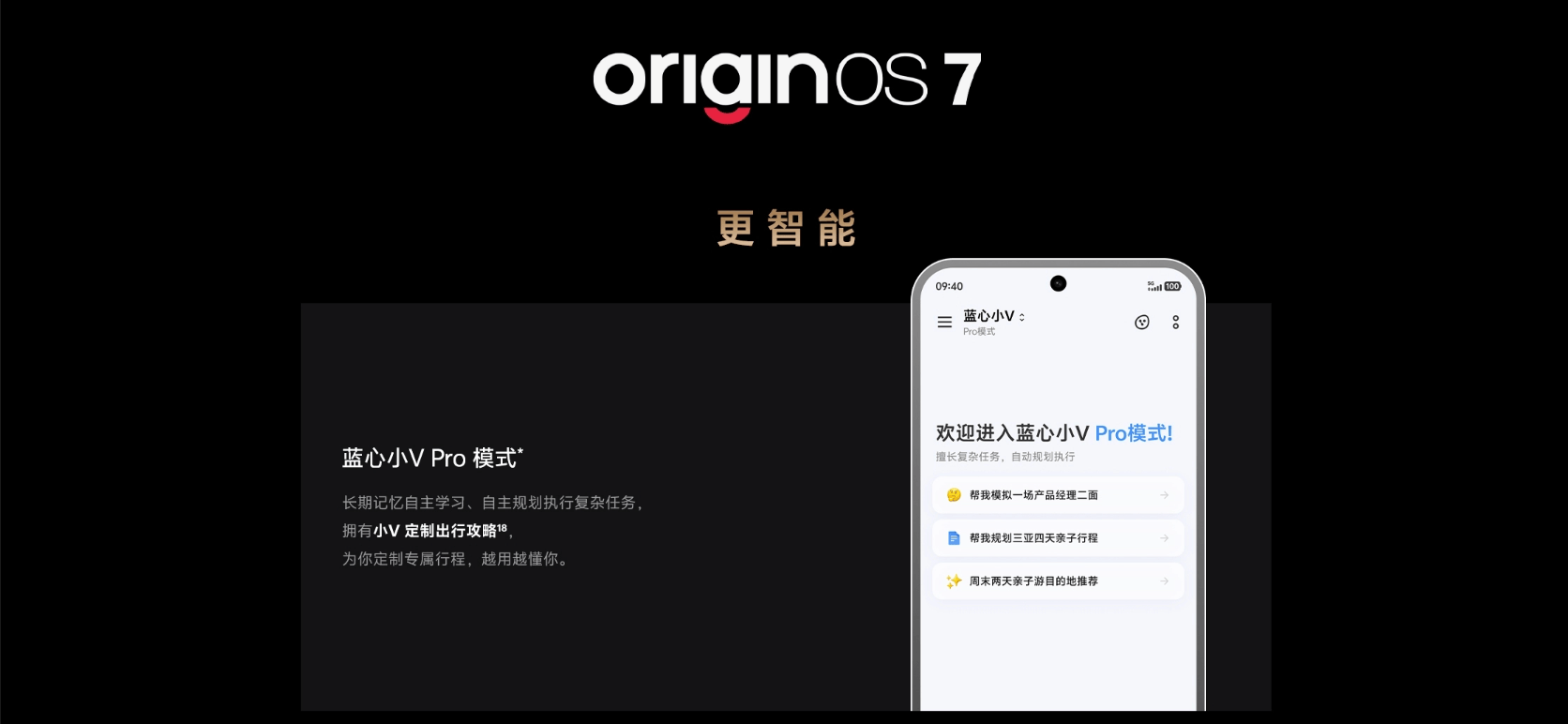
OriginOS 7’s Jovi (Blue Heart Little V) acts more like a proactive personal agent. It can execute multi-step, cross-device tasks; answer calls with live transcription; convert paper notes into editable documents via Snap Note; and surface files or calendar items through natural-language search, while also leaning into the Apple continuity strengths already baked into the OS.
Oppo Find X10 Pro Max vs. Vivo X500 Pro Max: Cameras
| Spec | Oppo Find X10 Pro Max | Vivo X500 Pro Max |
| Main | 200MP, f/1.5, 24mm, 1/1.3″ sensor, 0.6µm, OIS | 50MP, f/1.6, 24mm, 1/1.28″ sensor, 1.22µm, PDAF, OIS |
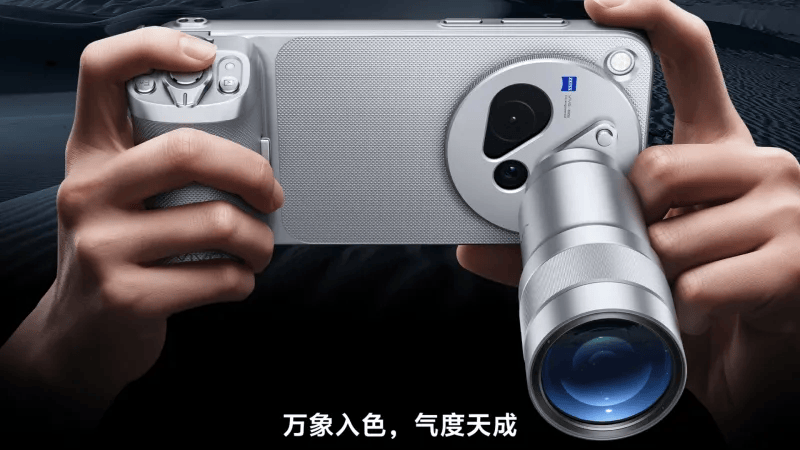
| Telephoto | 200MP periscope, f/2.1, 70mm, 1/1.56″ sensor, OIS, 3x optical, ~120x digital | 200MP periscope, f/2.7, 85mm, 1/1.4″ sensor, OIS, 3.5x optical, CIPA 7.0, optional 400mm Zeiss teleconverter |
| Ultrawide | 200MP, f/2.2, 13mm, 1/1.56″ sensor, 124° FOV | 50MP, f/2.0, 15mm, 119° FOV, 1/2.75″ sensor, AF |
| Extras | Hasselblad optics, LUMO imaging, 2nd-gen Danxia color lens, laser AF | Zeiss optics + T* coating, laser AF, color-spectrum sensor |
| Video | 8K@30fps; 4K up to 120fps; 1080p up to 240fps; Dolby Vision, 10-bit Log | 8K@30fps; 4K up to 240fps; 17EV TrueDynamic Log; Dolby Vision HDR; 10-bit 4:2:2 APV |
When it comes to cameras, the two phones take fundamentally different approaches rather than one simply “winning” on paper. The Find X10 Pro Max’s primary sensor delivers four times the resolution and a slightly brighter f/1.5 aperture, which helps in detail retention and low-light gathering on the main lens.
However, the Vivo’s 1/1.28″ LOFIC sensor is physically larger with significantly bigger 1.22µm pixels, giving it an inherent advantage in dynamic range (both claim ~17EV) and noise control.
On the telephoto, the sensors are closer in resolution, but the X500 Pro Max uses a larger 1/1.4″ unit and a longer 85mm/3.5x optical reach, which is more natural for portraits and distant subjects. The Find X10 Pro Max counters with a brighter f/2.1 aperture, stronger CIPA 7.5 stabilization in some ratings, and true 10cm telemacro.
Both support high hybrid zoom (around 100–120x) and optional external teleconverter kits for enthusiasts.
The ultrawide is where the Find X10 Pro Max pulls clearly ahead: a full 200MP sensor that is physically larger than Vivo’s 50MP unit, paired with a wider 124° field of view. Both phones record 8K at 30fps and support Log + Dolby Vision HDR, but the X500 Pro Max edges ahead in video flexibility with native 4K/240fps slow-motion and more advanced 10-bit 4:2:2 APV tools.
| Spec | Oppo Find X10 Pro Max | Vivo X500 Pro Max |
| Sensor | 50MP, f/2.0, 18mm, 1/2.76″ sensor, PDAF | 50MP, f/2.0, 20mm, 1/2.76″ sensor, AF |
| Video | 4K@60fps, 1080p@60fps, HDR | 4K@30/60fps, 1080p@30/60fps |
Front cameras provide a similar experience on the phones, at least on the hardware side.
Oppo Find X10 Pro Max vs. Vivo X500 Pro Max: Connectivity
| Spec | Oppo Find X10 Pro Max | Vivo X500 Pro Max |
| Wi-Fi | Wi-Fi 7, dual/tri-band, Wi-Fi Direct | Wi-Fi 7, dual-band |
| Bluetooth | 6.2 — A2DP, LE, aptX HD, LHDC 5 | 5.4/6.0 — A2DP, LE, aptX HD, LHDC 5 |
| NFC | Yes | Yes |
| Infrared blaster | Yes | Yes |
| USB port | USB-C 3.2, OTG | USB-C 3.2, OTG |
| 5G | SA/NSA (no mmWave) | SA/NSA (no mmWave) |
| Positioning | GPS, BDS, Galileo, QZSS, GLONASS, NavIC | GPS, GLONASS, BDS, Galileo, QZSS, NavIC |
| Satellite | 1TB/16GB variant only | 1TB/12GB China variant only |
| Speakers | Stereo | Stereo; 24-bit/192kHz Hi-Res Audio certified |
| 3.5mm jack | No | No |
Also Read: Samsung Galaxy Z Fold 8 Ultra vs. Z Fold 7: The Definitive Foldable Flagship Comparison For India
Oppo Find X10 Pro Max vs. Vivo X500 Pro Max: Battery Life & Charging
| Spec | Oppo Find X10 Pro Max | Vivo X500 Pro Max |
| Capacity | 8,000mAh (Global/China) / 7,150mAh (EU-spec) | 8,000mAh (China-spec) / 7,800mAh reported outside China |
| Chemistry | Silicon-carbon (Si/C) Li-Ion | Silicon-carbon (Si/C) Li-Ion |
| Wired charging | 80W | 90W |
| Wireless charging | 50W | 40W |
| Reverse charging | 10W reverse wireless | Reverse wired + reverse wireless |
The Chinese variants of both phones feature an 8,000 mAh battery, both of which rely on silicon-carbon battery tech. Wired and wireless charging speeds differ slightly. The X500 Pro Max supports faster wired charging speeds, while the Find X10 Pro Max supports slightly faster wireless charging.
Also Read: Moto Edge 70 Max vs. vivo X200T: Which Is The Better ₹60,000 Premium Mid-Range Android Phone?
Oppo Find X10 Pro Max vs. Vivo X500 Pro Max: Final Verdict
Oppo Find X10 Pro Max
| Consider it for | Think twice if |
| Matched 200MP sensors on all three rear cameras | You need it outside China now; no confirmed global launch |
| Faster wireless charging (50W vs 40W) | Long zoom matters, 3x optical trails vivo’s 3.5x, no teleconverter option |
| Firmer update promise (5yr OS + 6yr security) | Wired charging trails vivo (80W vs 90W) |
| Slightly cheaper entry price, fuller mid-tier storage ladder | Peak brightness trails vivo (3,600 vs 4,400 nits) |
| Includes a barometer | No published EU battery endurance rating yet |
Vivo X500 Pro Max
| Consider it for | Think twice if |
| Longer telephoto reach (3.5x optical, larger 1/1.4″ sensor) + optional 400mm teleconverter | You need it outside China now; no confirmed global launch |
| Faster wired charging (90W vs 80W) | Main/ultrawide are 50MP vs Oppo’s matched 200MP sensors |
| Higher claimed peak brightness (4,400 vs 3,600 nits) | Wireless charging trails Oppo (40W vs 50W) |
| Published EU-tested battery endurance (72h05m) | Only base + top storage tier pricing confirmed so far |
| Deeper video toolkit (4K@240fps, 10-bit 4:2:2 APV) | Shorter stated update commitment vs Oppo |

You can follow Smartprix on Twitter, Facebook, Instagram, and Google News. Visit smartprix.com for the latest tech and auto news, reviews, and guides.