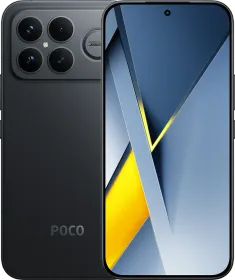




What’s so special about dual camera technology that most smartphone manufacturers are going gaga over it? Is it just a passing fad or going forward it will become a mainstream feature just as, say, a fingerprint sensor? It’s clear that the smartphone industry is clearly very upbeat about dual cameras. Irrespective of how much value they add, they certainly qualify as a tangible marketing advantage.
The dual camera setup was first introduced by HTC back in 2011 when they introduced Evo 3D smartphone. In last 6 years, technology has evolved many folds and three different implementations have emerged prominent, and these are the ones manufacturers will be building on and perfecting over the next few generations. Let’s check them out.
Also Read: What You Should Know Before You Hunt The Best Camera Smartphone

So, What is a Dual Camera setup?
Traditionally, a smartphone camera consists of a single camera system that’s fitted with an image sensor, lens assembly, and at times, optical image stabilization motor. Lately, however, to counteract photography constraints in single sensors, manufacturers have started using 2 camera systems (placed horizontally or vertically, on the front or on rear).
The software is of utmost importance here as it stitches feeds from two camera sensors for additional features. For instance, the shallow depth of field effect that is otherwise implemented using wide aperture lenses can be executed by measuring the depth of field and blurring the background using a simple dual camera setup (more on that in a bit).
Different Implementations of Dual Cameras
There is no one ideal way to implement Dual Cameras. As we stated above, different brands choose different ways to implement them. At present, smartphone makers tend to use either one of these four types of dual camera implementations.
Telephoto Lens

That’s how Apple’s sees and uses dual camera technology. To achieve optical zoom without a protruding lens, Apple in the iPhone 7 Plus uses a telephoto lens on the second rear sensor. Telephoto lens with their higher focal length is ideal for zooming in on the subjects without loss of details. Recently launched OnePlus 5 (review) also uses a similar setup to offer 1.6X optical zoom.
Also Read: Oppo Presents First Camera Module With 5X Lossless Optical Zoom
Wide-angle lens

LG’s view and implementation of dual camera setup is different from Cupertino giants. LG, starting with the G5, decided to go for a fisheye lens in the secondary camera which helps it cover wider canvas from just a few feet away.
This is also what Oppo uses on the front in its selfie experts like F3 and F3 Plus to capture Groupies.
RGB + Monochrome

Huawei seems to be the frontrunner when it comes to this type of dual camera system. Here an RGB is combined with a Monochrome sensor and together they are used to capture more light for better details and contrast, thus boosting low light performance significantly.
If done right, this can be of great use for enhancing budget camera performance as was the case with the Cool 1 Dual.
Also Read: Amazing Smartphone Technologies Presented At MWC 2017
Basic Dual Lens

This is most common and basic dual camera implementation in the market today. Most budget Dual camera smartphones use two basic sensors with similar or lower resolution. In these phones’ secondary camera is used to sense the depth of field to differentiate image subject from image backdrop.
It must be noted that most dual cameras phones, irrespective of the implementation type can achieve this. Many phones even attempt this with just a single camera and software (not with much success, though).
Most dual selfie phones follow the same approach to achieve blurred background selfies or to facilitate refocusing post clicking images.

Are Dual Camera phones better than Single Camera phones?
Even today, best-rated smartphone cameras – be it HTC U11, Samsung Galaxy S8 and Google Pixel – use a single camera module. Having said that, the dual cameras are much more than just a gimmick. The dual camera setup proves more useful in the budget range where manufacturers can’t afford to put in the best available sensors. Even though it appears otherwise, Dual camera performance is more of a function of software than hardware and they will keep getting better with time.
Also Read: Best Dual Camera Smartphones Under 20,000 INR
Looking for a dual camera phone?
Dual Camera smartphones are available across a wide price gamut. Follow this link to find out more about all available and upcoming dual camera smartphones in India and abroad.
Also Read: OnePlus 5 Reading Mode: Quick Guide On How To Get In All Smartphones