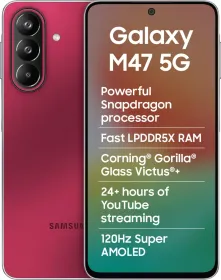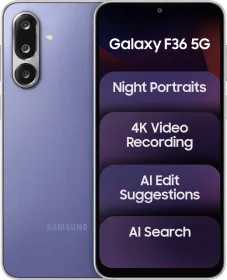



A week is all it took. The Samsung Galaxy M47 5G went on sale in India on July 4 at an effective price of ₹22,999 for the base 6GB/128GB variant. As of July 11, that same phone is listed on Amazon India for ₹32,999. That’s a straight ₹10,000 jump if you compare the coupon-discounted launch price to what it costs today, or ₹7,000 if you’re comparing sticker prices.
The higher-end variants got hit even harder. Both the 8GB/128GB and 8GB/256GB models are now ₹8,000 more expensive than they were on launch day.

Samsung hasn’t explained the increase, and the timing is what makes it sting. This isn’t a phone that’s been sitting on shelves for a year while component costs quietly crept upward. It’s eight days old.
| Variant | Launch Price | Sticker Price | Currently Listed Price | Increase |
|---|---|---|---|---|
| 6GB + 128GB | ₹23,999 | ₹25,999 | ₹32,999 | ₹7,000 |
| 8GB + 128GB | ₹26,999 | ₹28,999 | ₹36,999 | ₹8,000 |
| 8GB + 256GB | ₹31,999 | ₹33,999 | ₹41,999 | ₹8,000 |
My source tells me Samsung was working with roughly a 6% margin on that ₹22,999 launch deal. Run the numbers backward and that puts the retailer’s cost basis for the base variant somewhere around ₹21,700.

If that wholesale cost hasn’t actually moved in the past week, and Samsung is simply charging more at retail, the math changes dramatically. At ₹32,999, the same base variant starts carrying margins north of 50%.

To be fair, we don’t have Samsung’s actual wholesale invoice, so treat this as informed estimation rather than confirmed accounting. But the size of the gap alone tells you the launch price was never really cost-plus-margin pricing.
The memory crisis is real. It doesn’t explain this one.

There is a real story behind smartphone price hikes in India right now, and it isn’t unique to Samsung. DRAM and NAND prices have surged throughout 2026 because AI data centers are consuming the same memory supply that smartphones depend on. Samsung, SK Hynix, and Micron have all shifted production toward higher-margin server and AI memory, leaving less supply available for consumer devices.
Nothing’s CEO Carl Pei has publicly warned that memory module costs could rise 5X by the end of the year, and brands are choosing between raising prices or cutting specs to cope.
OnePlus, vivo, realme, Xiaomi, and Motorola have all raised prices across multiple products over the past several months because of it. In some cases, they’ve done it more than once. The OnePlus 15R alone has seen three separate price increases in five months.

That’s what makes price hikes on older phones understandable. A company that finalized pricing six months earlier genuinely couldn’t know where memory costs would land by mid-2026.
Samsung’s M47 doesn’t get that excuse. The phone launched on July 4, 2026, right in the middle of this memory crunch, at a price Samsung itself chose with full visibility into component costs that week.
Raising the price eight days later doesn’t look like a company responding to a cost shock it didn’t see coming. It looks like a company that already knew what the phone needed to cost and chose to advertise a lower number anyway, just long enough to get positive coverage and pull in early buyers during Amazon’s Prime Day sale window.

You can follow Smartprix on Twitter, Facebook, Instagram, and Google News. Visit smartprix.com for the latest tech and auto news, reviews, and guides.