

TL; DR
- PxE’s HoloCoder claims up to 2.5x more light for phone sensors.
- Metalenz acquired PxE; consumer devices are expected late 2027 or early 2028.
- No phone maker has confirmed it, and the 2.5x claim lacks published tests.
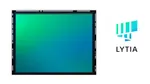
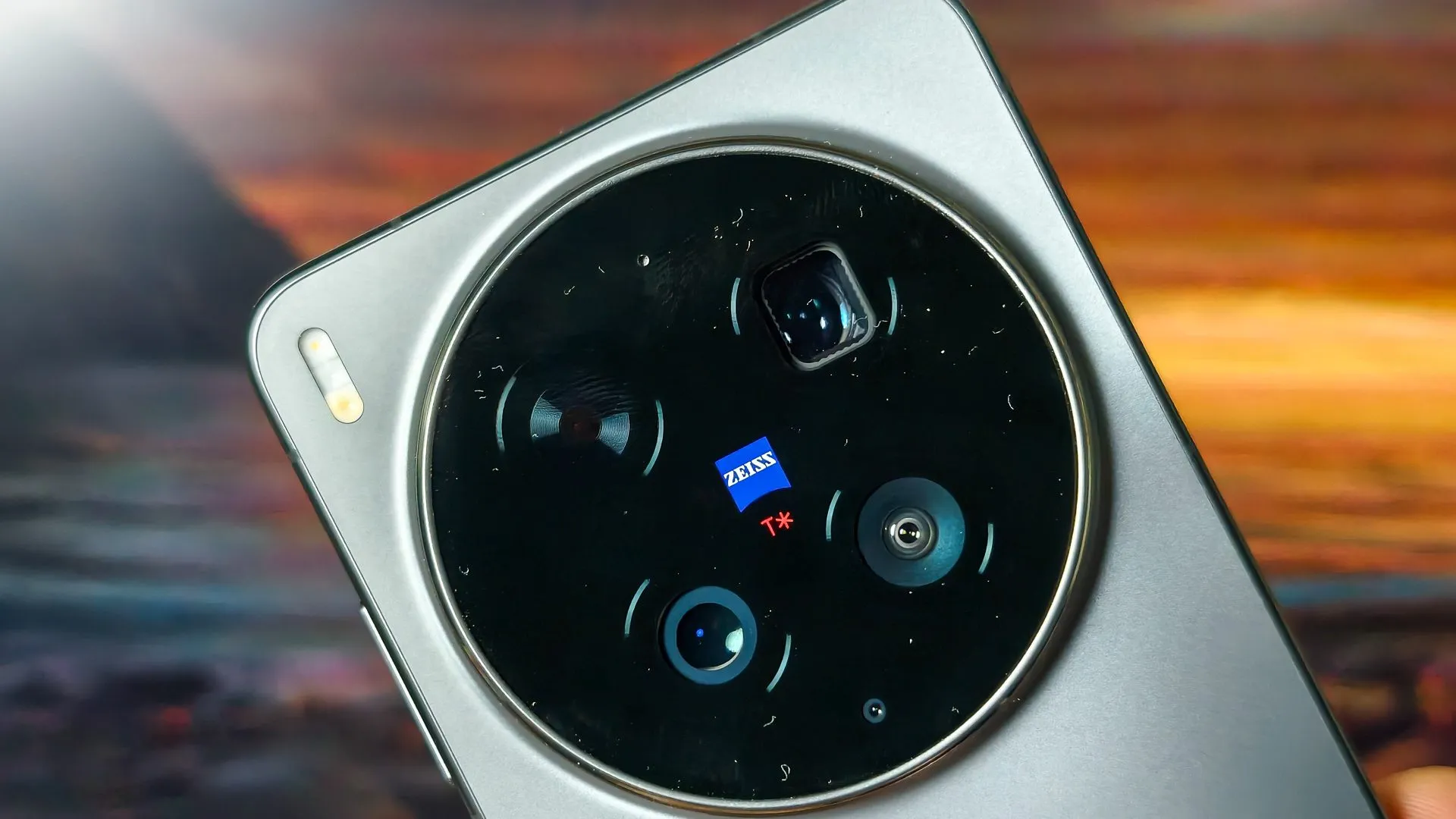
Phone makers put all their effort into selling bigger sensors, ones with an exceptionally high number of megapixels, along with longer zoom ranges (often with the help of AI upscaling). However, the underlying sensor technology that they use is one old part that keeps swallowing light that could otherwise improve the pictures.
This week, a Boston-based company made an effort to fix that, and that is exactly what we’ll discuss in this article.

Also Read: Nothing A036 Leak: A Third Unreleased Phone Signals Comparatively Bigger 2027 Lineup
What Is HoloCoder And How Can It Improve Smartphone Cameras?
HoloCoder is a sensor technology from PxE Holographic Imaging. The Boston-based company I mentioned earlier, Metalenz, has just acquired it. Now, to the main bit: PxE claims it lets a sensor collect up to 2.5 times more light than the usual sensors in our smartphones, without increasing sensor size.
Most phone sensors use a Bayer filter, which is a grid of red, green, and blue tiles. It works, but it blocks light of the other colors. As a result, it loses about 60% of the light. HoloCoder replaces that grid with a microscopic optical layer that lets each color of light pass through to the right pixel.

| Bayer filter (most phones today) | HoloCoder (as claimed) | |
| Handling of color | Blocks light of other colors | Steers each wavelength to its pixel |
| Light lost | About 60%, per the reports | Up to 2.5x more light collected |
| Depth data | Needs separate hardware | Same sensor |
| Phones using it | Most | None confirmed |
Also Read: Next Honda CR-V Goes Hybrid-Only In America; Same Model Could Mark Nameplate’s Return To India

Will This Show Up In The Phone I Buy?
The captured data is then decoded into a photo. The result is a sensor that can capture far more light under all conditions. Ultimately, the higher amount of light should result in cleaner, brighter images, especially in low-light conditions, without the need to equip a smartphone with a large or bulky sensor.
The same sensor can reportedly capture 3D depth too, which could retire separate depth-sensing hardware.
Metalenz actually expects HoloCoder to be ready for smartphones by late 2027 or early 2028. Further, no phone maker has actually confirmed using the new sensor technology.

You can follow Smartprix on Twitter, Facebook, Instagram, and Google News. Visit smartprix.com for the latest tech and auto news, reviews, and guides.