


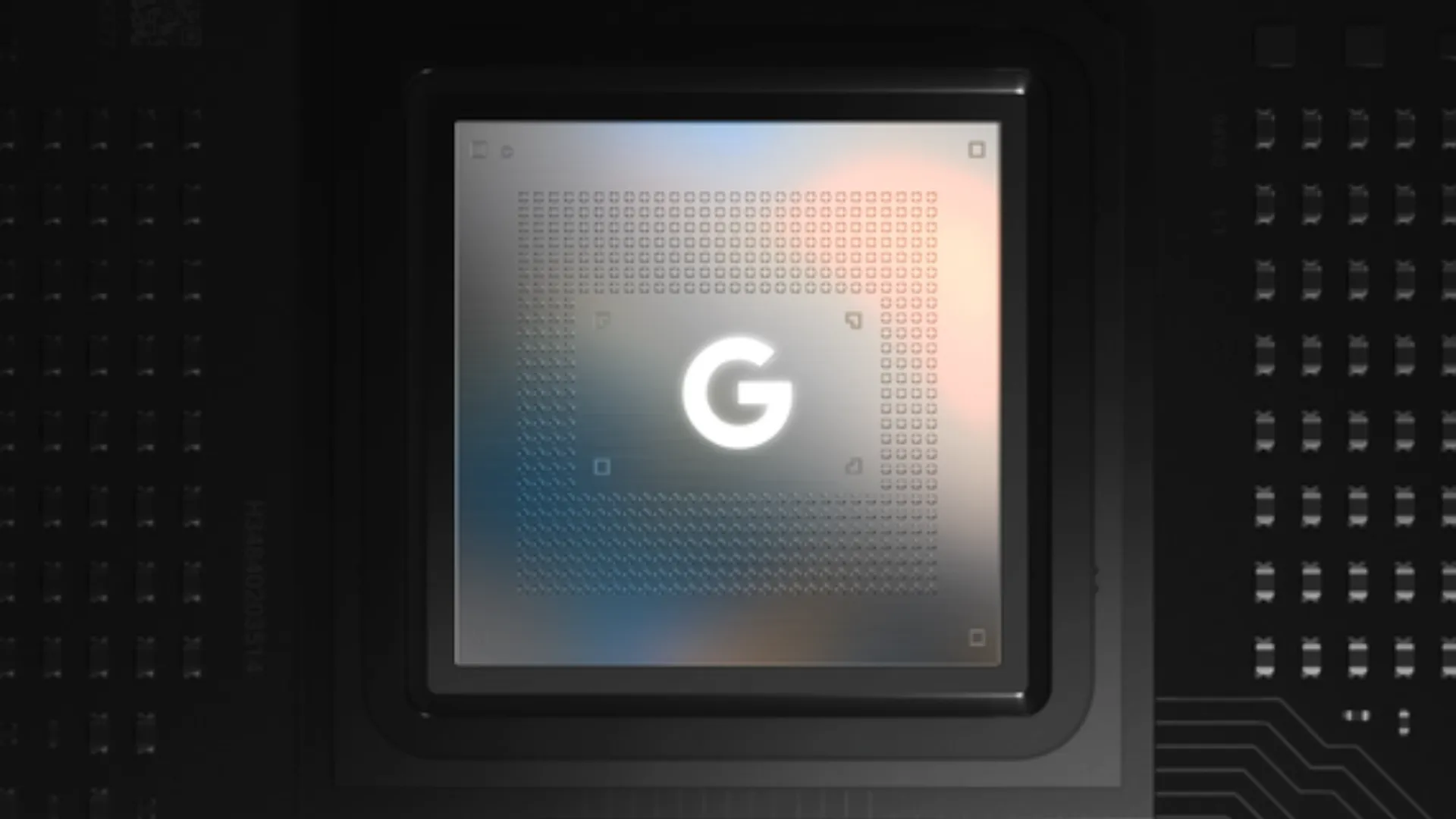
The Tensor lineup has struggled to meet expectations since its debut, with performance and efficiency issues blamed on Samsung’s chip manufacturing process. Using Samsung’s 5nm and 4nm nodes for previous Tensor chips resulted in overheating, power inefficiency, and weaker performance compared to rivals like Apple’s A-series and Qualcomm’s Snapdragon chips.
This reputation of lagging behind has been a persistent criticism for Google, but it seems the company is ready to rectify past mistakes with the upcoming Tensor G5. A recent Google gChips leak shared by Android Authority reveals that the Tensor G5, codenamed “Laguna,” will be the first Tensor to use TSMC’s process node.
TSMC on Tensor, finally
It will be built on TSMC’s 2nd-generation 3nm process (N3E), moving away from Samsung’s nodes in a bid to improve efficiency and performance. This upgrade will power the Pixel 10, scheduled for a 2025 release. The Tensor G6, with the codename “Malibu,” will follow suit using TSMC’s 3rd-generation 3nm process (N3P), also expected to be seen in Apple’s next A19 and A19 Pro.
ALSO READ: Pixel 9 Pro XL Review: Google’s AI-Powered Flagship Charts a New Course
Not so exciting CPU
In terms of architecture, the Tensor G5 will see very minor changes. It will retain the single Cortex-X4 core, while boosting the number of Cortex-A720 cores to five, up from three in the Tensor G4. The rest of the architecture will include 2x Cortex-A520 cores.
Despite these upgrades, expectations for a major leap in raw CPU power should be tempered, as this setup will likely place it behind competitors like the Snapdragon 8 Elite and Dimensity 9400 in both single-core and multi-core performance.
ALSO READ: Pixel 9a Leaks Reveals Design Changes; Release By The End of 2024
A brand-new GPU
A major overhaul is also happening in the GPU department, as Google shifts away from Mali GPUs to a new Imagination Technologies DXT-48-1536 dual-core GPU, running at 1100 MHz. This will bring support for ray tracing and GPU virtualization, a first for Tensor chips.
However, given the newness of the GPU to the market, how well it will compete with Adreno or Mali GPUs is still unclear. Developers have to be willing to optimize their apps and games for the new GPU.
14% better AI performance? That’s it?
The new TPU on the Tensor G5 will offer 18 / 9 TOPS, which is a 40% boost over the G4, at least one paper. In benchmarks though, this translates to a mere 14% boost over the Tensor G4. The Tensor G5 will also support on-device training and incorporate embedded RISC-V code to enhance performance.
The Tensor G5 will be larger than its rivals, with a die size of 121 mm² compared to the Apple A18 Pro’s 105 mm², and will use LPDDR5X-8533 memory along with an 8 MB SLC cache.
ALSO READ: Pixel 9a is Indeed Getting Rid of the Iconic Camera Visor
Tensor without overheating is coming
Although the raw specs might not place it as a top contender against Apple and Qualcomm, shifting to TSMC’s superior node is a step in the right direction, aiming to fix the overheating and inefficiency issues that have plagued Tensor chips in the past. Finally, we’ll have to see how the Tensor G5 performs in the real world before drawing any conclusions.
You can follow Smartprix on Twitter, Facebook, Instagram, and Google News. Visit smartprix.com for the latest tech and auto news, reviews, and guides.