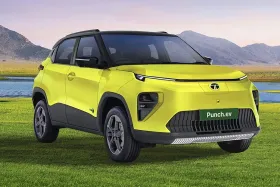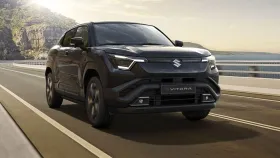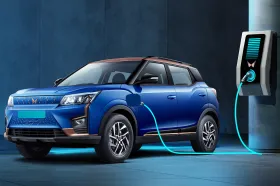


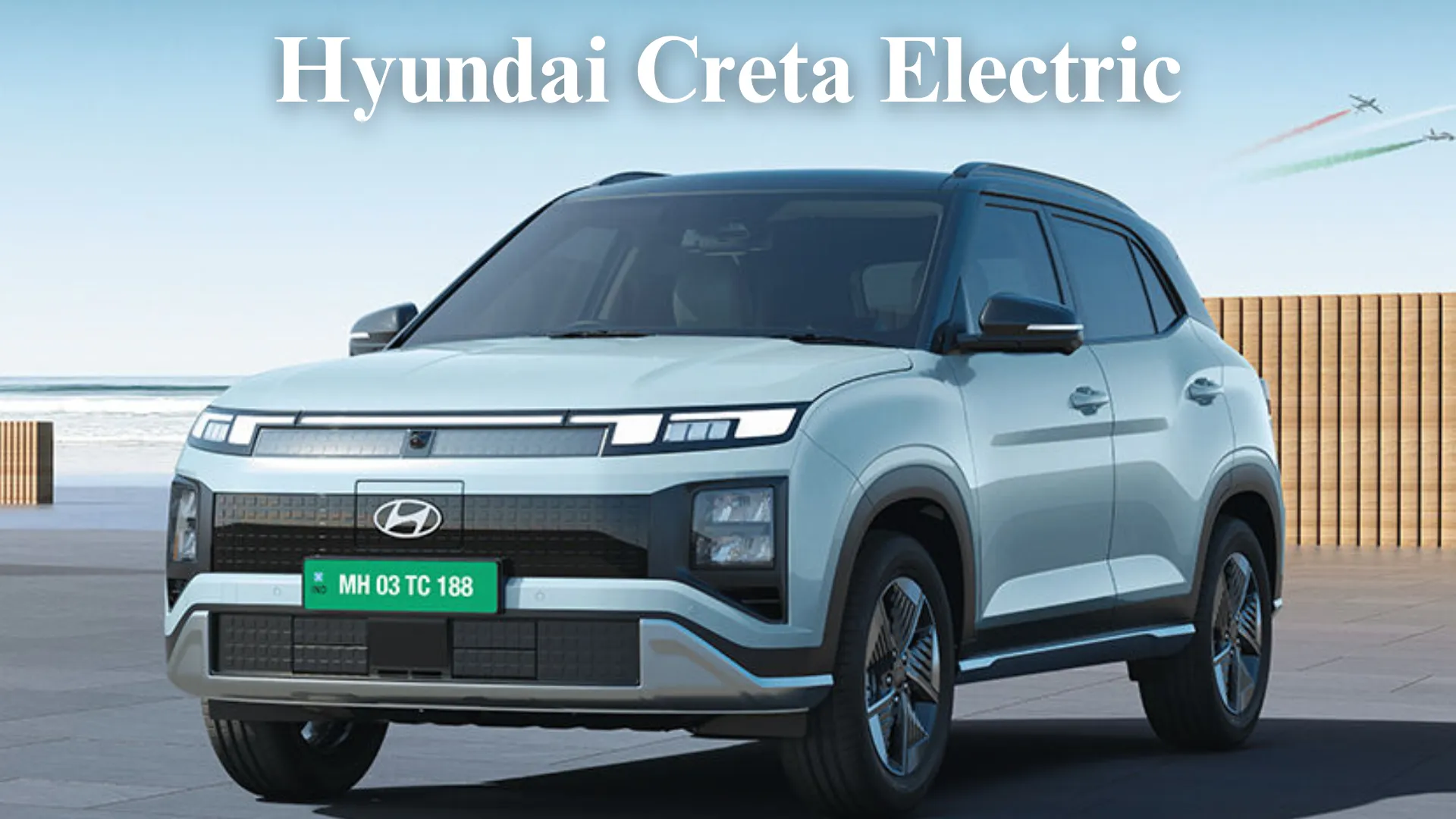
To everyone’s surprise, Hyundai India announced the Creta EV ahead of the Bharat Mobility Global Expo 2025. In fact, the vehicle’s bookings are live now, wherein interested buyers can secure a unit by paying a token amount of Rs. 25,000. To learn more about the vehicle, check out our launch story for Creta Electric.
Now that we know enough details about the Creta Electric, here’s a brief comparison focused on its battery pack and range. We’ve compared the vehicle with what we think are its competitors in the Indian market, including the Tata Curvv EV, Mahindra’s latest electric SUVs, the MG ZS EV, and the soon-to-launch Maruti eVitara.
Also Read: Kia Syros Bookings Open Soon: Check Booking Time, Amount, And Delivery Timeline Here
Hyundai Creta Electric vs. Competition: Primary Battery Specs
| Hyundai Creta Electric | Mahindra BE 6 | MG ZS EV | Tata Curvv EV | Maruti e-Vitara (based on Urban Cruiser EV) | Mahindra XEV 9e | |
| Short-Range Battery Capacity | 42 kWh | 59 kWh | 50.3 kWh (one variant only) | 45 kWh | 49 kWh | 59 kWh |
| Claimed Range | 390 km | 535 km | 461 km | 502 km | N.A. | 542 km |
| Long-Range Battery Capacity | 51.4 kWh | 79 kWh | N.A. | 55 kWh | 61 kWh | 79 kWh |
| Claimed Range | 473 km | 682 km | N.A. | 585 km | Up to 550 km (rumored) | 656 km |
Also Read: ADAS: Is The Latest Safety Tech Ready For Indian Roads?
Hyundai Creta Electric vs. Competition: Short-Range Version

Almost all the electric vehicles in the segment offer two variants: a short-range variant with a smaller battery and a long-range version with a larger battery pack. The only exception to this is the MG ZS EV.
Out of the six vehicles in the comparison, the Mahindra BE 6, and the XEV 9e have the largest battery packs: 59 kWh. Since the vehicles differ in size and weight, there’s a difference in the claimed range. The lighter and smaller BE 6 has a higher claimed range of 682 km, while the larger XEV 9e claims to offer up to 656 km of range on a single charge.
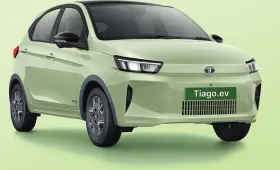
It is the MG ZS EV that takes the second place. The vehicle has a 50.3 kWh battery pack and a claimed range of 461 km. While the Tata Curvv EV closely follows a 45 kWh battery pack and a claimed range of 430 km, the short-range version of the Creta EV is equipped with a 42 kWh battery pack that offers up to 390 km of range.
Customers need to remember that these are the claimed range numbers. The actual range they get in real life could differ by a significant margin (mostly less than the claimed range).
Also Read: Kia Syros vs. Siblings: Where Does The New Vehicle Stand Against Sonet And Seltos?
Hyundai Creta Electric vs. Competition: Long-Range Version

The long-range version is a similar story, with the latest Mahindra eSUVs leading the segment (with a 79 kWh battery) and Tata Curvv EV securing the second spot (since we aren’t sure about the eVitara’s claimed range). The Hyundai Creta Electric comes with a 51.4 kWh battery pack and a 472 km claimed range, which is less than that of the competition.
Mahindra’s electric SUVs, which seem to be leading the segment, use BYD’s blade cell technology on their battery packs. Even though the BE 6 has an ARAI-certified range of 682 km, Mahindra says that it has tested the battery pack in real-world conditions, and the vehicle can offer around 500 km of range with air conditioning enabled.
Even the long-range version of the Tata Curvv EV, which has a 55kWh battery pack that claims to offer a range of 585 km, Tata’s C75 testing points toward a real-world range of around 400 to 425 km.
Based on the trend in the EV market, the Hyundai Creta Electric seems to lack on the range part. Unless the company manages to get the real-world range numbers close to the available numbers, there might be a huge gap between the vehicle and the other long-range variants in the segment. More details about the vehicle should surface in the upcoming days.
You can follow Smartprix on Twitter, Facebook, Instagram, and Google News. Visit smartprix.com for the latest tech and auto news, reviews, and guides.