

TL; DR
- Hyundai’s Bayon slots between the Venue and Creta, expected to launch around Diwali at ₹9-14 lakh.
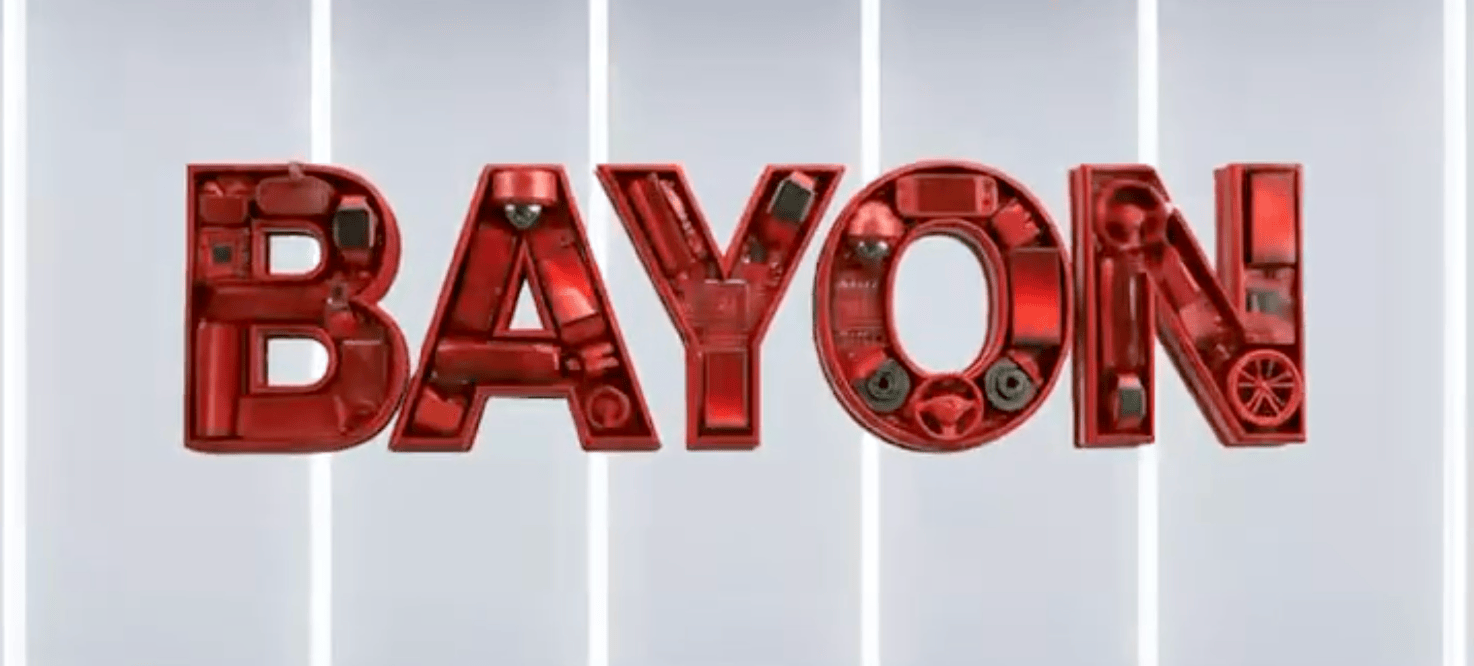
- Confirmed H-Edge lighting and a next-gen i20-inspired cabin lead the design story so far.
- A 1.5L petrol engine with a CNG option is expected, potentially Hyundai’s first CNG SUV over 4m.
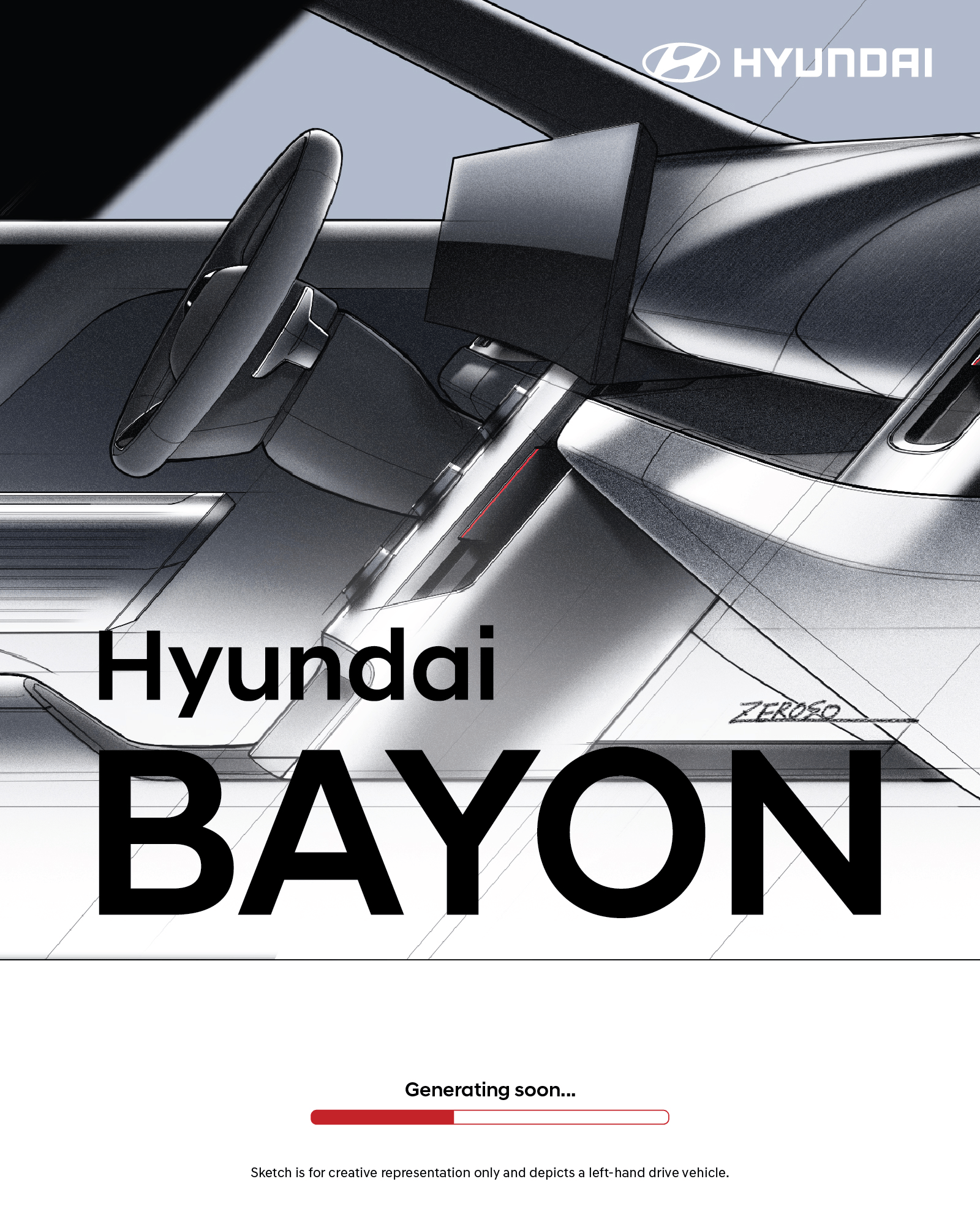
To regain market share and strengthen its position in India, Hyundai India is rolling out a new nameplate after a long hiatus. As we inch closer to the Indian festive season, we are also inching closer to the Indian launch of the India-bound Bayon-based SUV, which will sit proudly between the Venue and the Creta in both size and price.
To build up hype around the launch, Hyundai has been teasing the purported SUV. With a couple of teasers already out, there’s plenty to explore about the upcoming Hyundai Bayon. So, without further ado, let’s dive in.
Why Does The Bayon Exist, And Where Does It Fit In The Indian Market?
What makes the Bayon special is that it isn’t arriving to replace anything already on Indian roads. As I said earlier, the company wants to position the SUV between the Venue (sub-4-meter) and Creta (4.3-meter), essentially mirroring the two-SUV portfolio strategy in the midsize segment, something Maruti already practices with the Victoris and Grand Vitara.
Rather than tarnishing the Creta’s premium image by offering it with CNG, Hyundai is building a more value-focused SUV to target fuel- and price-conscious buyers. Meanwhile, the Hyundai Creta is rumored to get a strong-hybrid powertrain with its next major generation upgrade (sometime in 2027).
| Positioning Detail | Status |
| Segment slot | Between Venue and Creta |
| Strategic parallel | Similar to the Victoris / Grand Vitara split at Maruti |
| Length | Expected 4.2–4.3 meters |
| Launch timing | Festive season, likely October, around Diwali |
| Markets it targets | Value-focused midsize SUV buyers, CNG seekers |
Also Read: Tata Punch Is The Best-Selling Car In India Right Now: Top 10 Cars, According To Sales Figures
Exterior: Confirmed Design Language, Unconfirmed Dimensions
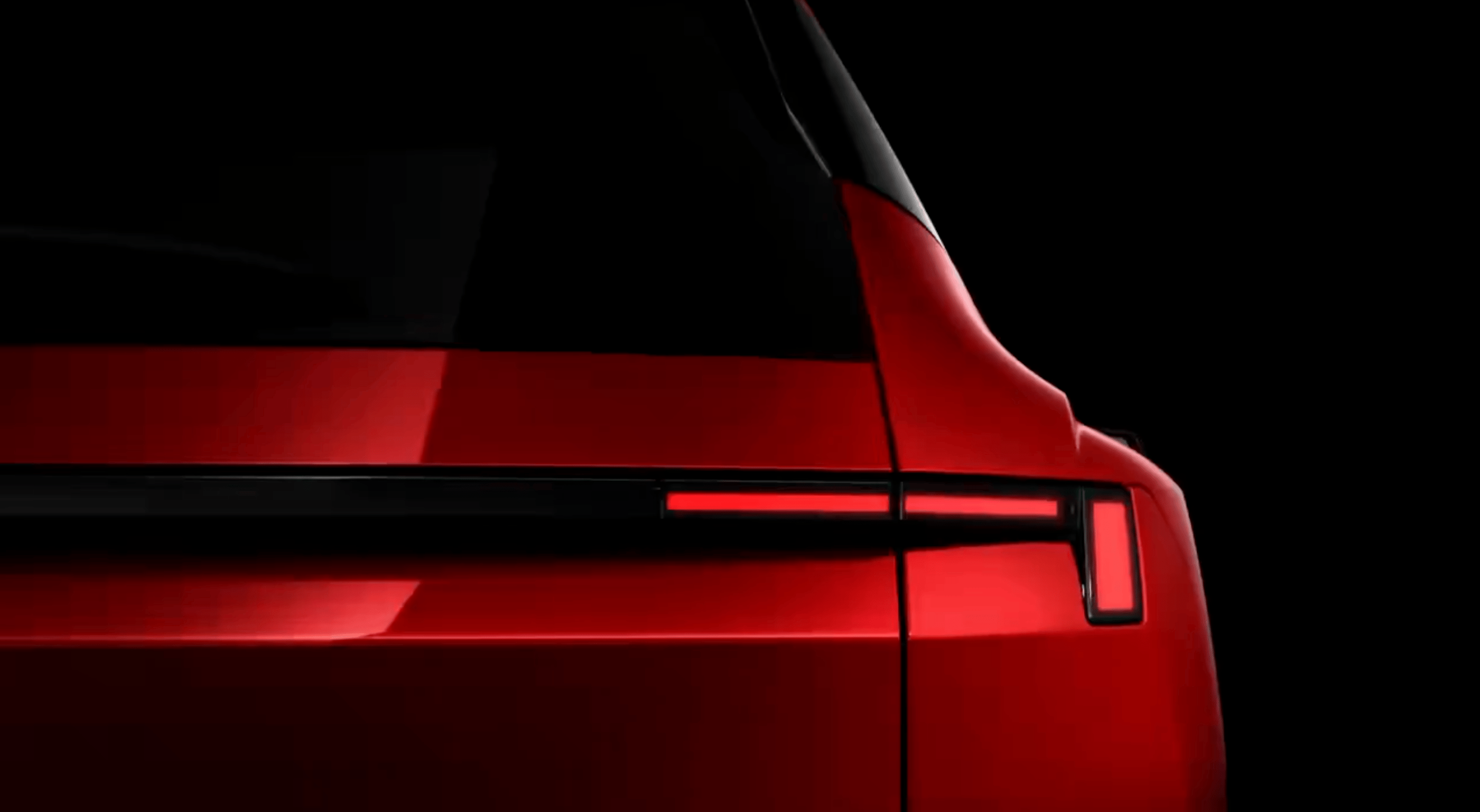
Hyundai’s own sketches and teasers give a genuinely clear look at the styling. The car wears Hyundai’s Art of Steel philosophy. Here, the standout element is the H-Edge lighting. It’s basically a split arrangement pairing a slim horizontal white LED strip with a vertically oriented outer light section. This setup is tucked inside a dark surround. A noticeable bonnet crease runs just above it.
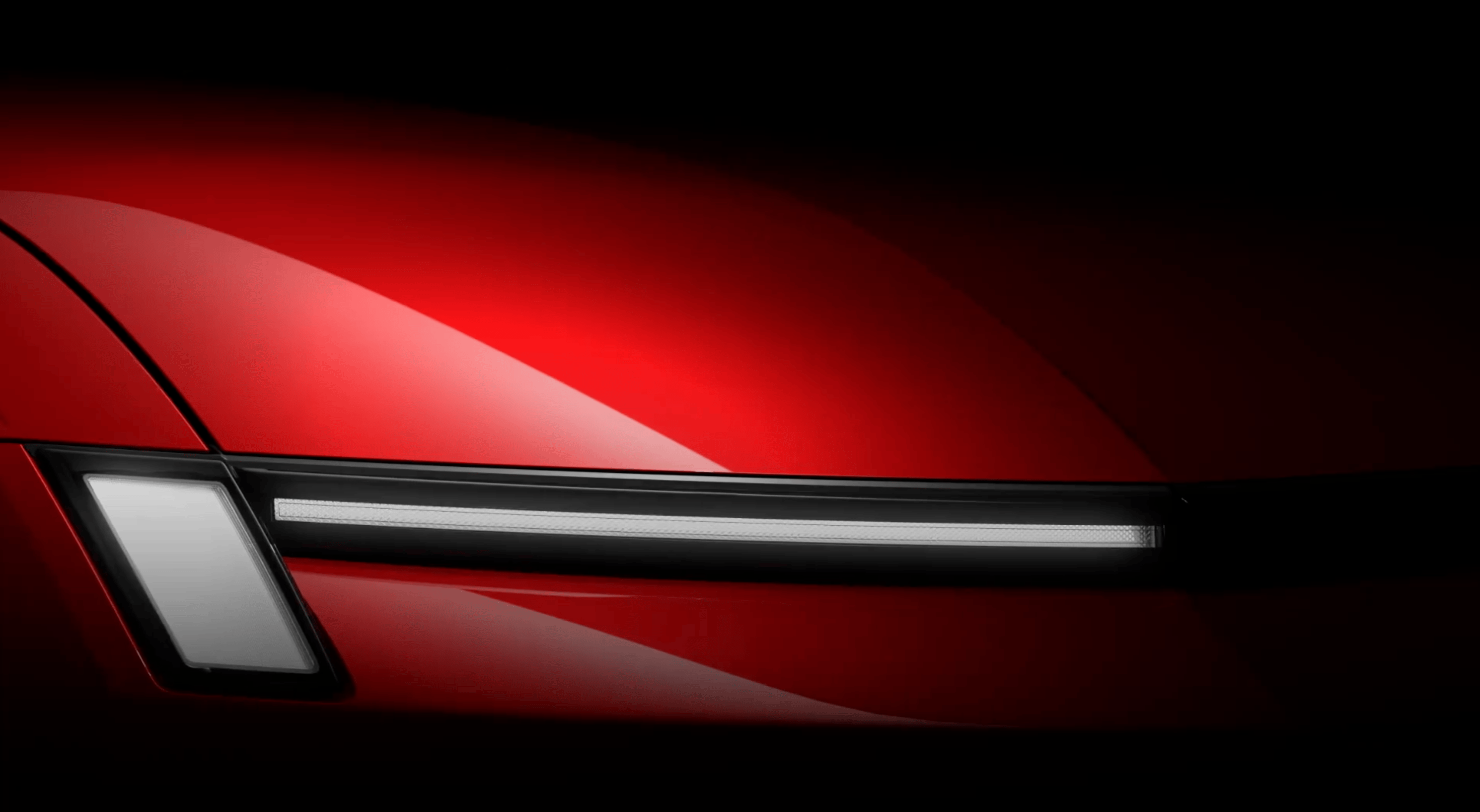
Test mules suggest the main headlamp housings sit lower in the bumper (a trend we’ve seen on several new cars), separate from this upper DRL signature. We get to see the same design at the back as well. Slim red lighting elements stretch toward the corners and connect through a black trim that spans throughout the tailgate. However, it’s not immediately clear whether the entire strip lights up.
Also Read: Dear Xiaomi, Selling Cars Requires A Lot More Transparency Than Smartphones
Key side-profile elements include an upward-kinked window line, pull-type door handles (not flush-type), and two sporty design elements: flared wheel arches and chunky black cladding running from the arches into the lower bumper. As seen in the latest teaser, the India-bound Bayon could feature a geometric 17-inch alloy design. However, this alloy will likely be available on the top trims.
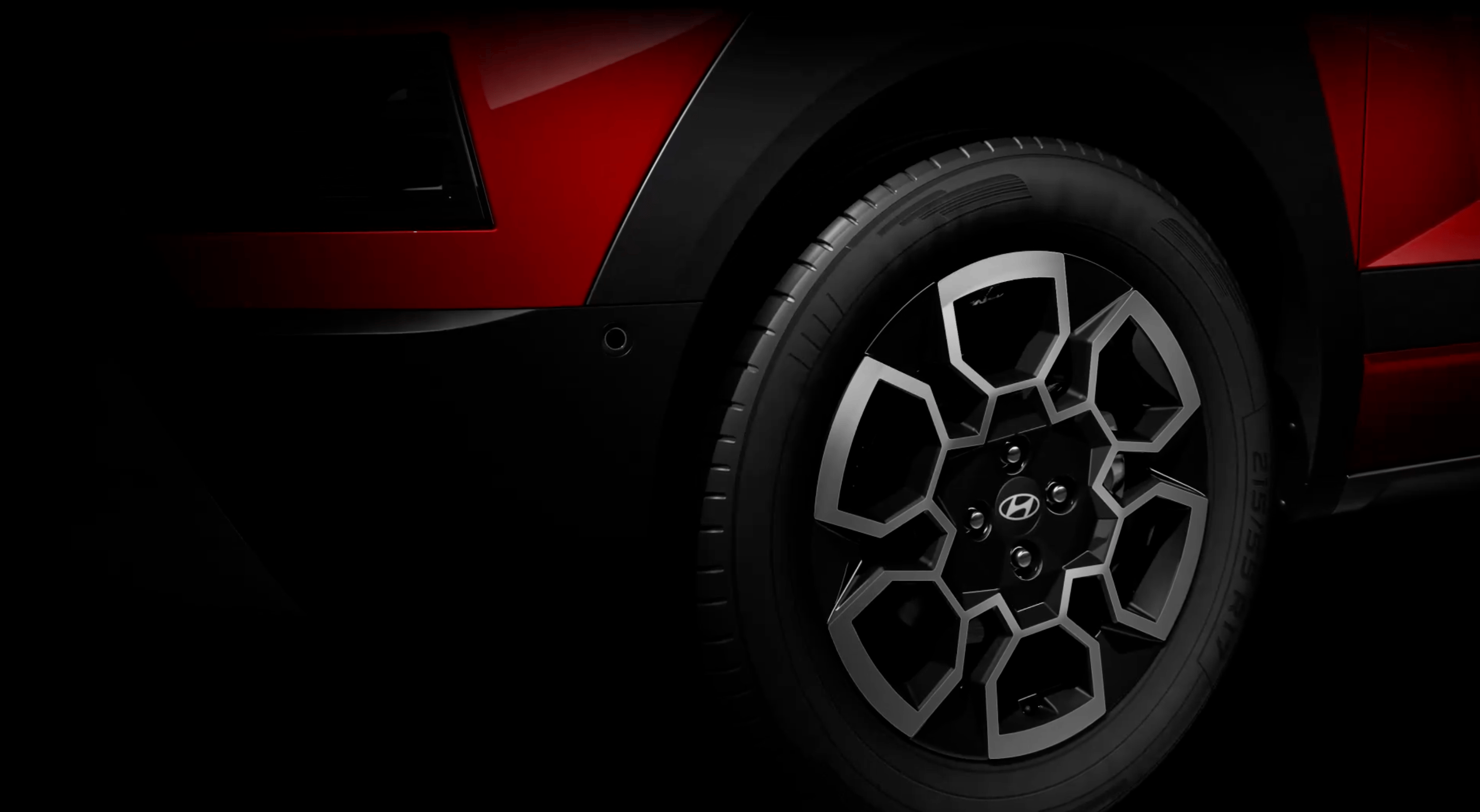
If you haven’t already figured it out, the India-spec Bayon shares nothing but a nameplate with the hatchback-styled global version sold abroad. This is an entirely different SUV. So don’t try to get an early look or guess how the car looks from pictures of the global variant.
Also Read: Skoda Kylaq Review: Best Car For Enthusiasts On A Budget
| Exterior Element | Status |
| H-Edge front lighting | Confirmed via teaser |
| Split headlamp + separate DRL layout | Confirmed via teasers/spy shots |
| Rear connected light bar | Confirmed, full illumination unclear |
| 17-inch geometric alloys, 215/55 R17 tires | Confirmed |
| Wheel arch cladding | Confirmed |
| Exact length/wheelbase | Not officially revealed |
| Global vs India-spec design | Confirmed to differ significantly |
Interior: Borrowing Heavily From the Next-Gen i20
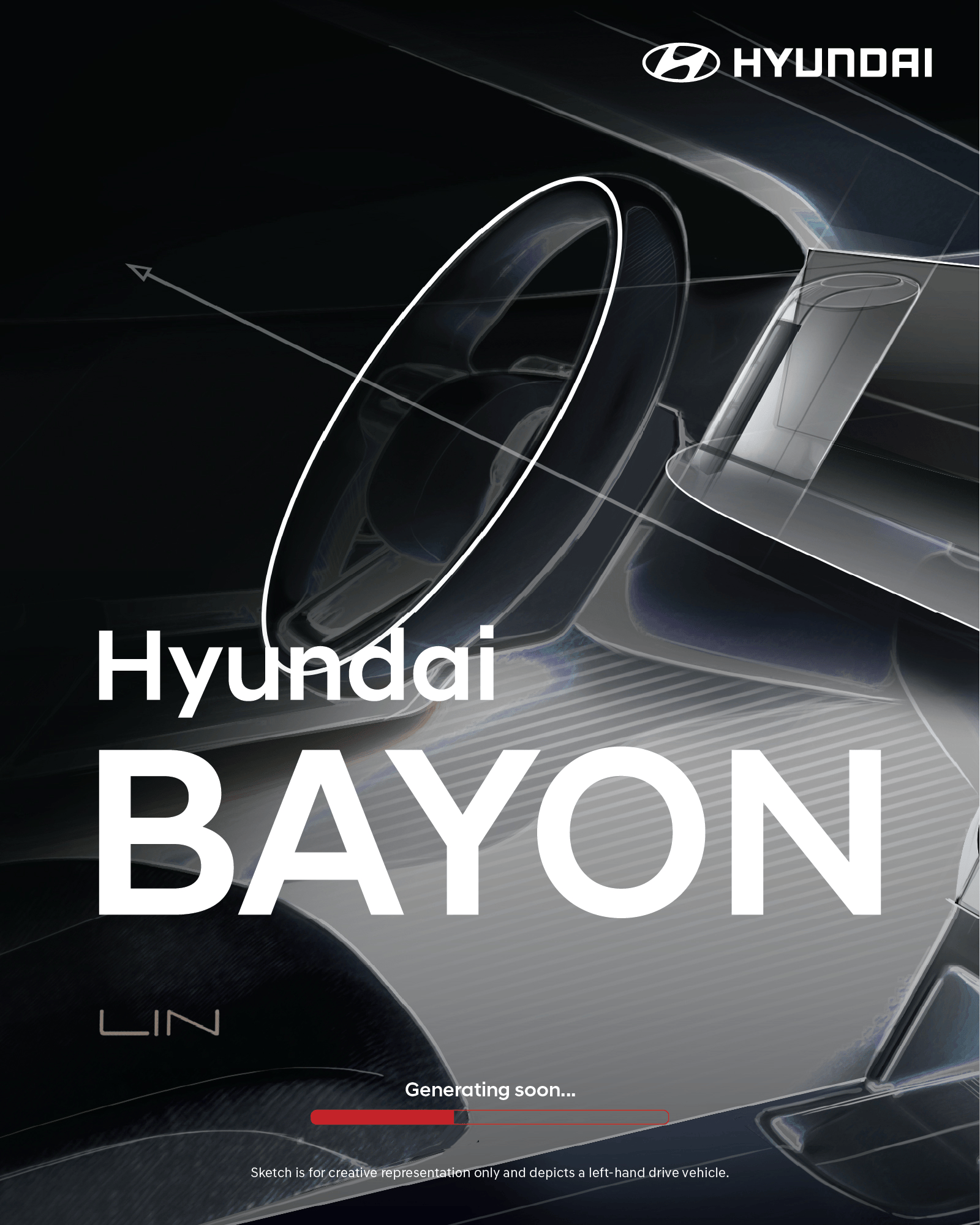
While sources disagree, the bigger picture remains clear: the India-bound Bayon’s cabin resembles the next-generation i20 (which hasn’t been revealed in India yet). It’s built around a Venue-style dual-screen layout, which includes two 12.3-inch displays for the driver cluster and infotainment. The center console could also feature a new vertical control panel for climate functions.
It’s the steering wheel that the reports diverge slightly. Some sources suggest a three-spoke design (as seen on the new-generation Venue and Verna), while others point to a four-spoke design. However, the steering wheel will almost certainly carry Hyundai’s four-dot Morse code “H” motif.
Also Read: Hyundai’s Smallest EV Could Be First to Feature ‘Pleos’ Tech in India
| Interior Element | Status |
| Dual 12.3-inch screens | Confirmed via multiple teasers |
| Vertical AC control panel | Confirmed |
| Four-dot Morse “H” steering motif | Confirmed |
| Steering spoke count (3 vs 4) | Sources disagree |
| Cabin color theme | Sources disagree (black/white vs grey/white vs light) |
| Wireless charging pad | Expected, not confirmed |
| Sunroof, ventilated seats, auto climate | Expected based on spy shots |
Powertrain: One Engine, Two Fuel Types, No Diesel
The India-spec Bayon will almost certainly get Hyundai’s 1.5-liter naturally aspirated petrol engine, one that the company sells in big numbers with the Hyundai Creta and Kia’s Seltos. It’s one of the most reliable, tried-and-tested petrol engines in the country right now. Producing 114-115hp of peak power and 144Nm of peak torque, the engine might be paired with a 6-speed manual or CVT transmission.
Similar to what we’ve seen on the Maruti Victoris, the Bayon might sport a factory-fitted underbody CNG tank to free up boot space. If so, it would make the Bayon Hyundai’s first car over four meters in length to get a CNG tank. The Bayon CNG could also attract a completely different set of customers.
Also Read: Kia Just Showed India Its First Flex-Fuel Car, But You Can’t Buy One Yet
Hyundai might unveil the Bayon with a turbo-petrol powertrain, but diesel appears to be off the table, at least for now. This is what puzzles me, especially now that diesel car share has started to pick up because of uncertainty around ethanol blends in petrol and the reduced effective age a car can be driven at the same ethanol concentration.
| Powertrain | Status |
| 1.5L NA petrol (114-115hp/144Nm) | Expected, shared with Creta |
| 6-speed MT / CVT | Expected |
| CNG variant (underbody tank) | Expected, would be a Hyundai first at this size |
| Turbo-petrol | Possible, unconfirmed |
| Diesel | Not expected (for now) |

Safety And Additional Features
The Bayon will almost certainly get a Level 2 ADAS suite with a front radar module that facilitates features like adaptive cruise control, lane keep assist, and adaptive braking. The top trims could also feature a 360-degree camera system. However, disc brakes on both the front and the rear axles, rear parking sensors, and a high-mounted brake lamp should be common across all the trims.
Like most Hyundai nameplates, the Bayon should also come with a sunroof (a panoramic sunroof would truly differentiate it in the segment), ventilated front seats, wireless charging, and automatic climate controls.
Pricing & Competitive Picture
While there’s no official pricing or solid rumors, I can offer an educated estimate. The Hyundai Venue starts at ₹7.99 lakhs (ex-showroom), while the Creta starts at ₹10.91 lakhs (ex-showroom), both for their baseline petrol powertrains. So, there is roughly a ₹2.91 lakh gap in the pricing. I expect Hyundai to slot the Bayon exactly here, with a starting price of around ₹8.99 lakhs to ₹9.5 lakhs (ex-showroom), something similar to what Kia did with its Syros.
At the same time, I expect the base CNG model to start below ₹10 lakhs (ex-showroom); otherwise, it would face higher registration costs. On the CNG front specifically, the Bayon would compete against the Toyota Hyryder and Maruti Victoris. The top trims of the Bayon could reach an ex-showroom range of around ₹13 to ₹14 lakhs.
Also Read: Car Sales August 2026: These Were The Top Brands In India Last Month

You can follow Smartprix on Twitter, Facebook, Instagram, and Google News. Visit smartprix.com for the latest tech and auto news, reviews, and guides.