


India’s passenger vehicle industry continued its upward run in August 2026, with almost every major carmaker posting healthy year-on-year gains, despite the rising concerns around petrol and ethanol mixing. Maruti Suzuki held firmly onto the number one position, Tata Motors consolidated second place by pulling further away from Mahindra, and Hyundai stayed in fourth, with sister brand Kia leapfrogged Toyota to claim fifth spot, underlining how quickly the pecking order among India’s mid-sized manufacturers can shift from one month to the next.
Maruti Suzuki Stays Well Clear at the Top
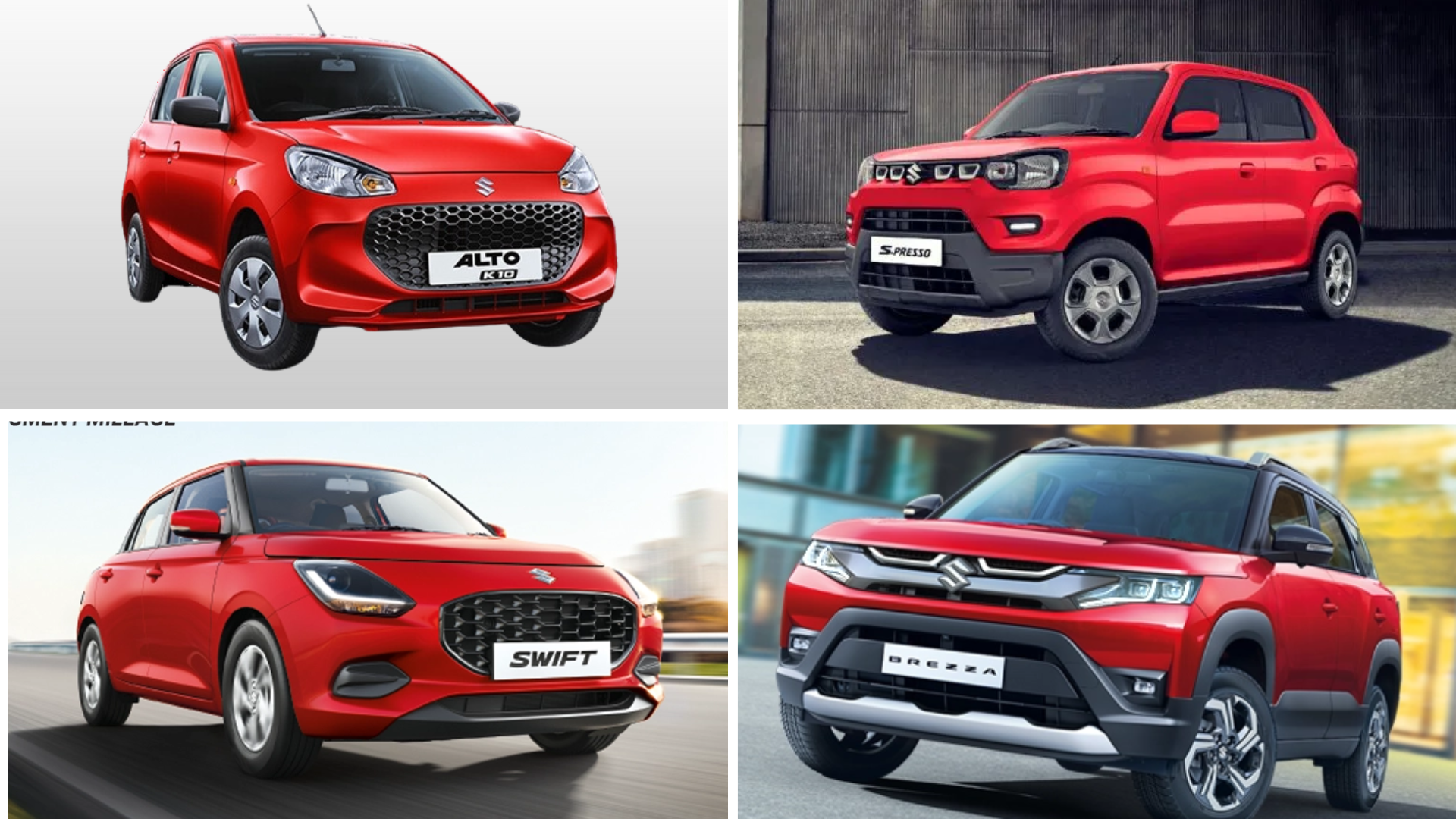
Maruti Suzuki remained India’s leading carmaker by a wide margin, dispatching 1,76,971 units domestically in August, a jump of 34.8 percent over the same month last year. The company’s growth was spread fairly evenly across its range. Vehicles such as the Brezza, Ertiga, e Vitara, Fronx, Grand Vitara, Invicto, Jimny, Victoris and XL6 together accounted for 79,045 units, while the compact and midsize hatchback and sedan lineup, led by the Baleno, Swift, Dzire and Wagon R, brought in 77,166 units. The entry-level Alto and S-Presso duo contributed 8,799 units between them, and the Eeco van added a further 11,961 units to the tally.
Sales, however, drop as compared to last month (July 2026), falling by 9.8 percent month on month, which is a normal dip and has nothing to do with the changes in buying behaviour or the market sentiment. Maruti also crossed the one-million-unit mark for cumulative sales in the first five months of the current financial year, a milestone that reflects just how ahead Maruti Suzuki is as compared to other brands. When exports and sales to other original equipment manufacturers are included, Maruti’s total August dispatches climbed to 2,19,220 units.
Tata Motors Extends Its Cushion Over Mahindra
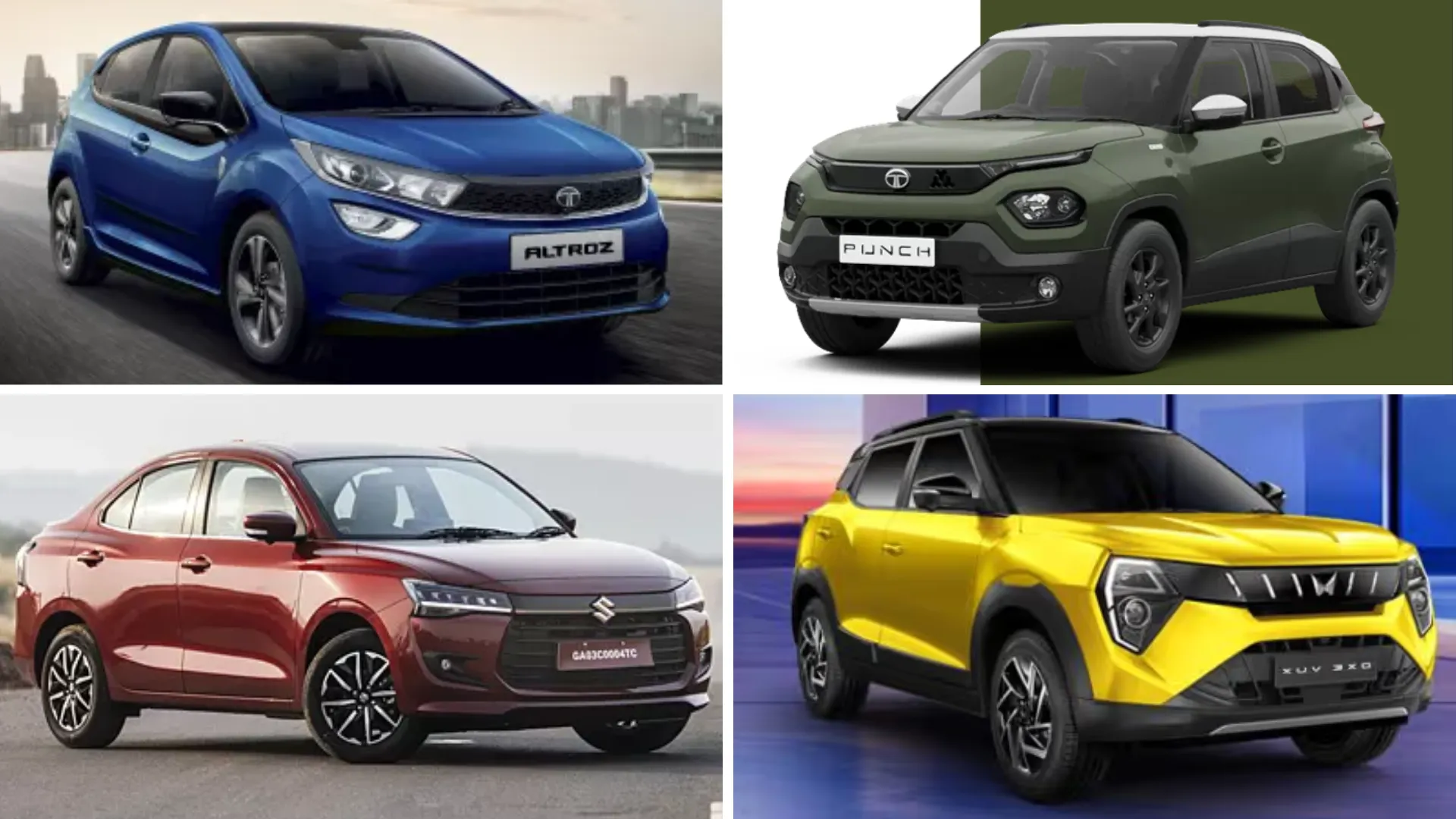
Tata Motors held on to second place with 65,253 units sold domestically, a 59 percent increase over August 2025 and comfortably its strongest year-on-year growth rate among the top five carmakers. The company’s electric vehicle business was a standout performer: EV sales, counting both domestic and international volumes, rose to 16,549 units from 8,540 units a year earlier, nearly doubling in the process. This was the first time Tata’s EV sales crossed the 16,500-unit mark in a single month, and the segment now makes up 43.74 percent of the company’s overall EV market share.

Among individual models, the Punch nameplate had a particularly good month, recording its highest-ever domestic sales for the model, while the electric version of the Punch also notched its best monthly performance to date. Adding another layer to the month’s developments, Tata announced a price increase across its entire passenger vehicle range effective from September 1, a move that could influence buying patterns heading into the festive season.
Mahindra Grows Fast but the Gap to Tata Widens
Mahindra’s domestic sales rose 50 percent year on year to 59,257 units, up from 39,399 units in August last year, a growth rate that on its own would be the envy of most carmakers. Yet because Tata grew even faster in absolute terms, the gap between the two rivals widened rather than narrowed this month. Mahindra’s total vehicle sales, inclusive of exports, stood at 1,07,648 units, up 42 percent year on year.

The month was an active one on the product front for Mahindra, which rolled out updated versions of the Scorpio N and the BE 6 Sporteq. The company also introduced a Battery-as-a-Service subscription option for buyers of its XEV 9e and XEV 9S electric models, a scheme aimed at lowering the upfront cost of ownership for its EV customers.
Hyundai Posts Its Best-Ever August

Hyundai retained fourth place with 54,396 units sold, an increase of 23.6 percent over the year-ago period. The Korean carmaker described this as its highest-ever domestic sales figure for the month of August since it began operations in India, a notable achievement given how mature and competitive the brand’s presence in the country has become. During the month, Hyundai rolled out an assured buyback programme for the Creta Electric, a move likely intended to ease concerns among prospective EV buyers about resale value. The company has also announced a price hike of up to 1 percent that will take effect from September 2026.
Kia Overtakes Toyota for Fifth Spot
Kia delivered one of the more eye-catching performances of the month, with sales surging 48.1 percent year on year to 29,042 units, up from 19,608 units in August 2025. This was Kia’s best-ever August performance since it entered the Indian market, and it was enough to push the brand past Toyota into fifth place in the overall rankings. The Seltos and Sonet continued to be the mainstays of Kia’s volumes, while the recently launched Syros EV also began contributing meaningfully to the brand’s overall numbers.

Toyota, by contrast, saw a rare dip, with domestic sales slipping 3 percent year on year to 28,410 units from 29,302 units. Despite slipping to sixth place, the company said it remains confident about demand picking up during the upcoming festive season, pointing to continued interest in the Innova Hycross, Urban Cruiser Hyryder and Glanza as reasons for its optimism.
Mixed Fortunes Further Down the Table
Among the smaller-volume players, JSW MG Motor India grew 12.3 percent year on year to 7,508 units, aided by the launch of the Hector Tomahawk in both electric and plug-in hybrid forms; deliveries of the EV version are set to begin in September, with test drives and deliveries of the PHEV to follow in November. Honda posted a strong 39.9 percent jump to 5,385 units, a rise the company linked to festive-season demand beginning with Onam as well as continued interest in the City and ZR-V, even as its exports fell 27 percent to 2,123 units.
Nissan was the standout percentage gainer of the month, with domestic sales rocketing 147 percent year on year to 3,426 units on the back of strong demand for the Magnite, Gravite and the newly launched Tekton. The company also began exporting the Tekton to South Africa, Bhutan and Nepal, with an initial shipment of more than 1,300 units. Renault was the only carmaker among the top ten to post a year-on-year decline, with sales dropping 5.7 percent to 2,842 units, though its cumulative January-August dispatches were still up sharply at 31,979 units, a 47.9 percent rise over the same period last year. The company is set to expand its Triber range with a new Turbo variant arriving in late September.
Taken together, even in August 2026 the car market of India doesn’t show any signs of slowing down. The market for petrol cars also seems to have no impact of the whole ethanol mixing and E20 fiasco. With EVs on the rise and the festive season further approaching, along with aggressive new launches across all players signifies a growing trajectory only for car sales.