



Xiaomi Redmi Pad (6GB RAM + 128GB) vs Huawei MatePad 11.5
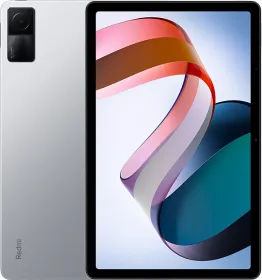
Here you can compare Xiaomi Redmi Pad (6GB RAM + 128GB) and Huawei MatePad 11.5. Comparing Xiaomi Redmi Pad (6GB RAM + 128GB) vs Huawei MatePad 11.5 on Smartprix enables you to check their respective specs scores and unique features. It would potentially help you understand how Xiaomi Redmi Pad (6GB RAM + 128GB) stands against Huawei MatePad 11.5 and which one should you buy The current lowest price found for Xiaomi Redmi Pad (6GB RAM + 128GB) is ₹17,499 and for Huawei MatePad 11.5 is ₹26,999. The details of both of these products were last updated on Oct 12, 2026.
| Specification | Xiaomi Redmi Pad (6GB RAM + 128GB) | Huawei MatePad 11.5 |
|---|---|---|
| Battery | 8000 mAh, Li-Po Battery | 7700 mAh |
| Internal Memory | 128 GB | 128 GB |
| RAM | 6 GB | 6 GB |
| CPU | 2.2 GHz, Octa Core Processor | 2.4 GHz, Octa Core Processor |
| Rear Camera | 8 MP ƒ/1.8 (Main) | 13 MP |
| Price | ₹17,499 | ₹26,999 |

- Like
- Comment
- Share
Overview
| Specs Score | 59 / 100 Better Specs | 53 / 100 |
| Display Size | 10.61 in | 11.5 in Bigger Display |
| Display Resolution | 1200 x 2000 pixels | 1440 x 2200 pixels Better Resolution |
| Screen To Body Ratio | ~ 89.8% Less Bezels | ~ 84.8% |
| CPU Clock Speed | 2.2 GHz | 2.4 GHz Faster Clock Speed |
| Rear Camera | 8 MP | 13 MP Better Camera Resolution |
| Weight | 465 g Lighter | 499 g |
| Unique Features | Fingerprint Sensor Memory Card Support | No No |
General
| Country of Origin | China | |
| Model | Redmi Pad | MatePad 11.5 |
| Sim Type | No Sim Supported, No Sim Supported | |
| Dual Sim | No | |
| Device Type | Tablet | Tablet |
| Release Date | October 04, 2022 | July 13, C 2023 |
| Voice Call | No |
Design
| Dimensions | 158.1 x 250.5 x 7.1 mm | 176.8 x 260.9 x 6.9 mm |
| Weight | 465 g | 499 g |
| Colors | Mint Green, Moonlight Silver, Graphite Grey | Space Gray |
Display
| Type | Color IPS LCD Screen (1B Colors) | Color LCD Screen (16M Colors) |
| Touch | Yes | Yes |
| Size | 10.61 inches, 1200 x 2000 pixels, 90 Hz | 11.5 inches, 1440 x 2200 pixels, 120 Hz |
| Aspect Ratio | 15:09 | |
| PPI | ~ 220 PPI | ~ 229 PPI |
| Screen to Body Ratio | ~ 89.8% | ~ 84.8% |
| Glass Type | Corning Gorilla Glass | |
| Features | 400 nits(typ) Brightness, Wide Color Gamut, True-tone, HDR10 |
Memory
| RAM | 6 GB | 6 GB |
| Storage | 128 GB | 128 GB |
| Storage Type | UFS 2.2 | |
| Card Slot | Yes, upto 1 TB |
Connectivity
| GPRS | No | |
| EDGE | No | |
| 3G | No | No |
| 4G | No | |
| Wifi | Yes, with wifi-hotspot | Yes, with wifi-hotspot |
| Wifi Version | Wi-Fi 5 | |
| Bluetooth | Yes, v5.3, A2DP, LE | Yes |
| USB | Yes, USB-C | Yes, USB-C |
| USB Features | USB Tethering, USB on-the-go, USB Charging | USB Charging |
Extra
| GPS | Yes, with A-GPS, GLONASS, GALILEO, QZSS (5G model only) | |
| Fingerprint Sensor | Yes, Side | |
| Face Unlock | Yes | |
| Sensors | Accelerometer, Gyro, Proximity, Compass | Accelerometer |
| 3.5mm Headphone Jack | No | No |
| Extra Features | Quad Speaker, Dolby Atmos |
Camera
| Rear Camera | 8 MP ƒ/1.8 (Main) | 13 MP |
| Auto Focus | Yes | Yes |
| Features | Panorama, HDR | |
| Video Recording | 1080p @ 30 fps FHD | 1080p @ 30 fps FHD |
| Flash | Yes | |
| Front Camera | 8 MP ƒ/2 | 8 MP (Ultra Wide) 105˚ |
| Front Video Recording | 1080p @ 30 fps FHD | 1080p @ 30 fps FHD |
Technical
| OS | Android v12 | Harmony OS v3.1 |
| Custom UI | MIUI 13 | |
| Chipset | Mediatek Helio G99 | Qualcomm Snapdragon 7 Gen1 |
| CPU | 2.2 GHz, Octa Core Processor | 2.4 GHz, Octa Core Processor |
| Core Details | 2xCortex-A76@2.2 GHz & 6xCortex-A55@2.0 GHz | 1x Cortex-A710@2.4GHz & 3x Cortex-A710@2.36GHz& 4x Cortex-A510@1.8 GHz |
| GPU | Arm Mali-G57 MC2 | Adreno 644 |
| Java | No | No |
| Browser | Yes |
Multimedia
| Yes | Yes | |
| Music | Yes | Yes |
| Video | Yes | Yes |
| FM Radio | No | No |
| Document Reader | Yes | Yes |
Battery
| Type | Non-Removable Battery | Non-Removable Battery |
| Size | 8000 mAh, Li-Po Battery | 7700 mAh |
| Fast Charging | Yes, 18W | Yes, 22.5W |
Discuss
Related News
 Redmi Note 17 Launched in India: Check Pricing and Specifications
Xiaomi has launched the Redmi Note 17 in India, sold under the “mAhster Edition” tagline built around its 8,000 mAh battery. The phone replaces the Redmi Note 15 directly; Xiaomi has skipped the Note 16 name …
 Redmi Note 17 India Launch Set for August 6; Xiaomi Teases 8,000 mAh Battery
Xiaomi has confirmed that the Redmi Note 17 will launch in India on August 6, 2026. A dedicated Amazon microsite is now live, confirming the launch date and revealing the first official look at the smartphone…
 Upcoming Phone Launches in India in October 2026: Redmi, OPPO, vivo, OnePlus & More
October is shaping up to be a busy month for smartphone launches in India. The month starts with Xiaomi’s Redmi 17C 5G, followed by the OPPO F35 series and then vivo’s October 6 event. vivo has officially con…
 Jio AirFiber vs Airtel Xstream AirFiber: Best Plans, Prices & Comparison (2026)
If you’re choosing between Jio AirFiber and Airtel Xstream AirFiber in 2026, here’s the short answer: Jio wins on price, speed tiers, and OTT variety. Airtel wins on network stability, gaming latency, and cus…
Related Tablets





Related Searches
Related Comparisons

 Huawei MatePad 11.5 vs Huawei MatePad 11.5 (2026)
 Xiaomi Redmi Pad (6GB RAM + 128GB) vs Samsung Galaxy Tab A9 TabletHuawei MatePad 11.5 vs Huawei MatePad 11.5 S
 Xiaomi Redmi Pad (6GB RAM + 128GB) vs Nubia Red Magic Nova Gaming Tablet
 Huawei MatePad 11.5 vs Xiaomi Redmi Pad 2 Pro 5G (256GB)
 Huawei MatePad 11.5 vs Huawei MatePad Pro 12.2