



Quick Summary (TL;DR)
- 2019 — Galaxy Fold: Proved the concept; 276g, up to 17.1mm thick folded.
- 2020–2023 — Fold2 to Fold5: Samsung solved the hinge — Flex Mode, water resistance, and a gap-free closure.
- 2022–2025 — Fold4 to Fold7: Weight and thickness fell every generation, culminating in a 48% thinner device than the original.
- 2021–2024 — Fold3 to Fold6: The Fold shifted from novelty to productivity tool — S Pen support, a genuinely usable cover screen.
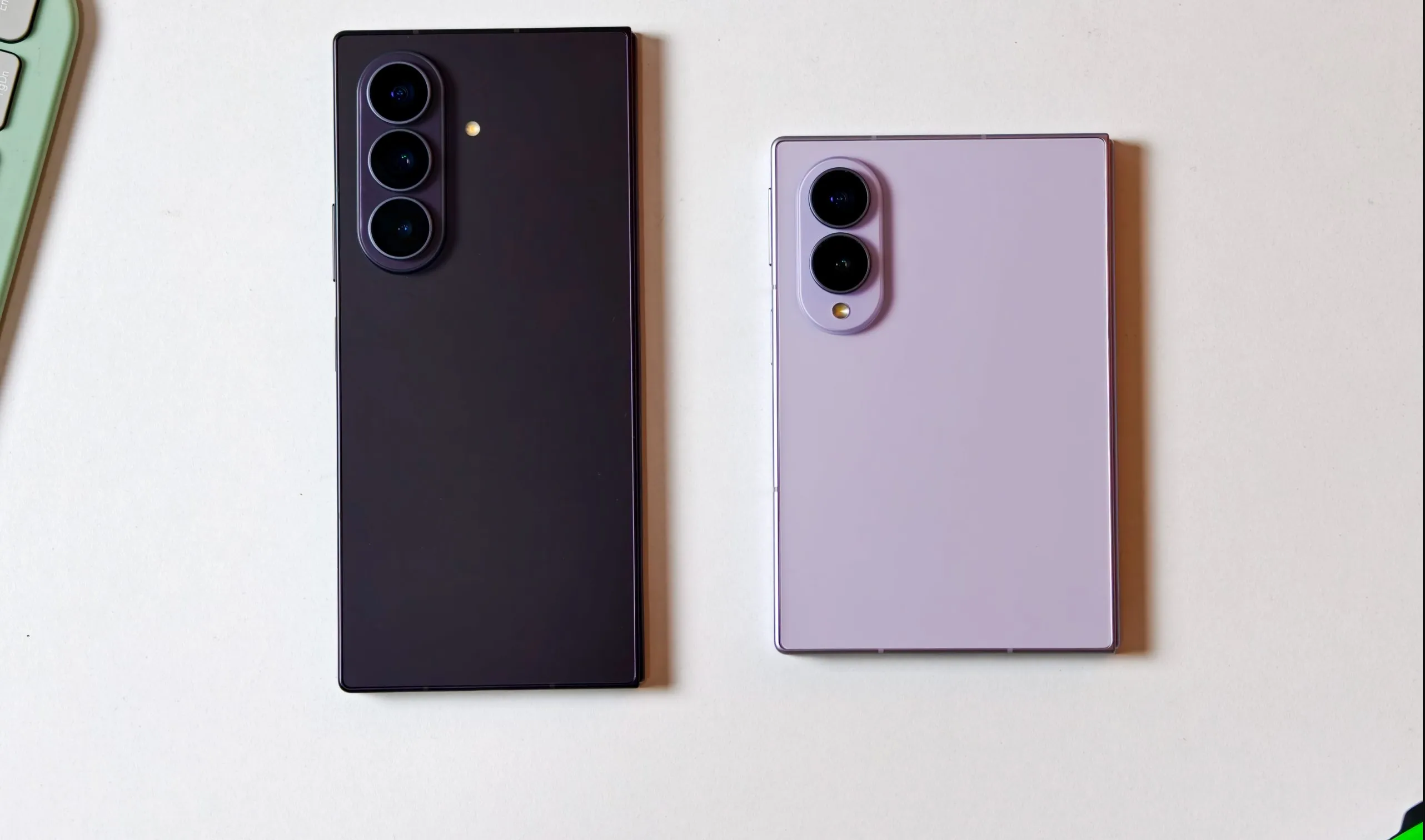
- 2026 — Galaxy Z Fold8: Lightest Fold ever at 201g, with a redesigned 4:3/3:4 display and AI-powered My FanCam.
- 2026 — Galaxy Z Fold8 Ultra: 215g, 4.1mm unfolded, a 200MP triple-camera system, and Samsung’s most powerful multitasking yet.
- Market data: Counterpoint projects Samsung at 38% global foldable share through FY2026-27.
Every tech category starts awkward. The first smartphone was brick-sized. Electric cars barely made it 100 miles. Foldables began with the original Galaxy Fold. It opened into a tablet, weighed 276 grams, and folded to 17.1mm thick.
Samsung spent nearly ten years researching flexible displays before launching the Fold. Making a folding smartphone real took time, but the engineering eventually caught up. Samsung kept pushing.
For eight generations, Samsung returned to the Fold and rebuilt something—the hinge, the display, the weight, or the durability. Each time, it chose a hard problem and solved it.
Seven years and eight generations later, that discipline still leads the foldable market.
According to Counterpoint Research, Samsung is projected to hold roughly 38% of the global foldable smartphone market through FY2026-27. This lead has held steady even as US and Chinese manufacturers pour serious effort into catching up. When the conversation turns to foldables, Samsung is the default answer.
Samsung didn’t get that lead by accident. It didn’t come from a single big launch. It came from steady refinement and reinvention, year after year.
The Galaxy Z Fold8 now weighs 201 grams. That’s 75 grams lighter than the first Fold and lighter than the S25 Ultra. Here’s how eight years of progress made that possible.
2019: Galaxy Fold — Proving the Category Could Exist
Samsung built its first flexible-display prototype in 2011. By 2019, turning a phone into a tablet had taken almost a decade. This wasn’t rushed. It came from years of R&D.

The 7.3-inch Infinity Flex Display folded like a book. It had a smaller cover screen for quick tasks. One device, two screen sizes, no compromise. Making it work took real effort.
At 17.1mm folded and 276 grams, the Fold was bulkier than any other flagship. Still, it was a real innovation that turned a sci-fi dream into reality.
2020: Galaxy Z Fold2 — Solving the Hinge First
The first Fold proved a foldable could exist. The Fold2 showed Samsung was already rebuilding it. Samsung added the Hideaway Hinge, so the phone could hold itself at different angles and unlock Flex Mode.
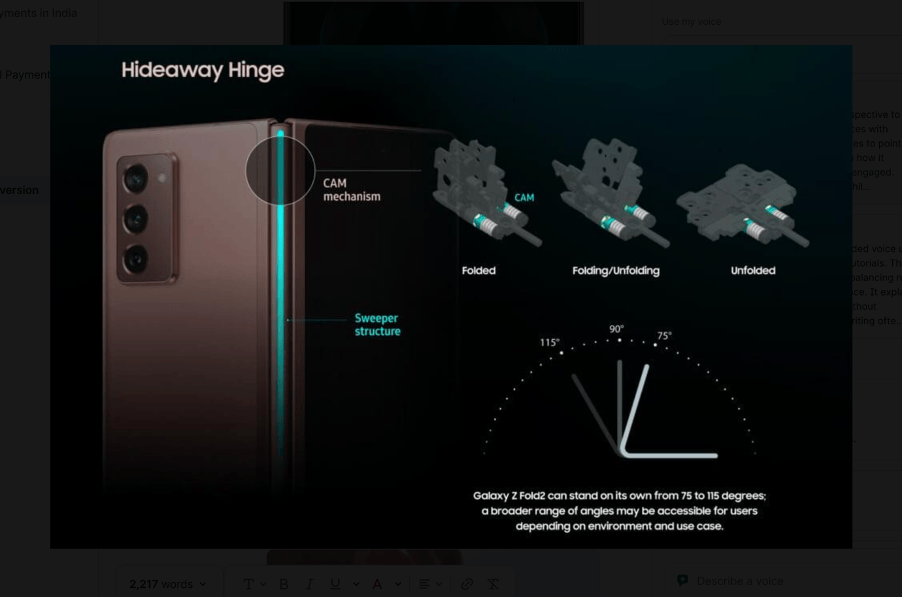
Sweeper Technology used tiny optical fibers to keep dust out of the hinge.
On a regular phone, the chassis matters less than on a folding phone.

On a foldable, the hinge controls everything: how the phone opens, how the display bends, how visible the crease is, and how much stress the panel takes with each fold.
Samsung had to design the mechanical system and the smartphone together. This showed that a foldable is more than just a phone with a bigger screen.
2021: Galaxy Z Fold3 — Making Foldables Trustworthy
Durability was the biggest reason why people hesitated about foldables. The Fold3 flipped that narrative.
It became the first water-resistant Fold with IPX8 protection. That’s a tough challenge, since waterproofing for slab phones doesn’t work on a device with a moving joint through the center.
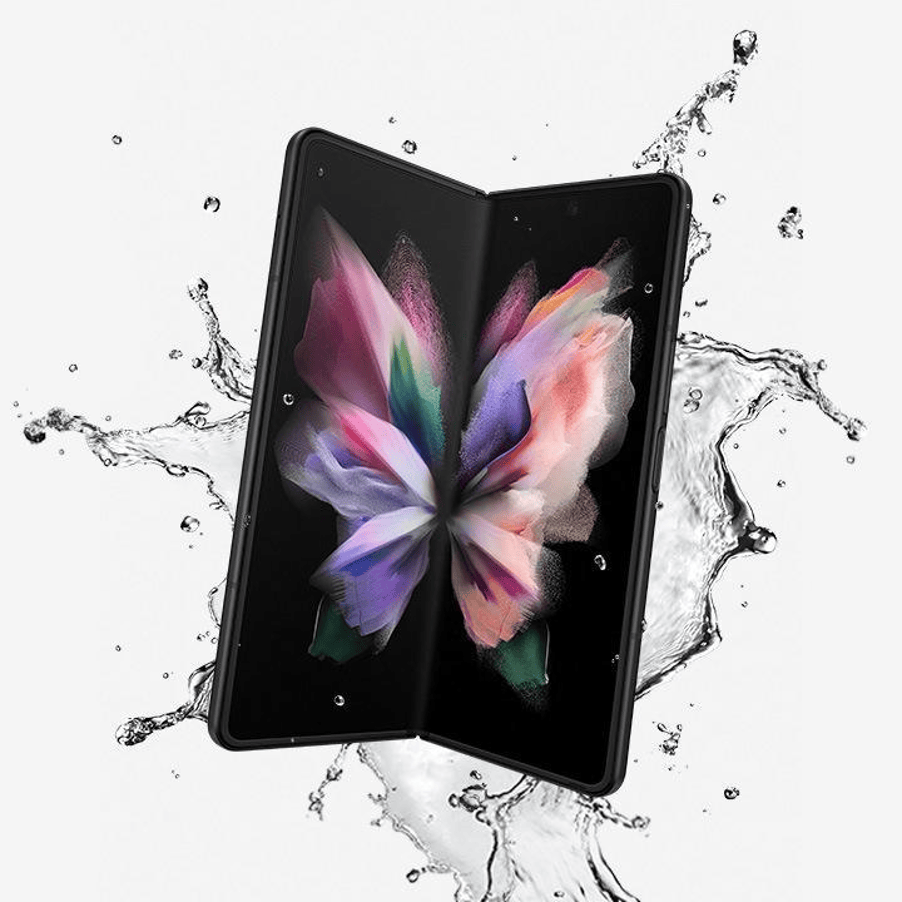
Samsung added Armor Aluminum and a stronger display structure, which made the device thinner. The S Pen followed, turning the Fold from a novelty into a real productivity tool.
2022: Galaxy Z Fold4 — The Hinge Becomes the Key to Slimness
The Fold4 didn’t look dramatic on paper. But Samsung swapped the old gear-based hinge for a linear one: fewer parts, less bulk. Weight dropped to 263 grams from 282, and folded thickness hit 15.8mm.
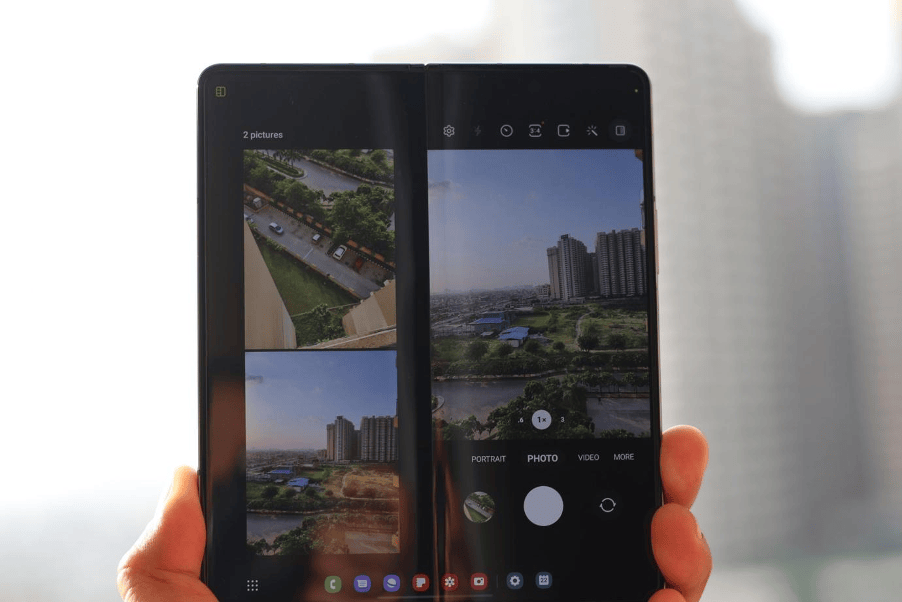
By now, Samsung’s strategy is clear. It doesn’t reinvent the Fold every year just for headlines. It refines the device to meet real user needs. Each change looks small on its own, but together, they turn an experiment into a phone you can use every day.
2023: Galaxy Z Fold5 — Closing the Gap
In 2023, Samsung took another leap that redefined physics with the hinge. Usually, the hinge on the foldables left a visible gap between the halves.
The Fold5 fixed that with a new Flex Hinge. Now the display folds into a water-drop shape using four drive shafts and a dual-rail structure.
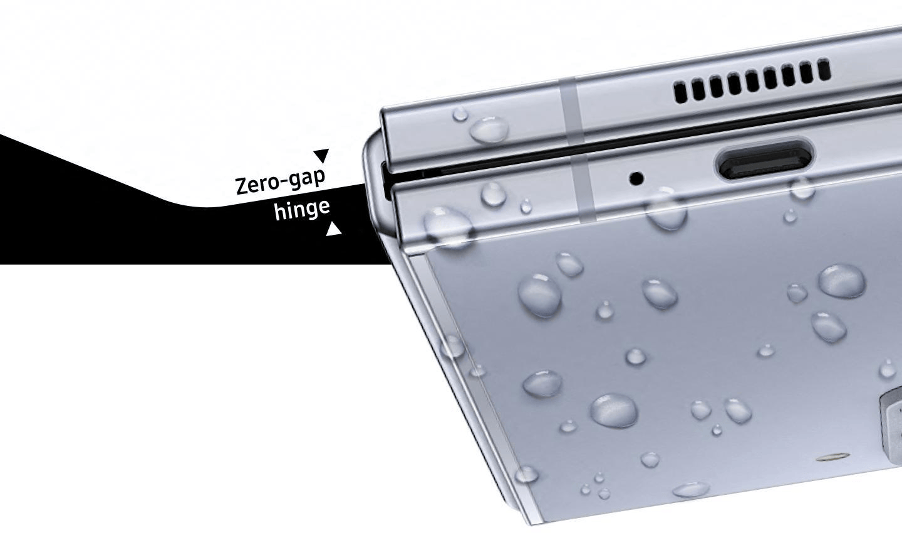
The payoff came fast: 13.4mm folded, 6.1mm unfolded, 253 grams. It was the lightest Fold yet. More importantly, the Fold finally looked like one phone that folds, not two halves joined by a hinge. Samsung was still willing to reinvent a core mechanism, even four generations in.
2024: Galaxy Z Fold6 — Refining a Formula That Already Worked
By the Fold6, Samsung didn’t need to prove foldables worked. The focus shifted from reinvention to refinement. Folded thickness dropped to 12.1mm, weight to 239 grams. The cover screen became wider and easier to use.
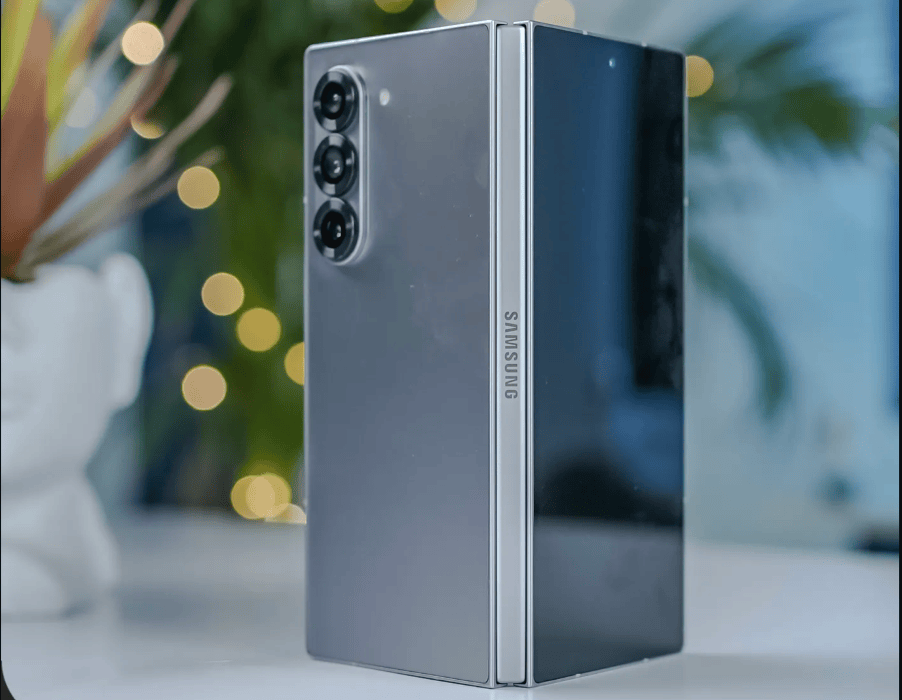
That change matters. Earlier Folds used the cover screen as a gateway to the main display. Now, both screens work as real destinations. You can reply, check, and browse without opening the phone. It’s a small, deliberate adjustment, not a reinvention. It’s exactly the kind of year Samsung needed after five straight generations of bigger changes.
2025: Galaxy Z Fold7 — The Biggest Leap in Thinness
The first six generations made foldables practical. The Fold7 tackled the last big complaint: thickness. Folded thickness dropped to 8.9mm, unfolded to 4.2mm, and weight to 215 grams. That’s a 48 percent cut in folded thickness compared to the original.
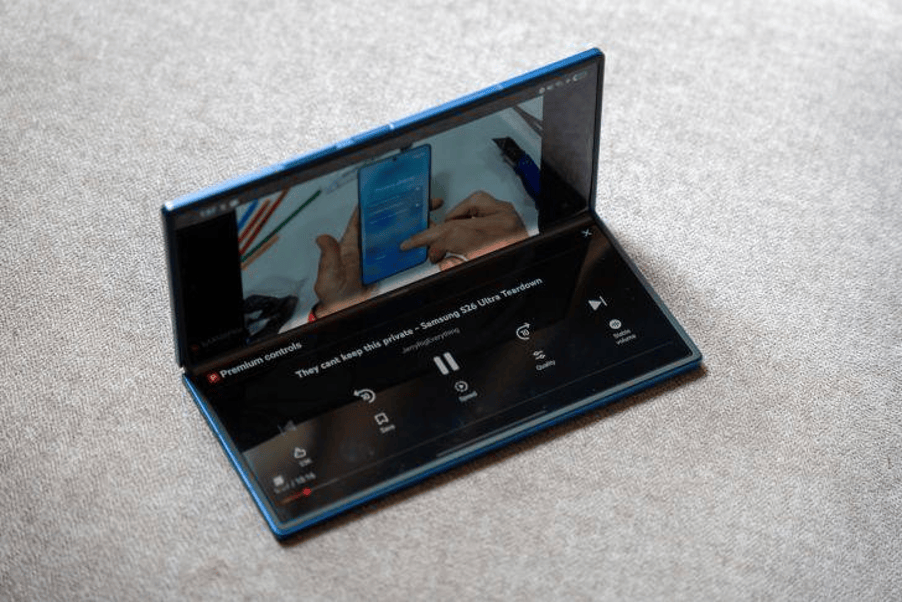
Put them side by side: 17.1mm folded in 2019, 8.9mm in 2025. In six years, Samsung nearly cut the Fold’s thickness in half by redesigning hinges, display layers, and the internal structure, year after year. That steady refinement adds up to what now looks like reinvention.
2026: Two Phones, One Philosophy — The Galaxy Z Fold8 and Fold8 Ultra
After eight generations of updates, Samsung now offers two real choices. The Fold8 focuses on content and daily use. The Fold8 Ultra targets productivity. Both are lighter than any previous Samsung foldable. Samsung didn’t cut corners to make that happen.
Galaxy Z Fold8: The Lightest Fold Ever, Rebuilt Around How People Actually Use It
The Galaxy Z Fold8 weighs 201 grams. It’s the lightest Galaxy Z Fold yet, and even beats the Galaxy S25 Ultra, which doesn’t fold. Samsung has chipped away at the weight with each generation. Now, the Fold8 finally comes in lighter than a standard flagship.
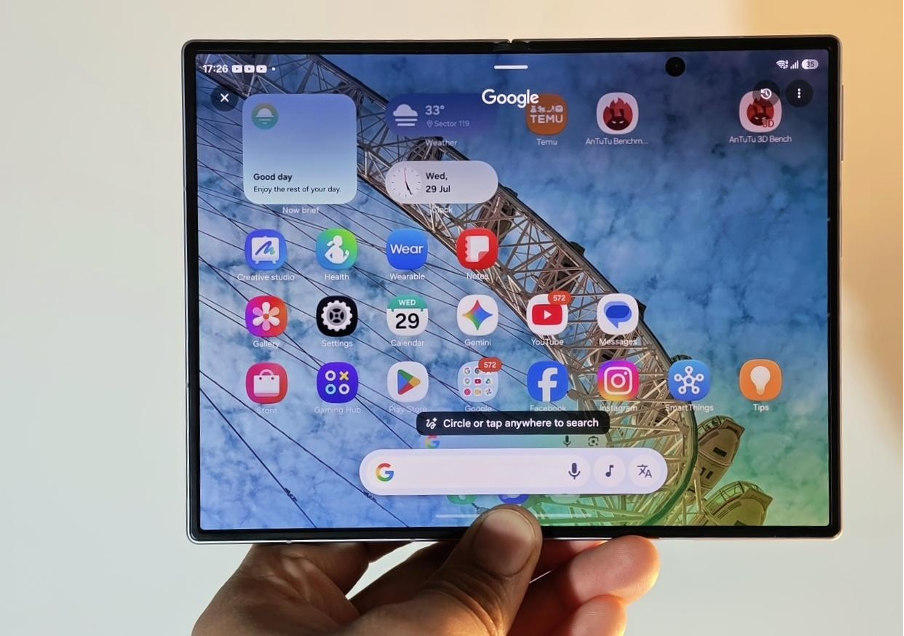
The real change is the shape. Earlier Folds had tall, narrow screens. The Fold8 uses a 4:3 main display when open, which fits movies and games. Turn it, and you get 3:4, which works for e-books and long articles. The 5.5-inch cover screen uses a 10:16 ratio, matching what people use for short videos. Samsung didn’t just make the screen bigger. They redesigned it for how people actually use their phones. That helps fix the software issues that have lingered since the Fold3 and Fold6.
My FanCam shows how far the software has come. This AI feature tracks a subject in your video and reframes it into a vertical clip for social media.
It can turn a long recording into a short, shareable moment without extra editing. Features like this only work when the hardware is ready. Now, with a lighter phone and a screen built for content, the software finally puts content creation front and center.
Multitasking benefits too. The new aspect ratio gives the Fold8 enough width for split-screen apps and AI features. Samsung’s Gemini assistant can search, filter, and handle tasks in the background while you work. The phone is light in your pocket and smart enough to handle itself.
Galaxy Z Fold8 Ultra: The Productivity Device the Standard Fold Used to Be
The Fold8 shows how light a foldable can get. The Fold8 Ultra pushes for maximum power without compromise. It’s Samsung’s first Ultra foldable and now takes over as the productivity model, a role the standard Fold has held since 2019.
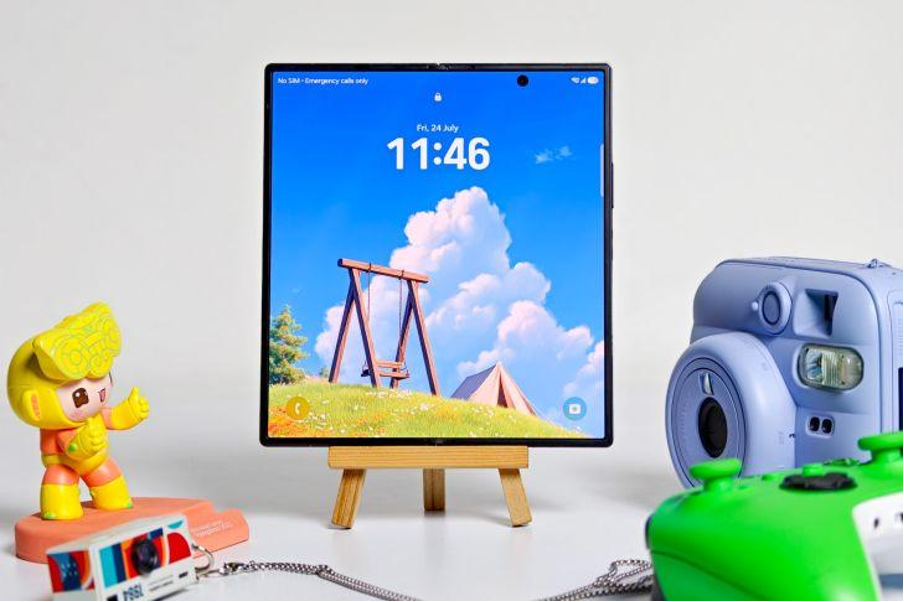
The engineering is clear. Unfolded, the Fold8 Ultra is 4.1mm thick and weighs 215 grams. It’s the thinnest Z Fold yet. Samsung has worked on thickness for years, starting with the Fold4. The Fold8 Ultra keeps the Fold7’s weight but adds a bigger 8-inch display, Qualcomm’s top chipset, and a full Ultra camera system. Getting thinner while adding features shows Samsung’s hinge and materials engineering has matured.
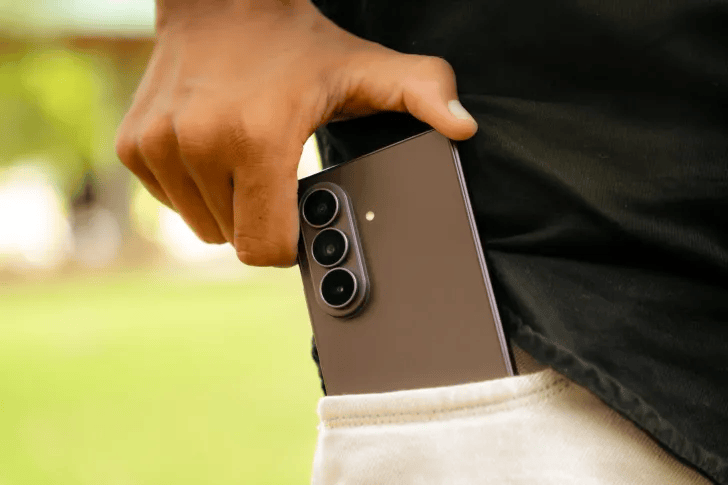
The camera shows what the Fold8 Ultra can do. It uses a 200MP main sensor with OIS and Quad Pixel autofocus, plus a 50MP ultra-wide and a 10MP telephoto with 3x optical zoom. This is a true triple-camera flagship, not just a single strong lens. HDR works at the full 200MP. Samsung added expanded graphite cooling to prevent throttling during heavy use. Building a 200MP sensor with stabilization into a foldable took years of work.
The Ultra stands out for multitasking. The Snapdragon 8 Elite Gen 5 for Galaxy lets you run three apps at once, plus floating windows, without lag. Flex Mode lets you fold the screen halfway and use it like a mini-laptop, with controls on the bottom and the app on top. The standard Fold8 doesn’t have this. Samsung’s AI, Now Nudge, tracks what’s on screen and opens Multi Window when needed. This builds on the Fold3’s S Pen and the Fold6’s dual-screen features. Now, the device manages productivity for you.
These two phones serve different purposes. Both are lighter and thinner than any Samsung foldable before, and both offer more than previous Folds. This comes from eight generations of problem-solving, not luck.
Disclaimer: This is a brand story, so views and opinions expressed here are of the sponsor and not of the editorial team.













curious how it compares to the chinese foldables in the market now