Samsung Galaxy S24 Series Cameras Explained

Main Image
  • Like
  • Comment
  • Share

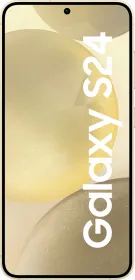
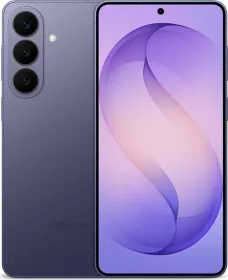
Samsung just released the Galaxy S24 series, which consists of the regular Galaxy S24, the Galaxy S24 Plus, and the Galaxy S24 Ultra. Among other features, the smartphones’ cameras remain a major selling point. However, given the different camera sensors on different models, it could be confusing for a customer to choose the right phone. Luckily, the Galaxy S24 and the S24 Plus share the same camera system, whereas the S24 Ultra takes things up a notch.

Galaxy S24/S24 Plus Camera System Explained

Galaxy S24 Plus camera

First, the phones have a 50MP (f/1.8) primary sensor with an 85-degree field view. This sensor supports optical image stabilization. Then there’s the 12MP (f/2.2) ultra-wide camera with a 120-degree field view. The third camera on these handsets is the 10MP (f/2.4) telephoto shooter that provides 3x optical zoom.

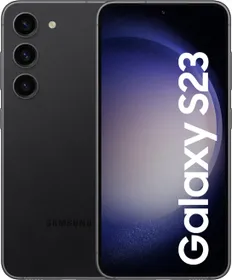
It is important to mention that the company borrowed all these sensors from the Galaxy S23 series. Further, the maximum zoom limit for the phones remains 30x. On the front, users get a 12MP (f/2.2) selfie shooter with an 80-degree field view.

Galaxy S24 Ultra Cameras Explained

Galaxy S24 Ultra cameras

The Galaxy S24 Ultra borrows the 200MP (f/1.7, OIS) ISOCELL HP2 sensor from the Galaxy S23 Ultra. By default, it clicks images in 12MP mode using Pixel binning. Then there’s a 12MP (f/2.2) ultra-wide camera that provides a 120-degree field view.

The smartphone also features the good old 10MP (f/2.4, OIS) optical zoom that provides 3x optical zoom. However, this year, Samsung replaced the 10x optical zoom lens with a 5x optical zoom lens with five times the resolution.

The 50MP (f/3.4, OIS) 5x telephoto sensor should provide 10x shots at two times the crop factor and 20x shots at four times the crop factor. This is how the company plans to replace the extended zoom range of the previous sensor.

Only this handset can zoom in up to 100x on a subject. On the front, Galaxy S24 Ultra users also get the same 12MP (f/2.2) front camera as the Galaxy S24.

Galaxy AI Contributes To Several New Camera Features

Galaxy AI camera features

The latest Galaxy S24 series comes with ProVisual Engine, a comprehensive AI-powered tool suite that transforms image-capturing abilities and maximum creative freedom. Further, after clicking images, the Galaxy AI features like Edit Suggestion provide users with the best possible feedback on tweaks that could improve the image.

Then there’s Generative Edit, which can fill in parts of an image background using generative AI. The feature can also move objects in the image. Further, users can also convert regular videos into slow-motion videos by using the Instant Slow-mo feature that adds more frames to the scene with the help of AI.

Third-party social apps such as Instagram can also make the best of the Galaxy AI camera system, including HDR photos. Moreover, when it comes to the camera, the Galaxy S24 comes with more improvements on the software level than on the hardware level.

You can follow Smartprix on TwitterFacebookInstagram, and Google News. Visit smartprix.com for the most recent newsreviews, and tech guides

Shikhar MehrotraShikhar Mehrotra
Shikhar Mehrotra is a seasoned technology writer and reviewer with over five years of experience covering consumer tech across India and global markets. At Smartprix, he has authored more than 1,700 articles, including news stories, features, comparisons, and product reviews spanning automobiles, smartphones, chipsets, wearables, laptops, home appliances, and operating systems. Shikhar has reviewed flagship devices such as the iPhone 16, Galaxy S25+, and Sennheiser HD 505 Open-Ear headphones. He also contributes regularly to Smartprix’s growing automotive section.

With a deep understanding of both iOS and Android ecosystems, Shikhar specializes in daily tech news, how-to explainers, product comparisons, and in-depth reviews. His DSLR photography in product reviews is recognized as among the best on the team.

Before joining Smartprix, Shikhar wrote for leading publications including Forbes Advisor India, Republic World, and ScreenRant. He holds a Bachelor of Arts in Journalism and Mass Communication from Amity University, Lucknow.

Related Articles

ImageSmartprix’s New Tool Finally Lets You Price-Compare Blinkit, Zepto, and Instamart Before You Order

Quick commerce is fast. Ten-minute delivery is now standard on major apps. But price transparency is still missing. The same pack of paneer or phone charger can cost differently on each app, and prices change by the hour. Until now, you had to open four apps and rebuild your cart each time to see who …

ImageSamsung Galaxy S24 Series Roundup: Every Leak & Rumor So Far

Samsung is one of the most popular smartphone brands in the world. The company is known for catering to every section of consumers through their smartphones. Whether you want a smartphone under 20k or a premium flagship-level device, Samsung has something for everyone. While Samsung Galaxy S23 Series including Galaxy S23, Galaxy S23 Plus, and …

ImageSamsung Galaxy S24 Series to launch early in 2024: Read on to know more

Samsung is all set to launch the next S-Series, the Samsung Galaxy S24 Series early next year. The Galaxy S24 Series will include Samsung Galaxy S24, Samsung Galaxy S24 Plus, and Samsung Galaxy S24 Ultra smartphones. While the official launch date is still months away, key details about the devices have started doing rounds, thanks …

ImageSamsung Galaxy A27 Review: 5 Things I Like & 4 Things I Wish Were Better

Samsung’s Galaxy A-series has always focused on delivering a polished software experience, reliable cameras, and long-term software support. The new Galaxy A27 follows the same philosophy, bringing a better design, a modern punch-hole display, Qualcomm’s Snapdragon 6 Gen 3 chipset, and One UI 8.5 out of the box. At its price, several competitors offer bigger …

ImageSamsung Galaxy Watch 9 & Watch Ultra 2 Go Official With Bigger Batteries, Brighter Displays, And A New Chip

Samsung’s Galaxy Watch series has run on its own Exynos chips since 2021. That changes with the Galaxy Watch 9 and Galaxy Watch Ultra 2, announced at Galaxy Unpacked in London on July 22, 2026. Both watches now run Qualcomm’s Snapdragon Wear Elite, a 3nm penta-core chip that Samsung says delivers significantly better performance and …

Discuss

Be the first to leave a comment.