
Google’s Gmail uses TensorFlow to Block 100 Million Spam Messages Everyday

Main Image
  • Like
  • Comment
  • Share

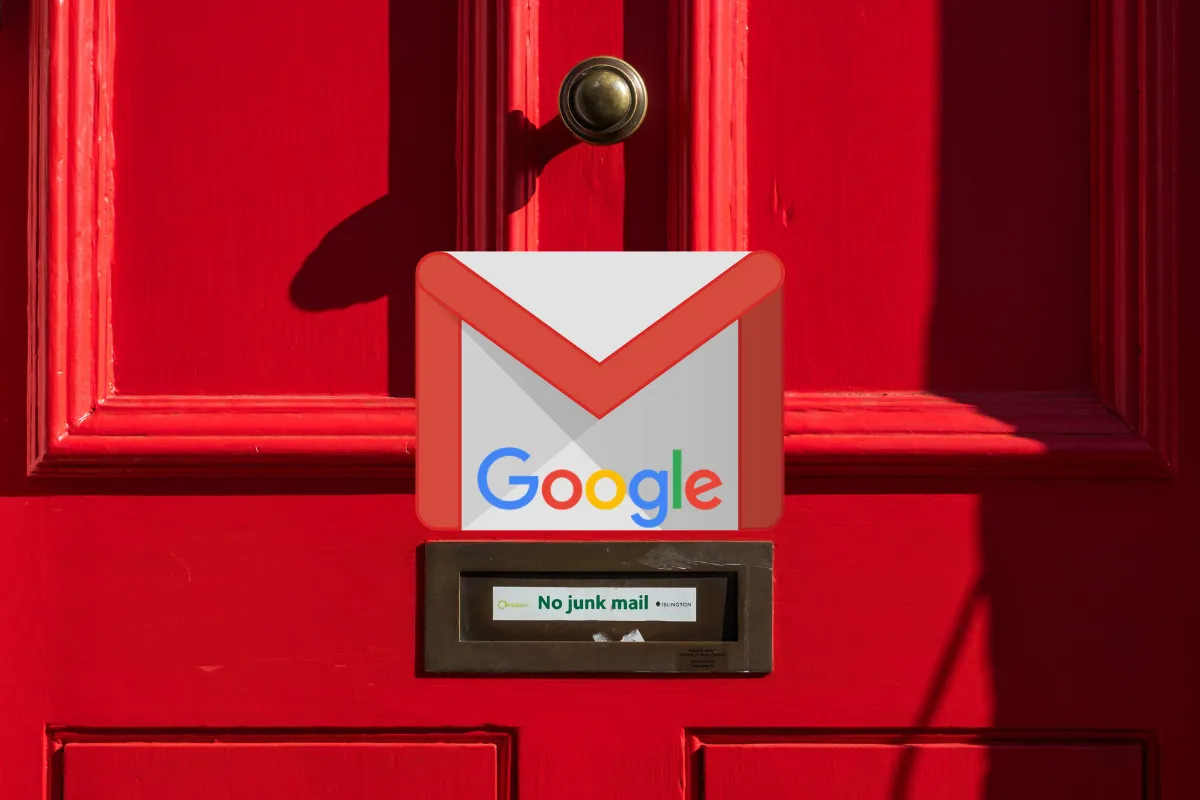
Google takes the use of Tensorflow, a home-grown and open-source machine learning (ML) framework to fix Gmail’s Spam problem. Gmail hitherto features traditionally standard anti-spam system, which fails to counter the issue effectively. So, it seems the Silicon Valley giant has come forth with advanced built-in security protections.

ALSO READ: Google’s Instant Tethering now available on more devices

The world’s leading free email service boasts a monthly userbase around 1.5 billion. Another impressive figure would be its 5 million paying business users who use it in the workplace.

How does Gmail Block Spam Mails?tensorflow_gmail.gif

The use of TensorFlow AI framework compliments existing ML and rules-based protections, which is likely to improve the spam-detection detection capabilities. Google claims that it could now block a whopping 100 million additional spam messages every day.

Spam categories that were earlier difficult to detect would be blocked henceforth. TensorFlow is used to block image-based messages, emails with hidden embedded content, and messages from newly created domains that try to conceal a low volume of spammy messages within legitimate traffic.

ALSO READ: Facebook rolls out ‘Unsend’ message feature in the Latest Update

Google’s AI learns patterns based on user’s mail consumption, behavior, and decisions. So, the intent is not to block messages barely on the email characteristics that match up to those commonly considered “spammy.” Instead, the new mechanism would personalize the protection for each user. Finally, the AI would timely self-enhance the model and refine the granular decisions to effectively tackle spam.

Vasan G.S.Vasan G.S.
An inquisitive mind who spends a big chunk of the day keenly tracking every emerging detail and is responsible for quickly passing on important developments to Smartprix followers. He loves to stay in his bubble scripting his destiny involving amazing technology and people with good character, passion, and brilliance.

Related Articles

ImageInfinix HOT 70 Pro 5G Review: The Mid-Ranger That Wants to Stand Out

The HOT 70 Pro 5G is Infinix’s attempt to make the HOT series more than a straightforward value-focused lineup. The Active Matrix Cube, Dynamic Shine finishes, Sony main camera sensor, IP68 rating, and feature-heavy software give it several things to talk about at ₹25,000. I’ve used the phone for about a week to see how …

ImageGmail signature: How to create a signature for every email on your Gmail account

No matter whether you’re an individual, or a small or large company, Gmail is one of the most popular email providers all around the globe. Because its infrastructure wasn’t enough to provide customers with 1GB of storage back in 2004 during the launch, the technology community is now enthralled with its rich host of features. …

ImageXiaomi Mi A1 Tops The List Of Phones Emitting Most Radiation

Smartphones we daily use and hold close to us emit RF-EMF (radiofrequency electromagnetic fields) radiation, which has been known to negatively impact the development of figural memory. A recent report from the German Federal Office for Radiation Protection lists currently selling phones with emission rates exceeding the safe threshold. The matter of alert is top …

ImageGoogle’s 15GB Free Storage Now Eats into Your Android Backups Too

Google has seemingly closed a loophole that’s existed for years. Starting July 7, every type of data listed in your Android backup settings, SMS messages, call history, and device settings, now counts against your 15GB free Google Account storage, the same pool Gmail, Drive, and Photos already share. Before this, Android’s device backup got a …

ImageApple’s 1TB iPhone 18 Pro Max Uses Slower QLC Storage, Testing Shows

Apple’s 1TB and 2TB iPhone 18 Pro models reportedly use different NAND storage from the 256GB and 512GB versions. Testing by HOMOLAB found QLC NAND in the higher-capacity models, while the lower-capacity versions continue to use TLC. The difference is largely invisible during everyday use because the QLC storage uses an SLC cache to handle …

Discuss

Be the first to leave a comment.