


TL; DR
- Maruti’s 0.31% average hike starts November 22; Hyundai and Tata follow on December 1.
- Maruti, Hyundai and Tata will each have made four price increases in 2026.
- Audi adds up to 2% in January; Mahindra’s electric commercial vehicles also rise.
It’s that time of year again. After the slightly lucrative run of Indian festivals like Dussehra and Diwali, Indian automakers have announced a price hike that is either already effective or will take effect in December.
The list includes most market makers like Maruti Suzuki, Hyundai Motors, Tata Motors PV, and even luxury makers like Audi.

Also Read: BMW M340i Review: The 3 Series Brian O’Connor Would Drive Today
Which Carmakers Are Raising Prices?
Maruti Suzuki
Maruti Suzuki’s increase takes effect first. It is already in effect from November 22, 2026. The hike remains roughly 0.31% on average sales volume. More importantly, this is the fourth time this year prices have been hiked. While the variants aren’t mentioned in the reports, some mention the Fronx becoming up to ₹5,000 more expensive on certain models.
The November 2026 revision follows June (up to ₹30,000), August (₹2,500 to ₹30,000), and September (up to ₹20,000). Maruti calls the step unavoidable, and management hints that additional increases could follow before March 2027.

Also Read: Honda Rebel 500 Gets Cheaper: Made-in-India Cruiser Launched At ₹4.50 Lakh
Hyundai Motors
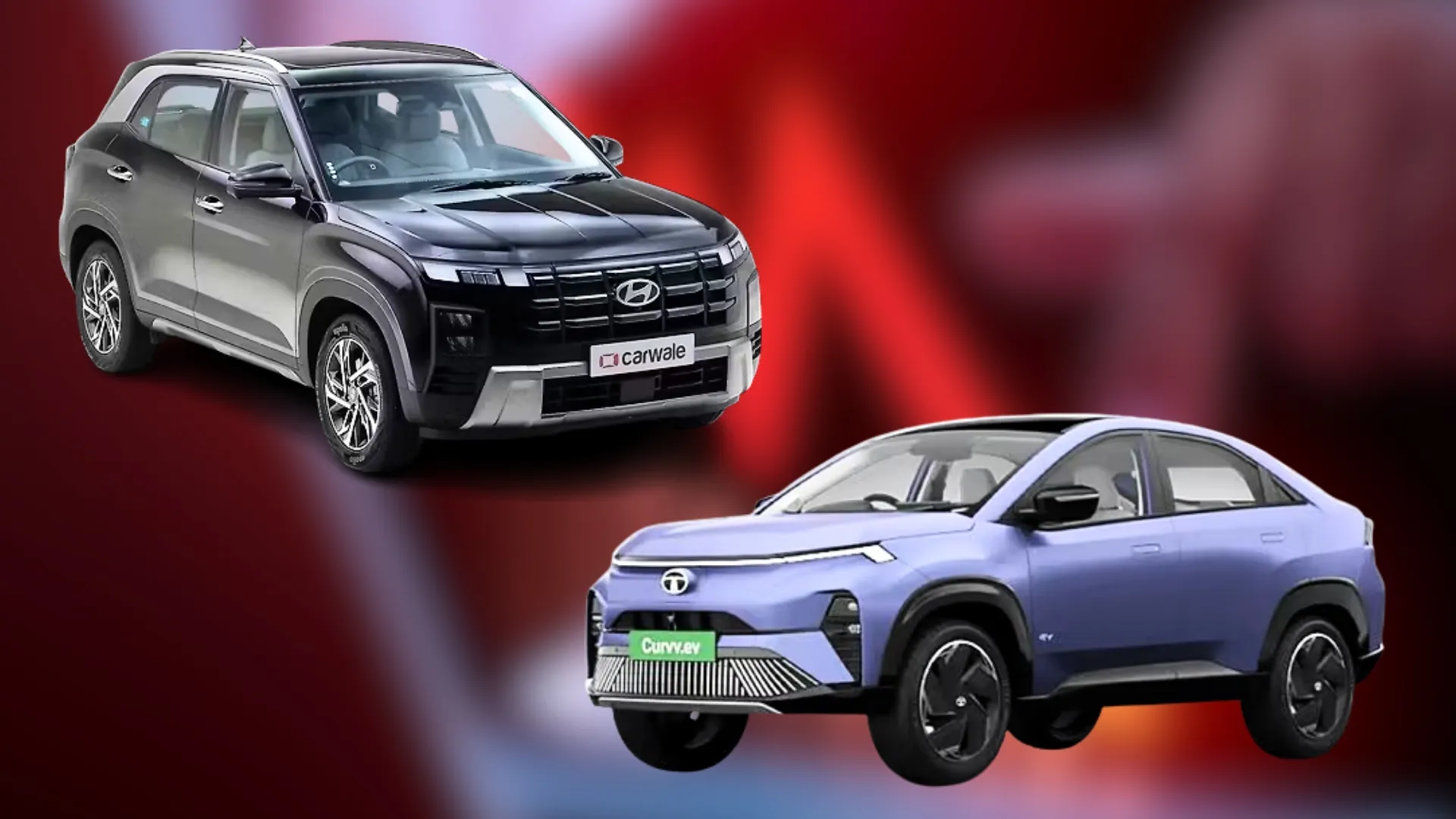
Shortly after Maruti Suzuki announced its price hike, Hyundai broke its announcement: up to ₹8,000 from December 1, 2026. That’s its fourth round, after the company increased prices in January (around 0.6%), June’s ceiling of ₹12,800, and September’s cap of 1% across models.
The Korean automaker also blames steep input costs. However, the specific model revisions aren’t public yet.
Also Read: MG Windsor, Tata Nexon, Kia Syros EV: These Are The Best EVs You Can Buy Under ₹15 Lakh

Tata Motors PV
Tata Motors Passenger Vehicles also applies a 0.5% increase, effective from December 1, 2026. The revision applies to every petrol, diesel, CNG, and EV it sells. Looking at the brand’s track record, it’s the fourth price revision this year, after the one in April (0.5% on ICE cars), July (up to 1.5%), and September (up to ₹25,000).
Also Read: Could India Get Honda-Badged Tata Cars? Here’s What The Reported Talk Means
Audi India
Audi India will add up to 2% across its lineup. The revision will take effect on January 1, 2027, citing rising input costs. However, this is only the second announcement of the year, after up to 2% in April.

| Brand | Latest hike | Effective from | Earlier 2026 rounds |
| Maruti Suzuki | About 0.31% average, select models | November 22, 2026 | June, August, September |
| Hyundai | Up to ₹8,000 | December 1, 2026 | January, June, September |
| Tata Motors PV | 0.5% across petrol, diesel, CNG and EV | December 1, 2026 | April, July, September |
| Audi India | Up to 2% | January 1, 2027 | April 1, 2026 |
| Mahindra Last Mile Mobility | Small, size not stated | January 2027 | Two, 5% cumulative |
Also Read: Land Rover’s Baby Defender EV May Be Coming Sooner Than Expected: Here’s Everything We Know
Why Do 2026’s Price Hikes Feel So Relentless?
One word: chronology. Those who have followed the market since the beginning of the year will feel this more acutely. Traditionally, automakers revised vehicle prices twice a year, usually in January and April. This was the prevailing trend between 2020 and 2022.
However, since 2023, carmakers have shifted to more frequent, segmented price revisions, with three or even four increases annually. As I highlighted in the dedicated automaker section, this round of hikes marks either the third or fourth increase this year. That’s why these repeated price revisions are starting to feel so relentless.

Also Read: VinFast VF5 Facelift For India: 370 km Range, A 10-Inch Screen & An Expected ₹12 Lakh Starting Price
Now, let me present to you my math on one car. Maruti’s model-wise lists show the Swift ceilings at ₹7,500 in June, ₹5,000 in August, and ₹5,000 in September. If you club all the price hikes, including the one valid from November 22, 2026, we’re looking at a revision of around ₹20,000 for one car. For a car with a starting price under ₹6 lakhs (ex-showroom), that matters.
The underlying pressure, however, is genuine. Maruti’s material costs climbed to 79.9% of net sales from 75.%, especially as hot-rolled steel rose 30% year on year in September. And I’ve named just one component. Just like the consumer technology market, component costs are increasing (if not skyrocketing) in the auto market as well.

Also Read: India’s Festive Season Gave Electric Cars A 69% YoY Jump, And Petrol Cars A Massive Slide
| Maruti Swift, one variant, worst case | Hike ceiling |
| June 2026 | Up to ₹7,500 |
| August 2026 | Up to ₹5,000 |
| September 2026 | Up to ₹5,000 |
| Total through September | Up to ₹17,500, about 3% of ₹5.8 lakh |
| November 2026 | About 0.31% average, model list pending |
If you’re planning to buy a car this month, or in December, make sure that you get a clear breakdown of the on-road price. Negotiate the cash discount on ex-showroom pricing, not on-road pricing, especially if there are optional bits (extended warranty, accessories, service programs) in your quotation.
If you’re locking in a deal today but want delivery in December, confirm with the dealer whether the price hike will apply to your delivery (next month). Getting it in writing is the best option, though most dealers skip this entirely.
Also Read: Tesla Cybertruck Production To End By Late 2027: Here’s The Real Reason Cybertruck Is Going Away

You can follow Smartprix on Twitter, Facebook, Instagram, and Google News. Visit smartprix.com for the latest tech and auto news, reviews, and guides.