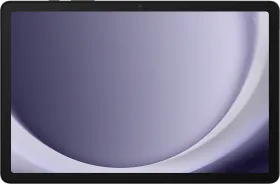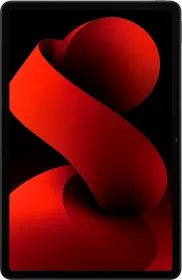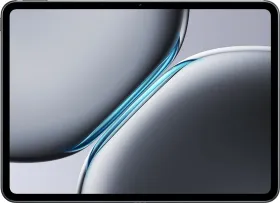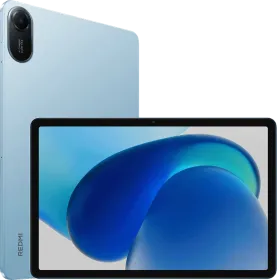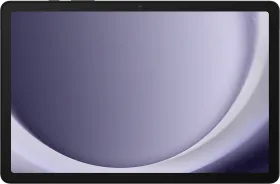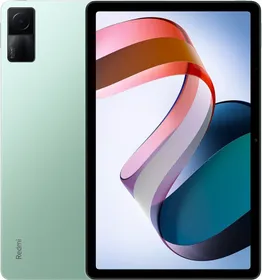


Poco Pad Tablet vs Xiaomi Redmi Pad SE Tablet
Here you can compare Poco Pad Tablet and Xiaomi Redmi Pad SE Tablet. Comparing Poco Pad Tablet vs Xiaomi Redmi Pad SE Tablet on Smartprix enables you to check their respective specs scores and unique features. It would potentially help you understand how Poco Pad Tablet stands against Xiaomi Redmi Pad SE Tablet and which one should you buy The current lowest price found for Poco Pad Tablet is ₹24,990 and for Xiaomi Redmi Pad SE Tablet is ₹11,999. The details of both of these products were last updated on Jun 06, 2026.
| Specification | Poco Pad Tablet | Xiaomi Redmi Pad SE Tablet |
|---|---|---|
| Battery | 10000 mAh | 8000 mAh, Li-Po Battery |
| OS | Android v14 | Android v13 |
| Rear Camera | 8 MP ƒ/2 (Wide Angle) 1/4.0", 1.12µm | 8 MP ƒ/2 (Wide Angle) 1/4", 1.12µm, AF |
| CPU | 2.4 GHz, Octa Core Processor | 2.4 GHz, Octa Core Processor |
| Internal Memory | 256 GB | 128 GB |
| Price | ₹24,990 | ₹11,999 |
- Like
- Comment
- Share
Overview
| Specs Score | 66 / 100 Better Specs | 56 / 100 |
| Display Size | 12.1 in Bigger Display | 11 in |
| Display Resolution | 1600 x 2560 pixels Better Resolution | 1200 x 1920 pixels |
| RAM | 8 GB More RAM | 4 GB |
| Storage | 256 GB More Storage | 128 GB |
| Front Camera | 8 MP Better Front Camera Resolution | 5 MP |
| Weight | 571 g | 478 g Lighter |
| Battery | 10000 mAh Bigger Battery | 8000 mAh |
General
| Model | 2405CPCFBG | Redmi Pad SE |
| Sim Type | No Sim Supported, No Sim Supported | No Sim Supported, No Sim Supported |
| Dual Sim | No | No |
| Device Type | Tablet | Tablet |
| Release Date | May 23, 2024 | August 15, 2023 |
| In The Box | Redmi Pad SE, Power Adapter, USB Cable, Warranty Card, User Guide |
Design
| Dimensions | 181.9 x 280 x 7.5 mm | 167.08 x 255.53 x 7.36 mm |
| Weight | 571 g | 478 g |
| Colors | Dark Gray, Blue | Lavender Purple, Graphite Gray, Mint Green |
Display
| Type | Color IPS Screen (16M Colors) | Color IPS Screen (16.7 m) |
| Touch | Yes | Yes, 180 Hz Touch Sampling Rate |
| Size | 12.1 inches, 1600 x 2560 pixels, 120 Hz | 11 inches, 1200 x 1920 pixels, 90 Hz |
| Aspect Ratio | 16:10 | 15:09 |
| PPI | ~ 249 PPI | ~ 207 PPI |
| Screen to Body Ratio | ~ 83.4% | ~ 84.4% |
| Glass Type | Corning Gorilla Glass 3 | |
| Features | Dolby Vision, 600 nits (HBM) | 400 nits(typ) Brightness, Contrast ratio: 1500:1, Color gamut: 70% NTSC |
Memory
| RAM | 8 GB | 4 GB |
| Storage | 256 GB | 128 GB |
| Storage Type | UFS 2.2 | |
| Card Slot | Yes | Yes, upto 1 TB |
Connectivity
| 3G | No | No |
| Wifi | Yes | Yes, with wifi-hotspot |
| Wifi Version | Wi-Fi 5 | |
| Bluetooth | Yes, v5.2 | Yes, v5.0, A2DP, LE |
| USB | Yes, USB-C v2.0 | Yes, USB-C |
| USB Features | USB Tethering, USB on-the-go, USB Charging |
Extra
| GPS | Yes, with A-GPS, GLONASS, GALILEO, QZSS (5G model only) | |
| Sensors | Accelerometer, Gyro, Proximity | Accelerometer, Proximity, Hall Sensor |
| 3.5mm Headphone Jack | Yes | Yes |
| Extra Features | Quad Speakers with Dolby Atmos, LPDDR4X RAM + eMMC 5.1 |
Camera
| Rear Camera | 8 MP ƒ/2 (Wide Angle) 1/4.0", 1.12µm | 8 MP ƒ/2 (Wide Angle) 1/4", 1.12µm, AF |
| Auto Focus | Yes | |
| Features | HDR | Panorama, HDR |
| Video Recording | 1080p @ 30 fps FHD | 1080p @ 30 fps FHD |
| Flash | Yes, LED | |
| Front Camera | 8 MP ƒ/2.3 (Wide Angle) 1/4.0", 1.12µm | 5 MP ƒ/2.2 (Ultra Wide) 1/5", 1.12µm |
| Front Video Recording | 1080p @ 30 fps FHD | 1080p @ 30 fps FHD |
Technical
| OS | Android v14 | Android v13 |
| Custom UI | MIUI Pad 14 | |
| Chipset | Qualcomm Snapdragon 7s Gen2 | Qualcomm Snapdragon 680 |
| CPU | 2.4 GHz, Octa Core Processor | 2.4 GHz, Octa Core Processor |
| Core Details | 4x2.4 GHz Kryo 265 Gold & 4x1.9 GHz Kryo 265 Silver | |
| GPU | Adreno 710 | Adreno 610 |
| Java | No | No |
| Browser | Yes | Yes |
Multimedia
| Yes | Yes | |
| Music | Yes | Yes |
| Video | Yes | Yes |
| FM Radio | No | No |
| Document Reader | Yes | Yes |
Battery
| Type | Non-Removable Battery | Non-Removable Battery |
| Size | 10000 mAh | 8000 mAh, Li-Po Battery |
| Fast Charging | Yes, 33W | Yes, 10W |
Discuss
Related News
 Xiaomi Pad 8 Review: Flagship-Level Tablet Without the Flagship Price
The Xiaomi Pad 8 arrives at a time when electronics are getting more expensive. RAM prices are rising, chipsets are becoming costlier, and many new phones and tablets are slowly pushing their prices upward. I…
 Redmi Pad 2 Pro vs OnePlus Pad Go 2: Which Mid-Range Tablet Makes More Sense?
At first glance, the Redmi Pad 2 Pro and the OnePlus Pad Go 2 seem to be competing in the same space. Both are large mid-range Android tablets with high-refresh-rate displays, modern designs, and long-term so…
 OnePlus Pad 4 Review: Stronger, Smarter, and Easily One of the Smoothest Android Tablets Yet
OnePlus is back with the Pad 4, and this time, you get a faster chip, a bigger battery, and software that is more polished with more features. It builds on what the previous Pad already did well, and with the…
 ASUS Calls India Its ‘Home Country’ and It’s Treating the Market That Way
India is no longer just a growth market for ASUS. It’s the growth market. ASUS General Manager for APAC Peter Chang says India is now the company’s biggest market in Asia-Pacific and its third-largest worldwi…