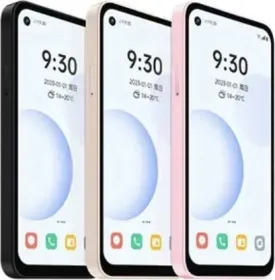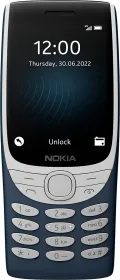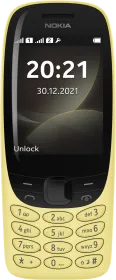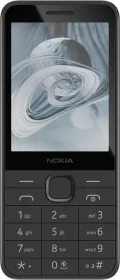


Nokia 8000 4G vs Xiaomi Qin 2 Pro
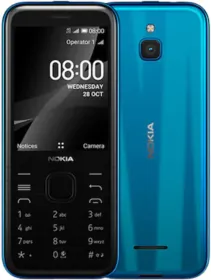
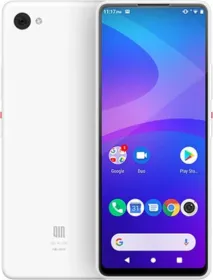
Here you can compare Nokia 8000 4G and Xiaomi Qin 2 Pro. Comparing Nokia 8000 4G vs Xiaomi Qin 2 Pro on Smartprix enables you to check their respective specs scores and unique features. It would potentially help you understand how Nokia 8000 4G stands against Xiaomi Qin 2 Pro and which one should you buy The current lowest price found for Nokia 8000 4G is ₹6,899 and for Xiaomi Qin 2 Pro is ₹9,990. The details of both of these products were last updated on Oct 02, 2026.
| Specification | Nokia 8000 4G | Xiaomi Qin 2 Pro |
|---|---|---|
| Battery | 1500 mAh | 2100 mAh |
| Internal Memory | 4 GB | 64 GB |
| Rear Camera | 2 MP | 13 MP |
| RAM | 512 MB | 2 GB |
| Display | 2.8 inches, 240 x 320 pixels | 5 inches, 576 x 1440 pixels |
| Price | ₹6,899 | ₹9,990 |
- Like
- Comment
- Share
Overview
| Specs Score | 18 / 100 | 27 / 100 Better Specs |
| Display Size | 2.8 in | 5 in Bigger Display |
| Display Resolution | 240 x 320 pixels | 576 x 1440 pixels Better Resolution |
| Screen To Body Ratio | ~ 32.5% Less Bezels | |
| RAM | 512 MB | 2 GB More RAM |
| Storage | 4 GB | 64 GB More Storage |
| CPU Clock Speed | 1.1 GHz | 1.3 GHz Faster Clock Speed |
| Rear Camera | 2 MP | 13 MP Better Camera Resolution |
| Thickness | 12.3 mm | 8.5 mm Slimmer |
| Battery | 1500 mAh | 2100 mAh Bigger Battery |
| Unique Features | 4G FM Radio Memory Card Support | No No No |
General
| Model | 800 4G | Qin 2 Pro |
| Sim Type | Dual Sim, GSM+GSM | Dual Sim, GSM+GSM |
| Dual Sim | Yes | Yes |
| Sim Size | Nano SIM | Nano+E-Sim |
| Device Type | Smartphone | |
| Release Date | November 13, 2020 |
Design
| Dimensions | 56.5 x 132.2 x 12.3 mm | 55.4 x 132.6 x 8.5 mm |
| Weight | 110.2 g | 105 g |
Display
| Type | Color TFT Screen (16M Colors) | Color IPS Screen (16M Colors) |
| Touch | Yes | |
| Size | 2.8 inches, 240 x 320 pixels | 5 inches, 576 x 1440 pixels |
| Aspect Ratio | 4:3 | |
| PPI | ~ 143 PPI | ~ 310 PPI |
| Screen to Body Ratio | ~ 32.5% | |
| Notch | No |
Memory
| RAM | 512 MB | 2 GB |
| Storage | 4 GB | 64 GB |
| Card Slot | Yes |
Connectivity
| GPRS | Yes | Yes |
| EDGE | Yes | Yes |
| 3G | Yes | Yes |
| 4G | Yes | |
| VoLTE | Yes | |
| Wifi | Yes, with wifi-hotspot | Yes, with wifi-hotspot |
| Bluetooth | Yes | Yes |
| USB | Yes, microUSB | Yes, USB-C |
| USB Features | USB Tethering, USB on-the-go, USB Charging |
Extra
| GPS | Yes, with A-GPS | Yes |
| 3.5mm Headphone Jack | Yes | Yes |
Camera
| Rear Camera | 2 MP | 13 MP |
| Auto Focus | Yes | |
| Video Recording | No | Yes |
| Flash | Yes, LED | |
| Front Camera | No | No |
Technical
| OS | ||
| Chipset | Qualcomm Snapdragon 210 | Unisoc SC9832E |
| CPU | 1.1 GHz, Quad Core Processor | 1.3 GHz, Quad Core Processor |
| Core Details | Quad-core CPU, 4x ARM Cortex A7 | |
| GPU | Adreno 304 | |
| Java | No | No |
| Browser | Yes |
Multimedia
| Yes | ||
| Music | Yes | |
| Video | Yes | |
| FM Radio | Yes | No |
Battery
| Type | Non-Removable Battery | Non-Removable Battery |
| Size | 1500 mAh | 2100 mAh |
Discuss
Related News
 Xiaomi 17 vs Motorola Edge 70 Pro+: Do You Really Need to Spend ₹42,000 More for the Same Camera System?
The Motorola Edge 70 Pro+ costs ₹47,999. The Xiaomi 17 costs ₹89,999, a full ₹42,000 more. Both phones pack a 50MP periscope zoom lens and 4K video recording, but the Motorola Edge 70 Pro+ adds a fourth 50MP …
 The iPhone 18 Pro Max’s Rumoured Camera Upgrade Could Fix Apple’s Biggest Photo Problem
Apple rarely rushes to add hardware features that Android phones have had for years. With the iPhone 18 Pro Max, though, Apple looks ready to borrow a feature from Samsung and Xiaomi. This time, Apple seems s…
 Exclusive: Xiaomi 18 Pro will be the company’s only flagship launch in India this year
Xiaomi appears to be reshuffling its flagship smartphone strategy for India, with the company is now expected to bring only the Xiaomi 18 Pro to the country later this year. The information comes courtesy of …
 Sony LinkBuds Clip Review: Great Open-Ear Earbuds In A Market Still Learning Why They Matter
It’s difficult to understand clip-style earbuds until you actually try them on. It’s not a trend that might pass away with time, but rather a shift in consumer behavior from immersive, isolated earbuds to one…