


TL; DR
- Skoda’s new Superb brings a 2.0-liter TDI diesel back to India after six years.
- It arrives as E20 petrol confusion and diesel demand both climb sharply in India.
- Diesel’s passenger vehicle registration share rose to 19.39% in FY27, up from 18.08%.
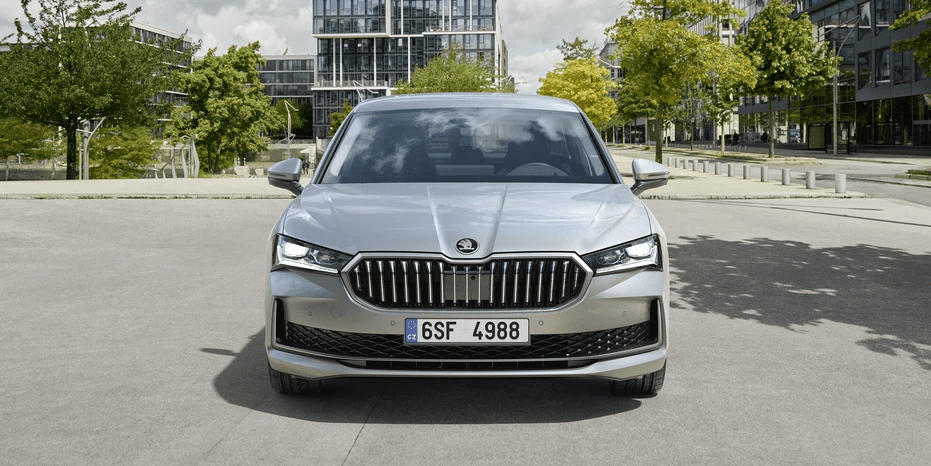
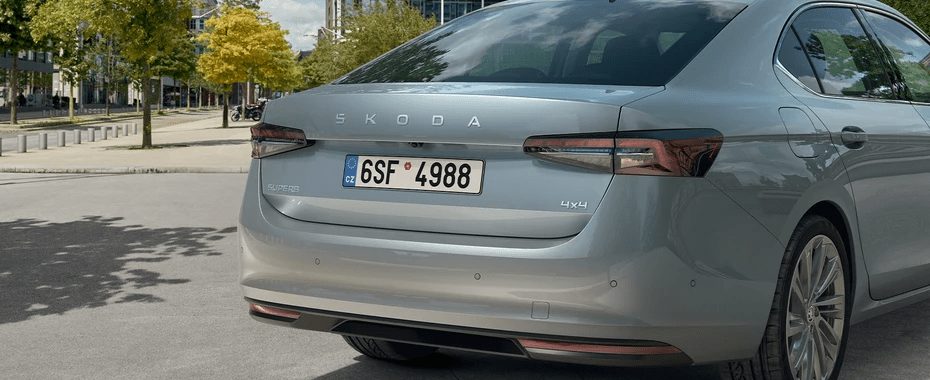
Skoda pulled off something nobody quite expected at its Slavia facelift event this week: unveiling the fourth-generation Superb for India, with a diesel engine under the hood. It marks the first time in six years that a Volkswagen Group product will offer diesel power in the country, and the timing says as much about shifting buyer sentiment as it does about the car itself.
Also Read: 2026 Skoda Slavia Facelift Unveiled: New Look, New Gearbox, No Price Yet
The Diesel Engine, Explained
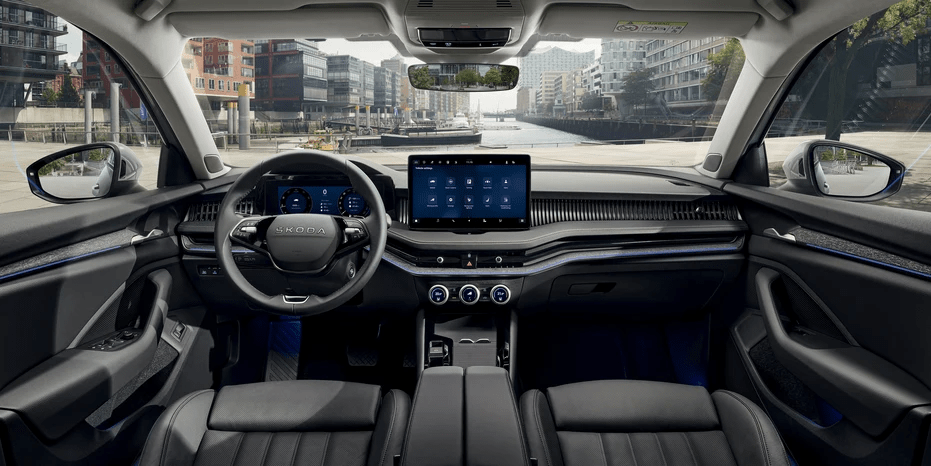
Skoda will offer the new Superb only in its range-topping Laurin & Klement trim, arriving in India as a completely built unit import ahead of a launch expected in the first half of 2027, with deliveries slated for the second quarter of that year. The diesel option sits right at the center of that positioning.
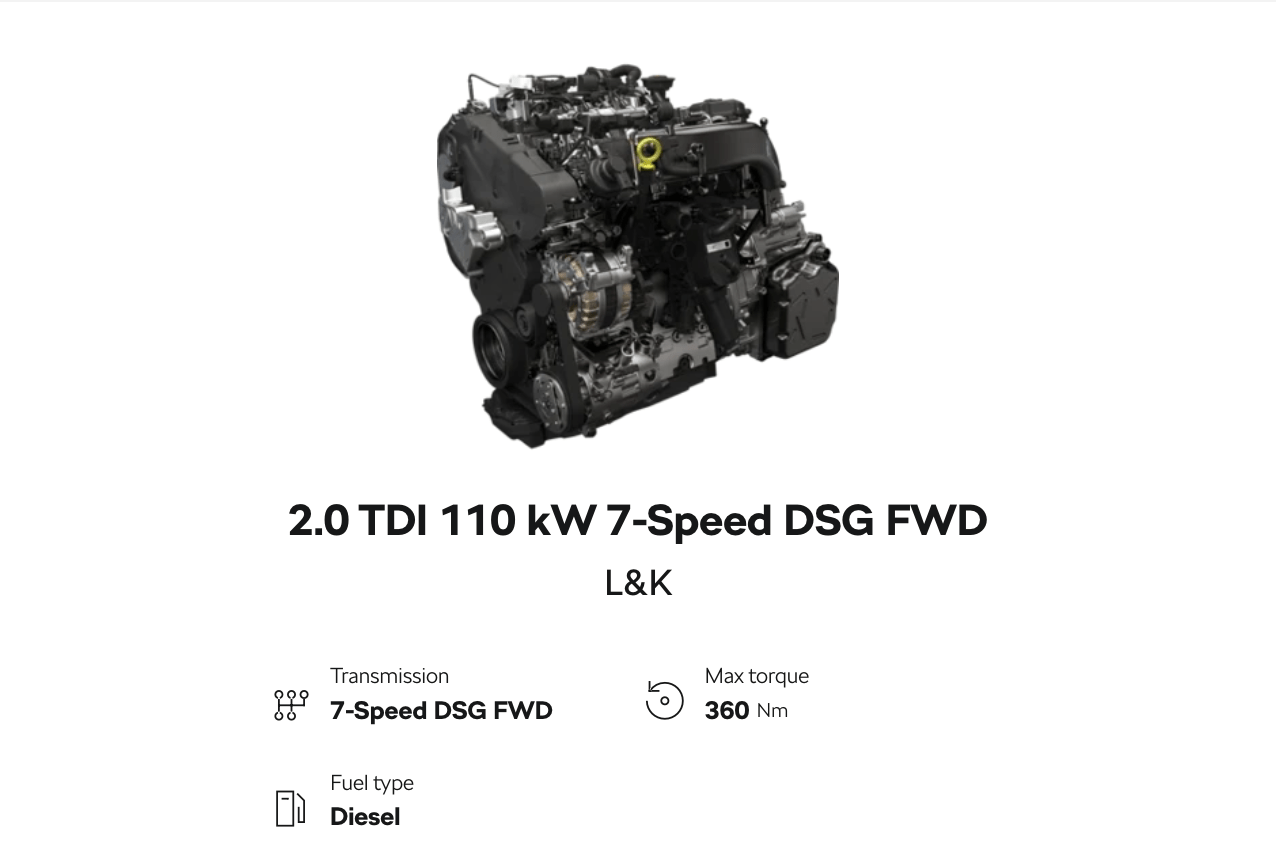
The engine is a 2.0-liter TDI four-cylinder producing 148PS (some early listings round it up to 150hp) and 360Nm of torque, paired exclusively with a 7-speed dual-clutch automatic gearbox driving the front wheels. Skoda claims a 0-100kmph time of 9.2 seconds and a limited top speed of 225kmph.
Also Read: Next-Gen Audi Q3 Teased Ahead Of August 25 India Debut
Being a modern BS6-compliant unit, this TDI relies on Selective Catalytic Reduction, which means it needs a separate AdBlue (urea) tank topped up periodically, the same setup used by nearly every diesel above 1.5 liters sold in India today.
| Spec | Skoda Superb 2.0 TDI |
| Engine | 2.0-liter TDI, 4-cylinder |
| Power | 148PS (some listings: 150hp) |
| Torque | 360Nm |
| Transmission | 7-speed DSG (dual-clutch automatic) |
| Drivetrain | Front-wheel drive |
| 0-100kmph | 9.2 seconds (claimed) |
| Top speed | 225kmph (electronically limited) |
| Emissions setup | BS6-compliant, SCR with AdBlue (urea) |
| Trim offered | Laurin & Klement only |
| Import route | Completely Built Unit (CBU) |
| Expected launch | H1 2027 |
| Expected deliveries | Q2 2027 |
Also Read: Maruti Confirms September 5 Launch For The Updated Baleno Hatchback
Diesel is not new to the Superb nameplate. The pre-BS6 third-generation car sold in India with a 177PS 2.0-liter TDI, and the wider Skoda-Volkswagen stable once offered diesel across the Octavia, Rapid, Kodiaq, and the Volkswagen Vento and Passat, all of which lost their oil-burners when the group chose not to fund a BS6 upgrade for diesel back in 2020.
Why Diesel (And EVs) Are Winning Back Believers
None of this is happening in a vacuum. Over the past year, confusion around E20 ethanol-blended petrol has steadily chipped away at buyer confidence in conventional petrol cars.
While customers insist that the mileage gap is higher than the claimed single-digit numbers, the government maintains the efficiency hit is minor, generally in the low single digits. Still, the gap between that official line and what owners are reporting on the ground has only widened as the country moves toward even higher blends like E22 and E25.
Also Read: Exter Knight Edition Returns: Matte Black Badging, Brass Cabin Accents, ₹8.14 Lakh.
Vehicle registration data from Vahan and the Federation of Automobile Dealers Associations shows diesel’s share of passenger vehicle registrations climbing to 19.39% so far in FY27, up from 18.08% in FY26, with average monthly diesel registrations rising nearly 15% to around 82,000 units.
| Metric | FY26 | FY27 (YTD) |
| Diesel share of PV registrations | 18.08% | 19.39% |
| Average monthly diesel registrations | ~71,400 units | ~82,000 units |
Also Read: Volkswagen Confirms Kylaq-Based Compact SUV Is Coming To India
There’s a longer-horizon logic at play too. India’s end-of-life vehicle rules add another layer to this calculation. In Delhi-NCR, diesel cars face a 10-year usability cap, while petrol cars have 15 years under National Green Tribunal orders; most other states apply a uniform 15-year window regardless of fuel type.
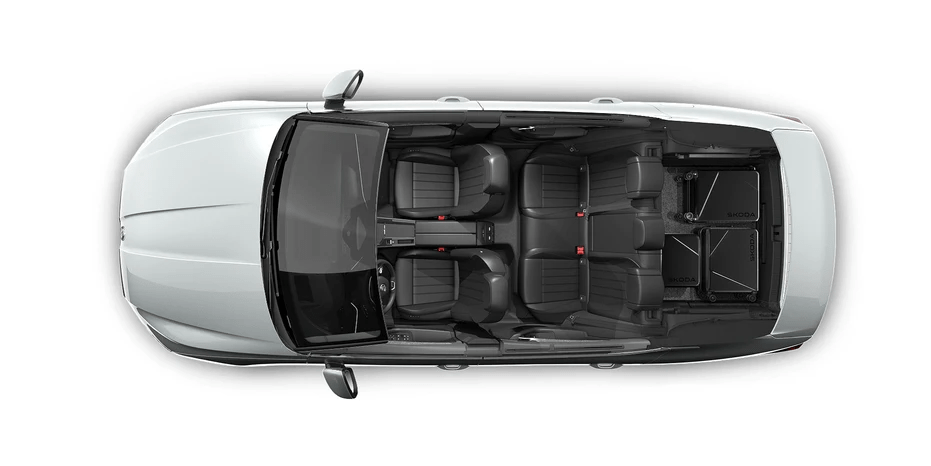
For someone planning to keep a car for a decade or more, that kind of long-term regulatory clarity, however imperfect, currently counts for more than any near-term running-cost advantage petrol might offer. In my view, Skoda’s timing with the Superb TDI, even as a low-volume import, looks less like a diesel revival for its own sake and more like a hedge against exactly this kind of fuel uncertainty.
Also Read: These Were The Best-Selling Cars In H1 2026, According To Their Fuel Type

You can follow Smartprix on Twitter, Facebook, Instagram, and Google News. Visit smartprix.com for the latest tech and auto news, reviews, and guides.