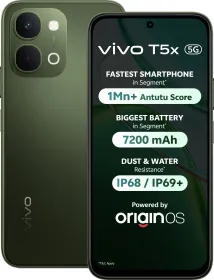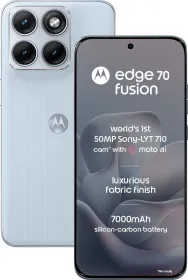


Ten years ago, if you asked anyone which phone took the best photos, they would point to the iPhone. That was the benchmark. Every other brand was measured by how close it could get. Then the vivo X series showed up with one goal: become the new benchmark.
I have lived with every X series phone since the X50. I used each one as my daily driver. That matters because daily use shows you what a launch event never does. You see how a camera handles an ordinary day, poor light, and no time to prepare. The X90 Pro made this clear to me. It became one of the strongest camera phone contenders at the Smartprix People’s Choice Awards.
X-Series moved smartphone photography benchmark
Since 2024, I see the vivo X series as the benchmark for camera phones. ZEISS-backed hardware and software play a big role, but the real proof is who agrees. The X100 Pro and X200 Pro both won best camera phone awards. That means vivo has convinced not just reviewers like me, but more importantly, the audience.
I pay attention to that second part. The audience does not care about a spec sheet. They care if the photo of their child, their trip, or their dinner looks right. They vote with their choices. When people keep picking the same brand, the argument is settled.
So when the X500 series arrived, I wanted to know what it would do next. Would vivo raise the bar again?
Why the X500 Pro Max got my attention
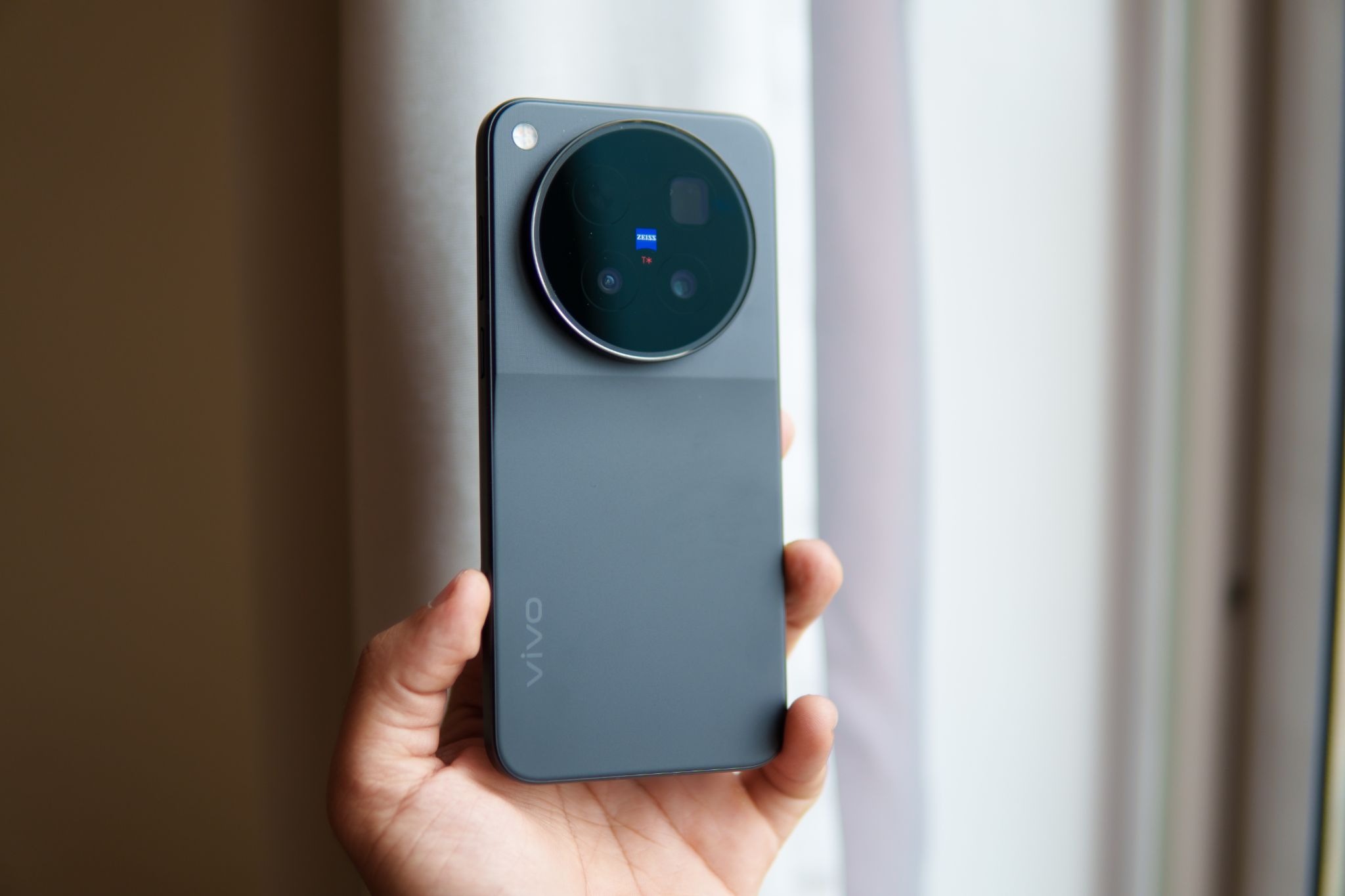
When I tested the vivo X500 Pro Max, the first Pro Max camera phone from vivo, I expected a lot. The name sets a clear expectation. A Pro Max should be the most capable, not just the biggest. The feature set showed vivo understood that.
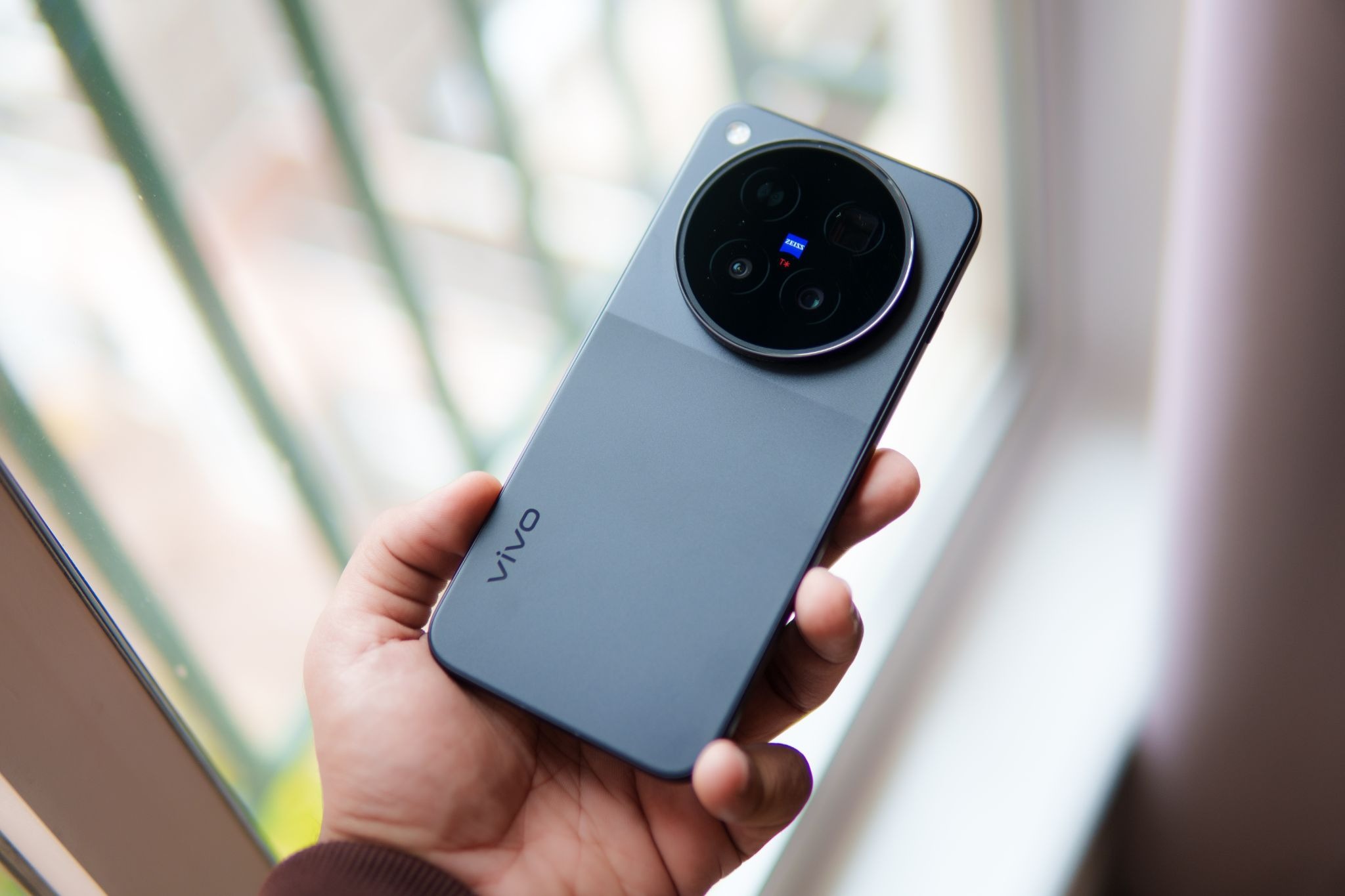
Telephoto AF Tracking Snapshot and Video, 4K 240 fps Cinematic Slow-Mo Video, and the new ZEISS TrueDynamic Main Camera stood out to me. There is more to these than just the names. On paper, they sound like marketing. I wanted to see how they work in real use.
One question for Kenya: can a phone do a proper wildlife shoot?
I took the X500 Pro Max to Kenya, to Nairobi National Park and Lake Naivasha, to find out. In everyday photography, vivo has done a good job for years. Wildlife is different. Animals never wait for you to take a shot.
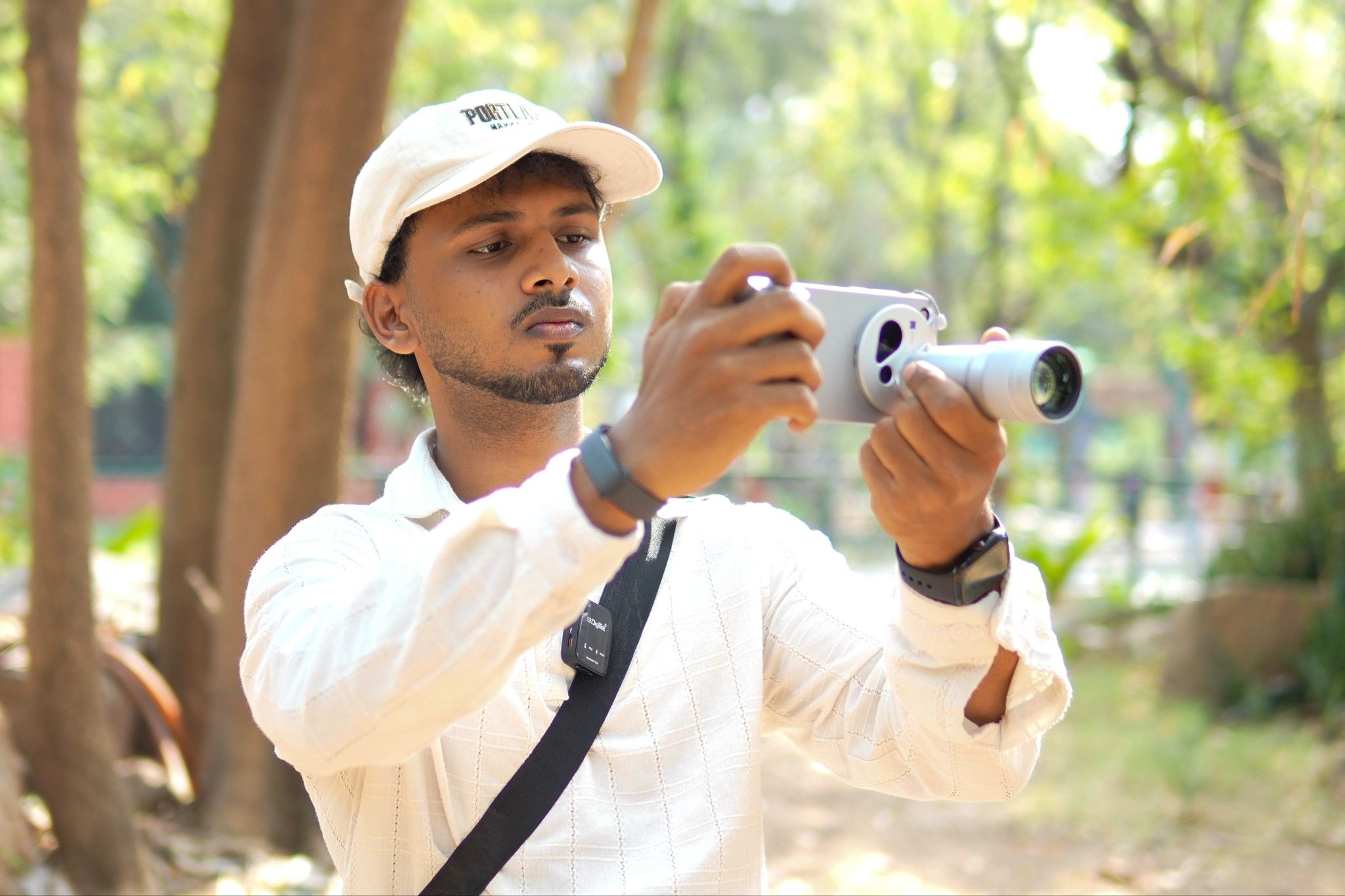
I was blown away by what vivo did with the X500 Pro Max. I never thought they would take it this far. Here is how it went, one test at a time.
Test one: birds, elephants and Telephoto AF Tracking Snapshot and Video
I went to Lake Naivasha, where birds moved everywhere. Fish eagles dropped from branches. Pelicans lifted off the water. Cormorants shifted the moment I settled on them. This was the perfect place to test AF tracking snapshot.
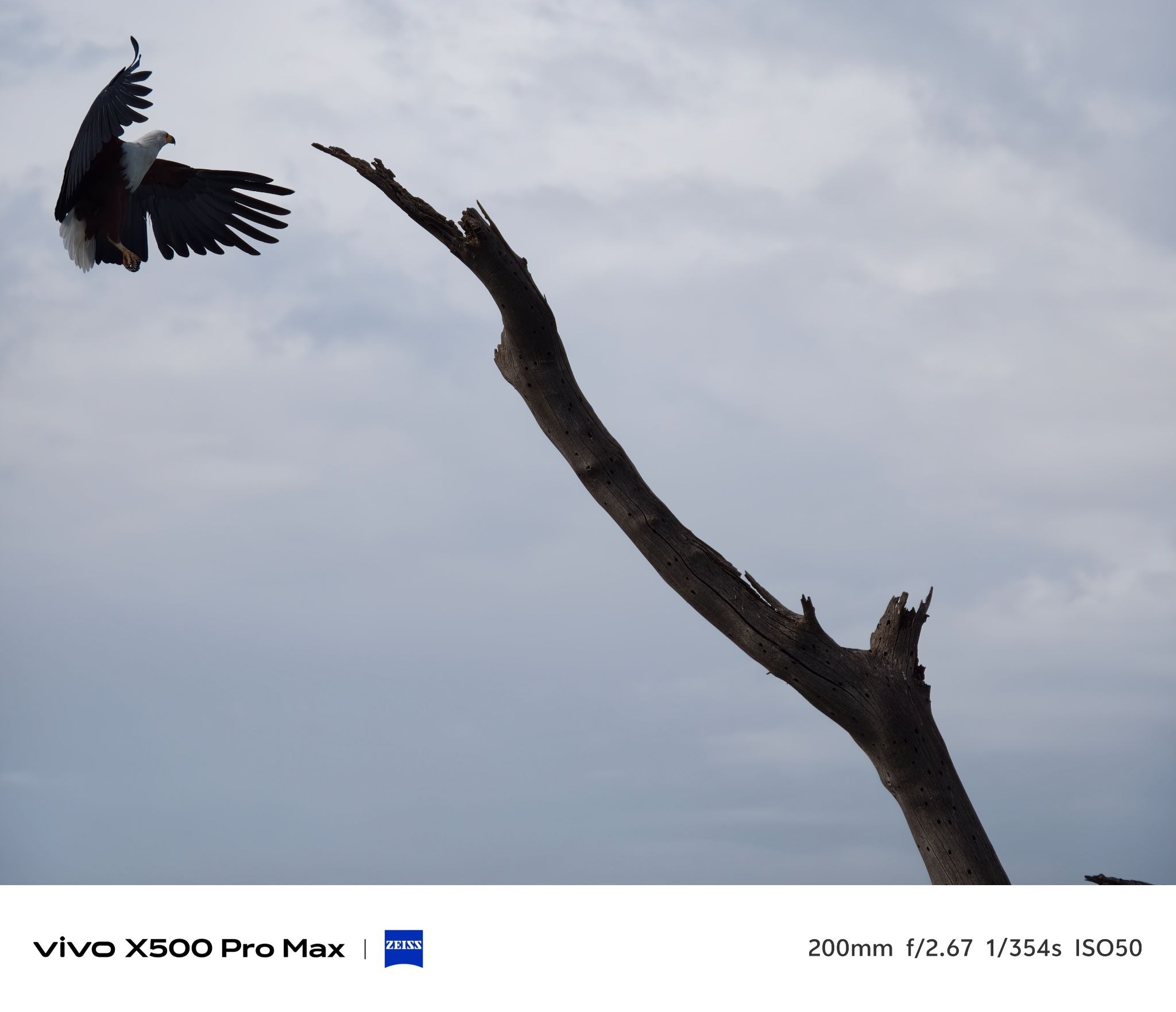
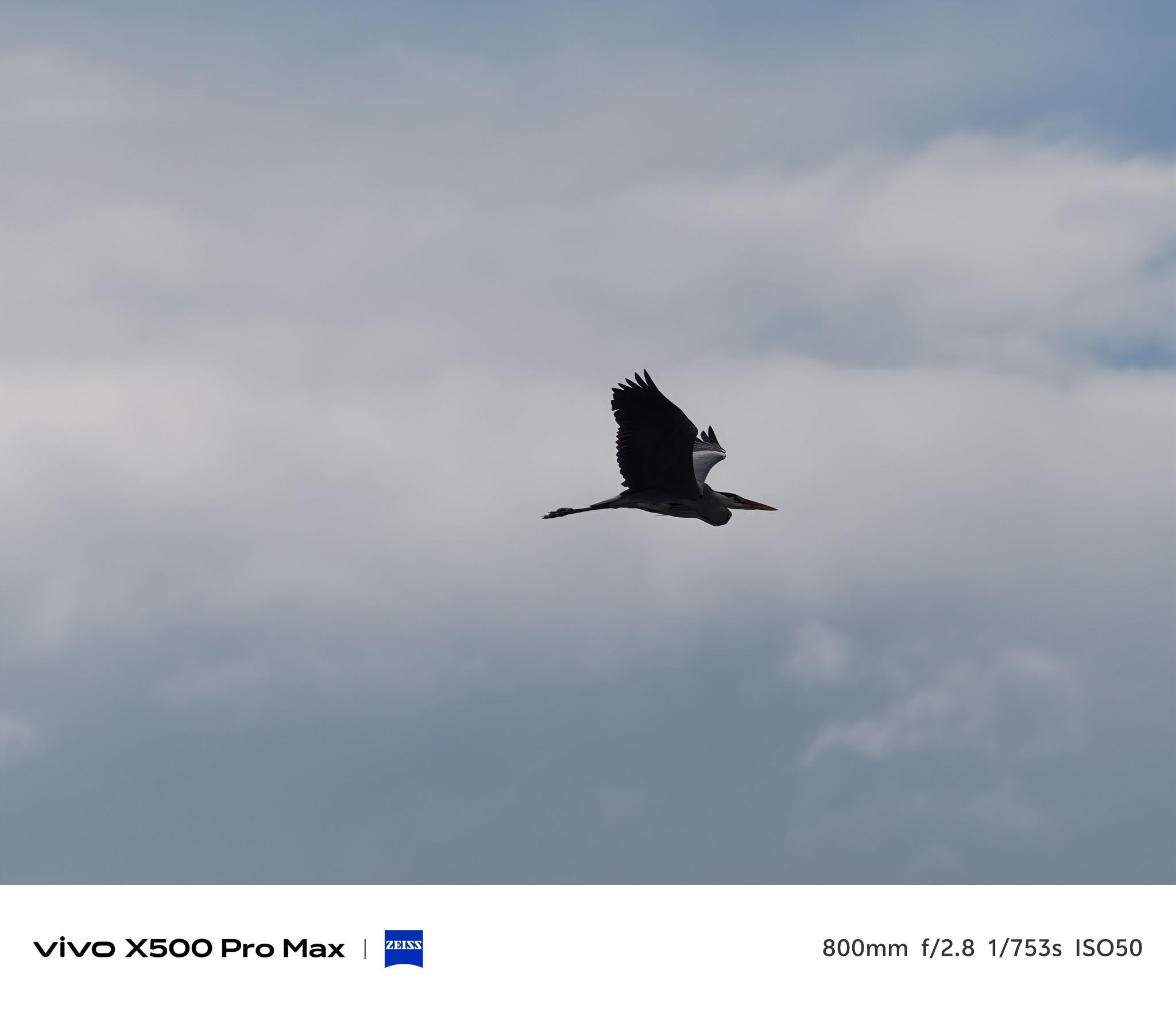
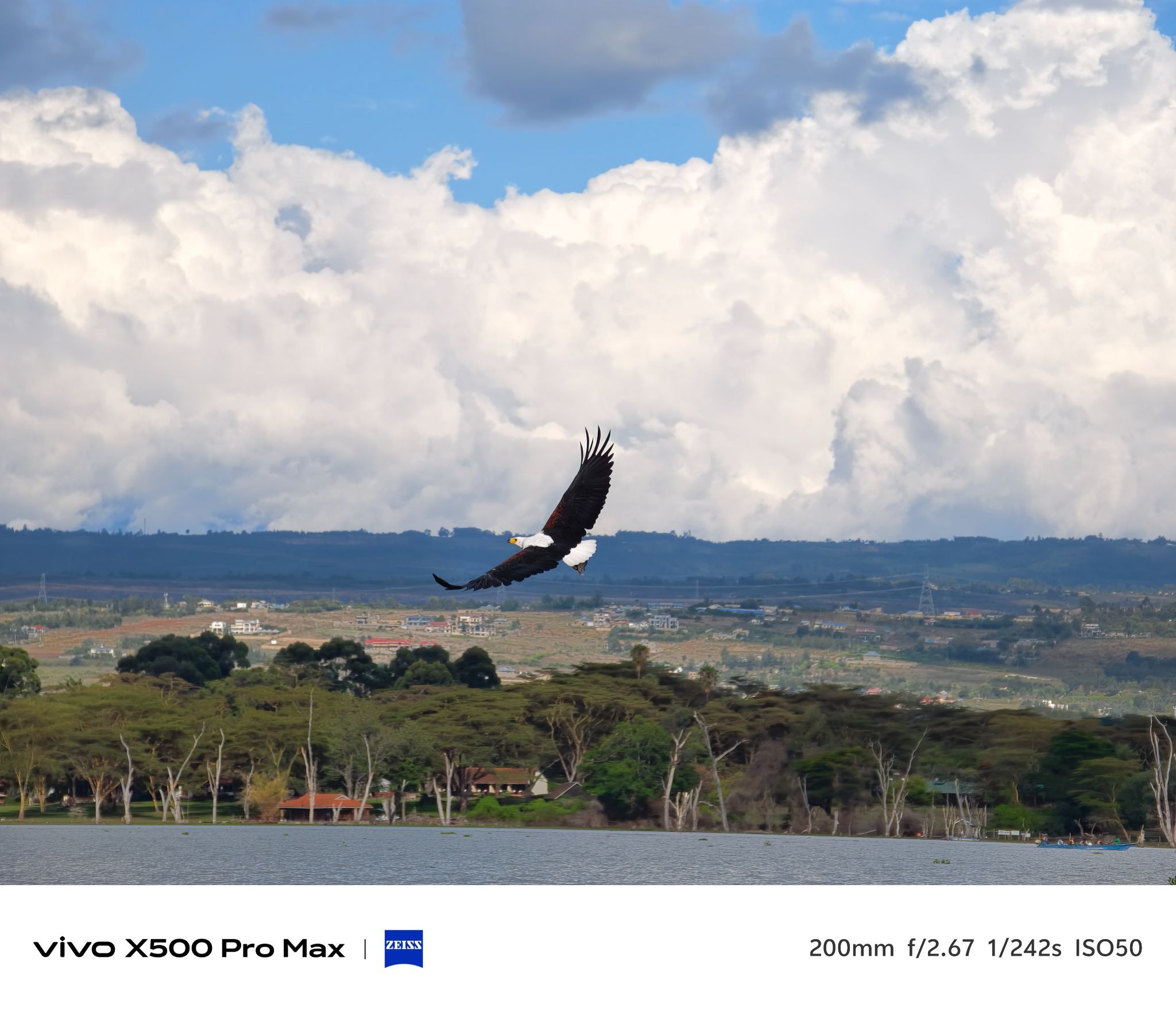
On the X500 Pro Max, the main and telephoto cameras can make up to 60 focus adjustments every second in Snapshot mode and some video modes. Think of it as the camera checking its aim sixty times a second instead of just once. vivo says the actual rate depends on light and video settings, so 60 is the maximum.
Why does this matter on a long lens? A telephoto magnifies the subject and every mistake. The sharp area gets thinner as focal length grows. A small focus error turns an eye into a blur. A bird in flight makes small errors constant. Tracking stops that from happening in every frame.
The frame I keep coming back to shows a baby elephant tipping its head back, trunk curled around a milk bottle. Nothing in that scene holds still. The trunk swings, the bottle tilts, the head keeps moving. Yet the eye and the folds of skin on the trunk stay crisp against a soft green background. That is the kind of result tracking is meant to deliver. It made me trust it before I even got to the birds.
Two tools make it easier. Lock-On Subject Tracking lets you double-tap a subject, and the camera keeps following it, even if it is briefly hidden or leaves the frame. Anyplace Telephoto Tracking lets you lock on with a single tap and zoom in on any part of the sensor. I tried it on a fish eagle in flight. The clip ends with a speed ramp from slow motion back to normal speed. It is a satisfying way to watch a bird take off.
Test two: an ostrich, and 400mm from a jeep window
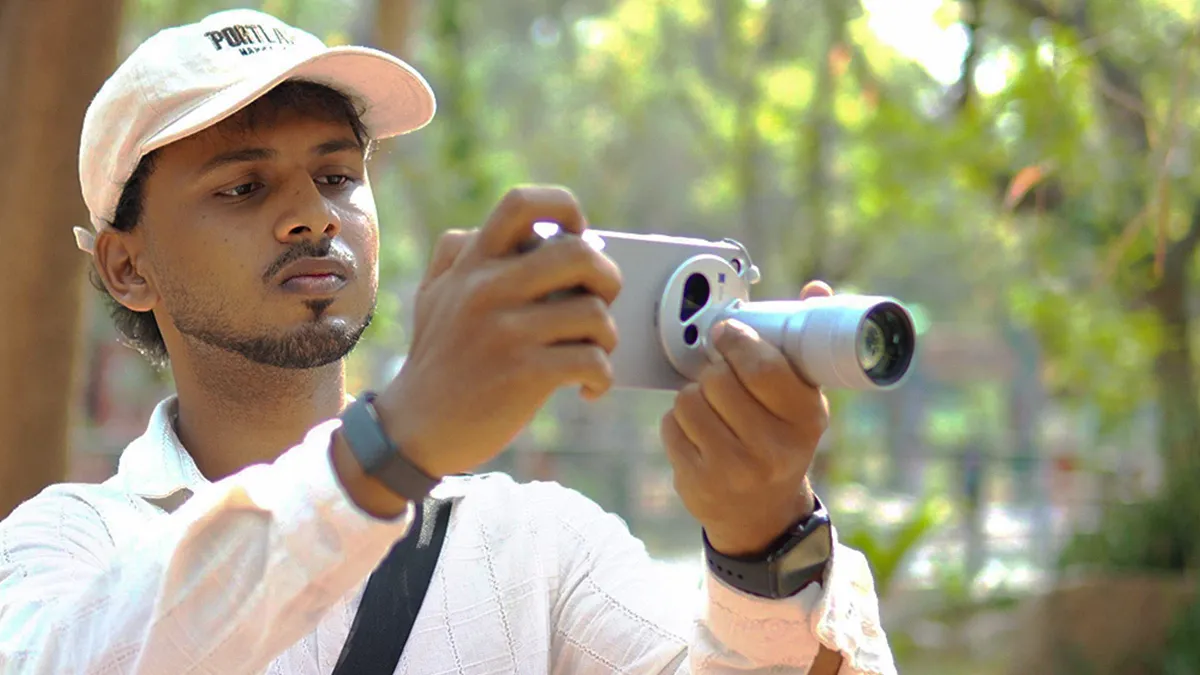
Next, at Nairobi National Park, I used autofocus tracking on an ostrich, a large, restless subject that changes direction without warning. Then I attached the ZEISS Telephoto Extender Gen 2 Ultra and shot at 400mm from the jeep window. The extender is sold separately. It takes the built-in telephoto to a 400mm equivalent, a 4.7x magnification (17.3x equivalent).

Inside are 15 high-transmittance glass elements in two groups, including five extra-low dispersion elements and one glass-molded aspherical lens. All are there to keep colour fringing and distortion down at that length. It is 116mm long and weighs 248g, a fraction of what a traditional lens of similar reach would weigh. That matters in a Jeep, where space is tight and I do not want to hand-hold a long lens.


The reach comes from the 200MP ZEISS APO Telephoto Camera behind it, with a 1/1.4-inch sensor, f/2.67 aperture, and 85mm equivalent focal length. It has optical image stabilisation rated CIPA 7.0, ZEISS T* coating, and ZEISS APO chromatic aberration control. A 200MP sensor gives you far more pixels to crop from when the subject is smaller in the frame than you want.


The tracking is not limited to photos
Here is what surprised me most: you get the same tracking in video. In one clip I shot, the animal keeps moving, but the focus stays locked on it. I shot it all from a distance using the extender. That is the job of 4K 120fps Pro AF Tracking Video, which recognizes people, animals, and pets and lets you adjust autofocus speed and sensitivity.
One detail from vivo is worth knowing before you plan a shoot. For motion snapshots, vivo says telephoto tracking and the extender cannot run at the same time, so you choose between tracking and extra reach. The extender supports 4K 120fps Pro AF Tracking Video, which is why the clip worked the way it did.
Slow motion at 240fps
Then I tried 4K 240 fps Cinematic Slow-Mo Video by filming a quick jog on the main camera.
It works because this is native 4K at 240 frames per second, recorded on the main camera, so the slowed footage keeps its resolution. vivo says output can reach 960 fps through a system update on some batches. Only the main camera supports 4K 240fps, so the telephoto does not work in this mode.
For colour graders: 4K 120fps LOG
If you do colour grading, there is a mode for you. The X500 Pro Max can shoot 10-bit LOG video up to 4K at 120fps, which gives you much more latitude in the edit. I graded the footage right on the phone. The same clip can go to a PC and into DaVinci Resolve for a full grade.
That is not a feature you expect on a phone. It shows who vivo is building the Pro Max for. It is for people who care about what happens after they stop recording.
Test four: giraffes under a midday sun
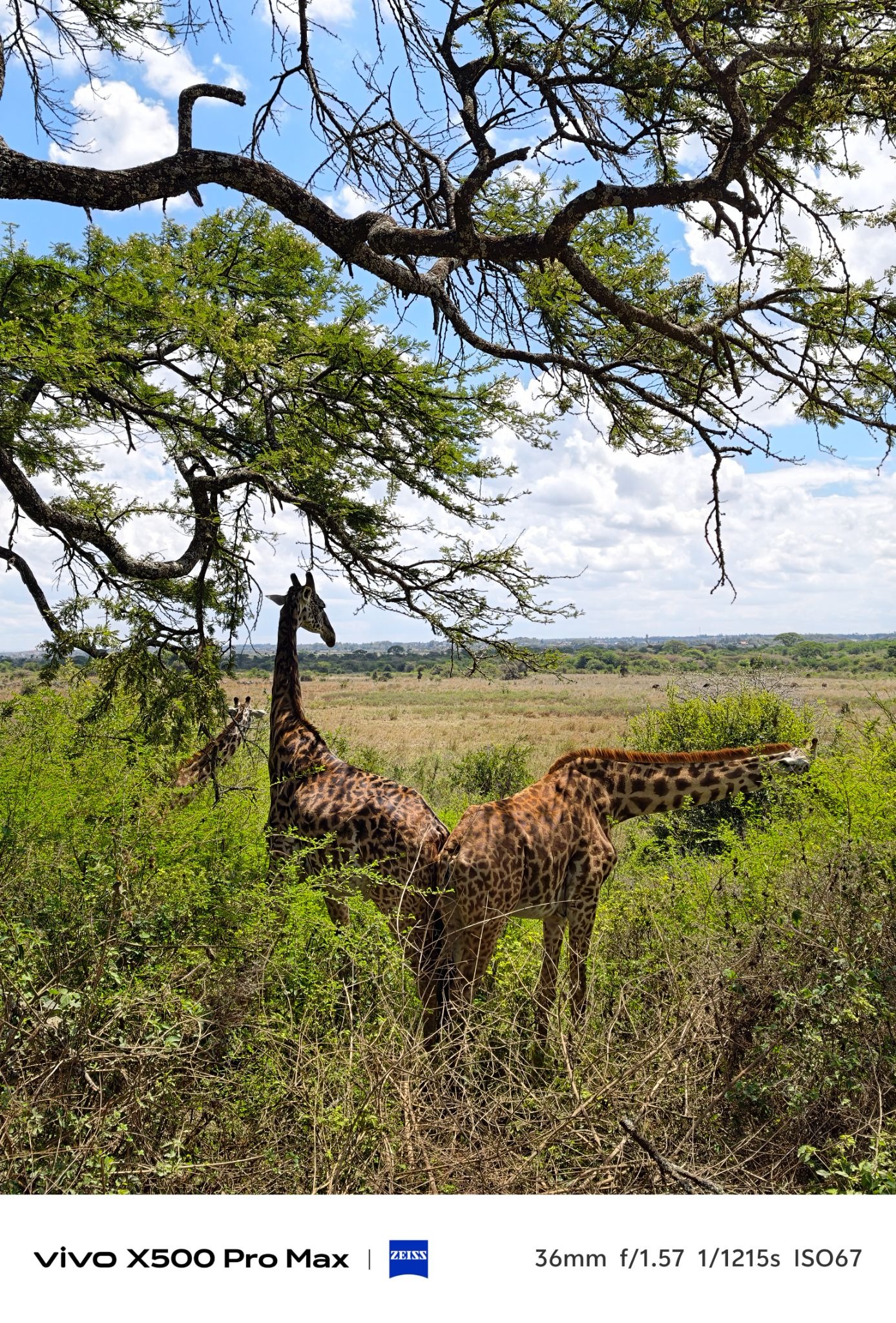
Then we did what I call the harsh sun test: two giraffes under a midday sky. Midday sun is the hardest light for photography, with hard shadows and bright skies. This is a job for the ZEISS TrueDynamic Main Camera, which uses a 50MP vivo x Sony LYTIA L910 sensor, f/1.57 aperture, and 24mm equivalent focal length.
Triple Conversion Gain HDR and LOFIC work together here. vivo claims 17 stops, or up to 17EV, of dynamic range from a single exposure. The single-exposure part matters because traditional HDR blends several frames taken one after another, and anything that moves between them can leave ghosting, blur, or flicker. With 17 stops to work with, the bright sky did not blow out, and the giraffes also kept their detail. The main camera also has 3° gimbal-grade OIS and CIPA 7.0 stabilization.
So, were these really shot on a smartphone?
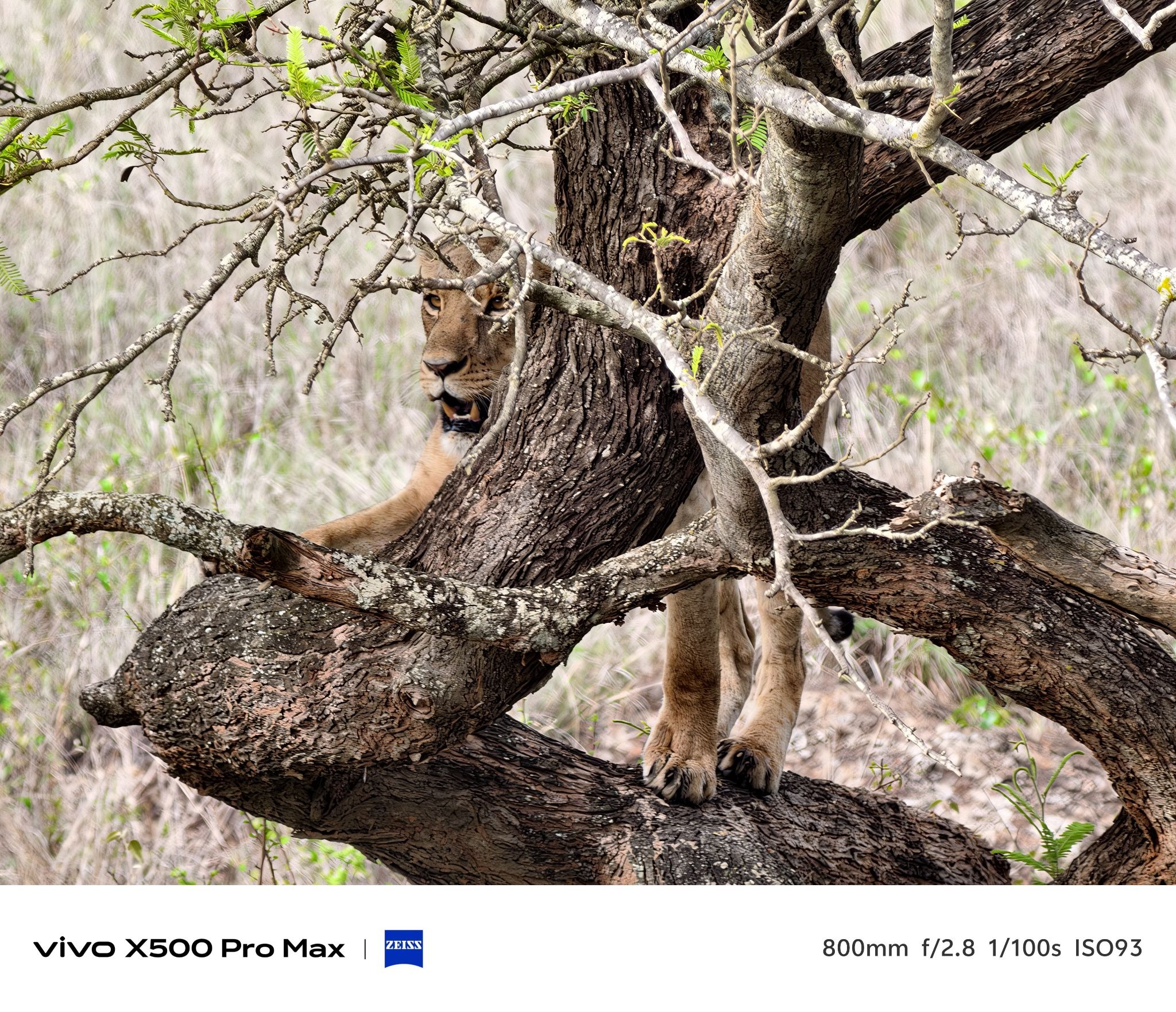
Yes. Proper wildlife, on a phone. Elephants, giraffes, a rhino, a pelican, a heron, and a lion all came out of the same device. I shot them in harsh sun, in flight, and from a moving jeep. A dedicated camera still has the edge in interchangeable lenses and specialized workflows, but the gap keeps shrinking.
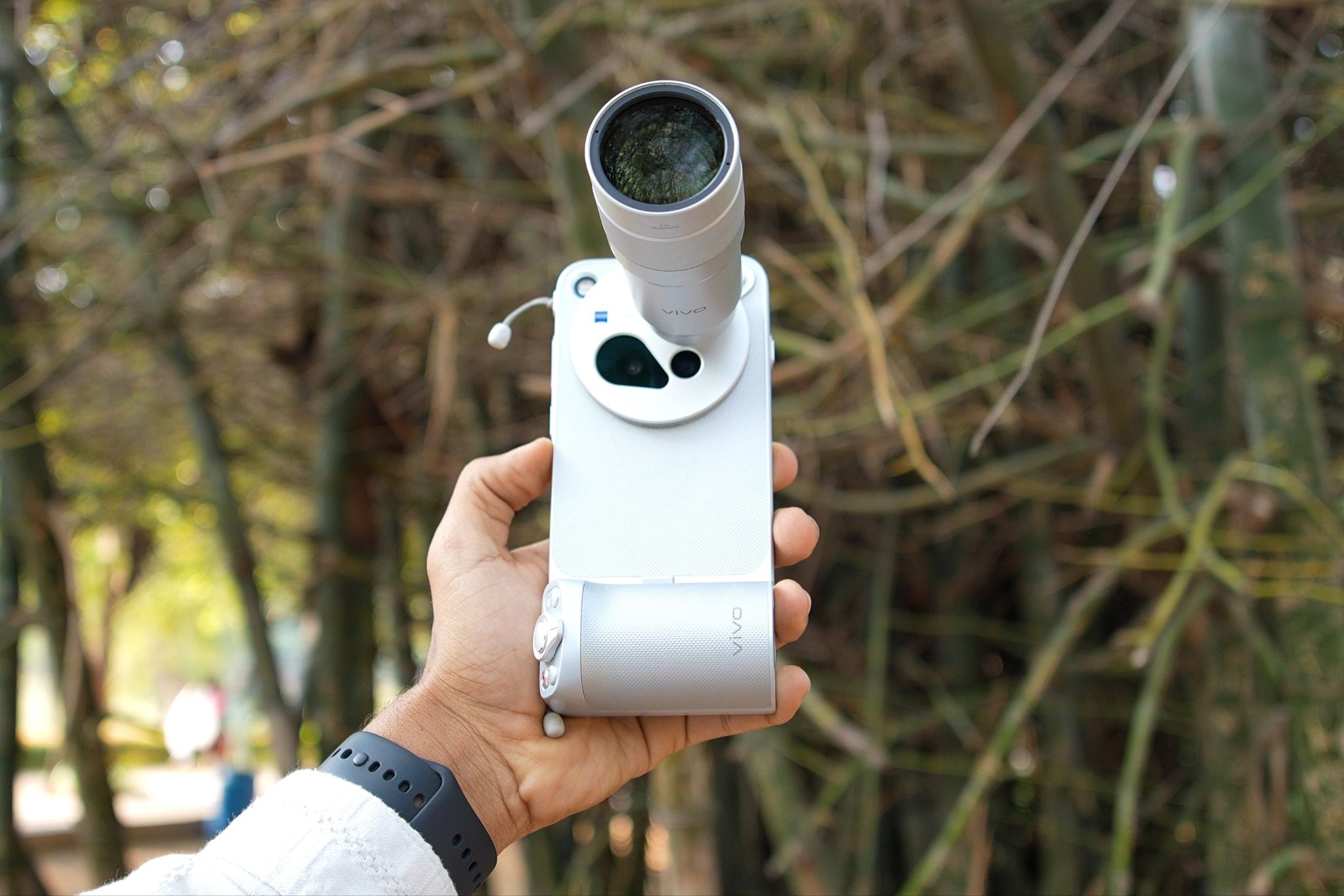
The vivo X500 series, which includes the X500, X500 Pro and X500 Pro Max, launches in India on 26 November. Pricing will be announced then. After seeing what the Pro Max can do in Kenya, I am interested to see how it resets the smartphone camera paradigm. Watch for the launch.
You can follow Smartprix on X, Facebook, Instagram, and Google News. Visit smartprix.com for the latest tech and auto news, reviews, and guides.