


TL; DR (tap to expand)
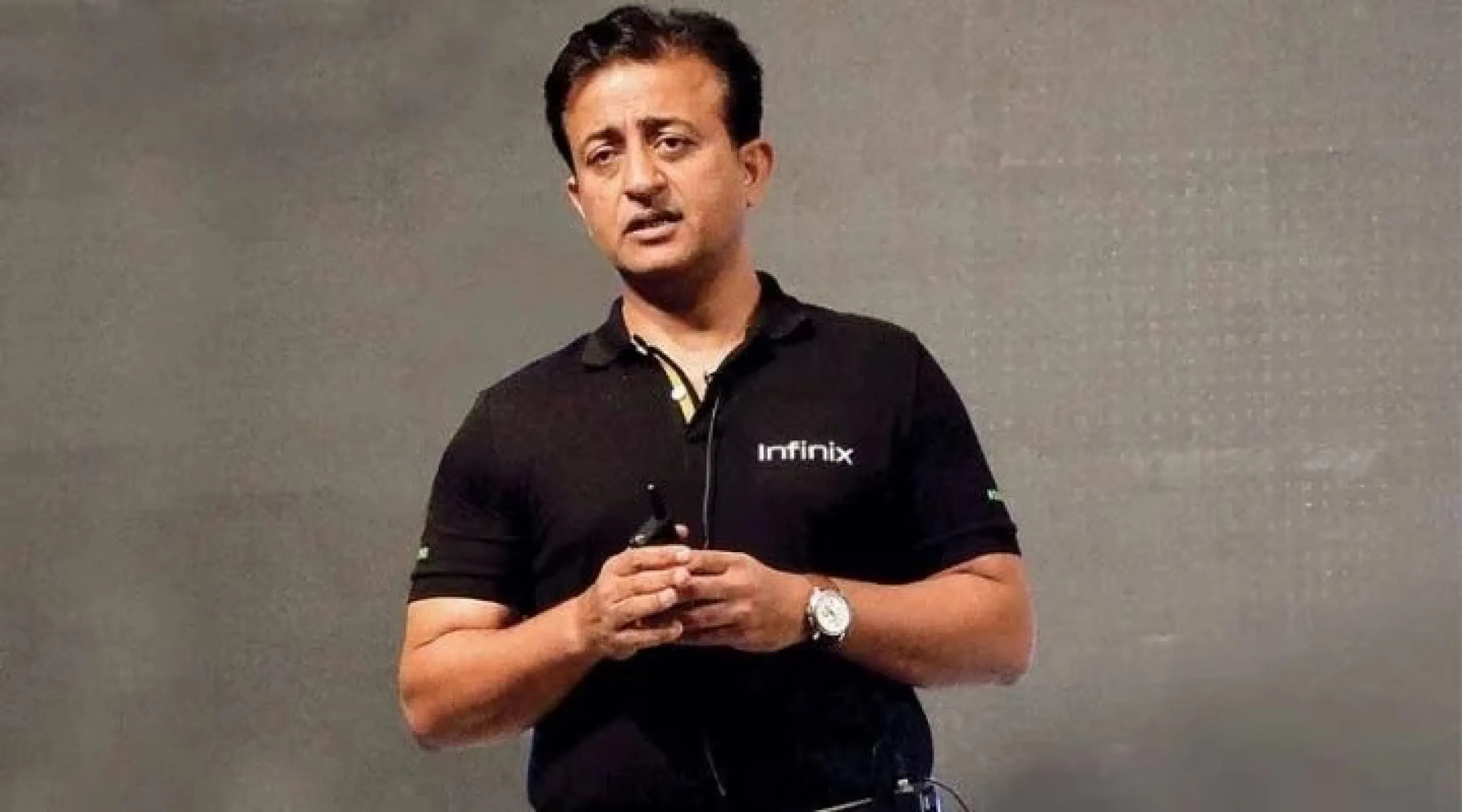
- Multiple industry reports suggest Infinix India CEO Anish Kapoor has exited the company following disagreements over the brand’s direction in India.
- Infinix’s India shipments reportedly fell from 2.9 million units in 2025 to around 500,000 units between January and April 2026.
- The brand is also dealing with a slower launch cycle, declining market share, and increasing pressure from rivals across the budget and mid-range segments.
Infinix India appears to be going through a significant leadership transition. According to reports citing industry sources, Anish Kapoor, who led the company’s India operations, is no longer associated with the brand after reportedly stepping down earlier this year.
Sources familiar with the matter claim that differences emerged between the India team and executives at parent company Transsion Holdings regarding product strategy, sales priorities, and the brand’s positioning in one of its most important markets. Neither Infinix nor Transsion has publicly commented on the reports.
Shipment Volumes Have Dropped Sharply

The leadership uncertainty arrives alongside a noticeable slowdown in the brand’s business. Market estimates suggest Infinix shipped around 2.9 million smartphones in India during 2025. Between January and April 2026, shipments reportedly dropped to roughly 500,000 units.
Industry analysts also expect Transsion’s overall business to contract this year. Counterpoint recently projected a 32% decline for the group in 2026, while market share data suggests Infinix’s position in India has gradually weakened over the past several months.
Product Launches Have Slowed

Another change has been the reduced pace of smartphone launches. In previous years, Infinix regularly refreshed its lineup across multiple price segments. So far in 2026, the company has introduced far fewer devices, with launches largely limited to models such as the Note 60 Pro and Note Edge.


Analyst Yogesh Brar attributes the slowdown to a mix of portfolio restructuring, higher component costs, and increasing competition from brands that continue to push aggressive pricing and specifications. Rising DRAM and NAND prices have also affected companies operating heavily in the value-focused smartphone segment.
Competition Is Getting Tougher

The Indian smartphone market has become increasingly difficult for brands competing below ₹30,000. Companies such as Xiaomi, OPPO, vivo, realme, Samsung, and Motorola continue to refresh their portfolios frequently, while buyers increasingly expect longer software support, better cameras, stronger performance, and premium hardware features.
At the same time, Transsion operates three smartphone brands in India: Infinix, Tecno, and iTel. While each brand targets a different audience on paper, maintaining clear separation becomes more challenging in a market where pricing overlaps frequently.
What’s Next for Infinix
Infinix still maintains a presence across online and offline channels and remains one of Transsion’s better-known brands in India. However, the second half of 2026 could be an important period for the company as it looks to stabilize shipments, refresh its product lineup, and address questions surrounding local leadership.
The company has not officially confirmed any executive changes at the time of writing. More clarity is likely to emerge over the coming months as Infinix outlines its plans for the remainder of 2026.
Source: Digit India

You can follow Smartprix on Twitter, Facebook, Instagram, and Google News. Visit smartprix.com for the latest tech and auto news, reviews, and guides.