
Image
EXPAND

As Dust Settles On E20 Fuel, Sugar Lobby Pushing For E22 Rollout: Report

Main Image
  • Like
  • Comment
  • Share

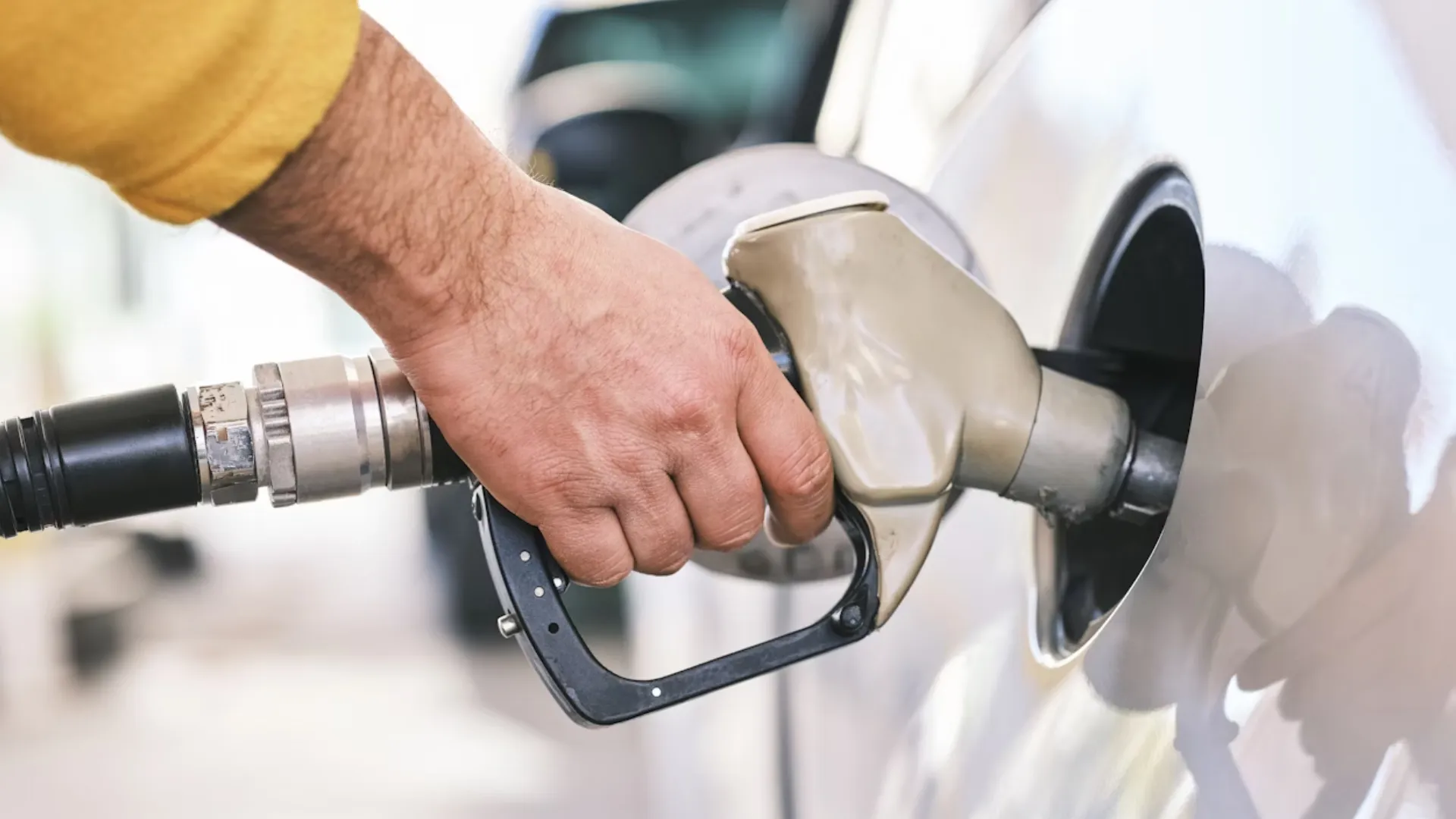
E20 fuel left a lot of car owners angry in 2025, given that the government fast-tracked its decision by 5 years without clarification or notification to either car owners or fuel operators in the country. As the dust settles on the issue, a new report from Autocar India states that the sugar lobby might further push for adaptation of E22 fuel across the country.

What is E22 fuel? Basically, a mix of 22 percent Ethanol with petrol. 

According to the report, this push comes due to high ethanol production and low demand. The report mentions that ethanol capacity in India has grown rapidly since the government incentivised its production, however, the pace of production is much higher than what oil companies currently need to make E20 petrol. 

ALSO READ: VW Taigun vs Skoda Kushaq 2026: Which New European SUV Is For You? Find Out Here

For the sugar lobby, this is just about solving the surplus problem. For the aam aadmi, it is a potential disaster. Per the Autocar India report, the Indian Sugar & Bio-energy Manufacturers Association (ISMA) has warned that surplus ethanol capacity could lead to financial stress for producers if blending levels do not increase. India, however, did not produce E20-compliant cars until 2023. Cars manufactured before that would face maintenance and performance issues in the long run even with E20 fuel. This, because more ethanol means more corrosion and a lower calorific value. So, cars will not only use more fuel to run, their filters and pipes may even choke due to corrosion or dryness given the higher ethanol mix.

Pushing E22 fuel over it will only make the problem worse, since many people online have been reporting issues with their cars like a drop in efficiency or corrosion in parts like fuel injectors. The shift to E22 fuel will also require a lot from the car manufacturers in the country. For example, there needs to be compatibility upgrades across a range of products from manufacturers in the country. There needs to be new testing and certification processes. All of that needs to happen with clear timelines for automakers to prepare better. This would mean that any move to E22 fuel will involve close coordination between fuel producers, oil companies, and car manufacturers. 

Now, why does the sugar surplus matter?  So the Autocar report explains that the ethanol plants were built basis strong policy signals and incentives. However, now oil companies are not demanding ethanol fast enough, and the production capacity continues to rise. This mismatch has led to an overcapacity pressure, where industry stakeholders say that this could impact investments and profitability if blending remains unchanged.

ALSO READ: Hyundai Ioniq 5 Facelift Spied In India: A Quieter, Sharper EV On The Way

It remains to be seen what the government’s response and next move will be. Is the surplus in ethanol plants that can lead to bad investments a bigger problem than a whole market of cars that isn’t compliant to run on higher ethanol blends? We’re watching closely.

(With inputs from Autocar India)

You can follow Smartprix on TwitterFacebookInstagram, and Google News. Visit smartprix.com for the latest tech and auto newsreviews, and guides.

Darab Mansoor AliDarab Mansoor Ali
Darab Mansoor Ali is an experienced automotive journalist and tech writer with nearly a decade of multi-platform experience spanning print, television, and digital media. He has contributed to leading publications including The Hindu, NDTV, News18, and Times Internet, and has worked with digital-first platforms like Gadgets 360, The Quint, and Digit, offering him a unique perspective on both traditional and emerging media landscapes.

A lifelong car enthusiast, Darab combines his deep-rooted passion for automobiles with a strong grasp of consumer technology, regularly producing insightful reviews, explainer videos, and opinion pieces on the intersection of mobility and innovation. His work reflects first-hand experience with the latest vehicles, electric cars, and automotive tech trends shaping the industry. Darab is committed to helping readers make informed decisions through credible, fact-checked, and engaging content.

Related Articles

ImageThe First Asus Snapdragon X AiO PC Lands In India And Its Gunning For The Home Office Crowd

Asus has brought something new to India’s desktop market: an all-in-one PC that runs on Qualcomm’s Snapdragon X processor.  The Asus VM441 is the first Snapdragon X-powered AiO to arrive in the country, and it makes a pointed case for anyone setting up a clean, capable workstation without a tower CPU unit.  Also Read: Samsung …

ImageWe Added a Fuel Additive to E20 Petrol. Here’s What Happened

The new E20 petrol is the talk of the town, and not always for the right reasons. While the government is pushing it through nationwide, the rollout has been far from smooth. A recent survey by LocalCircles revealed that nearly 66% of 36,000 vehicle owners oppose the national implementation, with many demanding complete withdrawal. If …

ImageOnePlus halts OxygenOS 16 Rollout After Users Report Random Reboot Issues

OnePlus has temporarily stopped rolling out OxygenOS 16 following reports of unexpected reboots and boot loops from users. Both the 16.0.7.XXX and 16.0.5.XXX builds have been pulled, as OnePlus engineers investigate the root cause and work toward a stable fix. While OnePlus says only a small percentage of devices are affected, the company will keep …

ImageTata Motors Could Launch Its First Flex-Fuel Car by the End of 2026: Punch Is the Likely Candidate

India’s push to reduce the import of crude oil just got a significant nudge from one of the largest automakers in the country. Speaking during the Q4 FY2026 earnings call, Passenger Vehicles MD and CEO Shailesh Chandra confirmed that the company is on track to ready its first flex-fuel passenger car before the year ends, …

ImageIndia Mandates Cleaner, Higher-Octane Petrol From April…But Most Cars Might Not Benefit

Petrol in India is getting a quiet but significant upgrade. Starting April 1, every fuel station in the country has to sell petrol with an octane rating of at least 95 RON. It sounds technical, but the story behind it is worth understanding. This flows directly from last year’s E20 rollout — the nationwide switch …

Discuss

Be the first to leave a comment.