


Quick Verdict:
The Samsung Galaxy Buds 4 Pro are a highly refined, premium set of earbuds that deliver superb audio quality, effective active noise cancellation, and exceptional long-term comfort espcially to those who are part of Samsung ecosystem.
For years, Samsung’s earbud strategy felt like a restless search for an identity. We had the “beans” (Buds Live), the “buds” (Buds 2 Pro), and last year’s sudden pivot to the “blade” stems. It often felt like Samsung was more interested in reacting to Apple than defining its own path.
I tested the Samsung Galaxy Buds 4 Pro for two weeks across Delhi during my morning run in Lodhi Garden, crammed into the Metro during rush hour, sitting in loud cafés in Hauz Khas, and through long work-from-home sessions.
The result? Samsung has finally found its voice. The Buds 4 Pro are a refined, confident product that moves past the company’s awkward design history. They are, without question, the best earbuds Samsung has ever made. But—and this is a massive, flashing-red-light “but”—they are built for exactly one type of person: the Samsung Galaxy owner. If that’s you, these are a triumph. If it isn’t, they are a cautionary tale of how hardware excellence can fall apart when software locks the door.
HOW I TESTED
| Reviewer: Deepak Singh Rajawat, Technology Editor (11 years experience, 500+ reviews). Test Unit: Samsung provided the review unit, but editorial opinions are fully independent. No commercials involved. Duration and Environment: I actively used the Samsung Galaxy Buds4 Pro for 20 days. My usage included daily rides on the Delhi Metro, morning jogs in the parks, 6-hour writing sessions in loud cafés in Hauz Khas, and home-office video calls. Hardware I paired with: I primarily used it with Samsung Galaxy S26 Ultra, but also tested with an iPhone 17, vivo X300 Pro, Asus Vivobook S15, Samsung Galaxy Book4 Pro and a MacBook Pro Competitors Considered: Sony WF-1000XM5, Beats Powerbeats Fit, Apple AirPods Pro (3rd Generation), and Nothing Ear (3) |
Samsung Galaxy Bud4 Pro - The Good and The Bad
The Good
- Exceptionally lightweight and comfortable to wear
- Dual-drivers engine delivers stunning textured bass.
- SSC UHQ codec provides genuine 24-bit/96kHz hi-res audio.
- World-class low-frequency ANC; eliminates train and bus drone.
- IP57 rating and rock-solid fit for high-intensity workouts.
The Bad
- Some features not avialable on Non-Samsung Users
- No true multipoint connectivity for multi-brand setups.
- Highs roll off slightly
Samsung Galaxy Buds4 Pro Specifications, Price & Availability
| Feature | Details |
| Weight | 5.1g per earbud |
| Drivers | 11mm woofer + 5.5mm planar tweeter |
| Codecs | SSC UHQ (24-bit/96kHz), LC3, AAC, SBC |
| Connectivity | Bluetooth 6.1 (with Auracast support) |
| Battery Life | ~6 hours (ANC on) / 26 hours total with case |
| Durability | IP57 (Dust and Water resistant) |
| Current Price | ₹22,999 (in India); $192 (in the USA) |
Samsung Galaxy Buds4 Pro Design and Comfort Review: The "Disappearing" Fit
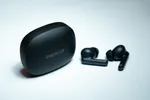
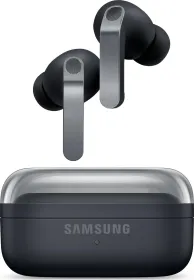
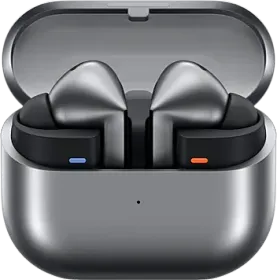
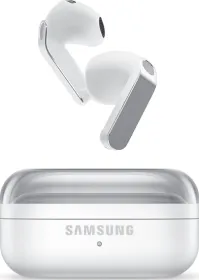
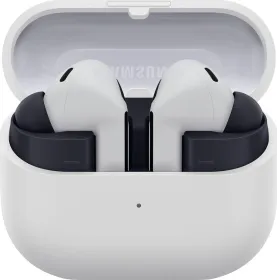
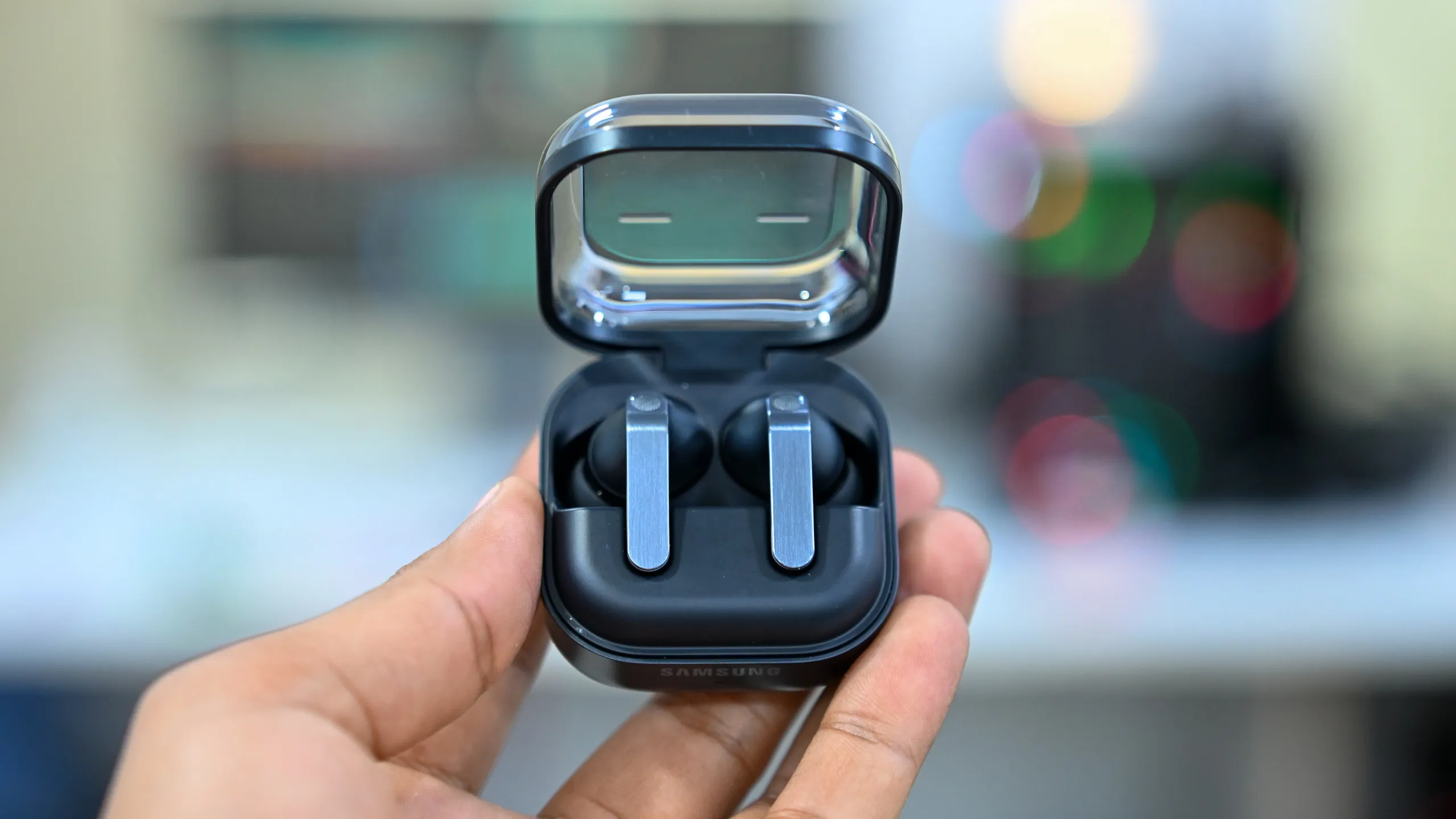
At just 5.1 grams per bud, these are among the lightest truly wireless earbuds I’ve worn at this price point. The refined lollipop stem design features flat, metallic-clad stems that look premium without screaming for attention. The silicone nozzle cover is soft against the ear canal, and crucially, the fit is shallow enough that my ears don’t ache after a 7 hours long flight.


I wore them for a six-hour work session while writing and taking calls no ear fatigue. That’s not a given at this price, and it’s worth calling out.
Samsung includes three sizes of silicone ear tips. If you have a compatible Galaxy device, the Galaxy Wearable app can run a seal test that plays audio to verify the fit which I found helpful while setup.

Secure fit during exercise
I ran with these. I did burpees with these. They didn’t move. The shallow but secure ensures you get comfort and stability in the same package, which is rare.
One honest caveat: during a heavy sweat session, I occasionally had to reseat the silicone tips. The IP57 rating means sweat won’t kill them, but very heavy perspiration can compromise the seal slightly.
Samsung Galaxy Buds4 Pro Sound Quality Review: The Dual-Driver Advantage
The Buds 4 Pro use a dual-driver setup where they opt for an 11mm woofer which is paired with a 5.5mm planar tweeter. The difference versus single-driver earbuds is immediately audible. When connected to a Samsung device using the Samsung Seamless Codec Ultra High Quality (SSC UHQ), the earbuds support 24-bit/96kHz high-resolution audio. The LC3 codec also ensures low latency during video playback.

The sound signature leans towards a bass-first, darker tuning. That sub-bass is textured and physical. I tested it track by track across genres, and the results were revealing. To test out Sub-bass stress test, I played Nucleya’s Aaja (feat. Avneet Khurmi) song. The cavernous sub-bass drops hit with genuine physicality textured and authoritative, never bloated. This is where the 11mm woofer proofs its might. The Buds 4 Pro handle electronic bass architecture better than almost anything at this price.
I also played Dua Lipa’s Houdini which is a Bass-heavy Pop and the buds delivered punchy, driving bass and crisp vocal production. The Buds 4 Pro make this track genuinely exciting. The low-end authority pairs well with Lipa’s clean upper-mids, and the soundstage keeps everything from collapsing into itself.
If you are a fan of Electronic dance, Jalebi Baby by Tesher will make you tap your feets in groove. The bass-forward tuning is perfectly matched here. The low-end thump lands hard and clean, the dhol-inspired percussion carries real weight, and the track’s playful energy comes through with authority.
When I played Arijit Singh’s hit from bollywood hit Aashiqui 2 called “Tum Hi Ho”, as song that has mid-forward vocal delivery, the Buds 4 Pro push the bass up into the mix and slightly veil his voice. The emotion of the song survives, but the intimacy of the performance doesn’t. If you listen to a lot of Arijit or similar vocal-forward Bollywood, the “Clear EQ” preset in the app.
If you are someone who enjoys Kishore Kumar and Mohammad Rafi songs you will enjoy listening them on the Buds4 Pro. I played Mere Sapno Ki Rani (from 1969’s classic movie Aradhana). The Kishore’s voice sits beautifully in the midrange, the orchestral strings have pleasant body, and there’s none of the bass-induced veil that troubles modern vocal tracks. Old songs sound lovely on these.
When you listen to Imagine Dragons’s “Enemy” (feat. JID) on the Buds 4 Pro, you will notice crunchy, distorted guitars carry real weight, JID’s rap verses land with snap and precision, and the vocal chorus doesn’t get swallowed by the bass. The dual-driver setup handles the dynamic range between the verse and chorus well. This kind of a quiet contrast is where many single-driver earbuds stumble.
To test the buds limit, I also played AR Rahman’s Academy Award winner Jai Ho” from (Slumdog Millionaire) which has a sweeping orchestral opening and its is where the Buds 4 Pro’s slightly rolled-off highs become noticeable. The strings lose a little of their shimmer and air at the very top octave. The track still sounds rich and full. The brass and percussion remain excellent but audiophiles expecting pinpoint treble extension will notice the ceiling. On an equalizer-flattened profile, this improves meaningfully.
The Galaxy Buds4 Pro also supports 360 Audio spatial, so I played Coldplay’s “Hymn for the Weekend.” Recorded partly in Mumbai and mixed with a wide, reverb-heavy soundstage, this track is a natural showcase for the 360 Audio feature with head tracking. With it enabled on a compatible Samsung device, the layered vocals and synths spread convincingly around your head rather than sitting flat between your ears. It’s a genuine effect, not a gimmick; the sense of presence is remarkable on this track specifically.
I played Shankar-Ehsaan-Loy’s “Dil Chahta Hai” title track which has a layered, kinetic arrangement of this track with multiple guitar lines, bass, drums, and three-part vocals all running simultaneously pushed the imaging to its limits. During the busiest sections, individual elements begin to blur together rather than holding their distinct positions in the soundstage. It’s a flaw that only emerges under genuine complexity. For most music, the imaging holds up fine.
If the default bass-heavy profile bothers you, the Galaxy Wearable app includes a 9-band equalizer. The “Clear EQ” preset flattens the bass considerably and adds sparkle to the highs. I used it for Bollywood vocal listening and preferred it significantly over the default. This level of customization is something the AirPods Pro simply doesn’t offer.
Samsung Galaxy Buds4 Pro ANC and Transparency Review: Cuts the Noise
I tested the ANC on the Delhi Metro, inside a running bus, in a café, and in my home office. The Low-frequency noise doesn’t exists once I turned on the ANC . Bus engines, Metro rumble, air conditioning hum, the ANC eliminates all of it cleanly. This is where the Buds 4 Pro genuinely compete with the best in class.


When I talk about mid-to-high frequency noise they are slightly less impressive. Testing shows the ANC loses effectiveness in the 500Hz to 1.1kHz range. In the Metro during peak hour, sharp sounds a phone ringing, a child’s voice, a mechanical keyboard still bled through quietly. It’s not distracting, but it’s not invisible either.
I also tested the Ambient mode which turned out to be excellent delivering natural-sounding and non-robotic. I used it confidently while crossing roads during my run, and conversations passed through clearly without the artificial amplification that plagues some competitors.
Samsung Galaxy Buds4 Pro Call Quality and Smart Features Review
The Samsung Galaxy Buds 4 Pro truly shine as dependable everyday earbuds for calls. With a six-microphone array, bone conduction sensors, and a smart Deep Neural Network, they skillfully separate your voice from the chaos of background noise.
Whether it’s wind, traffic, or bustling cafe sounds, everything fades away, delivering a crisp, easily understandable voice on the other end. Super Wideband audio up to 16kHz further enhances call clarity, provided you have a compatible Samsung phone and network.
Smart Features
The smart features are what make the difference. Conversation and siren detection, for instance, work almost invisibly. If I start talking to someone, the noise canceling drops out automatically and ambient sound kicks in. Same thing when a siren passes by. What I like is that it doesn’t linger after conversation is over; it snaps back to silence after about five seconds, so I’m not constantly fiddling with controls.


The gesture controls sounded gimmicky at first, but in practice, they’re surprisingly dependable. A quick nod to answer calls or a shake to decline simple. I didn’t think I’d use it much, but it came in clutch one evening when my hands were literally covered in flour while cooking. No taps, no smudges, just a nod and done.
Pairing them with a Galaxy phone unlocks a bit more magic. A pinch-and-hold on the stem launches Live Translate or Interpreter mode instantly. I tried it with Spanish, and while it’s genuinely useful for casual interactions, there’s a slight delay you can feel. It gets the job done, but I wouldn’t trust it in situations where precision really matters.
Auracast is one of those features that sounds futuristic, tapping into shared audio streams like airport announcements or public TVs, but I haven’t had the chance to test it in the real world yet. It’s promising, though, especially for travel.
One feature I didn’t expect to care about but actually did is the neck-stretch reminder. The earbuds track head movement and nudge you if you’ve been hunched over too long. It’s subtle, not annoying, and honestly, kind of appreciated during long desk sessions.
Overall, it’s the small, thoughtful touches that stand out. These aren’t just about listening, they’re about quietly fitting into how you live and work.
Samsung Galaxy Buds4 Pro Connectivity Review: The ecosystem wall
Here’s the catch and it’s a pretty big one depending on how you use your earbuds. The Buds 4 Pro don’t support true multipoint connectivity. So unlike something like Sony WF-1000XM5, you can’t stay connected to two devices at once and fluidly bounce between them. In day-to-day use, that limitation shows up more often than you’d expect.
On a non-Samsung Android phone, I found myself manually switching devices through the Galaxy Wearable app every time I moved from my laptop to my phone. It’s not complicated but it’s just enough friction to remind you this isn’t a seamless experience.
And if you’re on an iPhone, it gets worse. You’re essentially using these as basic Bluetooth earbuds. No app support, no advanced ANC controls, no SSC UHQ codec, no 360 Audio, no Auto Switch. It feels like you’re paying flagship money for a very stripped-down version of the product.
Auto Switch itself is where Samsung really draws the line. Within the Galaxy ecosystem, it’s excellent. Jumping from my phone to a Galaxy Book4 Pro happened instantly, without me touching a thing. It feels polished, almost invisible exactly how features like this should work.
But step outside that ecosystem, and it simply disappears. No fallback, no alternative just manual switching again. It’s one of those features that’s brilliant if you’re all-in on Samsung, and frustrating if you’re not.
Competitor comparison
| Earbud | Best for | Key advantage | Key flaw |
|---|---|---|---|
| Buds 4 Pro | Samsung users | Sound quality, comfort, EQ flexibility, value vs. Sony | Heavy ecosystem lock-in, no true multipoint |
| AirPods Pro 3 | iPhone users | Slightly better ANC and battery; deep Apple integration | No EQ, locked to Apple — Windows/Android users lose out |
| Sony WF-1000XM6 | Any Android user | Best ANC, better battery, no brand lock-in | ~$80 more expensive, worse ergonomics and comfort |
| JBL Tour Pro 3 | Non-Samsung Android users | Smart case with display, full-feature cross-brand access | Bulkier design |
| Nothing Ear (3) | Budget-conscious buyers | Bone conduction mics, premium feel, significantly cheaper | Weaker ANC, smaller soundstage |
Here’s how I see it after using them alongside the competition. Up against Apple AirPods Pro (2nd generation), Apple still has the edge in two key areas: ANC and battery life. The noise cancellation is just a touch more consistent in chaotic environments, and the battery holds up slightly better over long days. But where Samsung pulls ahead at least for me is control. That 9-band equalizer isn’t just a spec-sheet flex; it actually lets me dial in the sound the way I like, which Apple still doesn’t offer at that level.
What stands out more, though, is identity. The older Samsung Galaxy Buds 3 Pro felt like Samsung was chasing Apple a bit too closely. The Buds 4 Pro don’t feel like that anymore. They’re doing their own thing now offering smarter features, more customization, and a clearer sense of what they want to be.
That said, if you’re not using a Samsung phone, my recommendation shifts pretty quickly. I’d take the Sony WF-1000XM6 instead. Sony’s big advantage is simple: it doesn’t gatekeep features. Whether you’re on Android or iOS, you’re getting the full experience with no missing codecs, no locked settings, no ecosystem tax.
And in real-world use, that consistency matters more than you’d think. With Samsung, the experience can feel top-tier or limited depending on your phone. With Sony, it’s the same great experience across the board and honestly, that reliability is hard to ignore.
Review Verdict: Should You Buy the Samsung Galaxy Buds4 Pro?

Smartprix ⭐ Rating: 9/10
The Samsung Galaxy Buds 4 Pro are easily the best earbuds Samsung has made, full stop. This is where I land after living with them. The dual-driver setup delivers a richer, more layered sound than before, the lightweight fit makes them easy to forget you’re wearing, and the IP57 rating adds real-world durability. What surprised me most, though, is how natural the transparency mode feels, and how seamlessly the Galaxy AI features slot into everyday use. It all comes together into something that genuinely feels flagship.
But here’s the thing who you are matters more than what these earbuds are. If you’re using a Samsung Galaxy phone, this is a no-brainer. Features like the SSC UHQ codec, 360 Audio, Auto Switch, and full app support don’t just add value they fundamentally elevate the experience. Everything works the way it should, and more importantly, the way you expect it to.
If you’re on an iPhone, I wouldn’t even think twice just get the Apple AirPods Pro (2nd generation). Using the Buds 4 Pro here feels like buying a premium product and only accessing half of it. You’re stuck with basic Bluetooth and none of the features that justify the price.
And if you’re on a non-Samsung Android phone, I’d personally lean toward the Sony WF-1000XM6. You get the full feature set regardless of your device, which makes a bigger difference in daily use than you might expect. If budget is a concern, the JBL Tour Pro 3 is a solid alternative that still delivers a complete experience without ecosystem lock-in.
So yeah the Galaxy Buds 4 Pro are a 9/10 product, but only if you’re the right buyer. For everyone else, they’re a reminder that even great hardware can feel limited when the software puts up walls.
First reviewed in April 2026.

Frequently Asked Questions
Are the Samsung Galaxy Buds 4 Pro good for working out?
Yes but with caveats. I tested them during running and burpees in Delhi’s heat and they stayed firmly in place. The IP57 rating protects against sweat. The only issue: during very heavy sweating, the silicone tips can shift and break the seal, requiring a reseat. For moderate gym sessions, commutes, and runs, they are excellent workout earbuds. For high-intensity interval training with extreme sweating, the ear tip seal may occasionally need attention.
Do the Samsung Galaxy Buds 4 Pro work with iPhones?
They pair via Bluetooth, but that’s where the experience ends for iPhone users. You lose ANC control, 360 Audio, SSC UHQ codec (so no 24-bit/96kHz hi-res audio), Auto Switch, Galaxy AI, and app support entirely. iPhone users should buy Apple AirPods Pro instead.
How is the ANC compared to Sony WF-1000XM6 and AirPods Pro?
The ANC is excellent for low-frequency noise like engine hum, air conditioning, and Metro rumble — competitive with Sony and Apple. However, it loses ground at mid-to-high frequencies (500Hz–1.1kHz), meaning loud conversations and sharp office sounds bleed through more than on Sony’s flagship. Apple’s AirPods Pro 3 edges ahead slightly overall. For commuters, the Buds 4 Pro’s ANC is more than sufficient.
What is the SSC UHQ codec, and does it matter?
SSC UHQ (Samsung Seamless Codec Ultra High Quality) is Samsung’s proprietary audio codec supporting 24-bit/96kHz transmission — true high-resolution audio. It delivers noticeably more detail and dynamic range than standard AAC or SBC Bluetooth codecs. The catch: it only works with compatible Samsung devices. On any other device, you fall back to standard Bluetooth codecs and lose the hi-res advantage entirely.
Do the Buds 4 Pro support multipoint conectivity where I can connect it with two devices at once?
No. True multipoint i.e. maintaining simultaneous active connections to two devices is not supported. Within the Samsung ecosystem, “Auto Switch” handles seamless device switching automatically. Outside the Samsung ecosystem, you must manually switch via the Galaxy Wearable app. This is a meaningful limitation if you regularly move between a laptop and a phone from different brands.
Is the spatial audio (360 Audio) feature worth it?
Yes, on compatible Samsung devices. The head-tracked 360 Audio creates genuine spatial depth, especially on live recordings and orchestral music. I tested it on Paul Simon’s “Diamonds on the Soles of Her Shoes” and the sense of presence was excellent. However, this feature is completely unavailable on non-Samsung devices, so factor that into your purchase decision.
What are the best alternatives to the Galaxy Buds 4 Pro?
For iPhone users: Apple AirPods Pro 3. For non-Samsung Android users: Sony WF-1000XM6 (slightly better ANC and battery, no brand lock-in). For budget-conscious buyers who want premium sound without the flagship price: Nothing Ear (3).
You can follow Smartprix on Twitter, Facebook, Instagram, and Google News. Visit smartprix.com for the latest tech and auto news, reviews, and guides.