

The Canon EOS R6V is Canon’s latest and most advanced camera in the EOS V-range of cameras that are focused on content creators. Now, the new Canon EOS R6 V sits between the Canon EOS R50 and the EOS R6 Mk III. I have reviewed the EOS R50 V earlier and have used the EOS R6 Mk III for a couple of videos so I have some perspective.

This, basically, is a new line of cameras that are video-first. Not for photos, not for film-making, but somewhere in between. Which, in my opinion, is perfect for content creators of all scales and platforms. Now, this is an exciting product because it is the first full-frame camera in the V-series and it has all the features that any creator would need. Canon has been very clear in their positioning of this camera. It is built specifically for content creators that demand more than what any smartphone/ action or vlogging camera can offer. This is for the higher tier – the professional level.
Pros
- Brilliant subject detection and natural bokeh.
- One of the best Auto Focus performance. Brilliant tracking across people, animals, cars and more.
- RAW Open Gate recording in 7k is super useful for creators.
- Comes with IBIS.
- Dual memory card slots
- Vertical tripod mount.
- Doesn’t overheat at all.
- Battery life is really good.
- Improved controls to switch between photo/ video
Cons
- No built-in flash.
- 7-stop IBIS instead of 8-stop.
- No 4k Open Gate recording.
- Low light performance hasn’t improved
Canon EOS R6 V Specifications
- Sensor: 32.5MP full-frame CMOS
- Processor: DIGIC X
- Autofocus: Spot AF, 1-point AF, Flexible Zone AF, One-Shot AF, AI focus AF, Movie Servo AF
- Burst shooting: 40fps burst.
- IBIS: Up to 7 stops coordinated
- Screen: 2.95-inch fully articulating LCD touchscreen, 1.62 million dots.
- Video: internal 7K 60p Cinema RAW Light, 7K open gate 60p, uncropped 4K 120p, Full HD 180p
- Battery: LP-E6P
- Build: magnesium alloy, weather-sealed
- Ports: full-size HDMI, USB-C (charging + power delivery), dual memory cards, 3.5mm jack, E3 remote terminal.
- Weight: ~688 g with battery
Canon EOS R6 V Design and Ergonomics
In terms of design and ergonomics the Canon EOS R6 V is pretty standard size and shape. Canon has also gone with their new design detail of putting a record button on the front of the camera. The controls are also standard where you expect them to be on a Canon camera. We get dials for modes, shutter speed, on the top right of the body. There is a touch-sensitive swivel screen with buttons and navigation pad placed on the right side of the screen. This, however, doesn’t have a record button on the main body. Instead, the Canon EOS R6 V has a toggle switch that lets you switch between photo and video mode, with the shutter button only acting as a record button in video mode.

In terms of weight, the Canon EOS R6 V is not very lightweight, but it is not a heavy camera also by any definition. Sure, vlogging with it will get tiring after some time, but doing normal handheld shoots was as comfortable as it is on any camera. The grip and materials used are also great quality and the camera is unlikely to fall off your hands. Canon has also added a base plate screw on the right side of the camera, which allows users to mount the camera on a tripod vertically itself without fiddling with the tripod.
Canon EOS R6 V Features
Features on the Canon EOS R6 V are also plenty. It comes with in-body-image stabilisation (IBIS), which is very useful for shooting vlogs, car content or anywhere there is any sort of hand-held footage. IBIS on the Canon EOS R6 V gives you 7 stops as compared to the 8 stops on the EOS R6 MkIII. It is a slightly downgraded version of IBIS, but still good in case you want to skip taking the tripod someday. While walking, however, it isn’t as stable as a smartphone or something with a proper 8-stop IBIS.

We also get Open Gate recording with the Canon EOS R6 V. The EOS R6 V supports 7K Open Gate recording, and is capable of recording in LOG as well at 30 fps. There is no 4k Open Gate, which is a bit confusing but we are getting Open Gate which is super helpful for creators since they can use the same master file for both vertical and horizontal videos.
Canon EOS R6 V Viewfinder
The first thing you do with any camera is frame a shot, and the R6 V makes a strong first impression here. The display experience is very good. We get a 2.95″ Clear View LCD II display with roughly 1,620K dots. The brightness is ample, so you’re never left guessing whether what you see is what you’re actually going to capture. It is also sharp enough that you can clearly see what you’re shooting, which matters far more in daily use than any number on a spec sheet. Confirming focus, checking composition and judging fine detail all are easy and effortless, and you never have to lean in or second-guess what’s in front of you.

The viewfinder display is also touch sensitive. Now, touch control is not new on Canon cameras, but execution is what separates a genuinely useful touchscreen from a frustrating one, and here the touch response is pretty good. Taps register promptly and accurately, whether you’re setting a focus point, moving through menus or changing settings on the fly. Overally, the whole experience feels premium. From the way the display looks to the way it responds under your finger, it gives you the sense that this is a camera meant to be used all day rather than glanced at now and then. In this segment that perceived quality counts for a lot, because the display is the part of the camera you interact with the most. It shapes your impression of the entire body every time you switch it on.
Nothing here is a compromise you have to work around. The viewing experience is clear, bright and responsive, and the touchscreen adds convenience without ever feeling like a gimmick. It’s one of the areas where the R6 V simply does its job well and gets out of your way, which is exactly what you want from the thing you’re staring at while you shoot.
Canon EOS R6 V Performance
Let’s start with stills, because there is little drama there. For photos, the R6 V is as good as any Canon camera. You get the dependable, consistent results Canon is known for, and if photography is your main reason for picking one up, you won’t be disappointed. That said, this isn’t where I spent most of my time with the camera. We are getting 10-bit HEIF and 8-bit JPEG formats also with photos.

I used the R6 V mostly for video, and here it genuinely surprised me. Performance is much better than I expected, and the video quality is superb. The Canon EOS R6 V supports 14-bit RAW, and 14-bit C-RAW video recording. What impressed me most is how accessible it makes good-looking footage. The camera offers enough range and enough features that even newbies can shoot cinematic videos with it, without needing a deep understanding of settings or complicated workflows. Experienced filmmakers will find plenty to work with as well, but the real story is how low the barrier to entry is. You can pick it up, start shooting, and end up with footage that looks far more polished than you’d expect from someone just starting out.



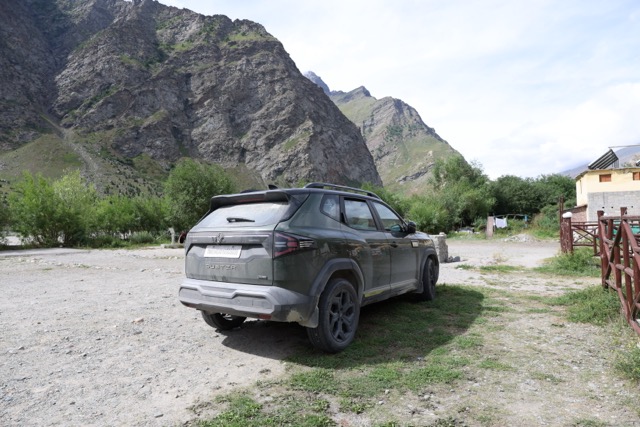





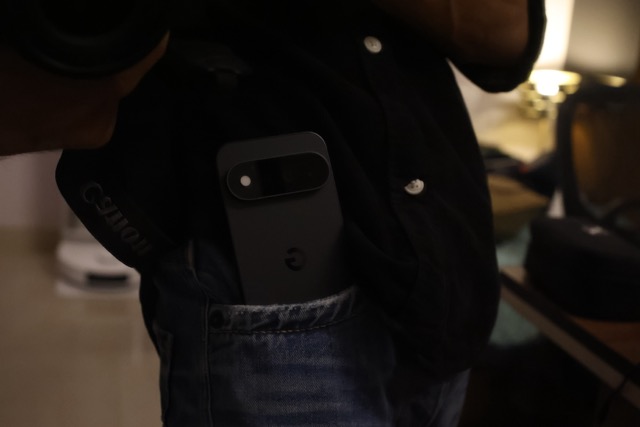


Low light is where the picture becomes less flattering. Low-light performance is average, for both photos and video. The camera comes with Dual Base ISO, which on paper should help in dim conditions, but in practice the results are still not outstanding. The footage and images are usable and acceptable, but they aren’t the kind that will have you shooting fearlessly in dark venues. If you regularly work in dim interiors, night streets or evening events, expect to lean on faster lenses or additional lighting to get the results you want.
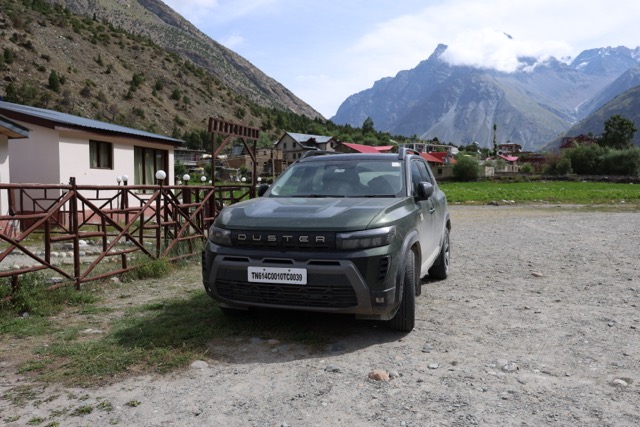
Most of it is thanks to the beautiful autofocus. This, in my opinion, is the best auto focus performance that I have seen on any Canon camera that I’ve used so far. During my time with the Canon EOS R6 V, I shot a lot of videos and short reels. Never did I experience any issues with autofocus or subject tracking on the EOS R6 V. I shoot a lot of content on cars, which means that exterior shots constantly have something that needs to be tracked. The Canon EOS R6 V always made sure that my subject was never out of focus. This, however, needs to be paired with the correct area of focus. Even if the camera lost focus in any rare scenario, a slight tap on the shutter button is all you need to get back in focus. The camera will detect subject on its own.
You do not get a memory card, interface cable, or HDMI cable, so plan on buying those separately.
Review Verdict: Should You Buy the Canon EOS R6 V?


Smartprix ⭐ Rating: 9/10
- Image Quality: 9.5/10
- Autofocus: 9.5/10
- Video: 9/10
- Build & Handling: 9/10
- Battery: 8.5/10
Overall, the EOS R6 V is something between Canon’s best in photos and cinematic videos, which fits perfectly for content creators. Features like Open Gate and IBIS make it much more useful for creators. So the Canon EOS R6 V is a video-first surprise. It delivers on photos exactly as you’d expect from Canon, exceeds expectations on video, and only falls short of standout in the dark.
First reviewed in August 2026.